مونديال القيود.. مشكلات دخول الولايات المتحدة تتصدر الحدث العالمي
The entry measures for the United States to attend the 2026 World Cup witnessed various restrictions and exceptional cases were imposed on the most prominent global football forum.
وسط الاحتجاجات.. رئيسة المكسيك تطمئن العالم على افتتاح المونديال
The teacher protests crisis in Mexico threatens the opening of the 2026 World Cup, while the organizers of those protests say it is an “ideal opportunity for pressure.”
بعد استبعاده من المونديال.. الحكم الصومالي عرتن يكشف خطوته التالية
Somali referee Omar Arten revealed what he is looking forward to after he was banned from entering the United States and excluded from participating in officiating the 2026 World Cup matches.
Social explosion, economic control or military aggression, three scenarios that the Cuban President spoke about possible plans that the United States intends to use to control Cuba.
The 2026 World Cup has come under fire even before kickoff. Criticism is mounting over US President Donald Trump’s politics, high ticket prices, the expansion to 48 teams as well as its environmental impact.
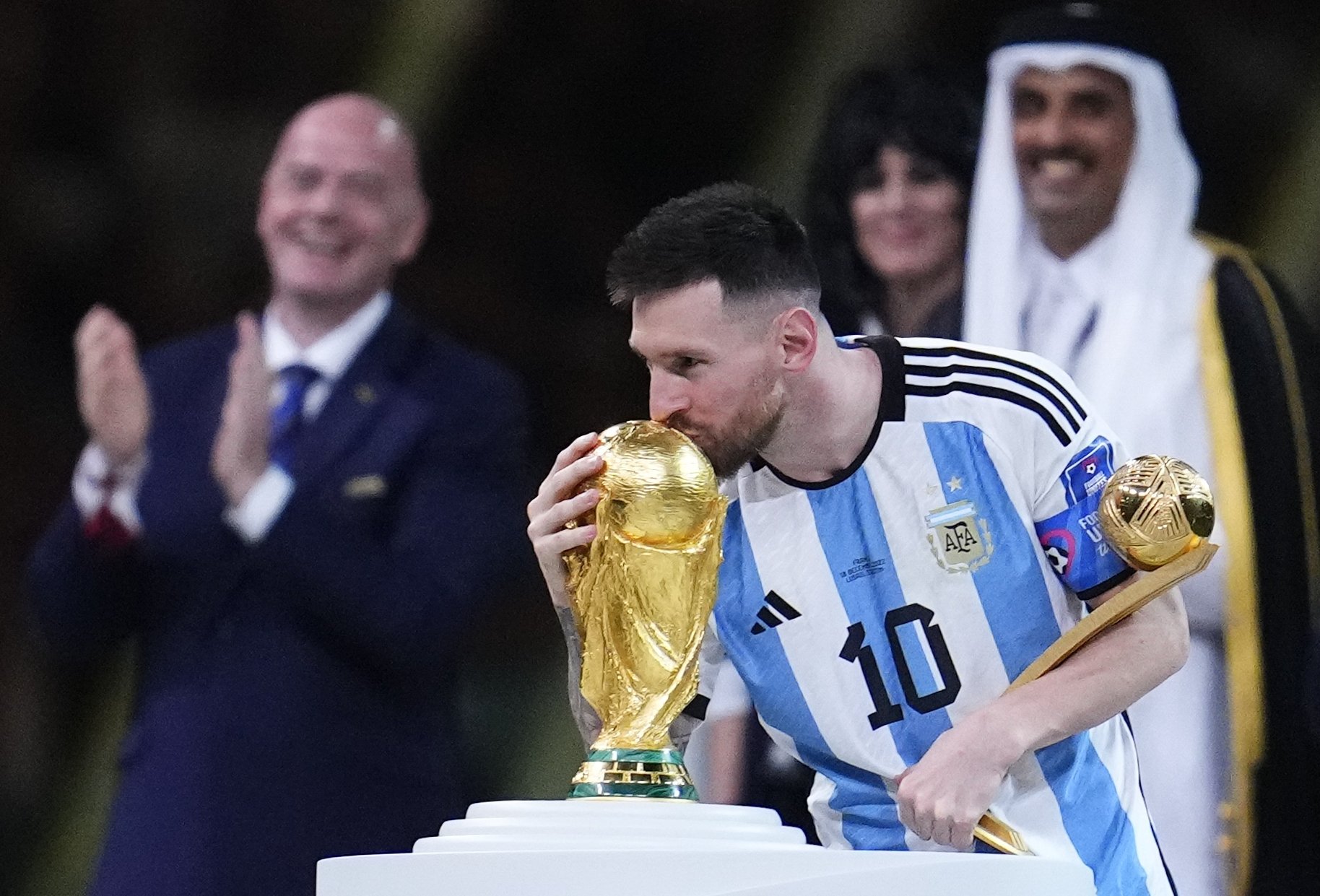
The FIFA World Cup is built on more than trophies and scorelines. It is also a stage where individual excellence is formally recognized, with FIFA’s award system capturing the tour...
BANGKOK — 9 June 2026, Thai telecommunications and technology company Jasmine International Plc (JAS) has reportedly secured the domestic broadcasting rights for the 2026 FIFA World Cup, ending months of negotiations…
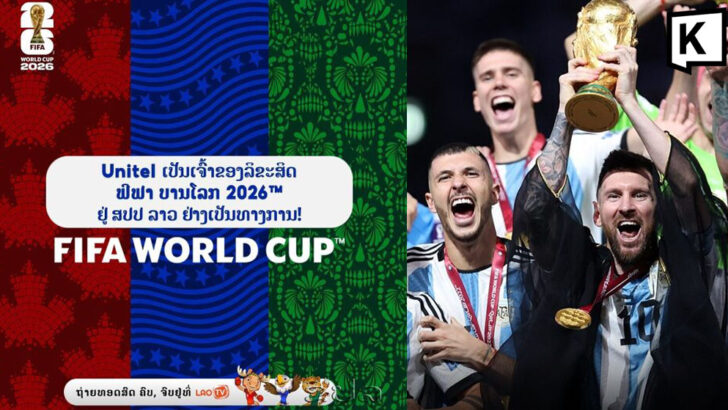
VIENTIANE, Laos — 8 June 2026, the Lao News Agency (KPL) reported that Laos has secured the broadcasting rights for the 2026 FIFA World Cup, allowing viewers across the country to watch all 104 matches free of charge,…
As the World Cup kicks off, sibling rivals from different nations illustrate how migration shapes football’s landscape. Four pairs of brothers are vying for glory.
Japan's Foreign Ministry decided to implement unprecedented safety measures due to anticipated confusion related to the tournament being hosted by multiple countries.
Often, the World Cup meant fighting sleep to watch Team Korea play, staying up late into the night, sometimes into the wee hours. But at the upcoming 2026 World Cup in Canada, Mexico and the United States, South Korea’s…
Coupe du monde 2026 : le guide complet, tout ce que vous devez savoir sur chaque équipe (et plus encore)
Match schedule, players, coaches, nicknames or prize lists... From the essential to the anecdotal, discover everything you need to know about the 48 teams competing for this World Cup in the United States,...
Coupe du monde 2026 : un arbitre somalien écarté après s’être vu refuser l’entrée aux Etats-Unis
Omar Abdulkadir Artan, 34, would have been the first Somali referee to hold the whistle at a World Cup finals. The reasons for the refusal of his visa by the United States are not yet known.
A teachers’ union has threatened demonstrations at Thursday’s (June 11, 2026) opening game between Mexico and South Africa in the capital if the government doesn’t respond to demands for salary raises and pension…
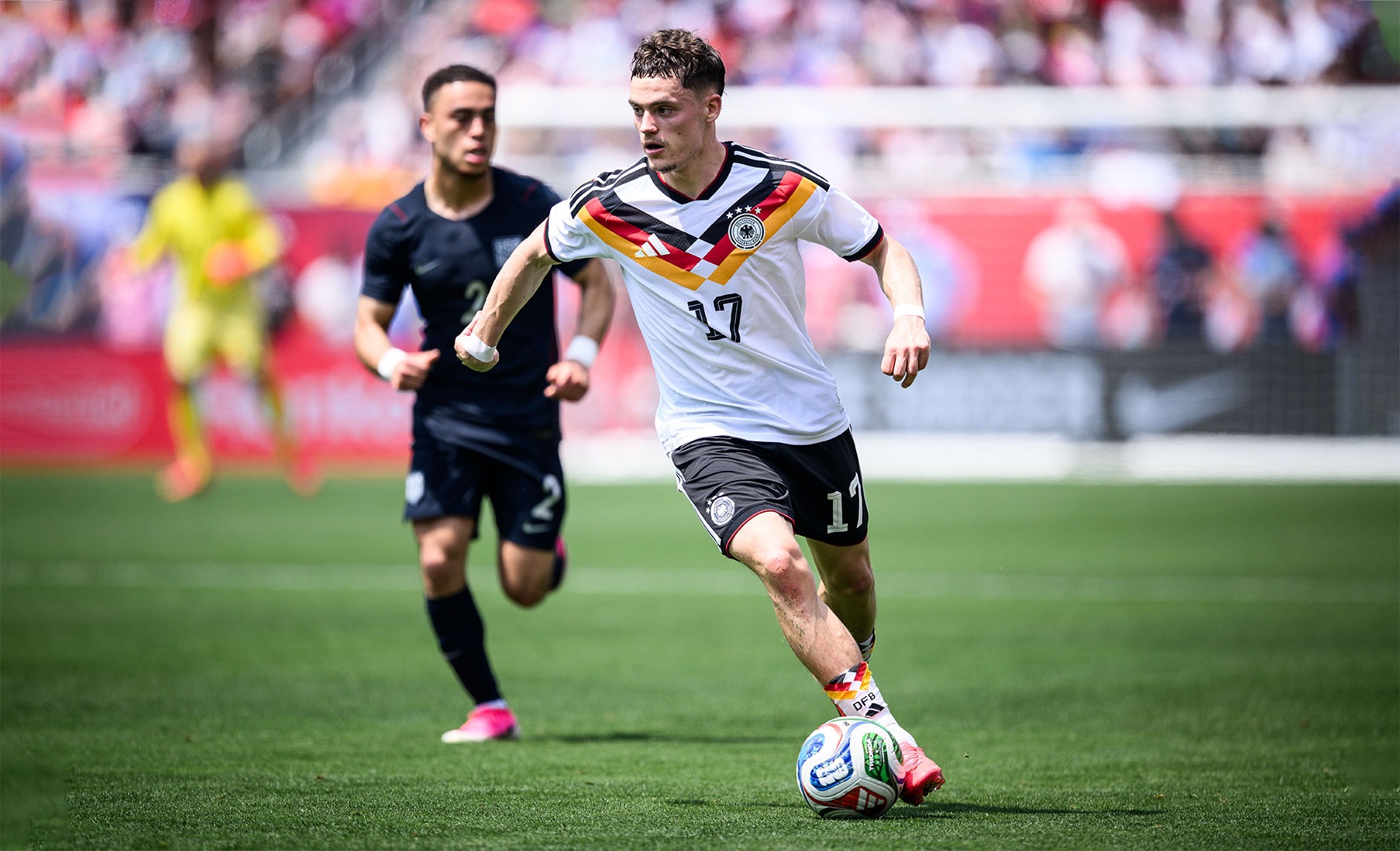
After failing to progress beyond the Group stages at the last two World Cups, Germany have a good chance to set that record straight in what appears to be a comfortable draw for the four-time world champions.
BANGKOK — 9 June 2026, Thai telecommunications and technology company Jasmine International Plc (JAS) has reportedly secured the domestic broadcasting rights for the 2026 FIFA World Cup, ending months of negotiations…
VIENTIANE, Laos — 8 June 2026, the Lao News Agency (KPL) reported that Laos has secured the broadcasting rights for the 2026 FIFA World Cup, allowing viewers across the country to watch all 104 matches free of charge,…
الرنين المغناطيسي يظهر "تطورات جيدة" في حالة نيمار
The Brazilian Football Confederation announced positive developments in the condition of its veteran star, Neymar, after an MRI examination conducted on Monday.
في معسكر "الفراعنة".. صلاح واقعي والشناوي يريد التتويج بالمونديال
The dreams of Egyptian national team goalkeeper Mohamed El-Shenawy exceed all logical expectations before the World Cup, while Mohamed Salah speaks calmly about the journey of the “Pharaohs.” Which starts in a few days.
En Argentine, la ville de Cutral Co mise sur une gigantesque statue de Lionel Messi pour attirer les touristes
In this Patagonian city, the captain of the national football team will reach a height of 26 meters. The municipality, which is seeking a future outside of oil, intends to appear in the Guinness Book of Records and…
Iran's participation has become one of the most complex stories of the tournament.
AI read
What the coverage agrees on, and where it splits
This view is generated from the clustered articles, so it is best read as a map of coverage rather than a replacement for the source reporting.
Broadly agreed
All covering sources confirm the World Cup begins Thursday with widespread controversy over US entry restrictions affecting fans and officials.
Sources across regions confirm that Somali referee Omar Artan was denied US entry and removed from the officiating list.
Contested framing
BBC and Deutsche Welle frame the entry restrictions as politically driven exclusion; Al Jazeera frames them as systemic barriers to global participation; US-aligned CNN coverage focuses on the sporting narrative rather than the restrictions.
Mexican outlets (El Universal, El Tiempo) foreground national pride and government support; Deutsche Welle and BBC focus on the political failures threatening the tournament's legitimacy.
Still unclear
The specific 'vetting concerns' cited by US authorities for denying Artan's entry have not been publicly confirmed or detailed by any source.
Notable omissions
Most Western outlets omit the Southeast Asian broadcasting rights dimension — the scramble by Thailand, Laos, and other nations to secure viewing rights — that Thai and Singapore outlets highlight as a significant regional story.
Quality check
Do not publish without correcting tournament date. Source set appears contaminated with tangential content; refocus on actual pre-tournament controversies only.
CRITICAL: 'Kicks off Thursday' is factually wrong—2026 World Cup does not begin in June 2026; this is a major dating error that invalidates the 'Why it matters' claim
Artan visa denial 'vetting concerns' are unconfirmed; avoid framing as settled fact
Source clustering includes unrelated articles (Dutch player injuries, Cuba politics, weather forecasts) that dilute focus
No Western outlet confirmation of Mexican teacher protests actually 'threatening' the opening ceremony—framing may overstate severity
Review confidence: 45%
Signal strength
3/5Narrative divergence
15Sources compared
1Days in coverage
How each outlet frames this story
Divergence3/5
Narrative Divergence
How differently the sources covering this story frame it — measured by tone, emphasis, and what each outlet chooses to highlight or omit.
1 — Sources frame the story almost identically
2 — Minor differences in tone or emphasis
3 — Noticeable differences; some outlets highlight what others omit
4 — Stark contrasts; conflicting narratives
5 — Sources tell fundamentally different stories
British
BBC focuses on fan anger at US travel bans and visa restrictions making the tournament feel exclusionary, and covers Iran's complex last-minute visa journey to the tournament.
Qatari
Al Jazeera Arabic leads with the entry restrictions for the US as the tournament's foremost problem, and gives detailed follow-up to the Somali referee's exclusion and his response.
German
Deutsche Welle frames what is 'wrong' with the 2026 World Cup as a political and institutional failure — Trump's politics, high costs, and teacher protests in Mexico — taking a broadly critical institutional stance.
Turkish
Daily Sabah foregrounds the exclusion of a Somali referee as an institutional failure of accountability, consistent with its pattern of framing access denial as a human rights and accountability issue.
South African
Daily Maverick covers the Somali referee story as a Reuters wire and also publishes team guides, treating the tournament as a significant editorial focus.
Mexican
El Universal covers Spain's pre-tournament win over Peru in Mexico and President Sheinbaum championing the Mexican national team, foregrounding national pride and civic excitement.
Thai
Khaosod English focuses on Thailand's JAS securing World Cup broadcast rights and Laos also securing rights, reflecting Southeast Asian institutional access to the tournament.
Japanese
Japan Times covers Japan's safety campaign for citizens traveling to the World Cup, framing it as an unprecedented logistics operation, consistent with its infrastructure-consequence lens.
South Korean
Korea Herald foregrounds the brunch-time scheduling advantage for Korean fans — no all-nighters required — treating the tournament as a consumer and lifestyle story.
French
Le Monde publishes a comprehensive tournament guide and covers the Somali referee dismissal, framing it as an institutional exclusion story.
Singaporean
CNA covers Spain's pre-tournament friendly result and England's Spence wearing a protective mask, providing terse facts-first sports reporting.
Emirati
The National ranks World Cup dark horses and profiles young Arab talents who could shine, framing the tournament as a regional opportunity and cultural moment.
Irish
Irish Times covers group-stage guides, the free-to-air broadcasting question for Ireland, and the Cape Verde debut story, reflecting a domestic viewer's perspective on access and cost.
Indian
The Hindu covers Mexico's promise of a peaceful opening despite teacher protests, providing regional context without strong framing.
Copied!
Related coverage
More topic clusters connected by category, source overlap, or narrative signal.