How the world covered it

World Cup 2026 Pre-Tournament Controversies

The 2026 FIFA World Cup kicks off Thursday in a climate of political controversy over US entry restrictions, a Somali referee exclusion, teacher protests threatening the Mexico opening ceremony, and high costs...

Editorial comparison

Al Jazeera, BBC, and Deutsche Welle frame entry restrictions and political failures as threats to tournament legitimacy; CNN emphasises sporting narrative.

Al Jazeera Arabic leads with US entry restrictions as systemic barriers to global participation, contextualising them as problems at "the forefront of the global event." Deutsche Welle similarly frames entry restrictions as politically driven exclusion and emphasises the political failures threatening the tournament's legitimacy. BBC covers both the Somali referee exclusion and Mexican teacher protests as evidence of political dysfunction undermining the event.

Al Jazeera Arabic also contextualises Mexican government pressure by reporting President Ramaphosa's reassurance about the opening ceremony amid protests, treating the crisis as requiring state intervention. CNN's available coverage (based on article titles) does not appear in the cluster, suggesting US-aligned outlets deprioritise the political framing.

How each outlet opened the story

World Cup entry restrictions foreground problems at global event

Deutsche Welle Germany

What is wrong with 2026 World Cup before kickoff

Coverage map

What coverage agrees on, contests, or leaves unclear.

Broadly agreed
  • All covering sources confirm the World Cup begins Thursday with widespread controversy over US entry restrictions affecting fans and officials.
  • Sources across regions confirm that Somali referee Omar Artan was denied US entry and removed from the officiating list.
Contested framing
  • BBC and Deutsche Welle frame the entry restrictions as politically driven exclusion; Al Jazeera frames them as systemic barriers to global participation; US-aligned CNN coverage focuses on the sporting narrative rather than the restrictions.
  • Mexican outlets (El Universal, El Tiempo) foreground national pride and government support; Deutsche Welle and BBC focus on the political failures threatening the tournament's legitimacy.
Still unclear

The specific 'vetting concerns' cited by US authorities for denying Artan's entry have not been publicly confirmed or detailed by any source.

Notable omissions

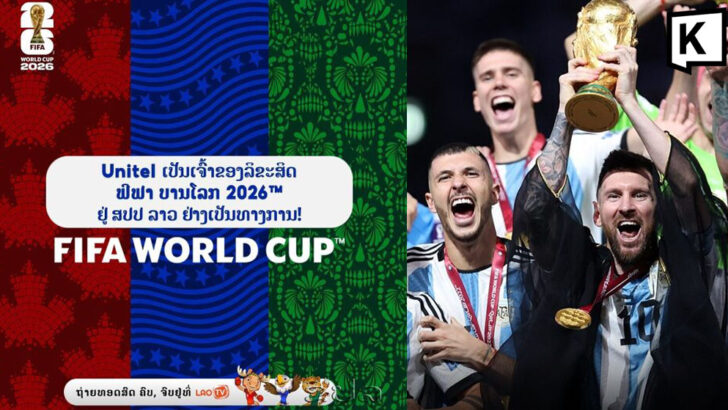
Most Western outlets omit the Southeast Asian broadcasting rights dimension — the scramble by Thailand, Laos, and other nations to secure viewing rights — that Thai and Singapore outlets highlight as a significant regional story.

Regional framing

How different outlets describe the same story.

British

BBC focuses on fan anger at US travel bans and visa restrictions making the tournament feel exclusionary, and covers Iran's complex last-minute visa journey to the tournament.

Qatari

Al Jazeera Arabic leads with the entry restrictions for the US as the tournament's foremost problem, and gives detailed follow-up to the Somali referee's exclusion and his response.

German

Deutsche Welle frames what is 'wrong' with the 2026 World Cup as a political and institutional failure — Trump's politics, high costs, and teacher protests in Mexico — taking a broadly critical institutional stance.

Turkish

Daily Sabah foregrounds the exclusion of a Somali referee as an institutional failure of accountability, consistent with its pattern of framing access denial as a human rights and accountability issue.

South African

Daily Maverick covers the Somali referee story as a Reuters wire and also publishes team guides, treating the tournament as a significant editorial focus.

Mexican

El Universal covers Spain's pre-tournament win over Peru in Mexico and President Sheinbaum championing the Mexican national team, foregrounding national pride and civic excitement.

Thai

Khaosod English focuses on Thailand's JAS securing World Cup broadcast rights and Laos also securing rights, reflecting Southeast Asian institutional access to the tournament.

Japanese

Japan Times covers Japan's safety campaign for citizens traveling to the World Cup, framing it as an unprecedented logistics operation, consistent with its infrastructure-consequence lens.

South Korean

Korea Herald foregrounds the brunch-time scheduling advantage for Korean fans — no all-nighters required — treating the tournament as a consumer and lifestyle story.

French

Le Monde publishes a comprehensive tournament guide and covers the Somali referee dismissal, framing it as an institutional exclusion story.

Singaporean

CNA covers Spain's pre-tournament friendly result and England's Spence wearing a protective mask, providing terse facts-first sports reporting.

Emirati

The National ranks World Cup dark horses and profiles young Arab talents who could shine, framing the tournament as a regional opportunity and cultural moment.

Irish

Irish Times covers group-stage guides, the free-to-air broadcasting question for Ireland, and the Cape Verde debut story, reflecting a domestic viewer's perspective on access and cost.

Indian

The Hindu covers Mexico's promise of a peaceful opening despite teacher protests, providing regional context without strong framing.

Source trail

Original reporting behind this perspective.

This page maps the coverage. The 45 articles below are the original reports the comparison is drawn from — open them for each publisher's full reporting.

Show 45 source articles

What is wrong with the 2026 World Cup

The 2026 World Cup has come under fire even before kickoff. Criticism is mounting over US President Donald Trump’s politics, high ticket prices, the expansion to 48 teams as well as its environmental impact.

Perspective link copied