French
Le Monde portrays Infantino slaloming between controversies — visa denials, ticket prices, Iran war backdrop — on the eve of the opening match.
Italian
La Repubblica frames the tournament as the 'Infantrump World Cup,' depicting Infantino and Trump as a geopolitical two-headed monster fusing FIFA and US power.
Qatari
Al Jazeera Arabic saturates coverage with entertainment content — stadium capacities, musical programming, footballer profiles — subordinating political controversy to spectacle.
Irish
Irish Times covers teachers' strikes in Mexico City revealing the chasm between workers' wages and premium ticket prices, and questions whether FIFA has overplayed its commercial hand.
Mexican
El Universal covers Mexico City government publishing criteria for commercial screens on public roads, gala dinners at Chapultepec, and World Cup infrastructure — civic and institutional framing.
Brazilian
Folha de S.Paulo reports World Cup could be an own goal for US hotel sector and covers simultaneous protests by activists in Mexico on opening day, linking sport to social crisis.
South African
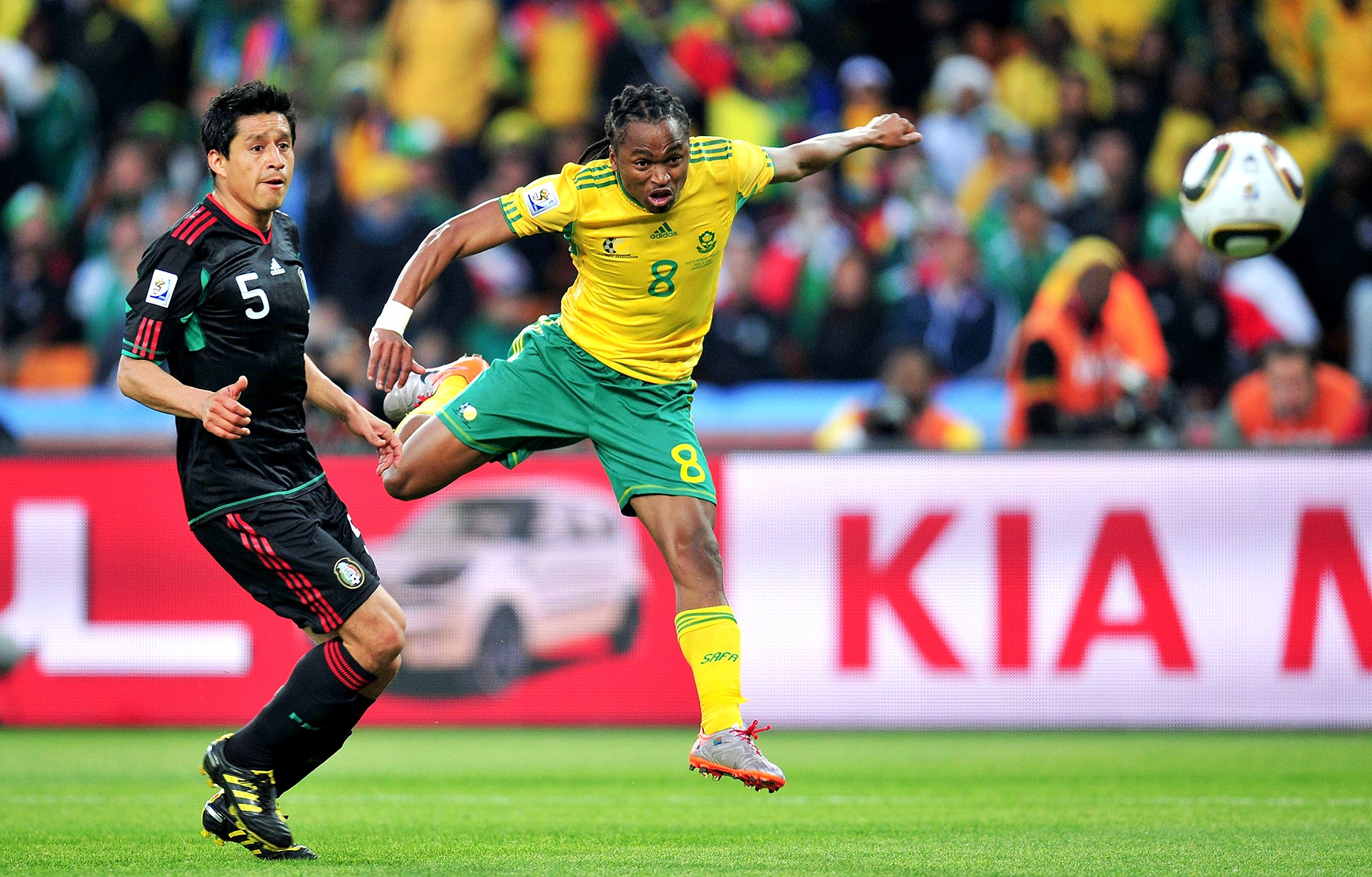
Daily Maverick's coverage centers on Bafana Bafana's opening match against Mexico as a nostalgia-fuelled occasion, while noting tournament controversies.
Kenyan
Daily Nation focuses on logistical realities for African fans — waking at 4am to watch matches — and the record number of African referees participating.
Singaporean
CNA and Straits Times cover Changi Airport football fever activation and South Korean vessel transit of Hormuz as a parallel to World Cup-era disruptions.
Japanese
Japan Times and Yahoo Japan focus on World Cup vocabulary guides and language as soft power, treating the tournament as a cultural rather than political event.
Emirati
The National celebrates Arab team ambitions and UAE-based players aiming to make their mark, framing the tournament through regional pride.
Australian
ABC Australia covers Socceroos injury concerns and publishes kick-off time guides — hyperlocal fan-service framing without policy interrogation.
Israeli
Times of Israel highlights the Somali referee denied US entry arriving to a hero's welcome in Mogadishu — a visa controversy emblematic of US immigration policy.
Indian
The Hindu frames the World Cup through the lens of the ongoing US-Iran war, arguing the US is giving FIFA's 'inclusive' tournament a bad name with travel bans and immigration crackdowns.