Tehran says the US strikes hit bridges, while the US boards a ship in the Strait of Hormuz.
30 articles from 14 sources
01

02
Iran said it launched fresh attacks on US facilities in the Gulf on Friday after a sixth consecutive night of US strikes on Iranian military facilities, as last month’s truce descended into daily attacks and…
03
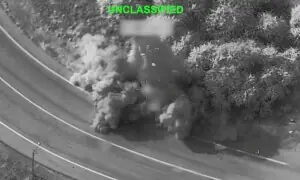
The US launched a sixth night of strikes on Iran. Tehran has reportedly told Yemen's Houthis to be ready to disrupt Red Sea shipping if Iranian power infrastructure is targeted.
04
US Central Command said that a new wave of strikes was launched on Iran. It follows retaliatory strikes from Iran on sites in Jordan and Gulf states.
05
The United States hit Iran on Friday, with Tehran accusing US forces of striking civilian sites and drawing Iranian threats of reprisals on regional infrastructure. A battle over the strategic Strait of Hormuz has…

06
President Donald Trump has ramped up US air strikes on Iran and threatened broader escalation, but there is little sign that a military strategy that has already failed to extract concessions from Tehran will succeed…

07
It fired missiles and drones at American military bases in Jordan, Bahrain and Kuwait.
08
Tehran claimed it deployed drones in Kuwait in retaliation for attacks on Iranian infrastructure.
09
The US military said in February it completed a withdrawal from the al-Tanf base.
10
WASHINGTON, July 16 - The U.S. military said late on Thursday it completed its latest wave of strikes on Iran that were carried out at President Donald Trump's direction and marked a sixth consecutive night of American…
11
July 17 - Qatar's defence ministry said its armed forces thwarted an Iranian missile attack early on Friday, while the interior ministry said a child has been injured by shrapnel resulting from interception operations.
12
US says its strikes hit dozens of Iranian military targets near Bandar Abbas and on Qeshm Island


16
Iran said on Friday, July 17, that it had targeted U.S. military infrastructure in Kuwait in response to American attacks on the Islamic republic
17
For the first time in this latest round of violence, strikes also reached into areas around Iran's capital, Tehran, showing a widening set of targets for the Americans

18
Iran retaliates with missile and drone attacks on Bahrain, Jordan and Kuwait, authorities in those countries home to U.S. forces said

19
The latest threat to global shipping comes after the U.S. military said it began a fresh round of strikes “to continue degrading Iranian capabilities used to attack commercial shipping in the Strait of Hormuz”

20
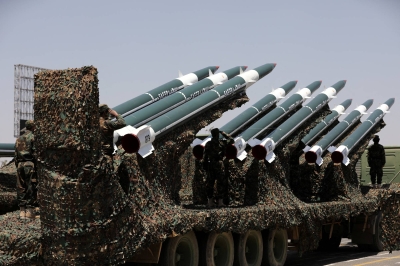
A source close to the Houthis said the group had completed preparations to attack shipping by deploying missiles and drones near Bab el-Mandeb strait, the gateway to the Red Sea, in Yemen’s highlands overlooking…

21
At the heart of the fighting is the Strait of Hormuz, a waterway crucial to global oil and gas flows
22
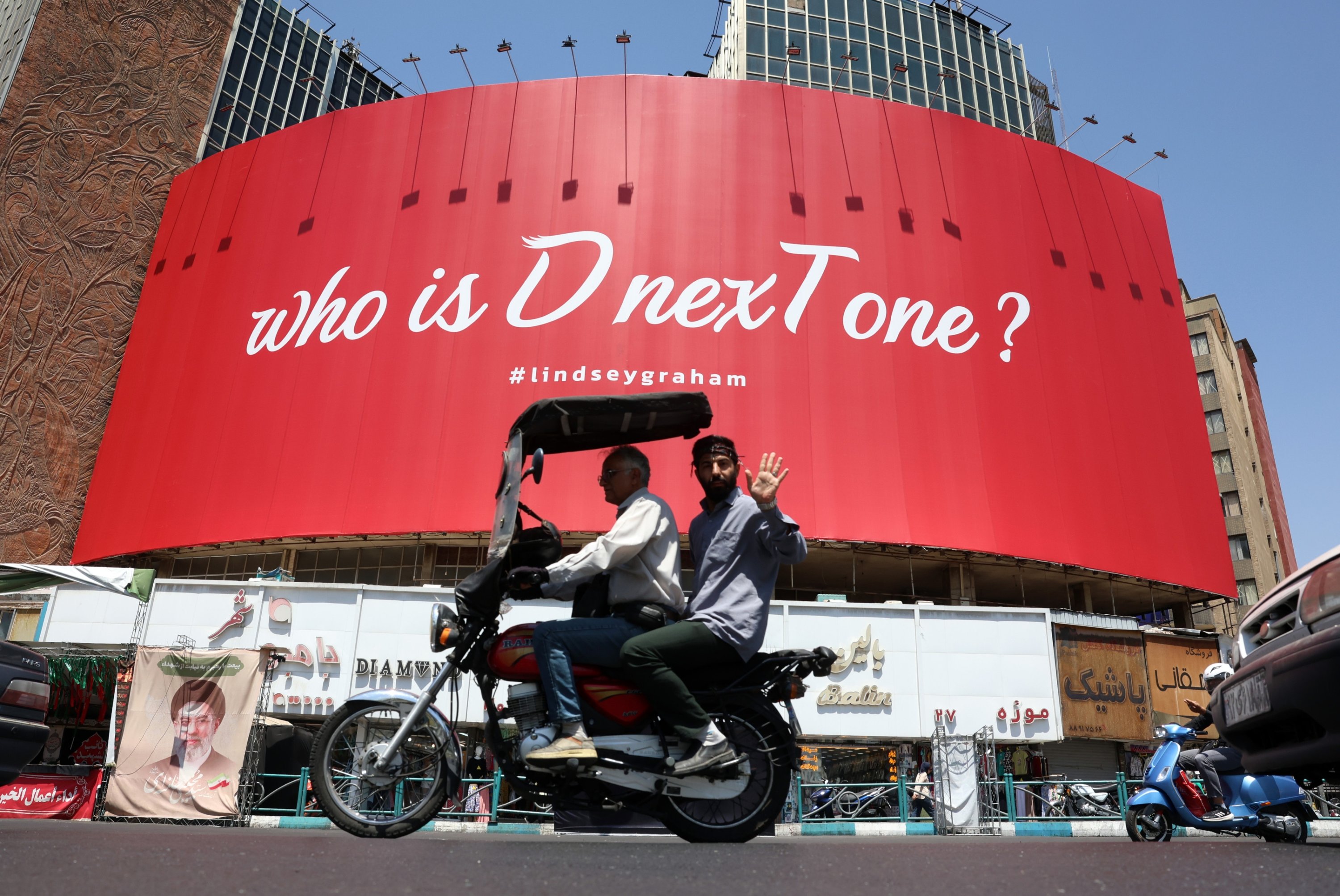
The U.S. and Iran traded heavier strikes Thursday as a weeklong escalation threatened to unravel last month's truce, though Tehran's release of a U.S.
23
The US and Iran continue to be in an acrimonious dispute over the recently signed memorandum of understanding, with both countries resuming strikes. We answer your questions.

24
Иордания заявила о перехвате трех запущенных Ираном ракет
No casualties
25
The United States expanded its air strike campaign against Iran early Friday by hitting more bridges and apparently collapsing a tower at a key Iranian port.
26
US says its strikes hit dozens of Iranian military targets near Bandar Abbas and on Qeshm Island
27
Any threat to the Red Sea and its Bab al-Mandab gateway risks exacerbating the global energy crisis and underscores the explosive risks stemming from a new round of warfare.
28
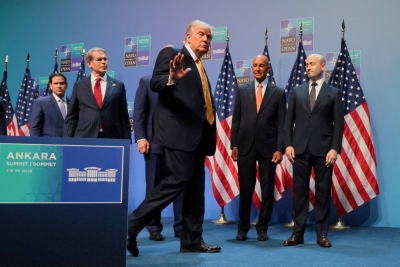
While the U.S. and Iran have so far avoided a return to full-scale conflict, increasingly ominous developments have dimmed hopes of finding an off-ramp anytime soon.
29
عندما يتغير الهدف.. لماذا أصبح مضيق هرمز مركز ثقل الصراع؟
The Iranian leadership has repeatedly proven that it does not work as a unified front that follows an integrated strategy. Although both Tehran and Washington face internal disagreements and divisions, the influential difference in this conflict lies in the commitment to implementation.
30
هل يورط ترمب أمريكا في "حرب أبدية" مع إيران؟
American reports warn of Trump's war on Iran turning into an “eternal war,” with military strikes failing to achieve their goals, and the Strait of Hormuz crisis continuing, while Tehran is betting on exhausting Washington and prolonging the conflict.
AI read
What the coverage agrees on, and where it splits
This view is generated from the clustered articles, so it is best read as a map of coverage rather than a replacement for the source reporting.
Signal strength
0/5
Narrative divergence
14
Sources compared
8
Days in coverage
↘ converging