A series of strikes over the weekend saw the US and Iran accuse each other of violating the ceasefire agreement.
How the world covered this
Read the editorial comparison
Prose synthesis of how each outlet framed the story, with side-by-side outlet quotes and divergence notes.
21 articles from 13 sources
01

02
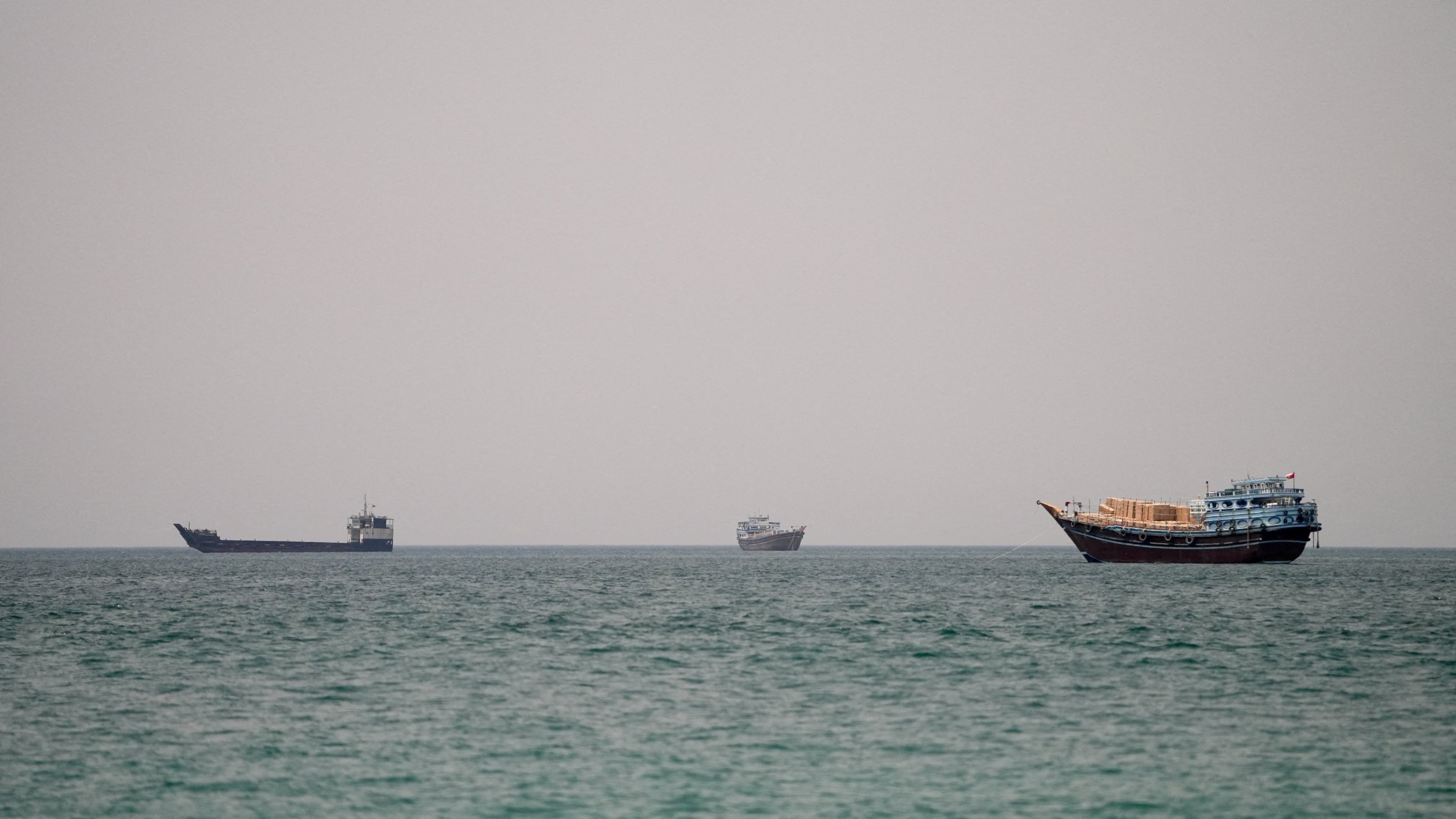
Iran said Monday that only its forces would be responsible for clearing mines from the Strait of Hormuz under the Islamabad memorandum of understanding with the United States, with...
03
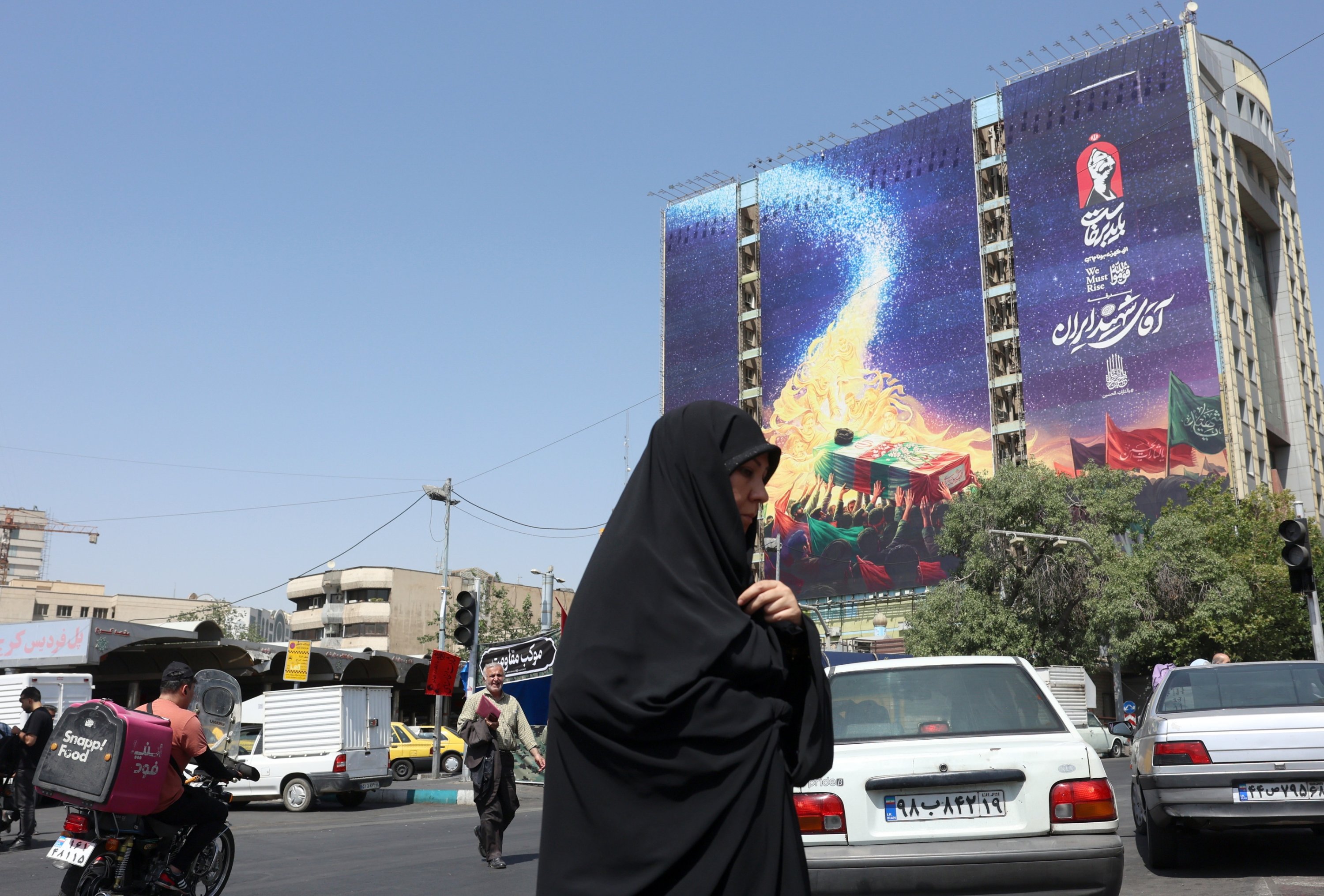
Iranian and U.S. technical teams are expected to meet in Doha in the coming days to discuss the implementation of an interim peace agreement, a source told Reuters on Monday, as bo...
04
De-mining of Strait of Hormuz to be carried out only by Iran, Tehran says The Times of Israel

06
Axios: Уиткофф обсудит с премьером Катара соглашение по ядерной программе Ирана
The negotiations will take place as part of the announced consultations between representatives of Washington and Tehran in Doha
07
Pakistan, also a key mediator, had said talks between Iran and the U.S. would resume Tuesday (June 30)
08
The U.S. President has tried to preserve an increasingly fragile interim deal as hostilities have mounted in the Strait of Hormuz in recent days

09
Masoud Pezeshkian’s mention of the funds appear aimed at selling the Iranian public on the interim deal

10
A US official said both the US and Iran have agreed to pause their attacks and allow vessels to move through the Strait of Hormuz. Technical talks between both sides are still to resume.
11
Iranian and U.S. technical teams are expected to meet in Doha in the coming days to discuss the implementation of an interim peace agreement, a source told Reuters on Monday, as bo...
12
Estados Unidos envía negociadores a Catar para continuar conversaciones de paz con Irán, pero Teherán niega cualquier encuentro
The American portal Axios had reported on Sunday night that Washington and Tehran agreed to stop the bombings.

13
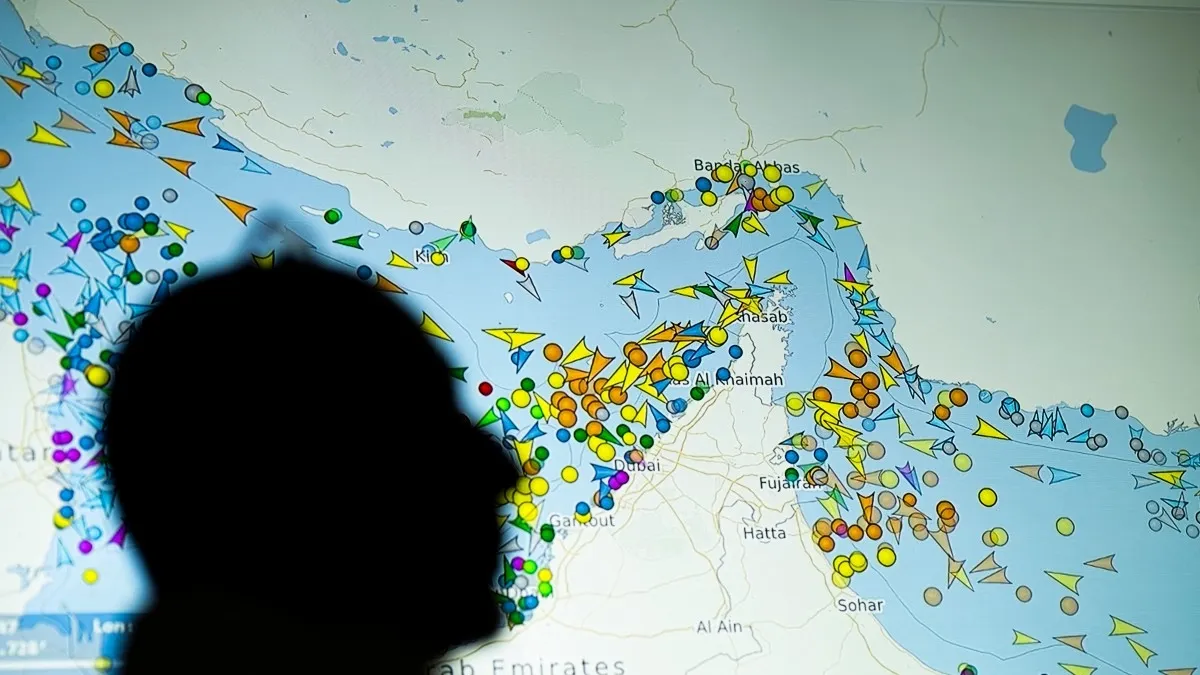
Las negociaciones alrededor del estrecho de Ormuz entre Irán y Omán
This Monday, representatives of both countries held the first meeting on the subject.
14
Estados Unidos anuncia suspensión mutua de ataques con Irán y continuación de diálogos
Both sides have accused each other of violating the ceasefire amid renewed tensions following the signing of the memorandum on June 17.

15
米・イランが攻撃停止で合意 報道
16
米軍 イランの複数標的を空爆
17
18
Households will also pay 7.1 per cent more for town gas in the third quarter of 2026.

19
Two recent Middle East deals, one in Iran and the other in Lebanon, seem at odds with each other, and show how the Trump administration is running different approaches depending on who it is talking to at any given…
20
"It is our wish that the present search for peace ends this war now, and brings an abiding conclusion to the negotiations." The post EDITORIAL: US-Iran war: For global peace, let this rapprochement be appeared first on…
21
L’analista Bianco: “Per l’Europa è l’ultima occasione di salvare la libertà a Hormuz”
The expert from the European Council on Foreign Relations: "Oman's game? It claims to be the only one capable of bringing Tehran to reasonable positions"
AI read
What the coverage agrees on, and where it splits
This view is generated from the clustered articles, so it is best read as a map of coverage rather than a replacement for the source reporting.
Broadly agreed
- All covering sources confirm that both the US and Iran agreed to a pause in strikes as of June 29, though the durability of this agreement is in dispute.
- Multiple sources confirm Iran has asserted exclusive sovereignty over Strait of Hormuz de-mining, which the US and European allies have not publicly accepted.
- Sources agree that US envoy Witkoff was heading to Doha for talks, while Iran denied any scheduled meeting was confirmed.
Contested framing
- TASS frames the Doha negotiations as a normal diplomatic process; BBC and Deutsche Welle emphasise the credibility gap created by contradictory official statements from both sides.
- The Hindu frames the $6 billion asset release as Iran's domestic political strategy; Times of Israel and The National frame Iranian statements primarily as sovereignty assertions over Hormuz.
- El Tiempo and Colombian framing positions the US as the party with primary institutional decision-making accountability; Israeli and Emirati outlets focus on Iranian intransigence over Hormuz control.
Still unclear
Whether formal US-Iran talks are actually scheduled in Doha and on what terms they would proceed remains publicly unconfirmed, with directly contradictory statements from Washington and Tehran.
Notable omissions
People's Daily carries no coverage of the US-Iran conflict or Hormuz standoff; Chinese state media's silence on a crisis affecting global energy supply chains — including China's own — represents a notable editorial omission.
Quality check
Core facts on ceasefire and negotiations are genuinely contradictory between US and Iran; treat as ongoing credibility gap.
- Ceasefire durability explicitly disputed in consensus—avoid presenting as stable
- Doha talks status contradicted by Washington and Tehran directly; no confirmation of scheduled meetings
- Strait of Hormuz de-mining sovereignty claim is asserted by Iran but not 'accepted' by US/allies per summaries—frame as contested
- Singapore electricity tariff claim ('17%') appears only in 'Why it Matters' without source article; verify independently before featuring
Review confidence: 65%
Signal strength
5/5
Narrative divergence
13
Sources compared
2
Days in coverage
↗ fracturing
How each outlet frames this story
Divergence
5/5
Narrative Divergence
How differently the sources covering this story frame it — measured by tone, emphasis, and what each outlet chooses to highlight or omit.
1 — Sources frame the story almost identically
2 — Minor differences in tone or emphasis
3 — Noticeable differences; some outlets highlight what others omit
4 — Stark contrasts; conflicting narratives
5 — Sources tell fundamentally different stories
British
BBC documents the 'stand down' agreement after mutual strikes, carefully distinguishing US and Iranian claims about ceasefire violations and emphasising institutional credibility gaps.
Israeli
Times of Israel reports Iran's insistence that only it can clear Hormuz mines, framing this as a sovereignty assertion that complicates international shipping access.
Emirati
The National reports contradictory signals — Trump says Doha talks are scheduled, Iran denies any meeting — framing it through Gulf regional autonomy and energy security concerns.
Russian
TASS reports that Witkoff will discuss the Iran nuclear deal with the Qatari PM, presenting the talks as a legitimate diplomatic process without framing Iran as a destabilising actor.
Indian
The Hindu covers Iran's announcement of the $6 billion frozen asset release from Qatar, framing it as a domestic political move by Pezeshkian to sell the interim deal to Iranian citizens.
German
Deutsche Welle reports contradictory US and Iranian accounts of the pause in attacks and the Hormuz situation, using institutional sustainability framing rather than military capability analysis.
Colombian
El Tiempo reports the Iran-Oman Strait of Hormuz negotiations and the US sending envoys to Qatar while Tehran denies any meeting, positioning US institutional decision-making as the key accountability issue.
Turkish
Daily Sabah covers Iran's position on Hormuz de-mining as an institutional decision-making interrogation, with energy security framed as a Turkish strategic concern.
Japanese
Yahoo Japan reports the earlier US-Iran agreement to halt attacks and Iran's denunciation of US strikes, treating the conflict primarily as a disruption to regional energy supply chains.
Singaporean
CNA reports a 17% electricity tariff rise directly linked to higher fuel costs from the Middle East conflict, translating geopolitical tension into concrete supply-chain and consumer costs.
Australian
ABC Australia frames two recent Middle East deals — Iran and Lebanon — as contradictory, illustrating how Trump's dealmaker approach produces incoherent on-the-ground outcomes.
Nigerian
Premium Times editorial calls for the rapprochement to hold, framing the US-Iran de-escalation as a global peace imperative rather than a US or Iranian domestic issue.
Italian
La Repubblica reports the mystery over Doha talks, quoting European Council on Foreign Relations analyst positioning Oman as the only credible mediator and framing this as Europe's last chance to preserve Hormuz freedom.
Framing shifts since last cycle
Colombian
Shifted from Trump's domestic political vulnerability as lens to US institutional accountability in Qatar envoy negotiations, narrowing focus from broader political costs to specific diplomatic process credibility.
Emirati
Moved from UAE as successful diplomatic mediator to framing through contradictory signals and Gulf autonomy concerns, reflecting reduced confidence in negotiation sustainability.
Indian
Pivoted from West Asian strategic autonomy framing to domestic Iranian politics, treating the deal as Pezeshkian's domestic legitimacy tool rather than regional power-balancing.
Japanese
Shifted from opportunity analysis (Russia-China pipeline gains) to energy supply disruption focus, de-emphasizing geopolitical repositioning for immediate market stability concerns.
Turkish
Moved from Erdoğan's global economic stewardship positioning to institutional decision-making scrutiny on Hormuz, reframing Türkiye's role from stabilizer to stakeholder questioning process legitimacy.