US says it has agreed to 'stand down' after exchange of strikes with Iran
A series of strikes over the weekend saw the US and Iran accuse each other of violating the ceasefire agreement.

The fragile US-Iran ceasefire and dispute over who controls Strait of Hormuz de-mining have direct consequences for global energy supply, with Singapore already announcing a 17% electricity tariff rise linked...
BBC News leads with the core contradiction: the US claims to have 'stood down' after weekend strikes, but both sides accuse each other of violating the ceasefire. Deutsche Welle reports on Iranian statements that only Iran can clear Hormuz mines and on US-Iran de-escalation channels being established in Doha, without resolving which side's account is credible. The National captures the diplomatic impasse directly: Trump says talks are taking place, but Iran insists no meeting is scheduled.
TASS frames the Doha negotiations as routine diplomatic consultations without emphasising the underlying disagreement. Daily Sabah reports both the Iranian de-mining claim and the establishment of technical teams in neutral language. Times of Israel and The Hindu both cover Iran's Hormuz control assertion, with Times of Israel framing it as a sovereignty position and The Hindu contextualising it within broader disagreement over next steps. No outlet resolves the factual dispute about whether talks are actually scheduled.
US says it has agreed to stand down
Iran says only it can clear Hormuz mines
De-mining carried out only by Iran
Trump says talks taking place, Iran denies
Witkoff to discuss Iran nuclear deal
US and Iran pause strikes but disagree
Whether formal US-Iran talks are actually scheduled in Doha and on what terms they would proceed remains publicly unconfirmed, with directly contradictory statements from Washington and Tehran.
People's Daily carries no coverage of the US-Iran conflict or Hormuz standoff; Chinese state media's silence on a crisis affecting global energy supply chains — including China's own — represents a notable editorial omission.
BBC documents the 'stand down' agreement after mutual strikes, carefully distinguishing US and Iranian claims about ceasefire violations and emphasising institutional credibility gaps.
Times of Israel reports Iran's insistence that only it can clear Hormuz mines, framing this as a sovereignty assertion that complicates international shipping access.
The National reports contradictory signals — Trump says Doha talks are scheduled, Iran denies any meeting — framing it through Gulf regional autonomy and energy security concerns.
TASS reports that Witkoff will discuss the Iran nuclear deal with the Qatari PM, presenting the talks as a legitimate diplomatic process without framing Iran as a destabilising actor.
The Hindu covers Iran's announcement of the $6 billion frozen asset release from Qatar, framing it as a domestic political move by Pezeshkian to sell the interim deal to Iranian citizens.
Deutsche Welle reports contradictory US and Iranian accounts of the pause in attacks and the Hormuz situation, using institutional sustainability framing rather than military capability analysis.
El Tiempo reports the Iran-Oman Strait of Hormuz negotiations and the US sending envoys to Qatar while Tehran denies any meeting, positioning US institutional decision-making as the key accountability issue.
Daily Sabah covers Iran's position on Hormuz de-mining as an institutional decision-making interrogation, with energy security framed as a Turkish strategic concern.
Yahoo Japan reports the earlier US-Iran agreement to halt attacks and Iran's denunciation of US strikes, treating the conflict primarily as a disruption to regional energy supply chains.
CNA reports a 17% electricity tariff rise directly linked to higher fuel costs from the Middle East conflict, translating geopolitical tension into concrete supply-chain and consumer costs.
ABC Australia frames two recent Middle East deals — Iran and Lebanon — as contradictory, illustrating how Trump's dealmaker approach produces incoherent on-the-ground outcomes.
Premium Times editorial calls for the rapprochement to hold, framing the US-Iran de-escalation as a global peace imperative rather than a US or Iranian domestic issue.
La Repubblica reports the mystery over Doha talks, quoting European Council on Foreign Relations analyst positioning Oman as the only credible mediator and framing this as Europe's last chance to preserve Hormuz freedom.
This page maps the coverage. The 21 articles below are the original reports the comparison is drawn from — open them for each publisher's full reporting.
A series of strikes over the weekend saw the US and Iran accuse each other of violating the ceasefire agreement.
Iran said Monday that only its forces would be responsible for clearing mines from the Strait of Hormuz under the Islamabad memorandum of understanding with the United States, with...
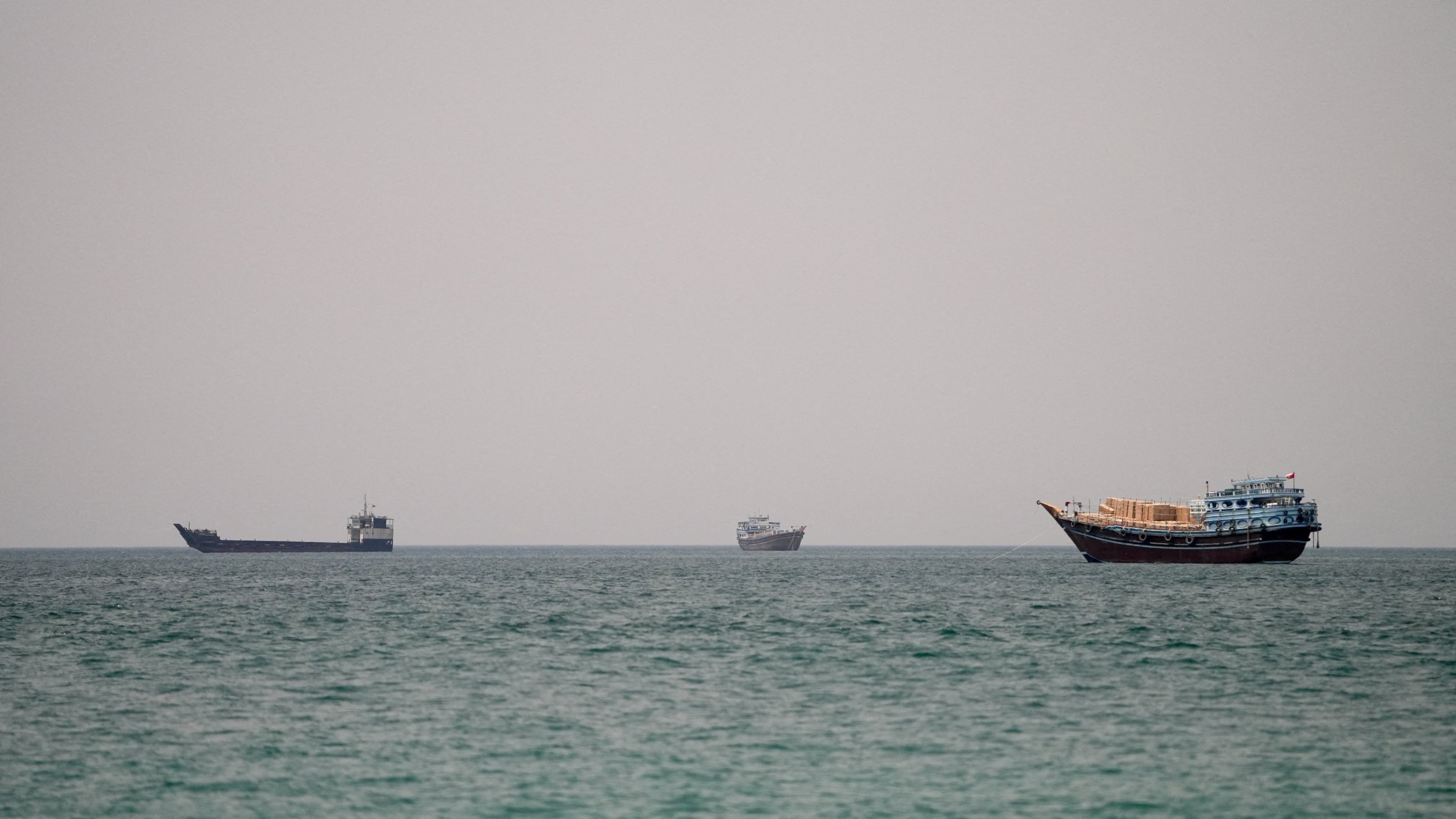
Iranian and U.S. technical teams are expected to meet in Doha in the coming days to discuss the implementation of an interim peace agreement, a source told Reuters on Monday, as bo...
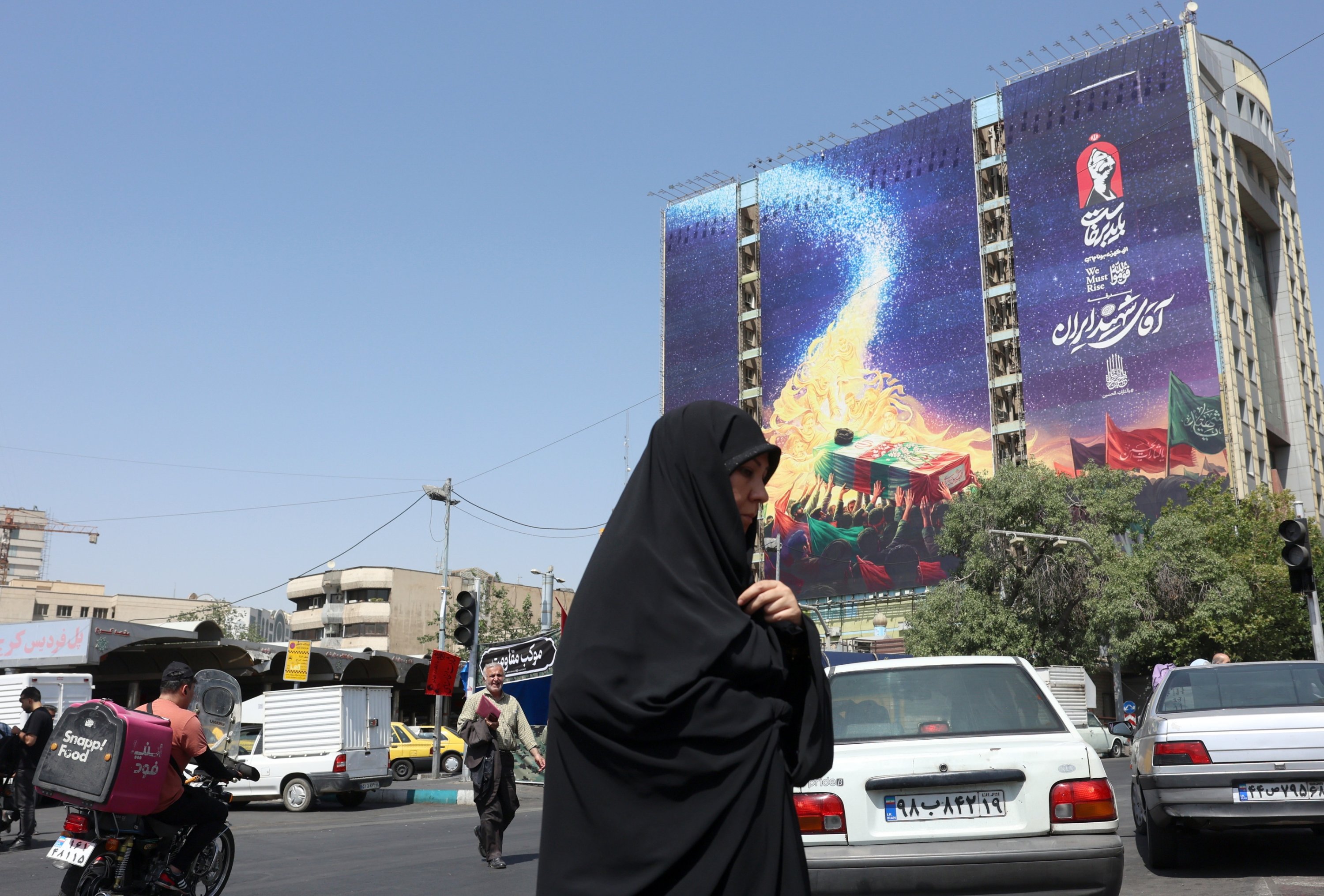
De-mining of Strait of Hormuz to be carried out only by Iran, Tehran says The Times of Israel

The negotiations will take place as part of the announced consultations between representatives of Washington and Tehran in Doha
Pakistan, also a key mediator, had said talks between Iran and the U.S. would resume Tuesday (June 30)
The U.S. President has tried to preserve an increasingly fragile interim deal as hostilities have mounted in the Strait of Hormuz in recent days

Masoud Pezeshkian’s mention of the funds appear aimed at selling the Iranian public on the interim deal

A US official said both the US and Iran have agreed to pause their attacks and allow vessels to move through the Strait of Hormuz. Technical talks between both sides are still to resume.
Iranian and U.S. technical teams are expected to meet in Doha in the coming days to discuss the implementation of an interim peace agreement, a source told Reuters on Monday, as bo...
The American portal Axios had reported on Sunday night that Washington and Tehran agreed to stop the bombings.

This Monday, representatives of both countries held the first meeting on the subject.
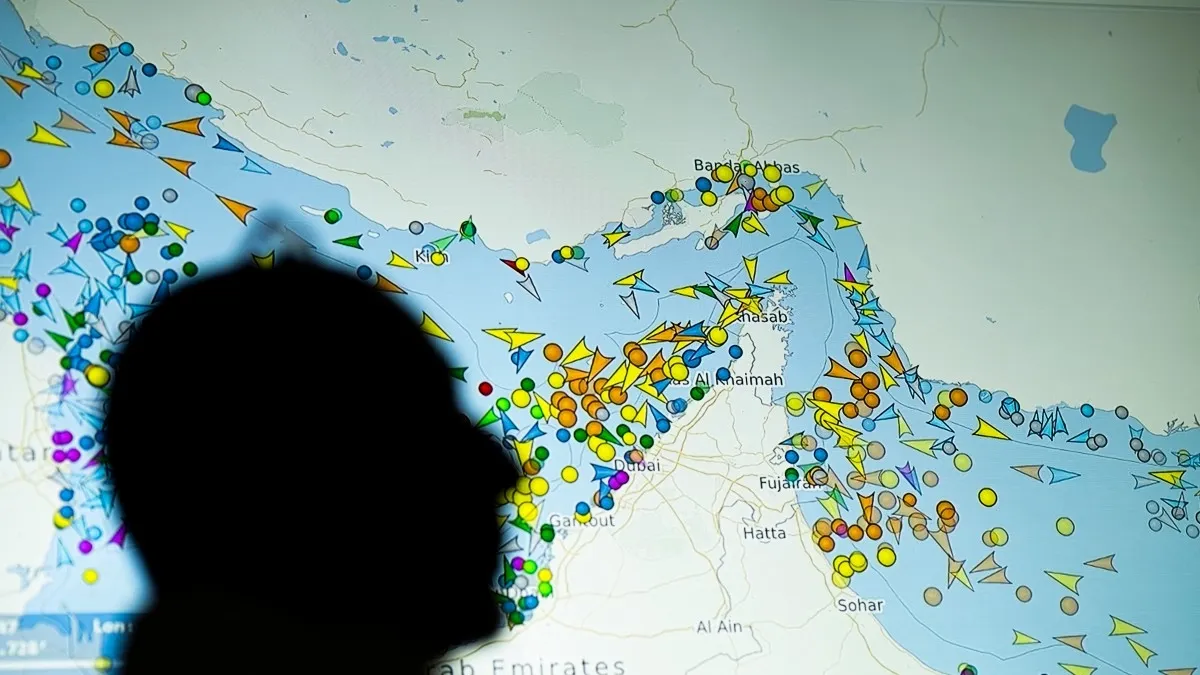
Both sides have accused each other of violating the ceasefire amid renewed tensions following the signing of the memorandum on June 17.

Households will also pay 7.1 per cent more for town gas in the third quarter of 2026.

Two recent Middle East deals, one in Iran and the other in Lebanon, seem at odds with each other, and show how the Trump administration is running different approaches depending on who it is talking to at any given…
"It is our wish that the present search for peace ends this war now, and brings an abiding conclusion to the negotiations." The post EDITORIAL: US-Iran war: For global peace, let this rapprochement be appeared first on…
The expert from the European Council on Foreign Relations: "Oman's game? It claims to be the only one capable of bringing Tehran to reasonable positions"