A series of strikes over the weekend saw the US and Iran accuse each other of violating the ceasefire agreement.
How the world covered this
Read the editorial comparison
Prose synthesis of how each outlet framed the story, with side-by-side outlet quotes and divergence notes.
23 articles from 13 sources
01

02
Pakistan, also a key mediator, had said talks between Iran and the U.S. would resume Tuesday (June 30)
03
The U.S. President has tried to preserve an increasingly fragile interim deal as hostilities have mounted in the Strait of Hormuz in recent days

04
Masoud Pezeshkian’s mention of the funds appear aimed at selling the Iranian public on the interim deal

05
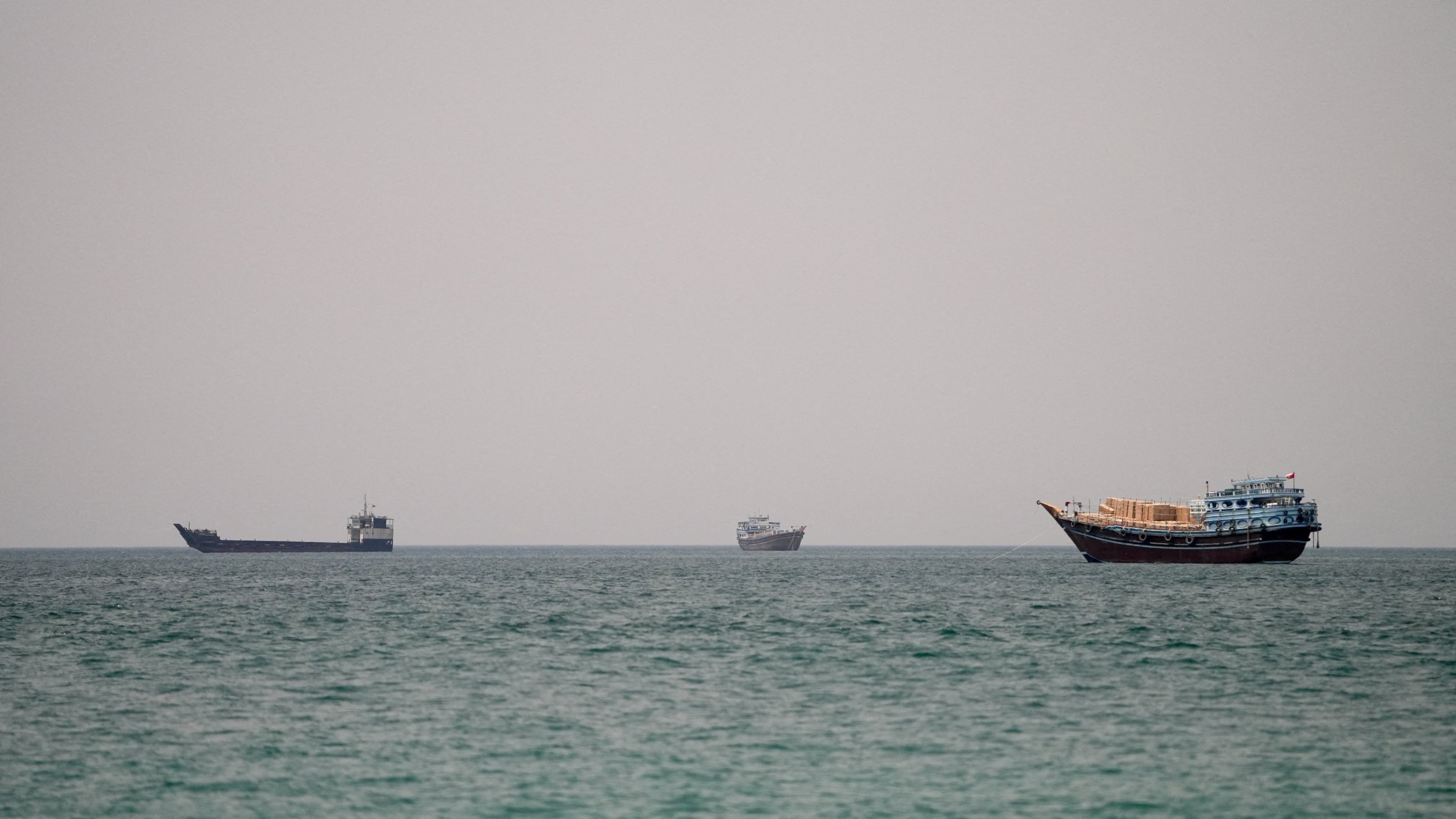
Iran said Monday that only its forces would be responsible for clearing mines from the Strait of Hormuz under the Islamabad memorandum of understanding with the United States, with...
06
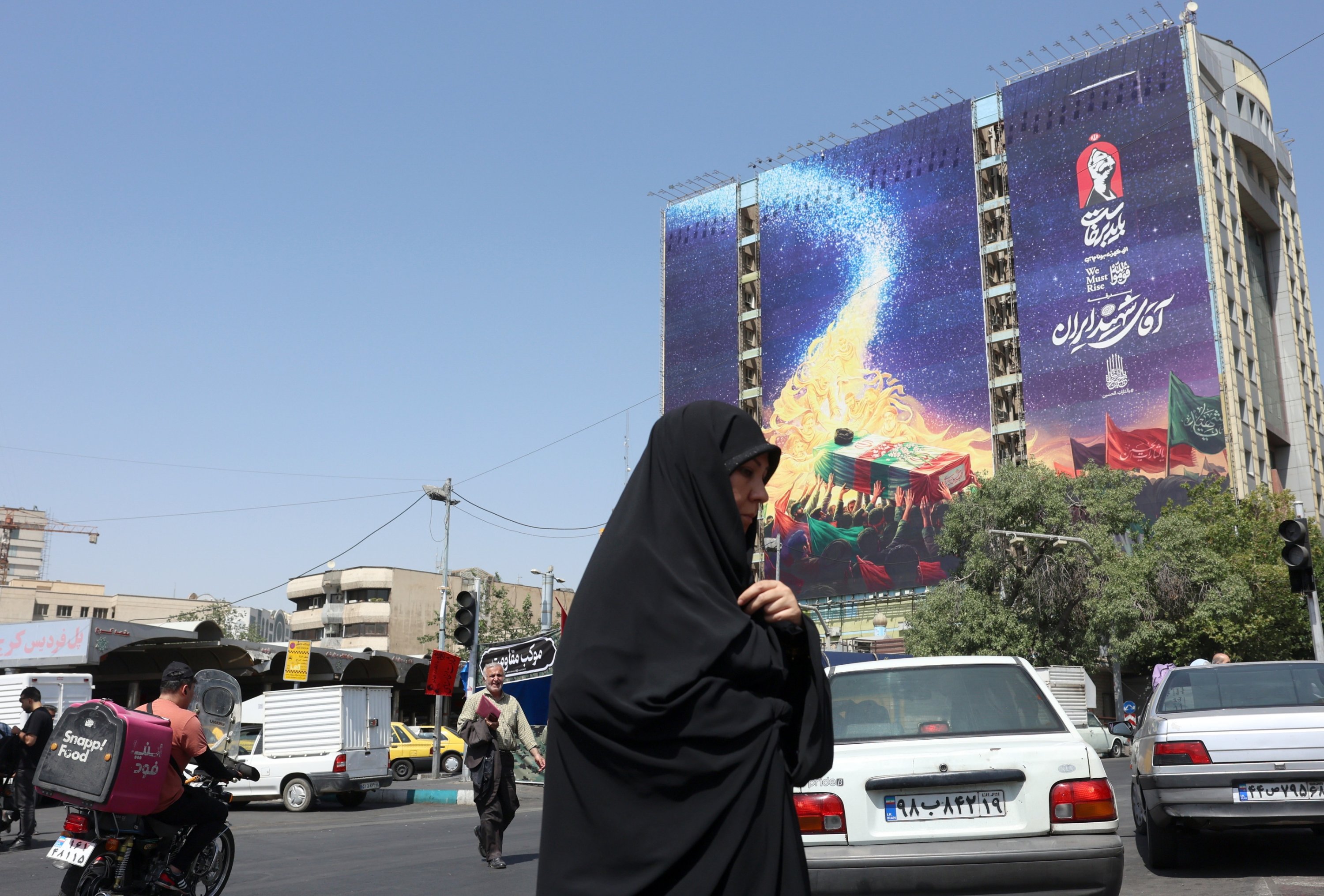
Iranian and U.S. technical teams are expected to meet in Doha in the coming days to discuss the implementation of an interim peace agreement, a source told Reuters on Monday, as bo...
07
De-mining of Strait of Hormuz to be carried out only by Iran, Tehran says The Times of Israel

09
Axios: Уиткофф обсудит с премьером Катара соглашение по ядерной программе Ирана
The negotiations will take place as part of the announced consultations between representatives of Washington and Tehran in Doha
10
米・イランが攻撃停止で合意 報道
11
米軍 イランの複数標的を空爆
12
13
A US official said both the US and Iran have agreed to pause their attacks and allow vessels to move through the Strait of Hormuz. Technical talks between both sides are still to resume.
14
Households will also pay 7.1 per cent more for town gas in the third quarter of 2026.

15
The government says it can secure enough crude oil through March 2028 by cultivating alternative procurements to the Strait of Hormuz.
16
Mistero sui colloqui a Doha, l’Iran smentisce Trump. Ma gli Usa mandano gli inviati
Witkoff and Kushner leave for Qatar, Tehran: "There are no appointments" France and Oman talk about clearing Hormuz mines. The Pasdaran: “A provocation”
17
L’analista Bianco: “Per l’Europa è l’ultima occasione di salvare la libertà a Hormuz”
The expert from the European Council on Foreign Relations: "Oman's game? It claims to be the only one capable of bringing Tehran to reasonable positions"
18
Estados Unidos envía negociadores a Catar para continuar conversaciones de paz con Irán, pero Teherán niega cualquier encuentro
The American portal Axios had reported on Sunday night that Washington and Tehran agreed to stop the bombings.

19
Estados Unidos anuncia suspensión mutua de ataques con Irán y continuación de diálogos
Both sides have accused each other of violating the ceasefire amid renewed tensions following the signing of the memorandum on June 17.

20
ウクライナ ドローン攻勢なぜ戦果
21
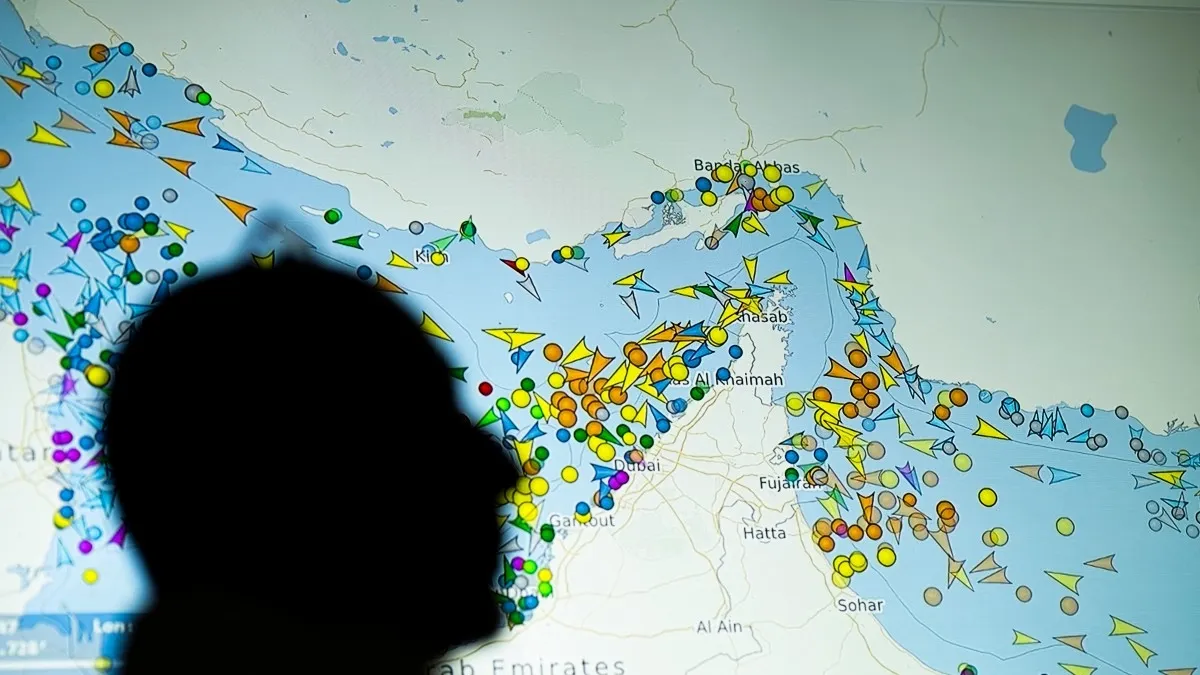
Las negociaciones alrededor del estrecho de Ormuz entre Irán y Omán
This Monday, representatives of both countries held the first meeting on the subject.
22
Two recent Middle East deals, one in Iran and the other in Lebanon, seem at odds with each other, and show how the Trump administration is running different approaches depending on who it is talking to at any given…
23
Pakistan, also a key mediator, had said talks between Iran and the U.S. would resume Tuesday (June 30)
AI read
What the coverage agrees on, and where it splits
This view is generated from the clustered articles, so it is best read as a map of coverage rather than a replacement for the source reporting.
Broadly agreed
- All covering sources confirm that the US and Iran exchanged strikes over the weekend before announcing a mutual pause.
- Multiple sources confirm Iran has stated only its own forces will de-mine the Strait of Hormuz.
- Singapore's CNA confirms energy price rises directly caused by the Middle East conflict are already materialising in Asia.
Contested framing
- The Emirati National and BBC report conflicting claims—Trump says Doha talks are scheduled, Iran says no meeting is planned; neither outlet resolves the contradiction.
- Deutsche Welle frames the ceasefire through endurance and institutional sustainability; TASS frames it as a functioning diplomatic track already moving forward.
- Times of Israel foregrounds Iran's Hormuz sovereignty claim as a blocking factor; Deutsche Welle and Japan Times frame the same claim as a manageable negotiating variable.
Still unclear
Whether US envoy Witkoff's reported Doha trip resulted in any direct or indirect contact with Iranian representatives has not been confirmed in any available summary.
Notable omissions
People's Daily is entirely absent from Iran-US ceasefire coverage despite China's significant energy exposure through Hormuz; its established pattern of avoiding coverage that could complicate state diplomatic messaging explains the gap.
Quality check
This ceasefire may not have a stable agreed framework; read the Contested section carefully, as basic facts (whether talks are scheduled) remain disputed.
- Consensus claim that 'all sources confirm US and Iran exchanged strikes and announced mutual pause' is undermined by the Contested section showing conflicting claims about whether talks are even scheduled—this is a fundamental contradiction about whether a ceasefire framework exists.
- The 'Why it matters' section makes an overclaim: it states Singapore announced a tariff rise 'directly attributable to Middle East conflict,' but summaries do not confirm direct attribution vs. correlation.
- Witkoff's Doha trip and contact with Iranian representatives is listed as unconfirmed, yet framed as a key element of the ceasefire architecture in the setup.
- People's Daily omission is explained but the explanation (avoiding complicating state diplomacy) is interpretive rather than factual.
Review confidence: 72%
Signal strength
5/5
Narrative divergence
13
Sources compared
1
Days in coverage
How each outlet frames this story
Divergence
5/5
Narrative Divergence
How differently the sources covering this story frame it — measured by tone, emphasis, and what each outlet chooses to highlight or omit.
1 — Sources frame the story almost identically
2 — Minor differences in tone or emphasis
3 — Noticeable differences; some outlets highlight what others omit
4 — Stark contrasts; conflicting narratives
5 — Sources tell fundamentally different stories
British
BBC documents the 'stand-down' exchange of strikes and frames the ceasefire as a contested claim requiring institutional verification, noting both sides accuse the other of violations.
Israeli
Times of Israel reports Iran's assertion that only Iran can de-mine Hormuz, framing this as a sovereignty claim that complicates any international settlement.
Emirati
The National reports Trump's claim that Doha talks are taking place while Iran denies any meeting is scheduled, presenting the contradiction without resolution.
Russian
TASS reports Witkoff will discuss the Iran nuclear deal with Qatar's PM in Doha, presenting the diplomatic track as active—consistent with Russian interest in portraying US-Iran tension as manageable.
Colombian
El Tiempo covers Oman-Iran negotiations over Hormuz and the US-Iran mutual suspension of attacks, framing this through institutional decision-making without taking sides.
Turkish
Daily Sabah frames Iran energy security as an institutional decision-making interrogation and emphasises Turkey's regional positioning in the diplomatic architecture.
German
Deutsche Welle reports conflicting US and Iranian accounts of the peace talks, maintaining de-escalatory framing and emphasising institutional sustainability over military capability.
Indian
The Hindu covers Iran's mention of $6 billion in frozen Qatar-held assets as aimed at selling the interim deal domestically, and tracks the US-Iran pause alongside Pakistan's mediating role.
Singaporean
CNA reports a 17% electricity tariff rise in Singapore directly attributed to higher fuel costs from the Middle East conflict, exemplifying the outlet's supply-chain consequence framing.
Japanese
Japan Times reports Japan's factory output rising while noting the government believes it can secure crude oil through March 2028 via alternative procurements, treating the Hormuz crisis as a manageable logistics problem.
Australian
ABC Australia frames the Iran and Lebanon deals as contradictory signals from the Trump administration, questioning the coherence of US dealmaking strategy.
Italian
La Repubblica reports the mystery around Doha talks with Iran denying Trump's claim, while France and Oman discuss Hormuz mine-clearing—highlighting European diplomatic engagement.
Japanese
Yahoo Japan (earlier cycle) notes the US and Iran agreed to halt attacks, presenting it as an established fact without political complexity.