People in areas devastated by twin earthquakes say they need more support from the government.
How the world covered this
Read the editorial comparison
Prose synthesis of how each outlet framed the story, with side-by-side outlet quotes and divergence notes.
42 articles from 13 sources
01

02
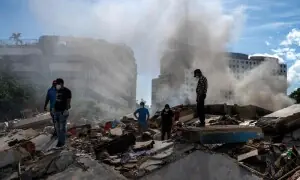
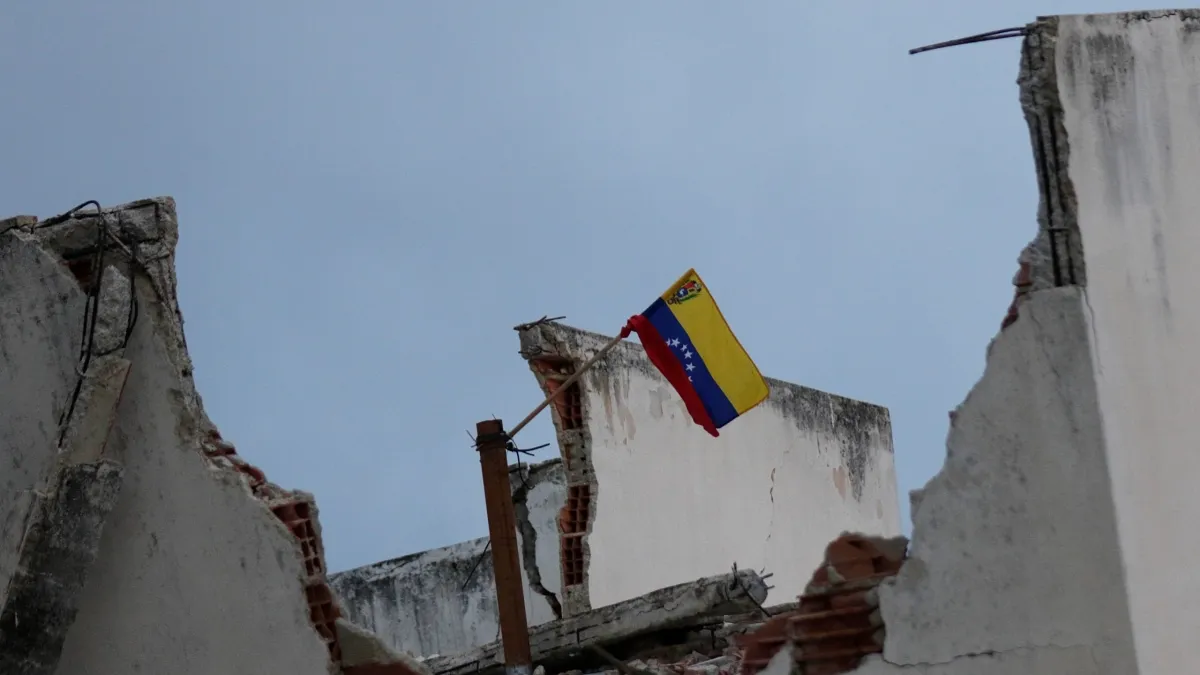
In areas devastated by the twin earthquakes, people are using crowbars, pickaxes and their bare hands to try to reach survivors.

03
ベネズエラ 地震の死者1700人超
04
The death toll from the devastating earthquakes that struck Venezuela five days ago has risen to at least 1,719, National Assembly president Jorge Rodriguez said on Monday. Rodriguez added that 5,034 people were injured…
05
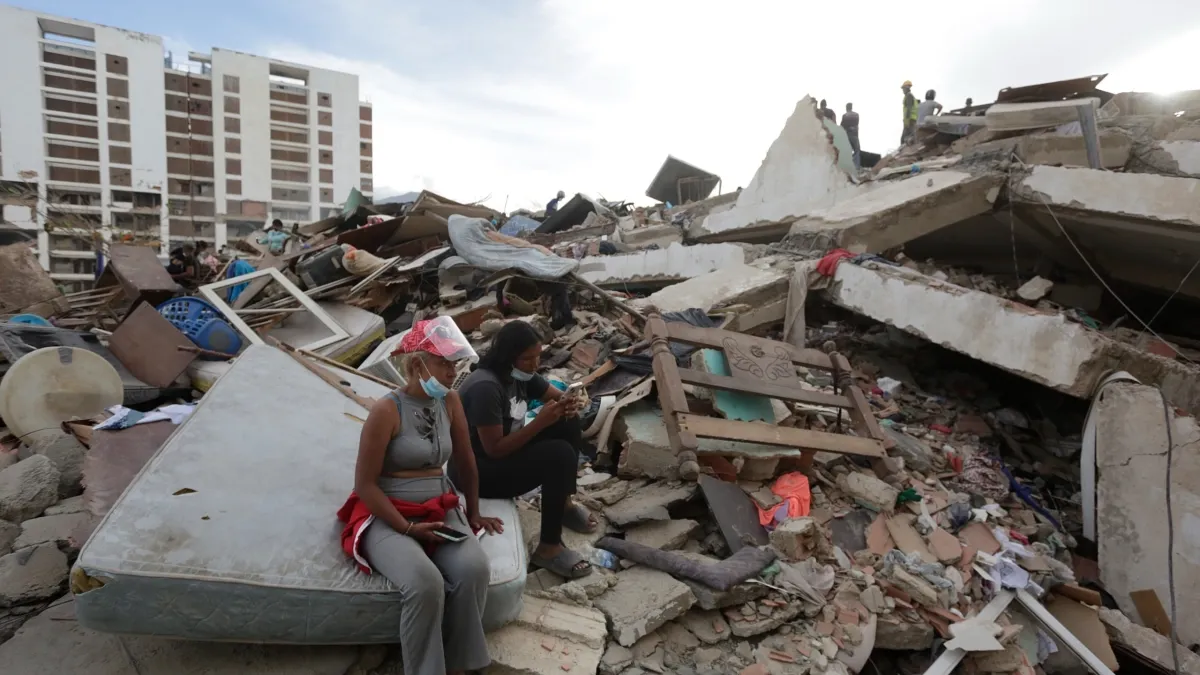
Terremoto en Venezuela ya deja 1.719 muertos mientras aumenta la ayuda internacional y crece la desesperación entre las víctimas
Tragedy already leaves more than 1,700 dead. While the claims grow, the international community unites in a diplomatic truce and aid.
06
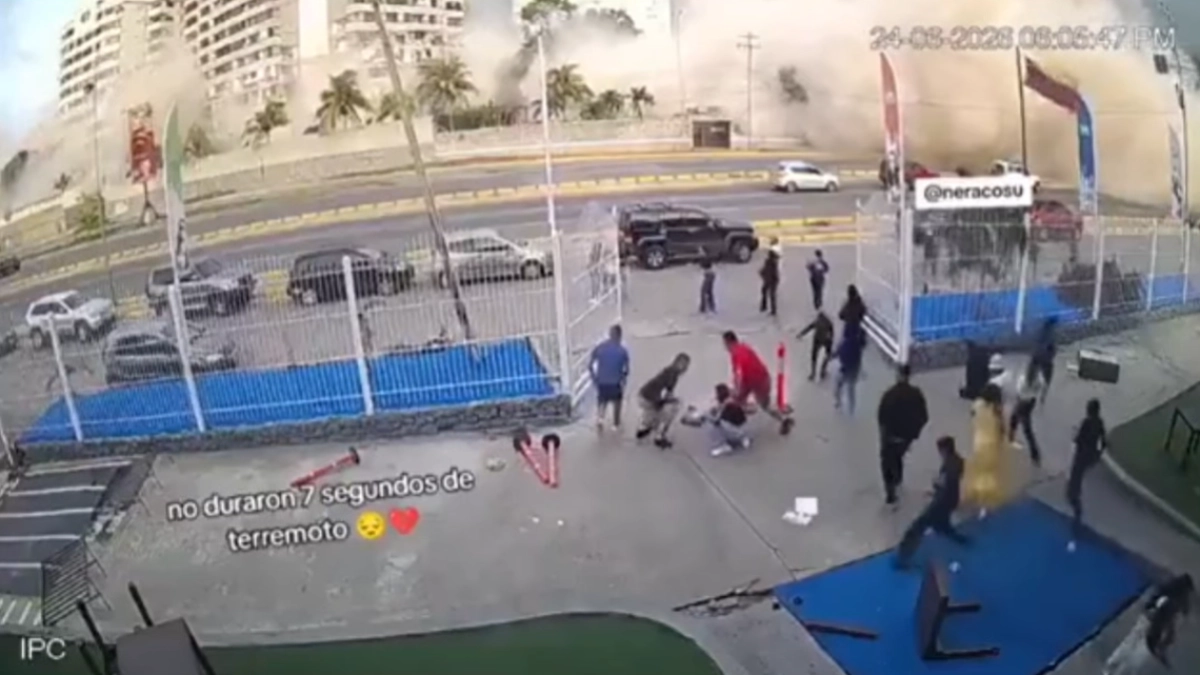
Nuevo video evidencia la fuerza del terremoto en La Guaira, Venezuela: personas pierden el equilibrio mientras un edificio colapsa
The recording records the dramatic seconds of the earthquake, with vehicles shaking and structures suffering serious damage.
07
'Bebê foi meu motor para estar acordada e em alerta': o relato de mãe resgatada com filho de 18 dias de escombros de terremoto na Venezuela
A mother who was rescued from the rubble of her destroyed home in Venezuela with her 18-day-old baby told the BBC how her son helped her survive. Read more (06/29/2026 - 8:43 pm)
08
Porto em La Guaira, na Venezuela, vira necrotério a céu aberto após terremotos
The sign at the entrance reads: Bolipuertos. These are the "Bolivarian" ports of the Venezuelan State, used for commercial purposes.
09
Venezuelanos deportados dos EUA estão desaparecidos após chegar a La Guaira antes de terremotos
More than a hundred people deported from the United States were in a hotel in the city of La Guaira when two earthquakes hit Venezuela last Wednesday (24), causing the building to collapse.…
10
Anjos do resgate me salvaram, diz homem retirado de escombros na Venezuela após 5 dias
A 21-year-old man was pulled from the rubble of a building in La Guaira this Monday (29), five days after the twin earthquakes that caused destruction in Venezuela. Read more (06/29/2026 - 6:52 pm)
11
Engenheiros pedem que Venezuela faça auditoria nas moradias públicas após terremotos fatais
When the late Venezuelan leader Hugo Chávez built the coastal housing complex that bears his name as part of his socialist revolution, residents found a new opportunity for a fresh start after…
12
Compramos 10 mil sacos para cadáveres, diz coordenador humanitário da ONU na Venezuela
The UN reported this Monday (29) that it is providing 10,000 body bags as part of the planning response to the earthquake that devastated Venezuela. The information was given by Gianluca Rampolla del…
13
Jogador da seleção sub-20 da Venezuela morre em terremotos
Yimvert Berroterán, 18, player for the Venezuela under-20 team, was found dead under the rubble of the earthquakes that devastated the country last Wednesday (24). His girlfriend, Valentina Sandoval, was with him and…
14
Sobe para 1.719 o número de mortos na Venezuela após terremotos
Venezuelan authorities announced this Monday (29) that the number of confirmed deaths in the twin earthquakes that hit the country on the 24th had increased to 1,719. At least 5,034 people were injured, and...
15
Unicef estima que 680 mil crianças precisem de ajuda após terremotos na Venezuela
Days after the twin earthquakes that hit Venezuela on June 24, Unicef (United Nations Children's Fund) estimates that 1.8 million people, including 680,000 children, need assistance...
16
Roubos e saques se espalham em área mais devastada da Venezuela após terremoto
Not even the electrical wires remained from a small grocery store. The earth had not even stopped shaking when robberies and looting began in the area most devastated by the double earthquake in Venezuela.
17
EUA dizem ter enviado US$ 300 milhões à Venezuela em ajuda após terremotos
Emergency aid from the United States for Venezuela following last week's devastating earthquakes now exceeds US$300 million (R$1.5 billion), President Donald Trump's government announced this…
18
María Corina Machado planeja retornar à Venezuela em meio a crise gerada por terremotos
Venezuelan opposition leader María Corina Machado is working to return to the country as quickly as possible, according to people with direct knowledge of her plans. The action could reshape the political landscape…
19
Regime da Venezuela é acusado de politizar ajuda após terremotos
The opposition party in Venezuela led by exiled Nobel laureate María Corina Machado mobilized volunteers across the country last week to collect donations for survivors of the earthquakes that…
20
Novo tremor de magnitude 4,6 sacode Caracas enquanto prazo para resgate se esgota
Residents of Caracas woke up this Monday (29) to a new tremor. The 4.6 magnitude earthquake shook homes as rescue teams continued another day of searches in areas affected by the powerful...
21
Nasa divulga mapa com magnitude dos danos de terremotos na Venezuela
A platform from the United States Space Agency (NASA) released a map that allows an expanded view of the magnitude of the damage caused by the two earthquakes that hit northern Venezuela on Wednesday…
22
Venezuela, nuova forte scossa. La corsa dei pompieri italiani non salva mamma e tre bambini
They dig through the rubble, but another 4.6 earthquake still blocks rescue efforts. In Macuto the bitterness of our firefighters: "We did everything we could"
23
زلزال فنزويلا.. أمريكا تضاعف مساعداتها وإحباط شعبي من استجابة الحكومة
The US Army announced the repair of the Venezuelan port of La Guaira to deliver aid after two devastating earthquakes killed hundreds, and the search for missing persons continues.
24
Venezuela was shaken by an aftershock on Monday as rescues continued. Interim president Delcy Rodriguez said she remained hopeful about rescue operations as criticism of her government grows.
25
The death toll from the powerful pair of earthquakes that struck Venezuela last week has risen to 1,719, National Assembly President Jorge Rodriguez said on Monday. This is more t...

26
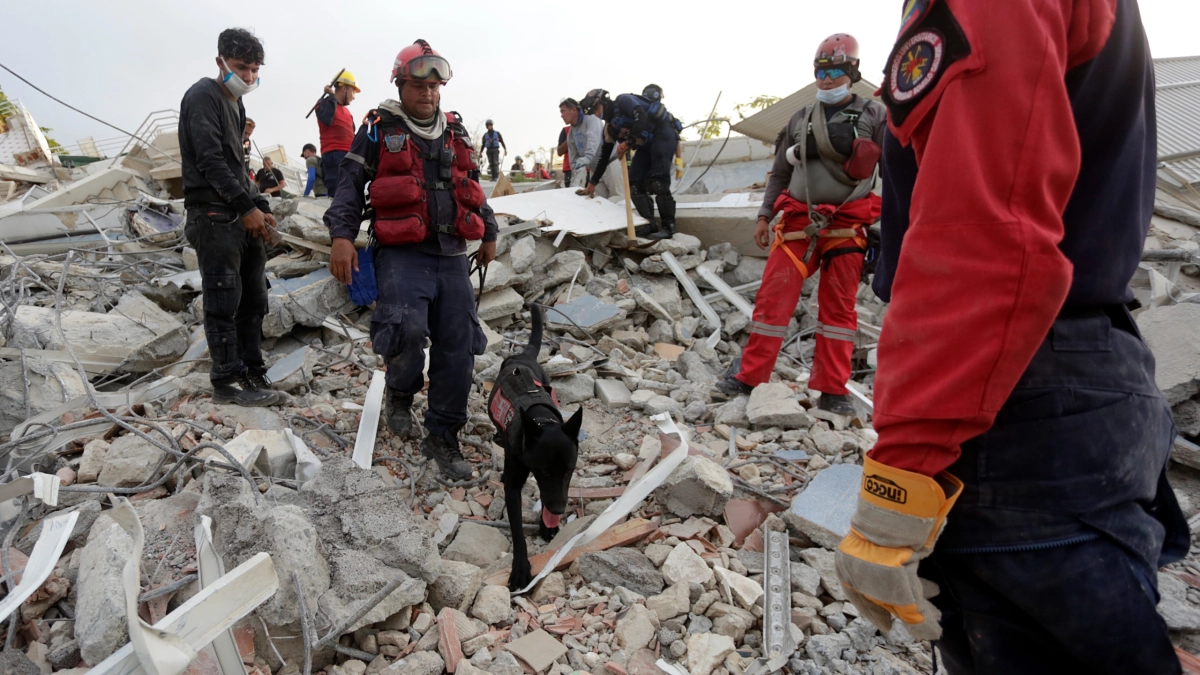
Venezuela hoy 29 de junio tras terremotos: Delcy Rodríguez crea comisión para evaluar daños en viviendas; van 1.450 fallecidos y 12.721 damnificados
María Corina Machado assured that "soon" she will return to the country. "It is my duty to accompany the people, we need to be together," he assured.
27
La ayuda para Venezuela tras los terremotos, atrapada entre el control del Estado y el desespero de las personas; así avanzan los operativos
As international brigades intensify the search, criticism of restrictions grows. The disaster already leaves 1,450 dead and 3,150 injured.
28
Estados Unidos asegura que ampliará la ayuda a Venezuela y respalda la transparencia de las cifras oficiales del terremoto: 'Esto apenas comienza'
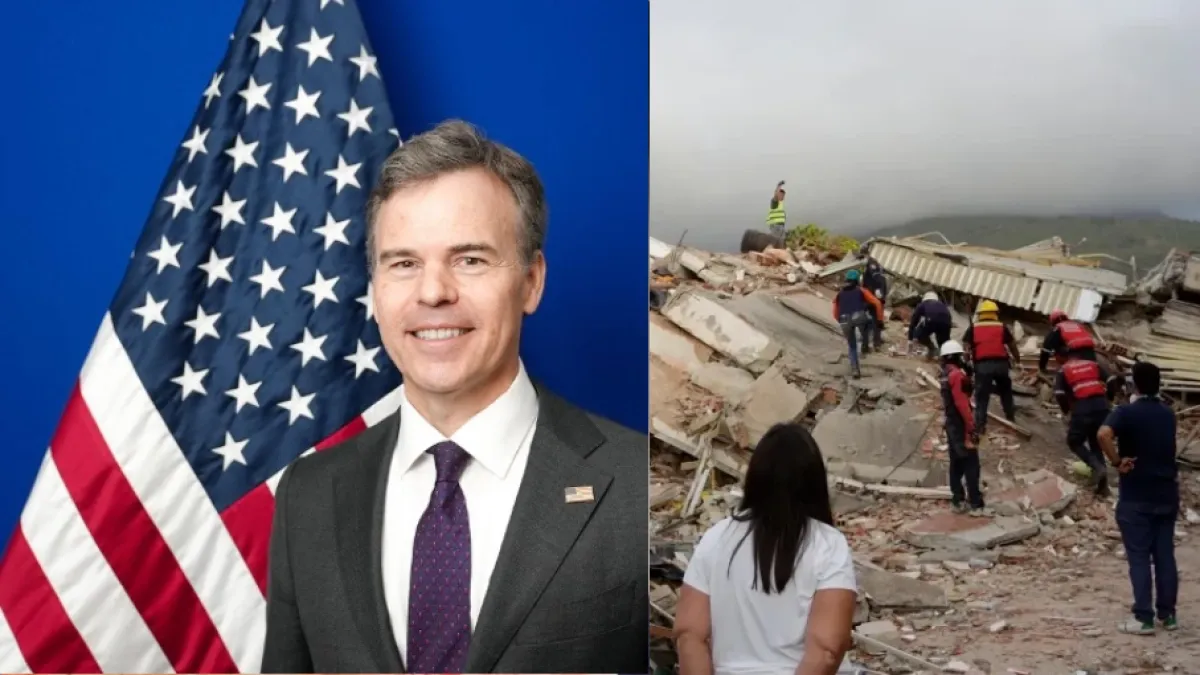
John Barret, the US charge d'affaires in Venezuela, spoke with Colombian journalist Luis Carlos Vélez this Sunday.
29
Rescatan a 33 personas con vida este domingo en Venezuela; llevaban más de 72 horas atrapadas entre los escombros tras el terremoto
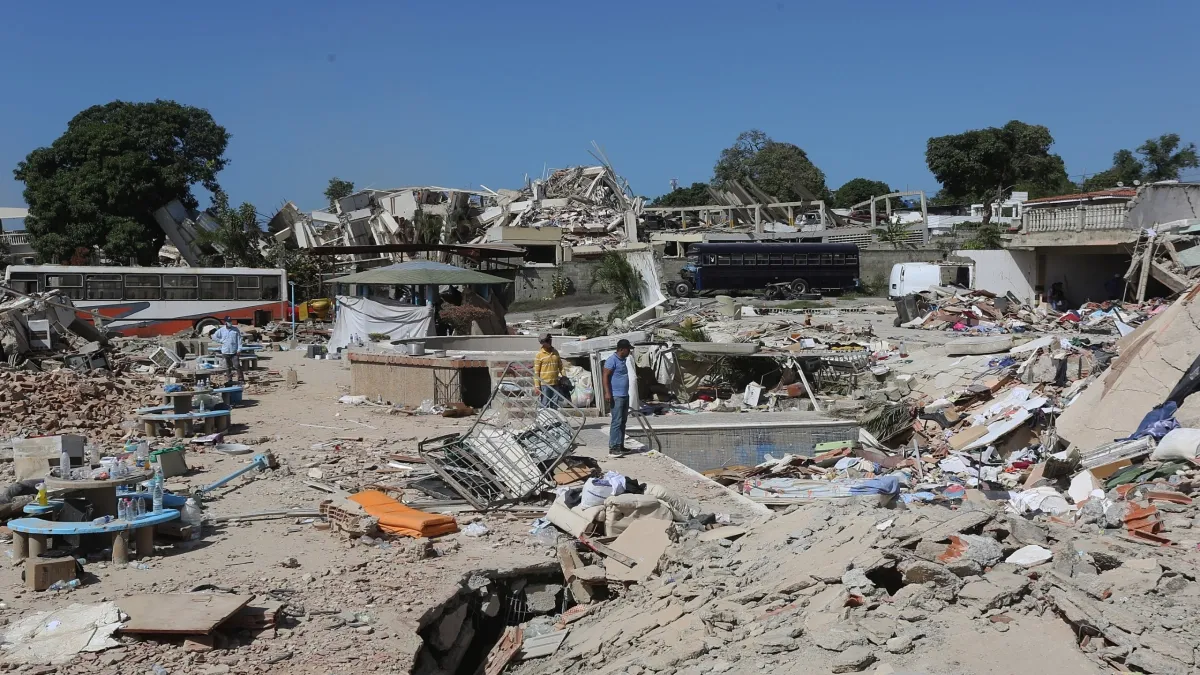
Delcy Rodríguez said that the country is in a crucial period for finding survivors, when four days have already passed.
30
Confirman muerte de colombiana Natalia Fernández por terremotos en Venezuela: 'La ayuda no llegó a tiempo'
The 34-year-old Samaria was found dead four days after being buried under the rubble of a condominium in Tucacas, Falcón state.

31
Father, son pulled from rubble of Venezuela’s earthquakes as crucial rescue window closes The Times of Israel
32
ベネズエラ地震 32時間後乳児救出
33
ベネズエラ地震 死者1400人超
34
ベネズエラ地震発生72h 懸命捜索
35
With tens of thousands of people missing, relatives face another night waiting for news of loved ones as the crucial window for locating survivors closes.

36
A deportation flight from Miami had 146 Venezuelans onboard, including 19 women and seven children, according to ICE Flight Monitor

37
Smilde: “Machado vuole tornare in Venezuela, teme che si rafforzi l’asse tra Rodríguez e Donald”
The professor expert in illiberal ideologies: "The Nobel Peace Prize winner, now out of the country, is afraid that the emergency will erase the opposition's demands"
38
More than 100 people just deported from the United States were being held in a hotel when earthquakes struck Venezuela, setting off a scramble to find survivors and bodies buried in the rubble, according to survivors. A…

39
Lutao Cen was swimming off Margarita Island, where he has lived for four decades, when twin earthquakes measuring above magnitude 7 struck northern Venezuela within two minutes. Only after returning to shore did he…

40
CARACAS, June 29 - Construction worker Anderson Daniel Salcedo spent three months in U.S. immigration detention before boarding a repatriation flight last Wednesday, arriving back in Venezuela just hours before twin…
41
Caracas residents’ homes were rocked by a 4.6-magnitude aftershock early on June 29.
42
Israeli aid groups begin operations in Venezuela, with more teams en route The Times of Israel
AI read
What the coverage agrees on, and where it splits
This view is generated from the clustered articles, so it is best read as a map of coverage rather than a replacement for the source reporting.
Broadly agreed
- All covering sources confirm the death toll has reached at least 1,719 with many more missing.
- Multiple sources confirm a 4.6 aftershock on June 29 disrupted ongoing rescue operations.
- International aid—including US, Israeli, and Italian teams—has been deployed to the affected areas.
Contested framing
- BBC and Folha de S.Paulo frame the Venezuelan government as negligent and politicising aid access; Al Jazeera Arabic and Deutsche Welle report official government statements at face value without applying the same critical lens.
- Folha de S.Paulo and SCMP highlight the missing US-deported Venezuelan migrants as a US immigration-policy accountability issue; other outlets report it as a humanitarian fact without that framing.
- Folha de S.Paulo emphasises structural failures in Chavez-era public housing as a contributing cause; Colombian and Turkish outlets focus on immediate disaster response without engaging housing policy history.
Still unclear
The full number of people missing under rubble remains unverified, and whether Venezuelan authorities are systematically undercounting the dead—as the opposition alleges—has not been independently confirmed.
Notable omissions
People's Daily and TASS are entirely absent from Venezuela earthquake coverage, consistent with their state-messaging patterns that avoid criticising allied or non-Western governments in crisis.
Quality check
The death toll figure appears stable across sources, but casualty projections and attribution of government negligence remain contested and partially unverified.
- Death toll consensus (1,719) is stated as 'confirmed' but the 'Why it matters' section acknowledges unverified missing persons counts—inconsistent certainty levels.
- Opposition allegation of systematic undercounting by Venezuelan authorities is listed as unverified in Unknowns but not flagged in the consensus summary.
- US-deported migrants angle is framed as a substantive competing narrative, but it's unclear from summaries whether this is editorial framing or actual source divergence.
Review confidence: 85%
Signal strength
4/5
Narrative divergence
13
Sources compared
1
Days in coverage
How each outlet frames this story
Divergence
4/5
Narrative Divergence
How differently the sources covering this story frame it — measured by tone, emphasis, and what each outlet chooses to highlight or omit.
1 — Sources frame the story almost identically
2 — Minor differences in tone or emphasis
3 — Noticeable differences; some outlets highlight what others omit
4 — Stark contrasts; conflicting narratives
5 — Sources tell fundamentally different stories
British
BBC foregrounds the human cost of government negligence, documenting survivors forced to dig with bare hands while the state is accused of apathy and indifference.
Brazilian
Folha de S.Paulo integrates personal testimony—a rescued mother with an 18-day-old, a man pulled after five days—alongside structural critique of Venezuela's Chavez-era public housing and the politicisation of aid.
Colombian
El Tiempo tracks the diplomatic dimension—international aid, Venezuelan flight restrictions, and the plight of Colombian nationals killed—framing the disaster through regional solidarity and institutional accountability.
Japanese
Yahoo Japan focuses on the raw death toll figure and the infant rescue, presenting the disaster as a human-interest milestone without political framing.
Pakistani
Dawn reports the death toll factually and covers Venezuela's flight restrictions, without engaging the political dispute over aid.
Turkish
Daily Sabah reports the rising toll and Venezuelan government response, positioning it as a humanitarian crisis without engaging internal political critique.
Israeli
Times of Israel highlights Israeli aid groups already operating in Venezuela with more teams en route, framing Israel's role as active humanitarian responder.
Qatari
Al Jazeera Arabic covers the US Army repairing the La Guaira port and doubling aid, while noting popular frustration with the government's response—unusual for an outlet that typically subordinates accountability journalism.
Italian
La Repubblica focuses on the aftershock blocking Italian firefighter rescue efforts and the deaths of a mother and three children, emphasising European responders' frustration.
Chinese
SCMP highlights the plight of Chinese-Venezuelan community members using diaspora networks as lifelines, and separately covers the 100+ deported US Venezuelans missing after the hotel collapse.
Singaporean
Straits Times reports families of US-deported Venezuelans searching for missing loved ones, linking US immigration policy to the disaster's human toll.
German
Deutsche Welle covers aid ramping up and the aftershock, with Venezuela's interim president expressing hope—framing the story through institutional response sustainability.