The US military says it hit missile sites and command centres while Iran says it attacked US bases.
How the world covered this
Read the editorial comparison
Prose synthesis of how each outlet framed the story, with side-by-side outlet quotes and divergence notes.
27 articles from 16 sources
01

02
The US military said it struck Iranian targets after more Iranian attacks on vessels in the Strait of Hormuz. Iran condemned the strikes, threatening to retaliate.
03
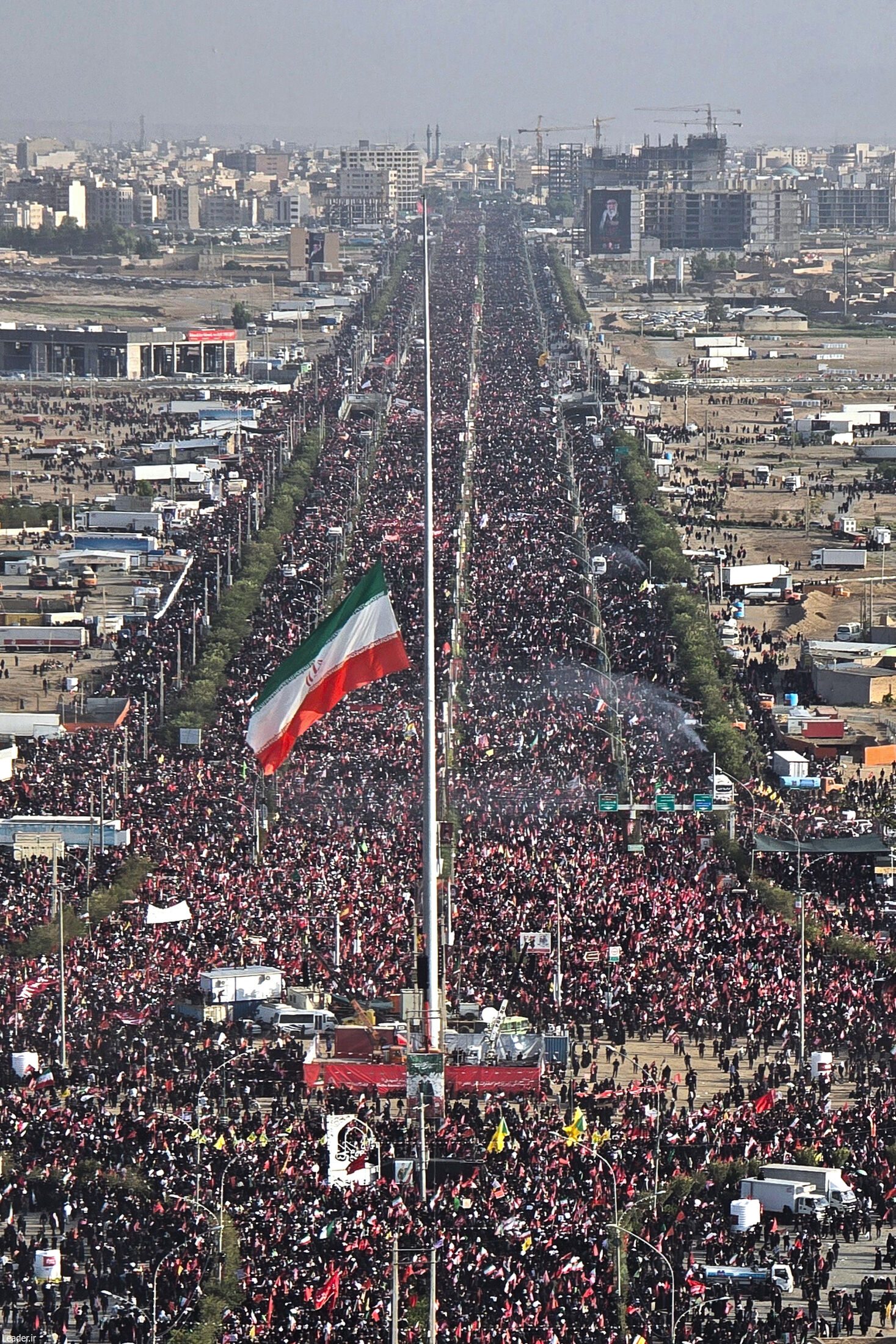
July 7 (Reuters) - The U.S. military unleashed a new wave of strikes against Iran on Tuesday and revoked a licence allowing the country to sell oil after three tankers were hit by projectiles in the Strait of Hormuz,…
04
The US had launched strikes on Iran on Tuesday, after three commercial vessels were attacked in the Strait of Hormuz.

05
WASHINGTON, July 7 - The U.S. Central Command said on Tuesday it completed a new round of strikes on Iran and that it had struck over 80 targets during its latest attacks.
06
July 8 - Iran's Revolutionary Guards said they targeted U.S. military sites in Bahrain and Kuwait on Wednesday after the U.S.
07
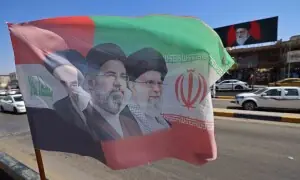
Iran’s Revolutionary Guards (IRGC) said on Wednesday they had hit dozens of US military facilities in Bahrain and Kuwait in response to American strikes, in a statement carried by state broadcaster IRIB . “In an initial…
08
U.S. Central Command said the "powerful" strikes were in response to Iranian attacks on ships transiting the vital waterway and would "impose heavy costs for targeting and attacking commercial shipping"
09
Iran's Foreign Ministry accused the United States of repeatedly violating the memorandum of understanding agreed between the two sides and threatened retaliation

10
Both of those ships sustained some damage, but no one was injured; at least one of the vessels continued on its way, the maritime agency said

11
EUA voltam a atacar Irã em retaliação a ofensiva contra petroleiros em Hormuz
The United States Armed Forces carried out a new series of attacks against Iran, the US Central Command reported on Tuesday (7), adding that the action was a response to what it described as…
12
Navios são atacados em Hormuz, e Irã condiciona negociações ao fim das ameaças de Trump
Three ships were hit in the Strait of Hormuz this Tuesday (7), and Iran stated that there will be no new peace negotiations until United States President Donald Trump stops his repeated...
13
Estados Unidos lanza 'poderosos' bombardeos contra Irán en respuesta a los ataques a petroleros en el estrecho de Ormuz
Washington resumed sanctions against the Islamic Republic's crude oil for the attack on three ships in the maritime passage.

14
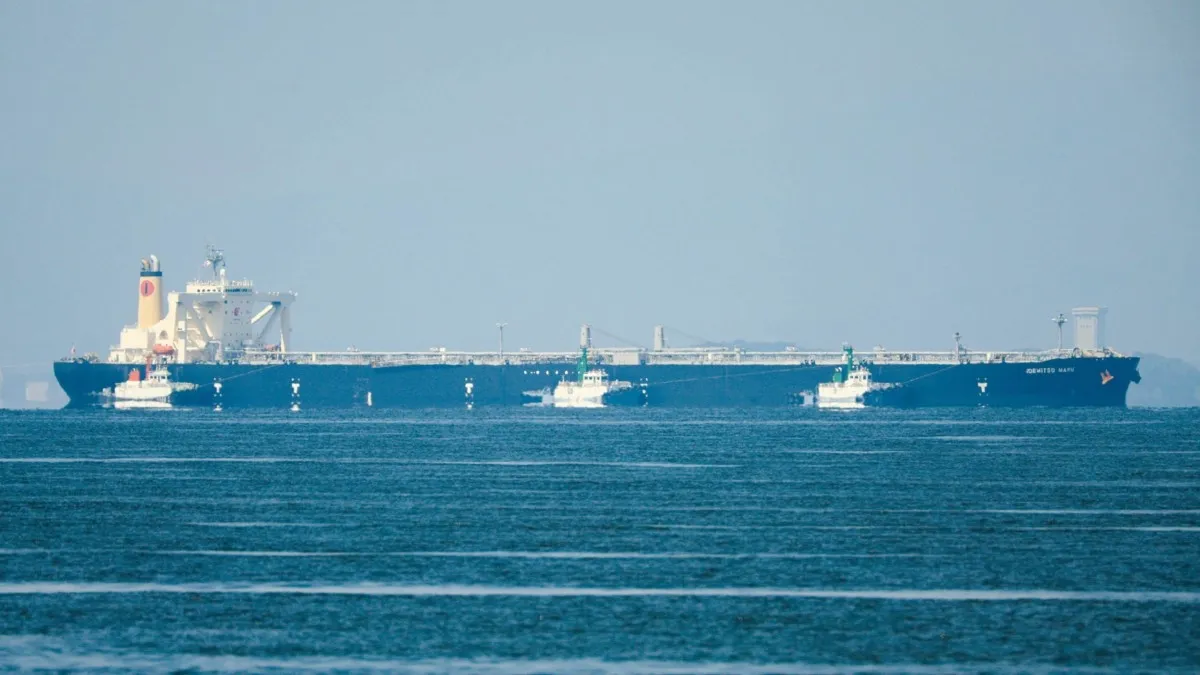
Estados Unidos reactiva las sanciones contra el petróleo de Irán tras bombardeos contra tres petroleros en el estrecho de Ormuz
Three ships, including a Qatari ship transporting liquefied natural gas, were hit by projectiles in the sea passage.
15
Après de nouvelles attaques dans le détroit d’Ormuz, les Etats-Unis frappent l’Iran qui s’en prend à Bahreïn
The resumption of tensions between Washington and Tehran comes twenty days after the signing of a memorandum of understanding between the two parties, supposed to guarantee the security of this maritime route, essential to trade...
16
Mehr: Иран заявил об ударах по военным объектам США на базе Шейх-Иса в Бахрейне
17
DUBAI, United Arab Emirates (AP) — The US military attacked Iran early Wednesday after it said Tehran struck three ships in the Strait of Hormuz, part of an American effort that also revoked the Islamic Republic’s…


21
米軍がイラン攻撃 商船攻撃に対抗
22
ホルムズ海峡で船舶攻撃 混乱続く
23
US strikes Iran and reimposes oil sanctions as ceasefire faces one of its most significant tests CNN
24
Iran said to fire at 2 commercial ships in Strait of Hormuz, including Qatari gas tanker The Times of Israel
25
Estados Unidos lanza 'poderosos' bombardeos contra Irán en respuesta a los ataques a petroleros en el estrecho de Ormuz
Washington resumed sanctions against the Islamic Republic's crude oil for the attack on three ships in the maritime passage.
26
Estados Unidos reactiva las sanciones contra el petróleo de Irán tras bombardeos contra tres petroleros en el estrecho de Ormuz
Three ships, including a Qatari ship transporting liquefied natural gas, were hit by projectiles in the sea passage.
27
Estados Unidos lanza 'poderosos' bombardeos contra Irán en respuesta a los ataques a petroleros en el estrecho de Ormuz
Washington resumed sanctions against the Islamic Republic's crude oil for the attack on three ships in the maritime passage.
AI read
What the coverage agrees on, and where it splits
This view is generated from the clustered articles, so it is best read as a map of coverage rather than a replacement for the source reporting.
Broadly agreed
- All covering sources confirm that at least three commercial vessels, including a Qatari LNG tanker, were struck in or near the Strait of Hormuz.
- All sources confirm the US launched at least two waves of strikes on Iranian military targets in response.
- All sources confirm Iran launched retaliatory strikes targeting US military facilities in Bahrain and Kuwait.
Contested framing
- CNN reports exclusively that US commanders bypassed warnings about outdated intelligence ahead of a strike that hit a school in Iran; no other outlet confirms or denies this specific claim.
- The Hindu and Folha de S.Paulo emphasise Iran's accusation that the US violated the memorandum of understanding, while BBC and Deutsche Welle focus on the US characterisation of the strikes as a defensive response.
- Daily Sabah frames NATO's defence of US strikes as legitimate institutional decision-making; TASS uses narrative inversion framing Iran's position without endorsing the strikes.
Still unclear
The number of casualties from US strikes on Iran, the extent of damage to the school reportedly hit, and whether Iran will resume negotiations remain unverified across available summaries.
Notable omissions
People's Daily and TASS both avoid any critical framing of their respective aligned parties' roles; People's Daily is entirely absent from this story, while TASS confines its coverage to NATO summit procedural statements rather than the military exchange itself.
Quality check
Consensus on vessel strikes and retaliatory exchanges is solid, but casualty claims and intelligence failures require reader skepticism.
- CNN's exclusive claim about outdated intelligence and school strike is unconfirmed by other outlets; treat as allegation pending verification
- Casualty figures from US strikes on Iran remain entirely unverified across sources
- People's Daily absence and TASS procedural focus limit non-Western perspectives on military exchange itself
- 'Most serious escalation in decades' framing in 'Why it Matters' exceeds what consensus sources establish
Review confidence: 75%
Signal strength
5/5
Narrative divergence
16
Sources compared
1
Days in coverage
How each outlet frames this story
Divergence
5/5
Narrative Divergence
How differently the sources covering this story frame it — measured by tone, emphasis, and what each outlet chooses to highlight or omit.
1 — Sources frame the story almost identically
2 — Minor differences in tone or emphasis
3 — Noticeable differences; some outlets highlight what others omit
4 — Stark contrasts; conflicting narratives
5 — Sources tell fundamentally different stories
British
BBC frames the exchange as a bilateral military action with institutional accountability focus, documenting both US strikes on missile sites and Iran's counter-attacks on US bases, emphasising decision-maker interrogation and civilian consequences.
German
Deutsche Welle emphasises institutional sustainability and endurance, framing the Hormuz standoff through energy infrastructure shock affecting Germany's economic resilience, with de-escalatory framing sustained.
Indian
The Hindu maintains non-aligned framing, reporting Iranian accusations that the US violated the memorandum of understanding, without endorsing either side's narrative and emphasising India's independent strategic positioning.
Brazilian
Folha de S.Paulo reports three ships hit and Iran conditioning negotiations on end of US threats, integrating humanitarian consequence framing with structural accountability analysis of the ceasefire collapse.
Pakistani
Dawn leads with Qatar's condemnation of the Iranian attack on its LNG vessel and the three-ship strike, framing the Hormuz flare-up through regional energy security and diplomatic consequence.
American
CNN frames the strikes as the most significant test of the ceasefire, reporting exclusively that US commanders bypassed warnings about outdated intelligence ahead of a strike that hit a school in Iran.
French
Le Monde analyzes the resumption of tensions through expert institutional decision-making interpretation, noting the attacks came twenty days after a memorandum of understanding was signed between the parties.
Emirati
The National emphasises oil price surge and Gulf regional collective security, framing events through Gulf strategic autonomy and energy sector impacts without Western alignment emphasis.
Israeli
Times of Israel reports Iran firing at commercial ships including a Qatari gas tanker, framing the events through Iran's nuclear threat context and US-Israel divergences on Iran policy.
Colombian
El Tiempo frames US strikes as executive institutional decision-making accountability, positioning the strikes as a response to oil tanker attacks and noting the reactivation of oil sanctions.
Singaporean
CNA and Straits Times report Iran targeting Bahrain and Kuwait after US strikes, with terse facts-first supply-chain consequence framing emphasising logistics disruption to LNG routes.
Japanese
Yahoo Japan reports US military attacks on Iran in response to commercial ship attacks, framing through Asian energy security institutional vulnerability without military positioning.
South African
Daily Maverick reports the LNG tanker explosion risk and US oil sanctions reinstatement, using Reuters wire copy with institutional accountability framing around the ceasefire collapse.
Russian
TASS reports Rutte confirming Iran will be discussed at the NATO summit and Iran should never possess nuclear weapons, using zero-sum geopolitical framing and strategic narrative protection.