The US carries out strikes on military targets in southern Iran. Tehran responds by targeting US military assets in Kuwait, Bahrain and Jordan.
How the world covered this
Read the editorial comparison
Prose synthesis of how each outlet framed the story, with side-by-side outlet quotes and divergence notes.
43 articles from 16 sources
01

02
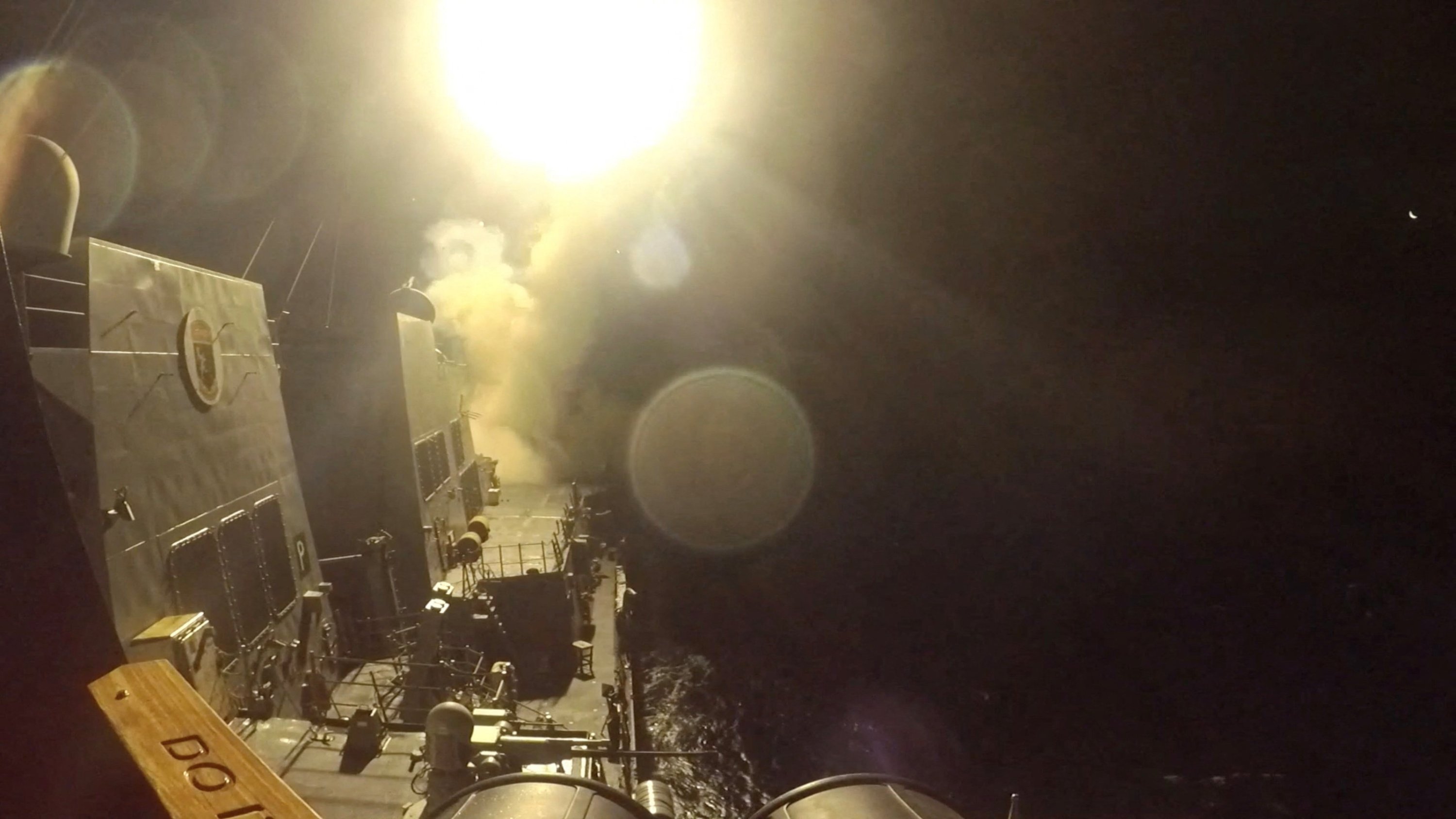
The United States and Iran carried out fresh airstrikes on Thursday, marking a second straight day of escalating hostilities, while President Donald Trump warned that further milit...
03
U.S. President Donald Trump said Wednesday that Washington is prepared to launch a major military response against Iran if efforts to secure a peace agreement collapse, ramping up...

04
Iran said has struck Gulf countries in retaliation for overnight US attacks. The renewed fighting comes after the US president said Iran would "pay the price" for stalled negotiations.
05
US Central Command had said it hit new targets in Iran in response to Tehran's "unwarranted and continued aggression." Iranian state media reported blasts in several parts of the country. Follow DW for more.
06
Irã ataca navios em Hormuz e base americana no Bahrein
Iran announced on Wednesday night (10) that it had attacked two ships sailing through the Strait of Hormuz and reiterated that any vessel attempting to cross the channel would be considered a target. The regime also…
07
Irán responde a Donald Trump con ataques a bases militares de Estados Unidos en Kuwait y Baréin e impacta radares de la Quinta Flota
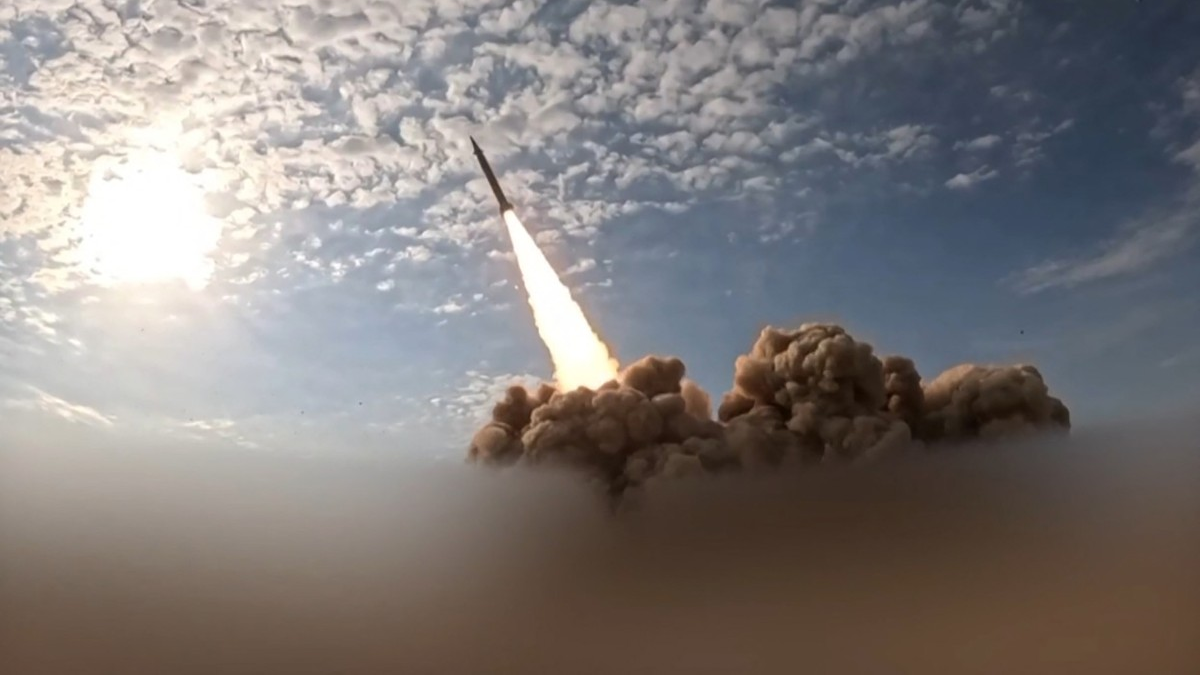
The US Army launched new attacks this Wednesday against 'multiple targets' in Iran, despite the fact that they are debating a peace agreement.
08
Irán anunció que cierra 'por completo' el estrecho de Ormuz tras explosiones en el sur del país por ataques de Estados Unidos: continúa la ofensiva
Trump had earlier accused Iran of having 'taken too long' to negotiate an agreement, for which it will have to 'pay the price'.

09
Máxima tensión en el estrecho de Ormuz: Estados Unidos bombardea múltiples objetivos en Irán por orden de Trump
In response, Tehran announced the closure of the Strait of Hormuz 'completely'. Oil prices rose again on Wednesday.
10
The U.S. military denied Iran's claim that the Strait of Hormuz had been fully closed in response to the latest U.S.
11
U.S. Central Command said in a social media post that the military is striking “multiple targets in Iran” and that it's being done “in response to Iran's unwarranted and continued aggression”.

12
The U.S. Central Command issued a statement saying its forces targeted "Iranian military surveillance capabilities, communication systems and air defense sites across Iran"

13
“We are gonna be attacking them, attacking them very hard,” Mr. Trump told reporters on Wednesday.

14
Iran launched attacks on sites in Bahrain and Kuwait, which both sounded alerts and fired air defences in response

15
From Iran’s retaliation against U.S. military facilities and escalating tensions in West Asia to the Congress’s battle over Meenakshi Natarajan’s Rajya Sabha nomination, fresh turmoil within the TMC, Mamata Banerjee’s…

16
The U.S. strikes damaged two reservoirs supplying the Bemani and Kouhestak areas of Sirik town and 20,000 residents of the region have lost access to safe drinking water

17
وول ستريت جورنال: لماذا دخلت حرب إيران مرحلة أكثر خطورة؟
The Wall Street Journal says that the confrontation between Washington and Tehran has entered a dangerous stage. The military escalation continues while negotiations are at a standstill, and the risks of sliding into a broader conflict in the region increase due to any miscalculation.
18
خبير عسكري: هذه هي الطريقة التي تقصف بها أمريكا إيران
The United States is using a new tactic to strike Iran from outside its airspace using ballistic missiles launched from aircraft, allowing it to bypass Iranian air defenses and create air corridors to penetrate deeper and target Isfahan.


22
DUBAI/WASHINGTON, June 11 - The United States and Iran traded air attacks on Thursday for a second straight day, with President Donald Trump vowing further strikes if Tehran does not immediately agree to a peace deal.
23
Why a frustrated Trump is turning again to bombs to force Iran’s hand CNN
24
Trump says US attacks on Iran will resume CNN
25
The attacks are the latest development in an exchange of strikes that threaten to reignite a full-scale war, which was paused in April when the two sides agreed to a ceasefire.
26
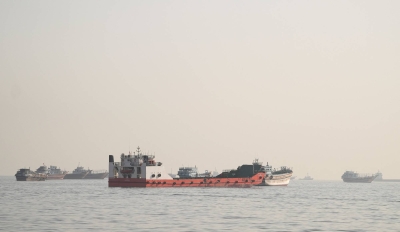
Brent crude surged over 2% to trade above $95 a barrel, while West Texas Intermediate advanced toward $93, before paring gains after the U.S. ended a brief campaign of strikes.
27
Guerra in Iran, le news di oggi. Nuovi attacchi Usa, Teheran: “La risposta sarà dura”
Explosions in Bandar Abbas, Qeshm and Hengam. Iran: bases in Jordan, Kuwait and Bahrain hit
28
Iran, raid Usa su larga scala missili e esplosioni a Hormuz. Trump: “Devono pagare caro”
Qatar's latest mediation in Tehran fails. New wave of rockets: radar and air defenses in the sights.
29
Vance: Iran deal could be next week, or months from now The Times of Israel
30
Trump: US will be attacking Iran again today, 'They keep playing us for suckers' but deal is 'fully negotiated' The Times of Israel
31
Survey finds vast gaps in support for Iran war between Israelis and Palestinians The Times of Israel
32
イラン ホルムズ海峡封鎖を宣言
33
米軍 イランへの新たな攻撃を終了
34
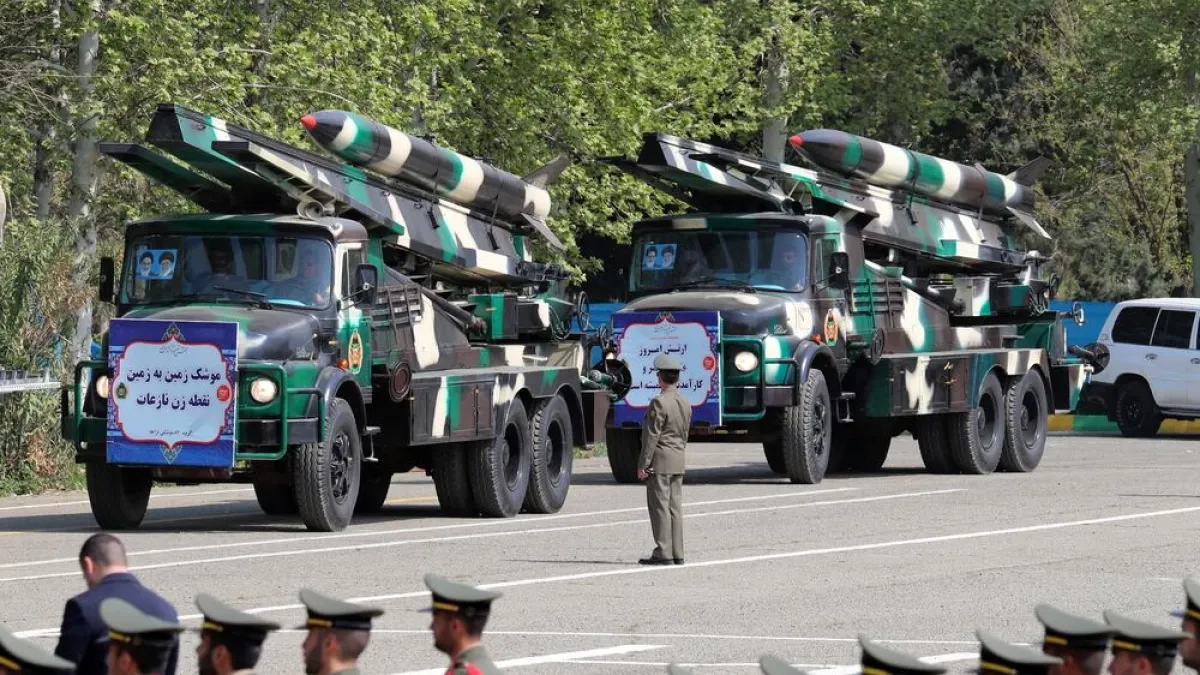
Francia y Estados Unidos denuncian ante la ONU que Irán acumula uranio suficiente para fabricar un arma nuclear: aumenta la tensión en Medio Oriente
They accuse Tehran of having “repeatedly” failed to comply with its obligations and of not cooperating with the IAEA.
35
Estados Unidos bombardea Irán este martes 9 de junio: Teherán asegura que lanzó ataque con drones contra bases estadounidenses en Baréin
The United States Central Command assured that the attacks are retaliation for the downing of a US helicopter.

36
Estados Unidos bombardea a Irán este martes en respuesta al derribo de un helicóptero en la costa de Omán; esto se sabe de los soldados a bordo
'The United States must necessarily respond to this attack,' Donald Trump warned on his Truth Social network.

37
Donald Trump se résout à frapper l’Iran pour préserver sa crédibilité
The US military took “proportionate” action on the evening of June 9 in response to the attack that downed an Apache helicopter near the Strait of Hormuz. But the American president, who still hopes for an agreement…
38
India's government said three Indian sailors were missing and 21 crew had been rescued after the hit on the Settebello off the coast of Oman.

39
Iran: Gulf nations have ‘legal and moral responsibility’ to prevent US, Israeli strikes The Times of Israel
40
IAEA board passes resolution demanding Iran report uranium stocks The Times of Israel
41
بعد هجمات إيرانية.. صفارات إنذار في البحرين واعتراضات جوية بالكويت
The Bahraini Interior Ministry announced the sounding of warning sirens, while the Kuwaiti Army confirmed that its air defenses had intercepted hostile targets, following Iran’s announcement of targeting sites in Kuwait, Bahrain and Jordan.
42
Thousands of Iranians in the southern port town of Sirik have lost access to drinking water after US strikes hit two reservoirs in the area, Iranian state media said on Wednesday. The United States carried out strikes…

43
The United States ramped up pressure on Iran on Wednesday by carrying out strikes for a second straight day and the Treasury Department slapped fresh sanctions on entities that it says “have supported weapons…

AI read
What the coverage agrees on, and where it splits
This view is generated from the clustered articles, so it is best read as a map of coverage rather than a replacement for the source reporting.
Broadly agreed
- All covering sources confirm that US and Iranian forces exchanged airstrikes for at least two consecutive days.
- Most sources confirm Iran struck US military assets in Kuwait and Bahrain, and that air defence systems were activated in both countries.
- Sources broadly agree that Iran announced a closure of the Strait of Hormuz, though the US military disputed Iran's claim of 'full' closure.
Contested framing
- CNN and Times of Israel frame Trump's strikes as driven by frustration and credibility concerns; Daily Sabah and The Hindu frame them as an institutional decision-making failure with civilian consequences.
- Straits Times frames the US as a beneficiary of Hormuz closure due to its oil export position; Al Jazeera Arabic and Folha de S.Paulo foreground civilian suffering, including water cut-offs affecting thousands of Iranians.
- Times of Israel reports Trump simultaneously claiming a deal is 'fully negotiated' while announcing more strikes; CNN characterises Trump's posture as 'tone-deaf' and contradictory.
Still unclear
Whether the Strait of Hormuz is fully or only partially closed, and whether a ceasefire or negotiated deal is genuinely imminent, remains publicly unconfirmed and disputed between US and Iranian sources.
Notable omissions
People's Daily and TASS are largely absent from coverage of this story, with neither state outlet providing substantive reporting on the exchange of strikes or Hormuz closure — reflecting their established pattern of avoiding coverage that would require critical framing of allied or rival state actors.
Quality check
This comparison reflects real military exchanges but significant uncertainty remains about Hormuz closure and de-escalation claims.
- Strait of Hormuz closure status disputed between US and Iran; 'full closure' claim unverified
- Whether ceasefire is imminent remains unconfirmed despite Trump's contradictory statements
- Chinese and Russian state outlets absent from coverage; limits perspective diversity
- Consensus on strikes confirmed but contested framing of causation and intent
Review confidence: 72%
Signal strength
4/5
Narrative divergence
16
Sources compared
1
Days in coverage
How each outlet frames this story
Divergence
4/5
Narrative Divergence
How differently the sources covering this story frame it — measured by tone, emphasis, and what each outlet chooses to highlight or omit.
1 — Sources frame the story almost identically
2 — Minor differences in tone or emphasis
3 — Noticeable differences; some outlets highlight what others omit
4 — Stark contrasts; conflicting narratives
5 — Sources tell fundamentally different stories
British
BBC foregrounds institutional decision-making and civilian consequence, noting three Indian sailors missing after a US strike on a tanker and documenting Iranian retaliation targets across the Gulf.
American
CNN focuses on Trump's psychological state and political frustration, framing the strikes as a presidential credibility exercise rather than a strategic military campaign.
French
Le Monde provides a live diplomatic dispatch, noting Qatar's mediation failure in Tehran and cataloguing strike locations with expert institutional framing.
German
Deutsche Welle emphasises ceasefire fragility and endurance framing, reporting that Iran struck Gulf countries in retaliation and that the renewed fighting came after Trump warned of escalation.
Turkish
Daily Sabah positions Turkey as a diplomatic actor, reporting FM Fidan's talks with Germany on Iran-US negotiations and framing the strikes as an institutional decision-making failure.
Indian
The Hindu foregrounds Indian casualties — two seafarers dead, one missing — and India's formal protest to the US Embassy, reflecting the South Asian non-aligned accountability lens.
Colombian
El Tiempo frames the escalation through the lens of US executive decision-making accountability and oil price consequences, noting Trump's order to bomb 'multiple targets'.
Brazilian
Folha de S.Paulo documents Iranian attacks on ships in Hormuz and the US base in Bahrain, integrating humanistic consequence framing around civilian water cut-offs.
Qatari
Al Jazeera Arabic covers the Wall Street Journal's assessment that the confrontation has entered a 'dangerous phase' and a military expert's analysis of US strike tactics.
Emirati
The National provides operational detail on strike locations and Iranian Hormuz closure claims, framing consequences through Gulf regional security and energy sector vulnerability.
Israeli
Times of Israel reports Trump's simultaneous claim that a deal is 'fully negotiated' while announcing continued strikes, and Vance's acknowledgement of differences with Netanyahu over Iran policy.
Japanese
Yahoo Japan focuses on Iranian Hormuz closure declaration and US military strike completion, framing the story through energy supply disruption anxiety.
Singaporean
Straits Times notes the US has become the world's top oil exporter and was a main beneficiary of Hormuz closure, framing the conflict through energy market structural consequence.
Italian
La Repubblica provides live news coverage of US attacks and Iranian responses, framing Trump's threats as credibility-driven escalation.
Chinese
SCMP analyzes the maritime security dimensions and structural vulnerability of the Hormuz standoff, noting Iranian tightening of control over the strait.