Prime Minister Sir Keir Starmer will convene around a dozen leaders to discuss the programme in Ankara.
How the world covered this
Read the editorial comparison
Prose synthesis of how each outlet framed the story, with side-by-side outlet quotes and divergence notes.
27 articles from 11 sources
01

02
ANKARA, July 8 - NATO’s European leaders aim to convince Donald Trump on Wednesday to re-commit to the military alliance at a summit in Ankara after the U.S. president revived his disputes with them over the Iran war…
03
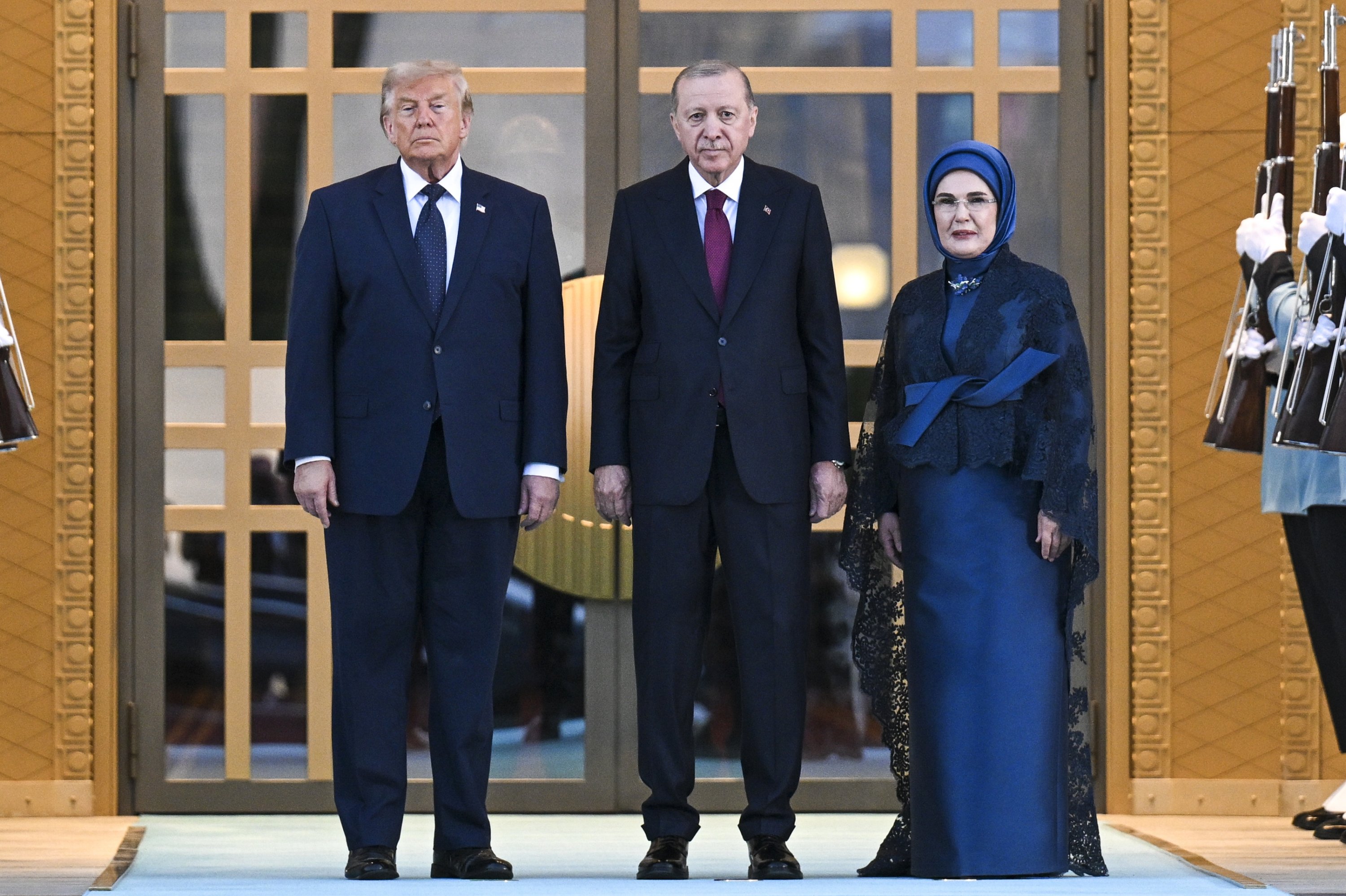
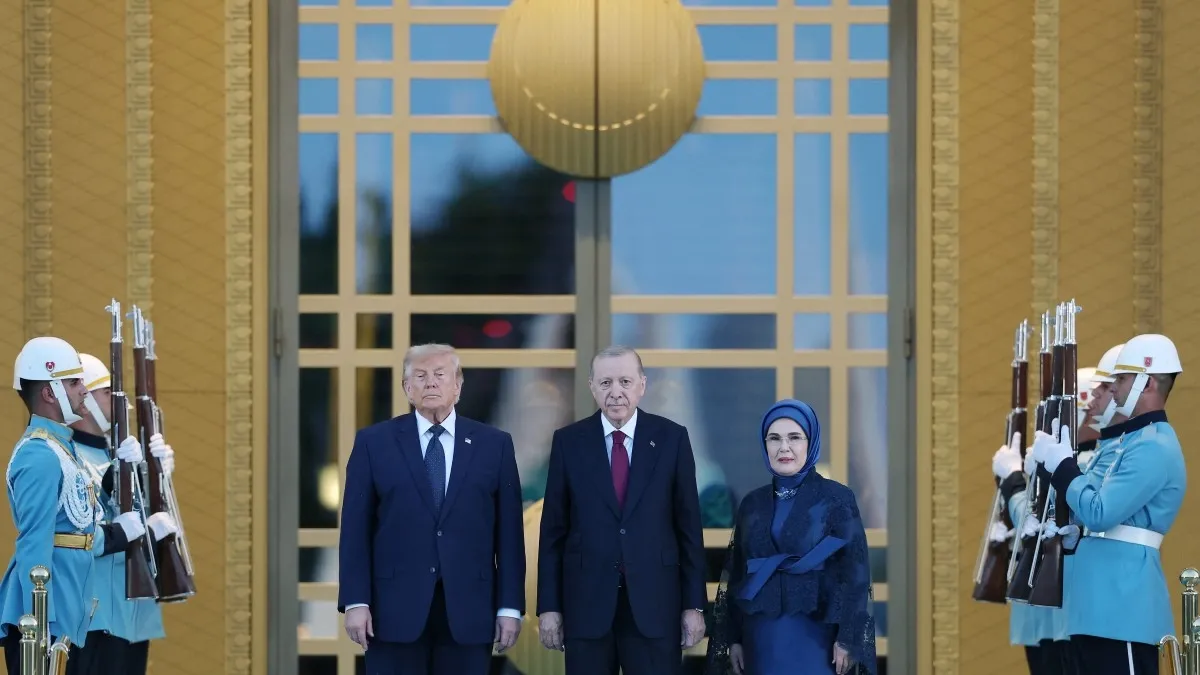
Erdogan even personally met Trump at the airport.
04
NATO chief Mark Rutte has insisted European countries are "delivering" by bolstering military budgets and moving to take more responsibility for the defence of their continent in the face of Russia

05
Negócios militares dão o tom na cúpula da Otan
In the second NATO summit meeting since Donald Trump's return to power last year, the Western military alliance reinforced the move towards rearmament of its European members with the president's distancing...
06
De volta à Otan, Trump critica aliados e exige a Groenlândia
A year after extracting real increases in European military spending, Donald Trump returned this Tuesday (7) to a NATO summit renewing complaints against his continental allies and reviving his desire to take…
07
The leaders of NATO's 32 member states are holding two days of talks in the Turkish capital. NATO Secretary General Mark Rutte said the summit aims to ensure the military alliance "continues to deliver." DW has more.
08
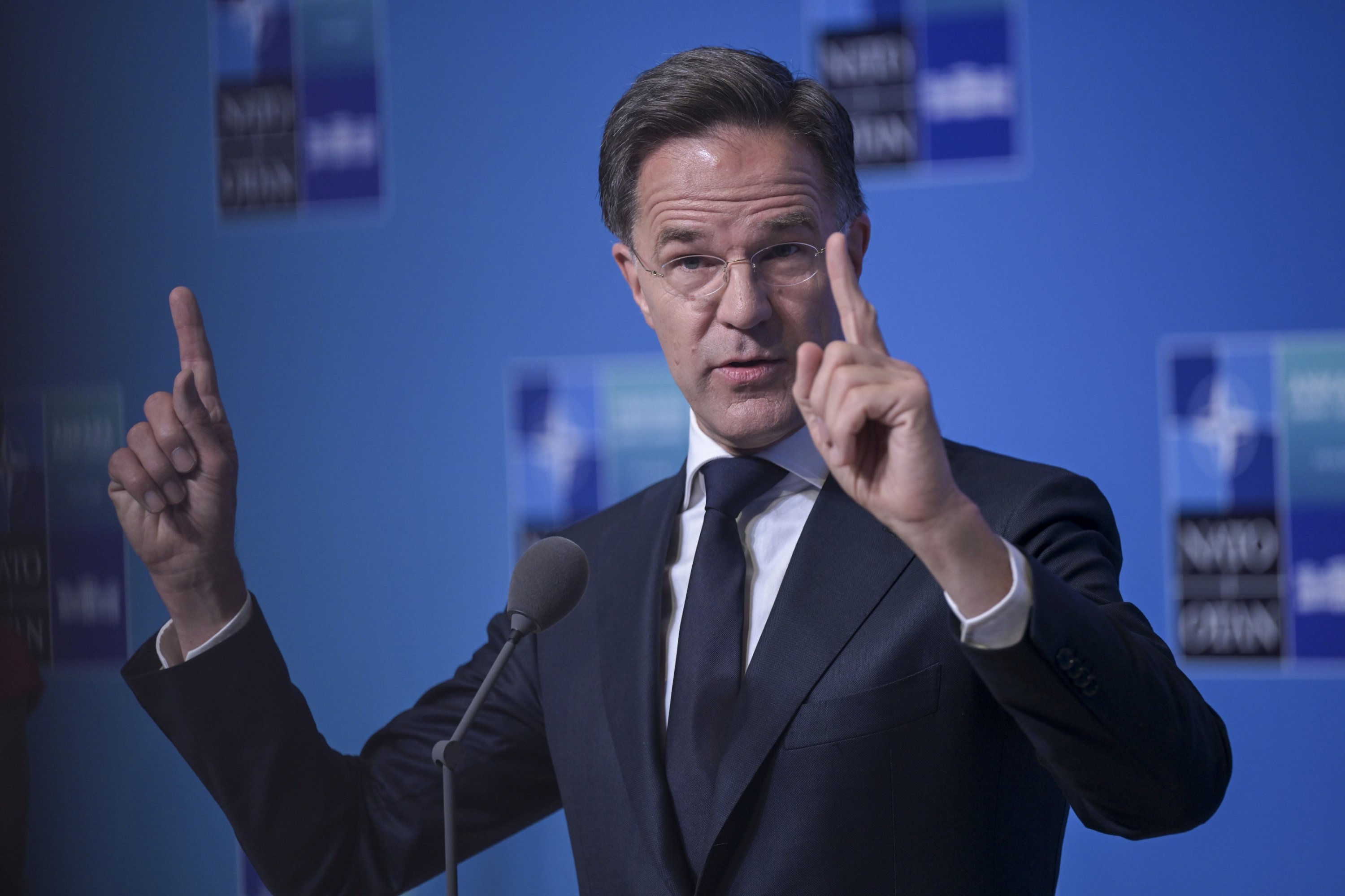
NATO Secretary-General Mark Rutte downplayed US President Donald Trump’s criticism of some alliance members on Tuesday and stated that Washington remained completely committed to N...
09
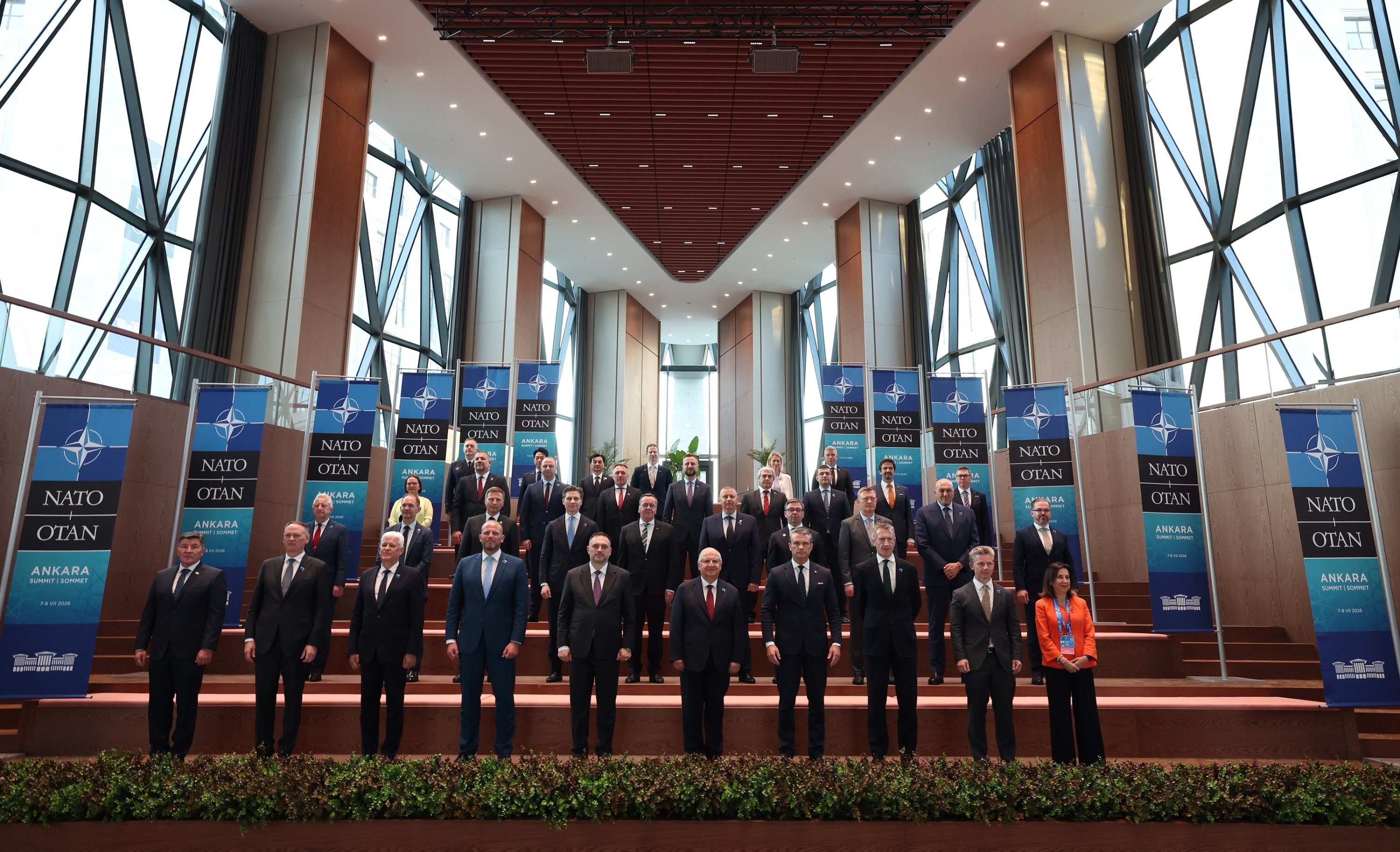
Turkish National Defense Minister Yaşar Güler welcomed NATO defense ministers and senior alliance officials to the Ay Yıldız (Crescent and Star) Joint Headquarters in Ankara on Tue...
10
First Lady Emine Erdoğan on Tuesday said she was honored to welcome NATO leaders and their spouses to an official dinner held during the 36th NATO Heads of State and Government Sum...
11
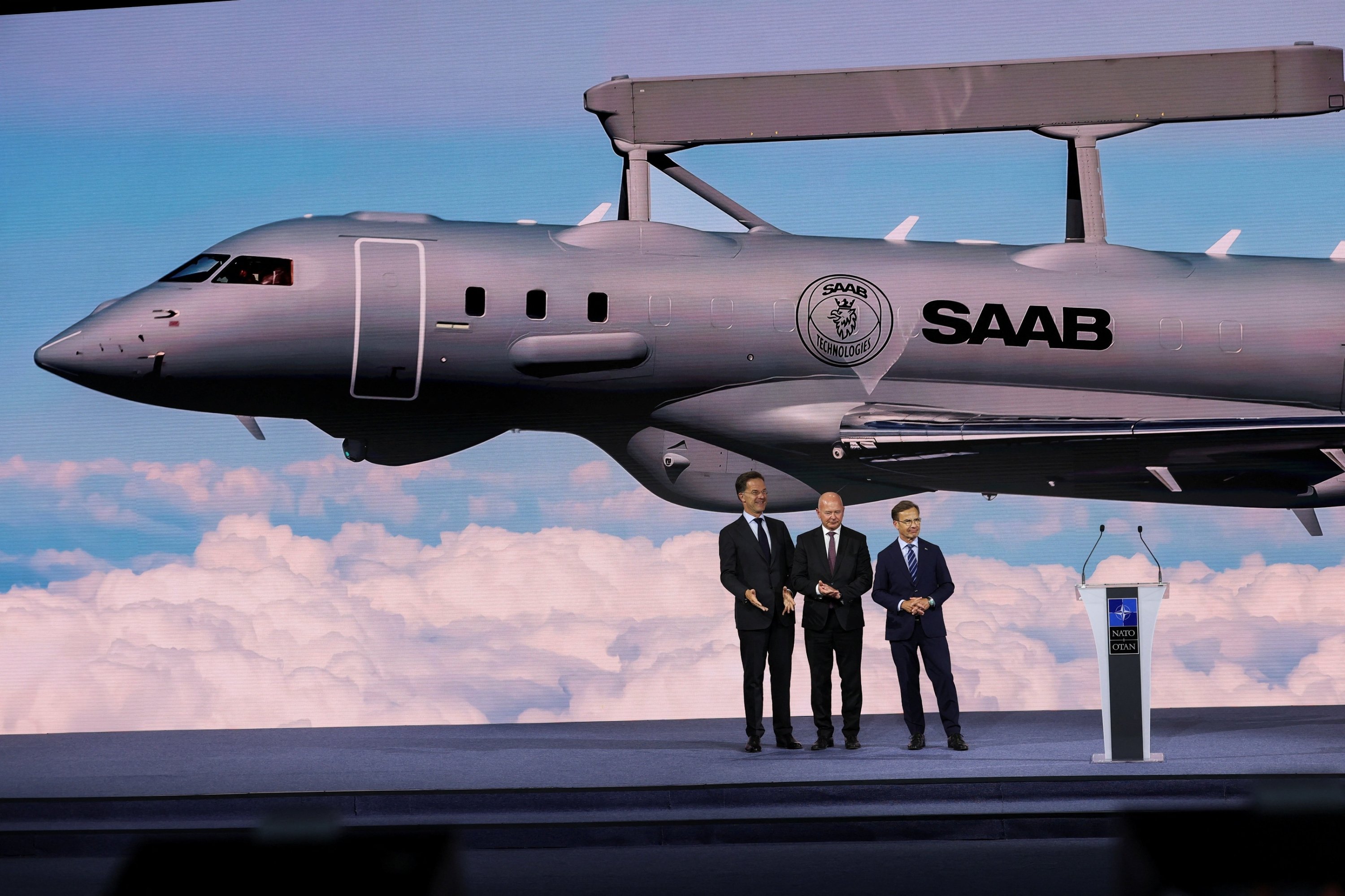
NATO will establish a strategic airlift fleet of Airbus A400M transport planes, add an A330 MRTT tanker to its fleet and spend about $4.5 billion to acquire up to 10 Saab GlobalEye...
12
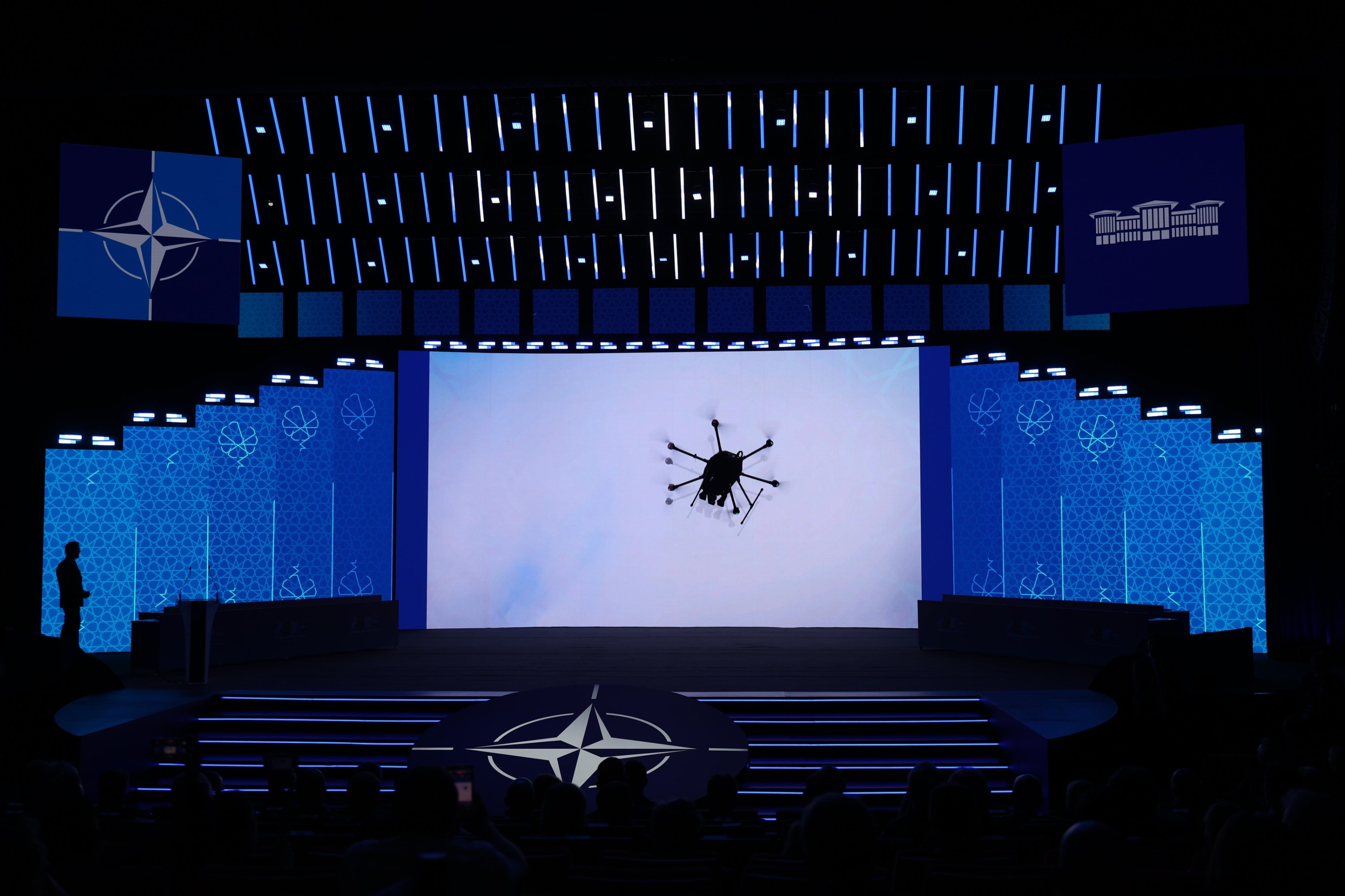
Turkish defense majors Roketsan and Aselsan welcomed on Tuesday defense industry agreements covering several strategic capability areas, signed at the NATO Defense Industry Forum h...
13
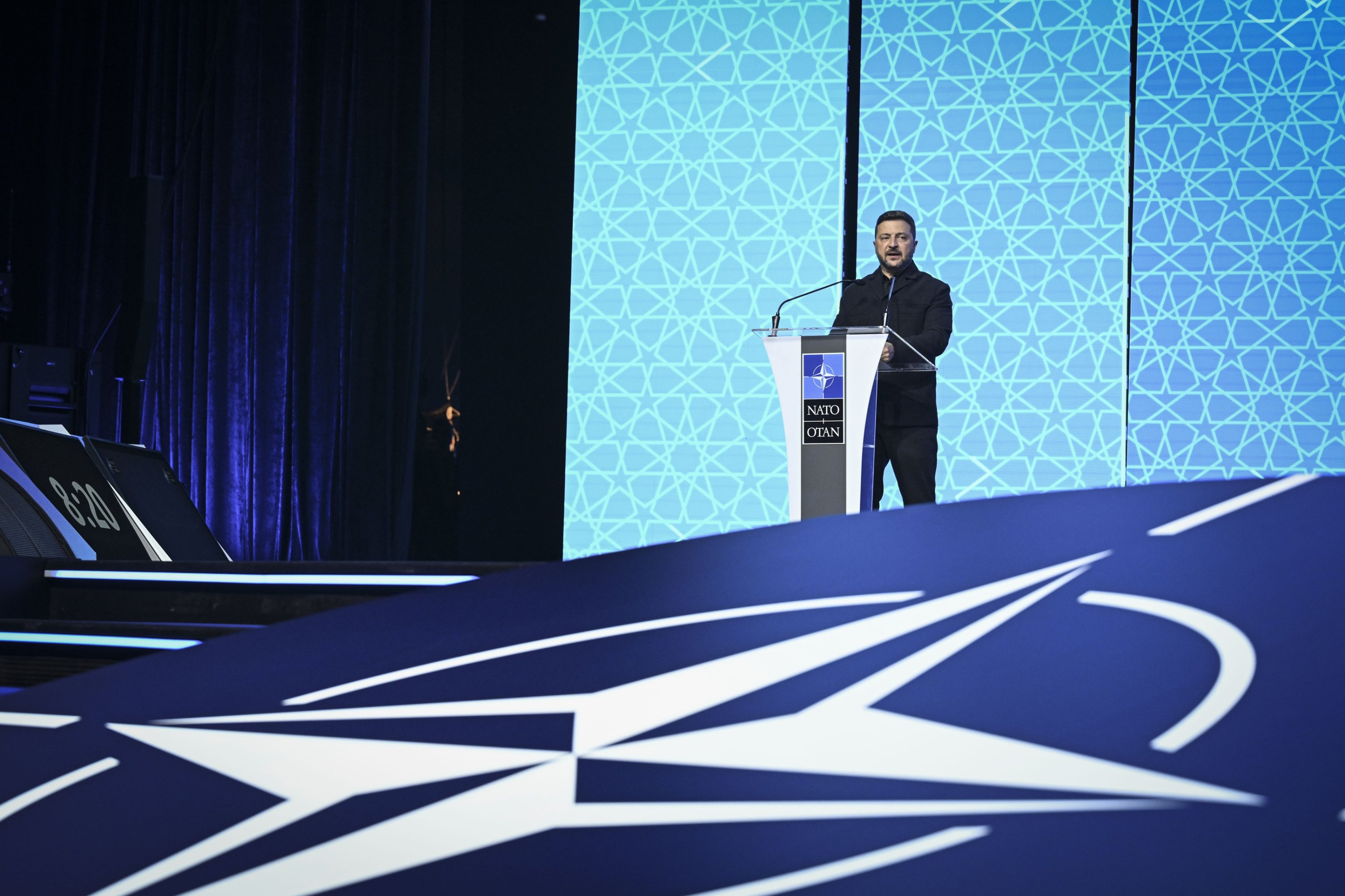
Ukrainian President Volodymyr Zelenskyy argued in Ankara Tuesday that his country's experienced forces would strengthen NATO’s defenses as he renewed his call for Kyiv to join...
14
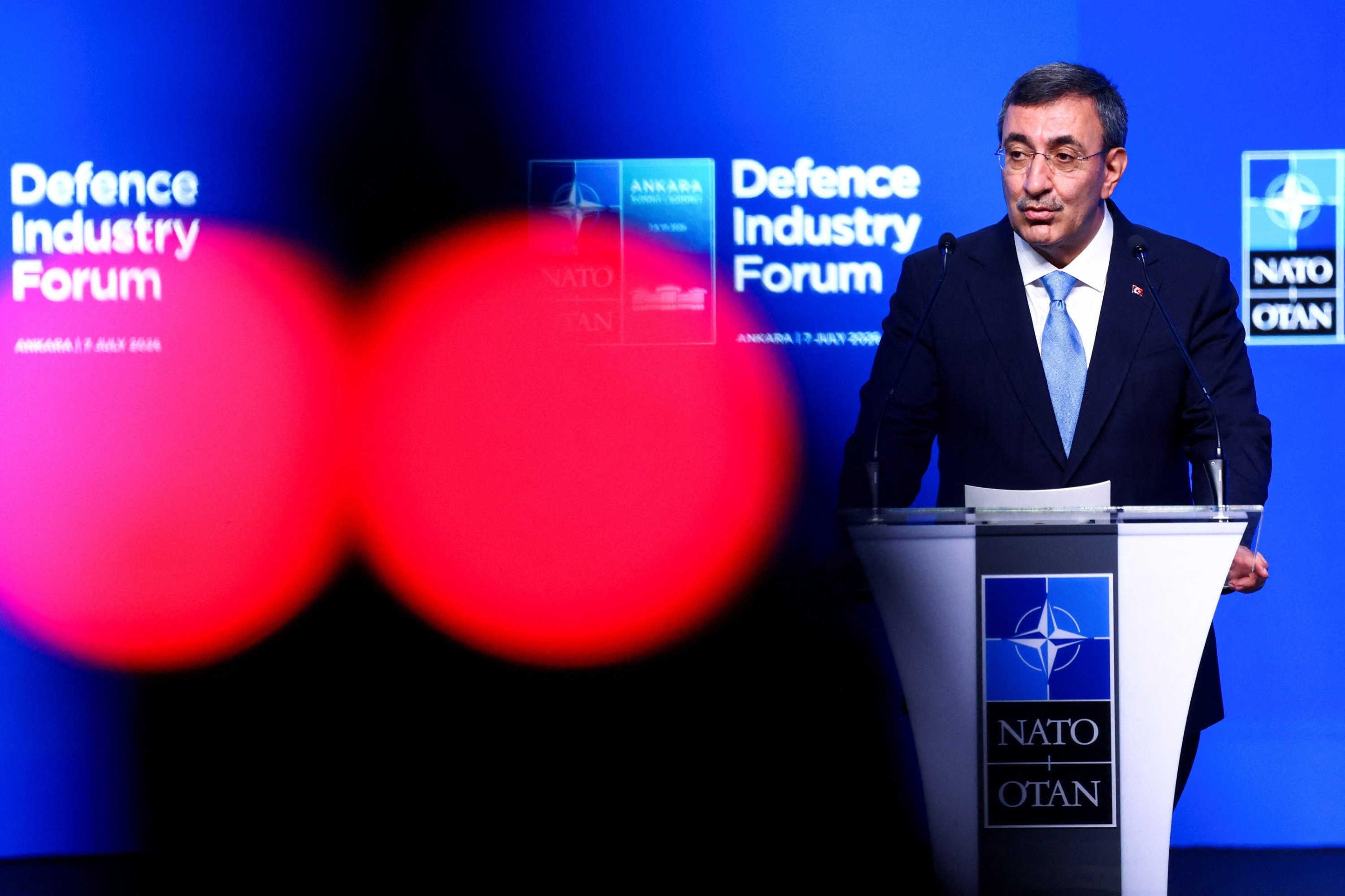
Türkiye urged NATO members Tuesday to eliminate defense trade restrictions and sanctions among allies, arguing that closer industrial cooperation is essential to strengthening mili...
15
“La guerra sta per finire”, ma la Nato si riarma: commesse per 50 miliardi
The White House is optimistic: "Russia and Ukraine want peace." Von der Leyen: “We have entered a phase of our security”
16
Vertice Nato, Meloni arriva per ultima poi la cena ad alta tensione: “Trump? Rapporti cordiali”
At the table that opens the proceedings, the chairs of the host and secretary Rutte separate the prime minister from the tycoon
17
Crosetto: “Con gli Usa ricuciremo. Infiltrazioni russe, sono ovunque”
The Minister of Defense: "Trump is angry with us for Iran but he will not reduce the bases. We will respect our commitments to NATO"
18
Hodges: “È tempo che l’Europa ritrovi la fiducia in se stessa. Unita avrebbe un potere enorme”
The retired American general speaks: "The future of the continent cannot be decided in Moscow or Washington"
19
Trump critica a países europeos por no ayudar a EE. UU. en Irán y cuestiona el gasto de los aliados antes de cumbre de la Otán
The alliance summit started this Tuesday in Ankara with defense spending and the future of military cooperation as its central focus.
20
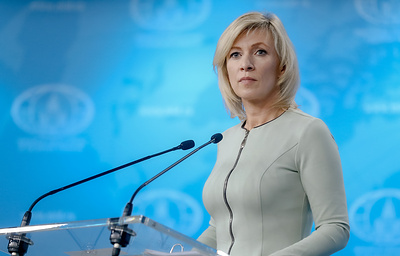
Захарова: страны НАТО будут гонять Зеленского на саммите как мяч для пинг-понга
The official representative of the Russian Foreign Ministry expressed confidence that on the sidelines the West will raise the issue of Kiev terrorism
⚑ 1 language note
"Kiev terrorism" — State-sanctioned framing labeling Ukrainian government actions as 'terrorism' rather than military operations or counterattacks
21
Рютте ожидает, что НАТО вновь назовет РФ угрозой по итогам саммита в Анкаре
The Alliance Secretary General hopes that member countries will recognize that Russia poses a threat in the long term
22
Рютте: на саммите НАТО дадут обязательства далее поддерживать Украину
This was stated by the Alliance Secretary General before the start of the second day of the meeting.
23
Рютте: на саммите НАТО обсудят ситуацию вокруг Ирана
Iran should never possess nuclear weapons, alliance secretary general said
24
防衛投資拡大アピール NATO首脳
25
ANKARA, Turkey — President Lee Jae Myung left his first NATO summit with both a vision and a vehicle to advance it: a proposal to move South Korea beyond the role of an arms exporter toward deeper defense industrial…

26
Hanwha Aerospace took part in the NATO Defense Industry Forum in Ankara, Turkey, on Tuesday, highlighting its expanding manufacturing footprint in Europe and calling for deeper defense cooperation between NATO and…

27
NATO will establish a strategic airlift fleet of Airbus A400M transport planes, add an A330 MRTT tanker to its fleet and spend about $4.5 billion to acquire up to 10 Saab GlobalEye...
AI read
What the coverage agrees on, and where it splits
This view is generated from the clustered articles, so it is best read as a map of coverage rather than a replacement for the source reporting.
Broadly agreed
- All covering sources confirm the summit is taking place in Ankara over two days with all 32 NATO member leaders present.
- Sources broadly agree the summit agenda centres on Ukraine support commitments, defence spending targets, and the Iran escalation.
- Multiple sources confirm a major new missile programme worth approximately £37 billion/50 billion euros was announced.
Contested framing
- TASS frames the summit as a charade where allies will 'chase Zelensky like a ping-pong ball,' while BBC and Irish Times frame it as a genuine collective security milestone with substantive commitments.
- Daily Sabah frames Turkey's hosting role as cementing its indispensable strategic position; La Repubblica and CNN both note Trump's tense dynamics with European leaders including Meloni.
- Deutsche Welle emphasises structural sustainability of European defence; Korea Herald and Japan Times frame the summit through Asian alliance-extension opportunities rather than intra-European tensions.
Still unclear
Whether Trump will formally re-commit to NATO's collective defence Article 5 guarantee at this summit has not been confirmed in the available summaries.
Notable omissions
Russian state media TASS provides no substantive coverage of summit decisions or European defence commitments, focusing entirely on mockery of the proceedings rather than the substantive defence industry announcements confirmed by Western sources.
Quality check
This page reflects primarily Western alliance perspectives; Russian and Asian strategic framings are underrepresented or absent.
- Trump's formal Article 5 commitment status remains unconfirmed despite being listed as key unknown
- Russian state media (TASS) provides no substantive coverage, creating one-sided Western framing of summit achievements
- Asian outlet framing (Korea Herald, Japan Times) on alliance-extension opportunities is isolated—no Western outlets engage this dimension
- Characterization of summit as 'genuine collective security milestone' vs. 'charade' is unresolved by available reporting
Review confidence: 81%
Signal strength
4/5
Narrative divergence
11
Sources compared
1
Days in coverage
How each outlet frames this story
Divergence
4/5
Narrative Divergence
How differently the sources covering this story frame it — measured by tone, emphasis, and what each outlet chooses to highlight or omit.
1 — Sources frame the story almost identically
2 — Minor differences in tone or emphasis
3 — Noticeable differences; some outlets highlight what others omit
4 — Stark contrasts; conflicting narratives
5 — Sources tell fundamentally different stories
British
BBC leads with the £37 billion NATO missile project announcement, framing the summit through institutional protocol and collective security achievement.
German
Deutsche Welle focuses on Kyiv strikes ahead of the summit, asking 'what is Putin's goal,' and frames European defence buildup through structural sustainability rather than militaristic capability.
Turkish
Daily Sabah extensively covers Erdoğan's hosting of Trump, Turkey's defence industry deals, and the NATO reception at Turkey's military HQ, positioning Turkey as indispensable alliance hub.
Brazilian
Folha de S.Paulo frames the summit as dominated by 'military business,' emphasising Trump's criticism of allies and demands over Greenland as institutional accountability failures.
Italian
La Repubblica covers Meloni's difficult positioning at the summit dinner with Trump, and Defence Minister Crosetto's comments on Iranian anger and alliance commitments, through elite institutional competence lens.
South Korean
Korea Herald frames President Lee's NATO attendance as an opportunity to propose 'Korea-NATO 2.0' from arms sales to co-production, emphasising alliance-deepening as strategic benefit.
Russian
TASS's Zakharova mocks the summit, saying NATO countries will 'chase Zelensky like a ping-pong ball,' framing the alliance as internally divided and performative.
Colombian
El Tiempo frames Trump's criticism of European defence spending and NATO allies as evidence of US executive institutional irresponsibility examined through civic accountability lens.
Japanese
Yahoo Japan reports NATO leaders appealing to expand defence investment, framing the summit primarily through the lens of collective security burden-sharing.
Singaporean
Straits Times reports NATO leaders meeting in Ankara after Trump rekindles disputes over Iran and Greenland, with terse facts-first focus on alliance logistics and outcomes.