US and Iran trade strikes after tankers hit in Strait of Hormuz
The US military says it hit missile sites and command centres while Iran says it attacked US bases.

Renewed US military strikes on Iran and Iranian counter-strikes on US bases in Bahrain and Kuwait represent the most serious escalation in the Persian Gulf in decades, threatening global oil supply routes and...
BBC News, Deutsche Welle, and Straits Times lead with the US military's characterization of strikes as defensive responses to Iranian attacks on vessels in the Strait of Hormuz, centering official US rationales. The Hindu and Folha de S.Paulo foreground Iran's accusation that the US violated a memorandum of understanding, shifting emphasis to Iranian legal claims rather than military justifications.
CNA and Dawn report Iranian counter-strikes on US bases in Bahrain and Kuwait as sequential developments following US action, treating the escalation as a cyclical exchange. Straits Times quantifies the strikes (over 80 targets) while The Hindu emphasizes US demands for stronger air defenses, introducing questions about defensive adequacy alongside offensive action.
US military says it hit missile sites and command centres
US military said it struck Iranian targets after Iranian attacks
US military unleashed new wave of strikes, revoked oil license
Iran targets sites in Bahrain, Kuwait after US strikes
US Central Command completed new round of strikes over 80 targets
IRGC said they hit dozens of US military facilities in response
US Central Command said powerful strikes in response to Iranian attacks
The number of casualties from US strikes on Iran, the extent of damage to the school reportedly hit, and whether Iran will resume negotiations remain unverified across available summaries.
People's Daily and TASS both avoid any critical framing of their respective aligned parties' roles; People's Daily is entirely absent from this story, while TASS confines its coverage to NATO summit procedural statements rather than the military exchange itself.
BBC frames the exchange as a bilateral military action with institutional accountability focus, documenting both US strikes on missile sites and Iran's counter-attacks on US bases, emphasising decision-maker interrogation and civilian consequences.
Deutsche Welle emphasises institutional sustainability and endurance, framing the Hormuz standoff through energy infrastructure shock affecting Germany's economic resilience, with de-escalatory framing sustained.
The Hindu maintains non-aligned framing, reporting Iranian accusations that the US violated the memorandum of understanding, without endorsing either side's narrative and emphasising India's independent strategic positioning.
Folha de S.Paulo reports three ships hit and Iran conditioning negotiations on end of US threats, integrating humanitarian consequence framing with structural accountability analysis of the ceasefire collapse.
Dawn leads with Qatar's condemnation of the Iranian attack on its LNG vessel and the three-ship strike, framing the Hormuz flare-up through regional energy security and diplomatic consequence.
CNN frames the strikes as the most significant test of the ceasefire, reporting exclusively that US commanders bypassed warnings about outdated intelligence ahead of a strike that hit a school in Iran.
Le Monde analyzes the resumption of tensions through expert institutional decision-making interpretation, noting the attacks came twenty days after a memorandum of understanding was signed between the parties.
The National emphasises oil price surge and Gulf regional collective security, framing events through Gulf strategic autonomy and energy sector impacts without Western alignment emphasis.
Times of Israel reports Iran firing at commercial ships including a Qatari gas tanker, framing the events through Iran's nuclear threat context and US-Israel divergences on Iran policy.
El Tiempo frames US strikes as executive institutional decision-making accountability, positioning the strikes as a response to oil tanker attacks and noting the reactivation of oil sanctions.
CNA and Straits Times report Iran targeting Bahrain and Kuwait after US strikes, with terse facts-first supply-chain consequence framing emphasising logistics disruption to LNG routes.
Yahoo Japan reports US military attacks on Iran in response to commercial ship attacks, framing through Asian energy security institutional vulnerability without military positioning.
Daily Maverick reports the LNG tanker explosion risk and US oil sanctions reinstatement, using Reuters wire copy with institutional accountability framing around the ceasefire collapse.
TASS reports Rutte confirming Iran will be discussed at the NATO summit and Iran should never possess nuclear weapons, using zero-sum geopolitical framing and strategic narrative protection.
This page maps the coverage. The 27 articles below are the original reports the comparison is drawn from — open them for each publisher's full reporting.
The US military says it hit missile sites and command centres while Iran says it attacked US bases.
The US military said it struck Iranian targets after more Iranian attacks on vessels in the Strait of Hormuz. Iran condemned the strikes, threatening to retaliate.
July 7 (Reuters) - The U.S. military unleashed a new wave of strikes against Iran on Tuesday and revoked a licence allowing the country to sell oil after three tankers were hit by projectiles in the Strait of Hormuz,…
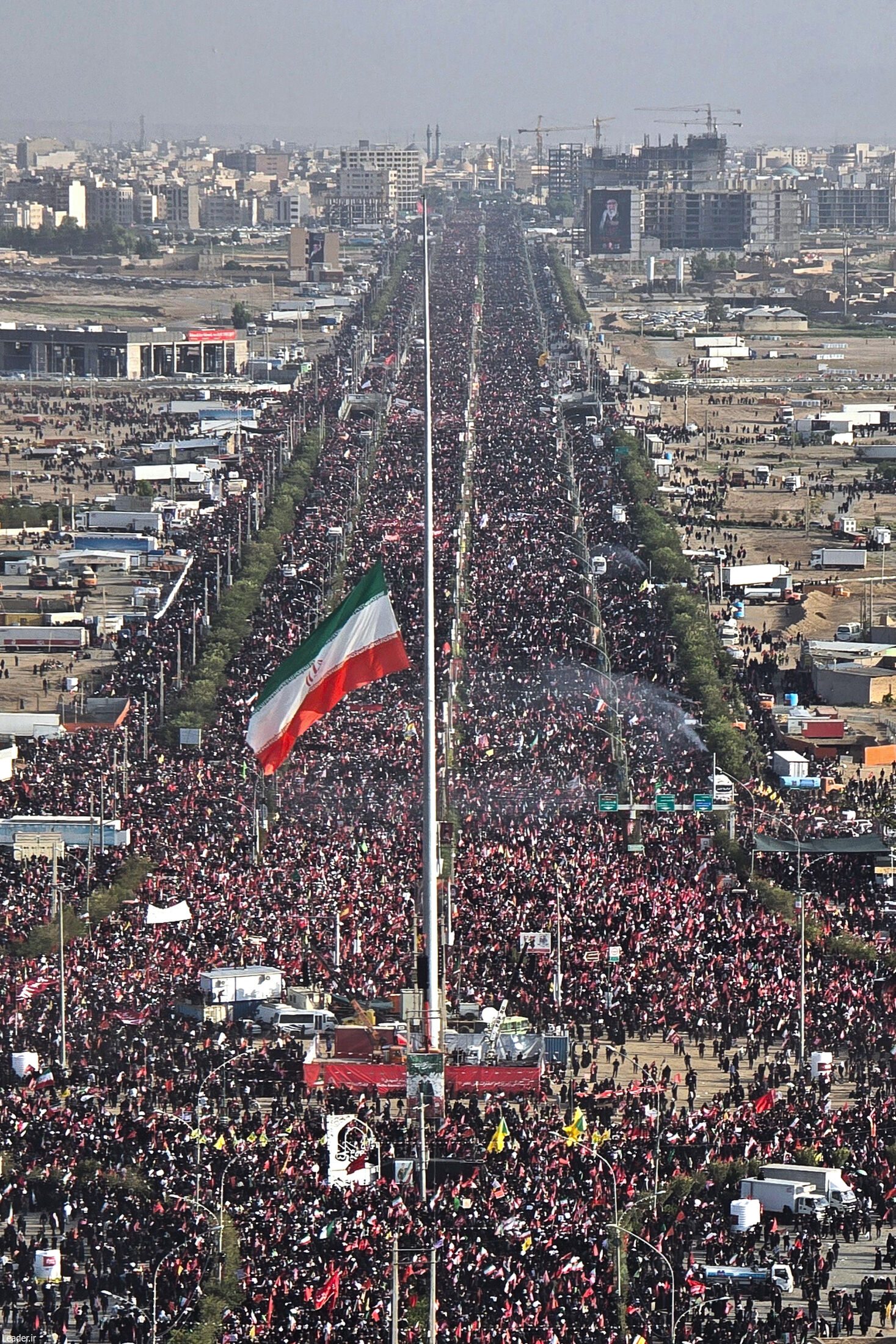
The US had launched strikes on Iran on Tuesday, after three commercial vessels were attacked in the Strait of Hormuz.

WASHINGTON, July 7 - The U.S. Central Command said on Tuesday it completed a new round of strikes on Iran and that it had struck over 80 targets during its latest attacks.
July 8 - Iran's Revolutionary Guards said they targeted U.S. military sites in Bahrain and Kuwait on Wednesday after the U.S.
Iran’s Revolutionary Guards (IRGC) said on Wednesday they had hit dozens of US military facilities in Bahrain and Kuwait in response to American strikes, in a statement carried by state broadcaster IRIB . “In an initial…
U.S. Central Command said the "powerful" strikes were in response to Iranian attacks on ships transiting the vital waterway and would "impose heavy costs for targeting and attacking commercial shipping"
Iran's Foreign Ministry accused the United States of repeatedly violating the memorandum of understanding agreed between the two sides and threatened retaliation

Both of those ships sustained some damage, but no one was injured; at least one of the vessels continued on its way, the maritime agency said

The United States Armed Forces carried out a new series of attacks against Iran, the US Central Command reported on Tuesday (7), adding that the action was a response to what it described as…
Three ships were hit in the Strait of Hormuz this Tuesday (7), and Iran stated that there will be no new peace negotiations until United States President Donald Trump stops his repeated...
Washington resumed sanctions against the Islamic Republic's crude oil for the attack on three ships in the maritime passage.

Three ships, including a Qatari ship transporting liquefied natural gas, were hit by projectiles in the sea passage.
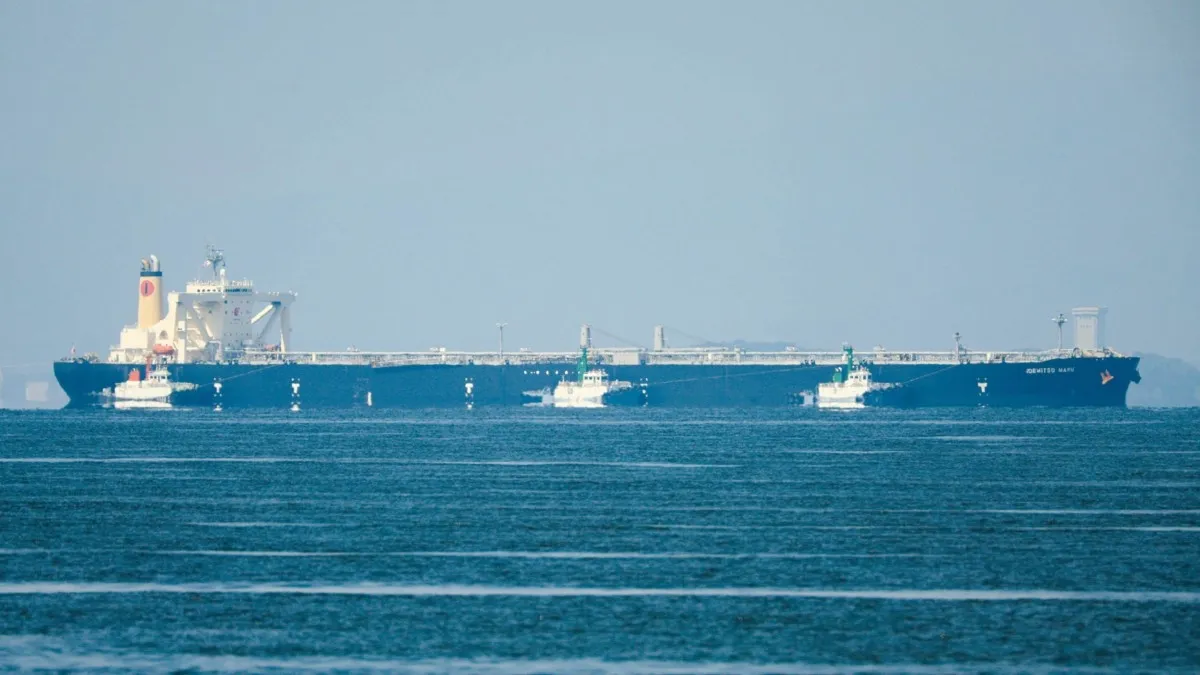
The resumption of tensions between Washington and Tehran comes twenty days after the signing of a memorandum of understanding between the two parties, supposed to guarantee the security of this maritime route, essential to trade...
DUBAI, United Arab Emirates (AP) — The US military attacked Iran early Wednesday after it said Tehran struck three ships in the Strait of Hormuz, part of an American effort that also revoked the Islamic Republic’s…


US strikes Iran and reimposes oil sanctions as ceasefire faces one of its most significant tests CNN
Iran said to fire at 2 commercial ships in Strait of Hormuz, including Qatari gas tanker The Times of Israel
Washington resumed sanctions against the Islamic Republic's crude oil for the attack on three ships in the maritime passage.
Three ships, including a Qatari ship transporting liquefied natural gas, were hit by projectiles in the sea passage.
Washington resumed sanctions against the Islamic Republic's crude oil for the attack on three ships in the maritime passage.