El Niño is a state which can linger for up to 12 months and disrupt weather patterns across the globe, with Australia especially prone.
How the world covered this
Read the editorial comparison
Prose synthesis of how each outlet framed the story, with side-by-side outlet quotes and divergence notes.
4 articles from 4 sources
01
02
Hotter, drier weather is impeding rice and palm-oil production as households across Southeast Asia struggle with higher fuel, food and transport costs.
03
Heatwave conditions build over much of continent, while mild start to winter continues in parts of Australia Hot weather is expected across Europe this week as heatwave conditions build over large swathes of the…
04
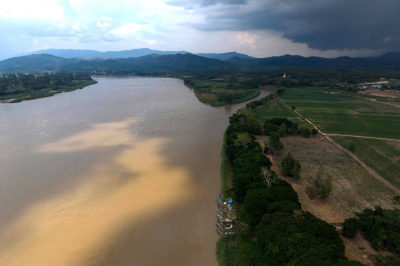
Doctors have found elevated levels of toxic arsenic in those who work on the river, which passes through China, Myanmar, Thailand, Laos, Cambodia and Vietnam.
AI read
What the coverage agrees on, and where it splits
This view is generated from the clustered articles, so it is best read as a map of coverage rather than a replacement for the source reporting.
Broadly agreed
- Australia's Bureau of Meteorology has formally declared El Niño conditions, which can last up to 12 months and disrupt global weather.
- Multiple sources confirm El Niño is already affecting Southeast Asian agriculture — rice and palm oil production — and contributing to Saharan heat conditions extending into Europe.
Contested framing
- ABC Australia foregrounds Australian vulnerability and the potential record intensity; Deutsche Welle focuses on Southeast Asian developing-country livelihood impacts, reflecting different prioritisation of who counts as most affected.
Still unclear
Whether the 2026 El Niño will indeed surpass 2015-16 as the strongest on record, and the precise duration and intensity of its global impacts, remain scientifically unconfirmed at this stage.
Notable omissions
No outlet connects the El Niño declaration to the global food security implications of simultaneous disruption to Southeast Asian rice production, European wheat crops under heat stress, and Australian agricultural exports — a critical integrated analysis gap.
Quality check
El Niño is declared; whether it becomes record-breaking and global food security implications remain uncertain.
- Critical omission: No integrated analysis connecting El Niño to simultaneous disruption of Southeast Asian rice, European wheat, and Australian agricultural exports—global food security gap.
- Unknown: Whether 2026 El Niño will surpass 2015-16 as strongest on record remains scientifically unconfirmed.
- Framing divergence (Australian vulnerability vs. Southeast Asian livelihood impact) reflects outlet prioritisation; both are legitimate but incomplete separately.
- Duration and intensity remain unconfirmed despite being material to economic impact assessment.
Review confidence: 75%
Signal strength
2/5
Narrative divergence
4
Sources compared
1
Days in coverage
How each outlet frames this story
Divergence
2/5
Narrative Divergence
How differently the sources covering this story frame it — measured by tone, emphasis, and what each outlet chooses to highlight or omit.
1 — Sources frame the story almost identically
2 — Minor differences in tone or emphasis
3 — Noticeable differences; some outlets highlight what others omit
4 — Stark contrasts; conflicting narratives
5 — Sources tell fundamentally different stories
Australian
ABC Australia reports the Bureau of Meteorology has declared El Niño, noting it could become the strongest on record and can linger for up to 12 months, disrupting weather patterns globally with Australia especially vulnerable.
German
Deutsche Welle reports El Niño is threatening livelihoods in Southeast Asia, with hotter and drier weather impeding rice and palm-oil production as households struggle with higher fuel, food, and commodity costs.
British
The Guardian reports a Saharan heat dome building over much of Europe with extreme temperatures forecast, and separately covers mild winter conditions in parts of Australia — consistent with El Niño patterns.
Japanese
Japan Times reports the poorest communities are on the front line as arsenic in the Mekong River hits nine times the danger level, with doctors finding elevated toxin levels in those working on the river passing through China, Myanmar, and Southeast Asia.