The US vice-president says the agreement is "about a page and a half" and "very general", meaning many details will be worked out later.
How the world covered this
Read the editorial comparison
Prose synthesis of how each outlet framed the story, with side-by-side outlet quotes and divergence notes.
67 articles from 15 sources
01

02
Donald Trump's ceasefire agreement with Iran leaves the Israeli PM trapped in a new political and security dilemma.

03
The deal to end fighting and re-open the Strait of Hormuz leaves the sides where they were 24 hours before the war - only with thousands now dead.

04
The true test of Trump’s Iran agreement will come only if the fighting stops CNN
05
Agreement with Iran reached, Trump says CNN
06
The deal follows weeks of fraught negotiations and threats of renewed hostilities, but key details remain unclear.
07
In media interviews here, Mr. Vance said the peace agreement was signed digitally on June 14, and its full text was likely to be made public later this week

08
The signing of the deal on June 19 will kick off a 60-day period in which Tehran and Washington will try to hammer out a full-scale peace deal

09
India’s Permanent Representative to the UN Harish Parvathaneni was addressing the meeting, with focus on the ‘Elements Paper’, a document that contains points of convergences and divergences of UN member states on…

10
The draft MoU appears to defer the hardest questions rather than resolve them. This approach will suit Tehran because it preserves Iran’s existing nuclear capabilities

11
PM Modi is expected to meet Donald Trump on the sidelines of the G7 summit
12
Emmanuel Macron said he'll seek to persuade Donald Trump to continue supporting Ukraine and increase pressure on Russia to help reach a peace agreement

13
Trump diz que estreito de Hormuz está aberto, enquanto Irã promete cobrar taxas
The day after announcing that they had reached an agreement to end the war that began in February, which would pave the way for the resumption of maritime trade in the Strait of Hormuz, the United States and Iran issued…
14
Trump afirma que Hormuz não terá pedágio, e Irã fala em cobrança de taxas
The President of the United States, Donald Trump, stated this Monday (15) that passage through the Strait of Hormuz is already taking place in corridors and that it will be free for all ships. Read more (06/15/2026 -…
15
União Europeia saúda acordo com Irã, mas cobra resultados: 'Hormuz precisa reabrir sem restrições'
The president of the European Commission, Ursula von der Leyen, welcomed the agreement between the United States and Iran this Monday (15), but made it clear that the bloc demands concrete results. Read more (06/15/2026 - 1:21 pm)
16
França e Reino Unido dizem estar prontos para missão militar no estreito de Hormuz
French President Emmanuel Macron said, this Monday afternoon (15), during the opening of the G7 in the French Alps, that France and the United Kingdom are ready to lead a joint military escort and…
17
Paz no Oriente Médio pauta chegada dos líderes do G7; Lula é um dos primeiros a desembarcar
The agreement announced on Sunday (14) between the United States and Iran to end the war in the Middle East dominates the scenes at the opening of the 52nd G7 summit, this Monday (15), in Évian-les-Bains, in the Alps…
18
Trump assina acordo com Irã que pode ser pior do que o de Obama
After one hundred days of war, 7,500 deaths and around US$100 billion spent, President Donald Trump ended up signing an agreement with Iran that could be worse than the one signed by Barack Obama in 2015 and excoriated by…
19
Entenda o acordo entre os Estados Unidos e o Irã
The United States and Iran have reached a preliminary agreement to cease hostilities for 60 days and reopen the Strait of Hormuz, paving the way for future negotiations that could ultimately end the war...
20
L’Iran et les Etats-Unis annoncent un accord pour arrêter la guerre au Moyen-Orient, avant une seconde phase de négociations sur les sujets qui fâchent
The protocol, which must be signed on June 19, sets the principles for an end to the fighting, before a sixty-day phase of negotiations on the Iranian nuclear program, stocks of enriched uranium and the lifting of...
21
A proposed US-Iran deal to reopen the Strait of Hormuz is raising hopes for global shipping and oil markets. But naval mines, high insurance costs and geopolitical risks mean disruption could persist for months.
22
A peace deal between the US and Iran is due to be signed this week — and while the hopes of peace may yet be dashed, the news alone was enough to trigger celebrations, backlash and political infighting on both sides.
23
A potential US-Iran deal to end the war and reopen the Strait of Hormuz could ease the global energy crunch, but oil prices and supplies may take months to stabilize as shipping restarts and infrastructure recovers.
24
There are still mines in the Straight of Hormuz, delaying the opening for commercial shipping. How dangerous are naval mines, and what can be done to clear them?
25
One of the most striking aspects of the agreement reached between Iran and the United States is that the nuclear issue has not been resolved outright but instead has been pushed in...

26
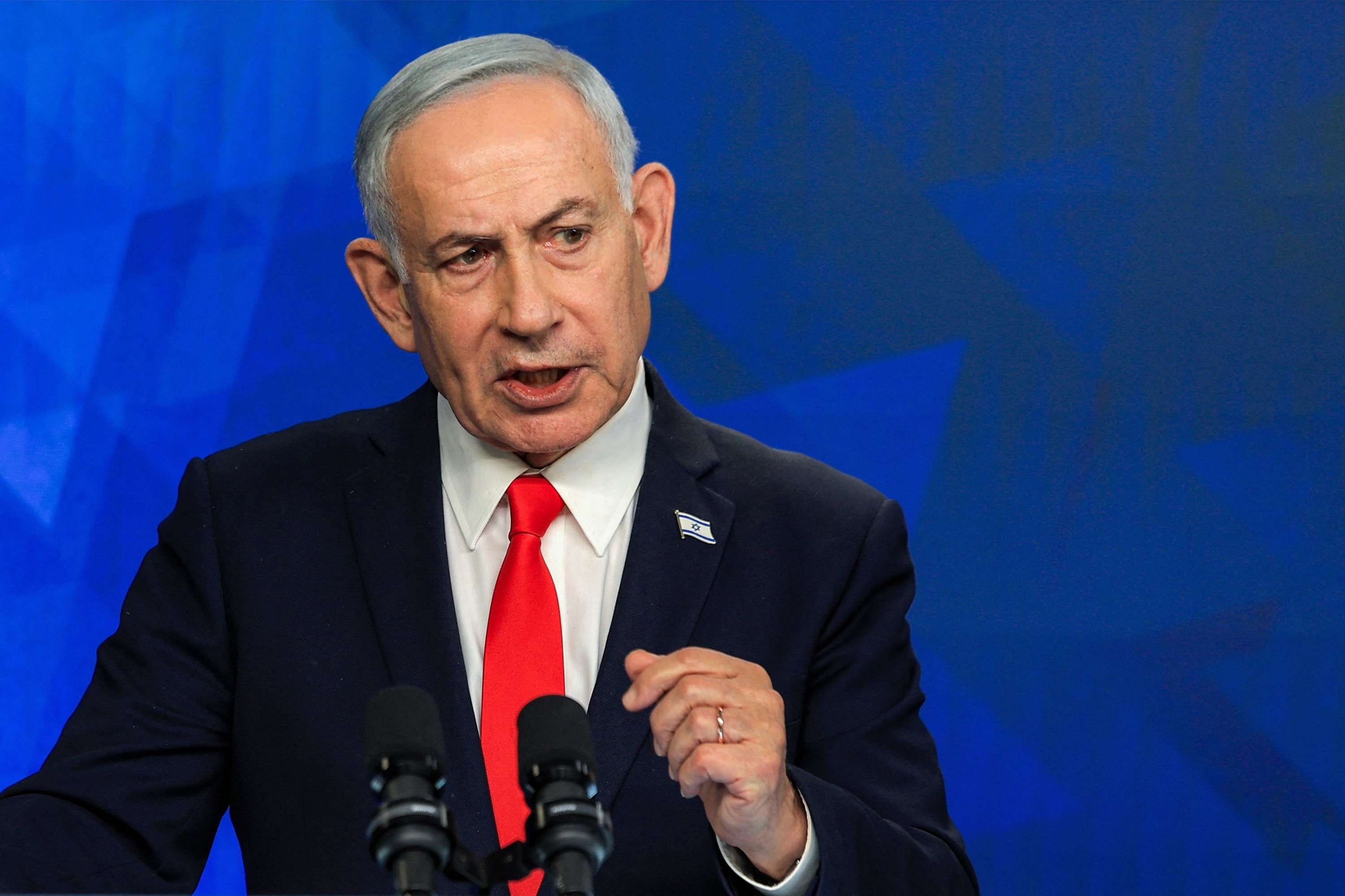
Israeli Prime Minister Benjamin Netanyahu pledged on Monday for his country's forces to remain in Gaza, Lebanon and Syria 'for as long as necessary,' hours after a deal was an...
27
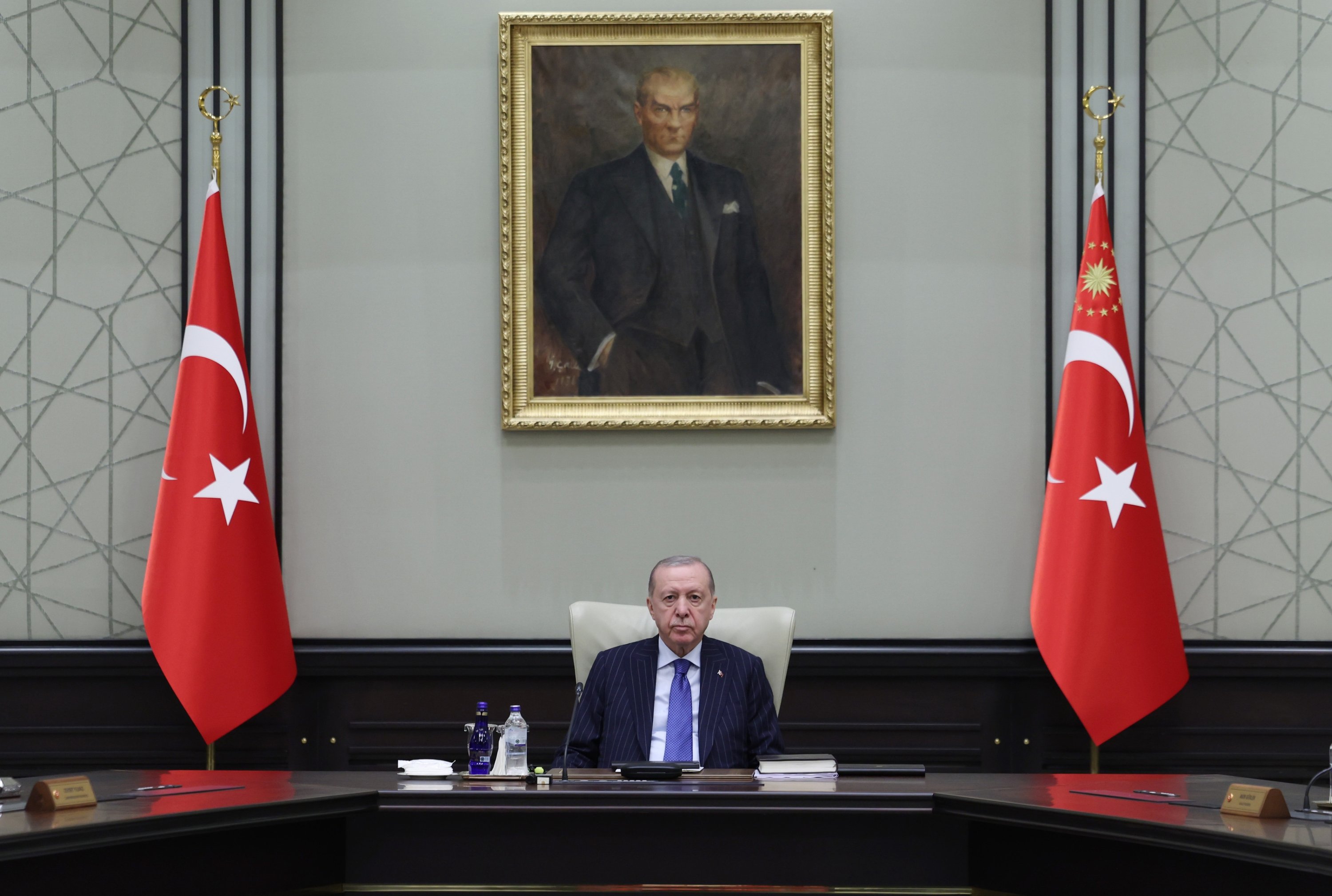
President Recep Tayyip Erdoğan on Monday said Türkiye had consistently pursued a prudent, measured and diplomacy-first policy since the outbreak of attacks on Iran, emphasizing...
28
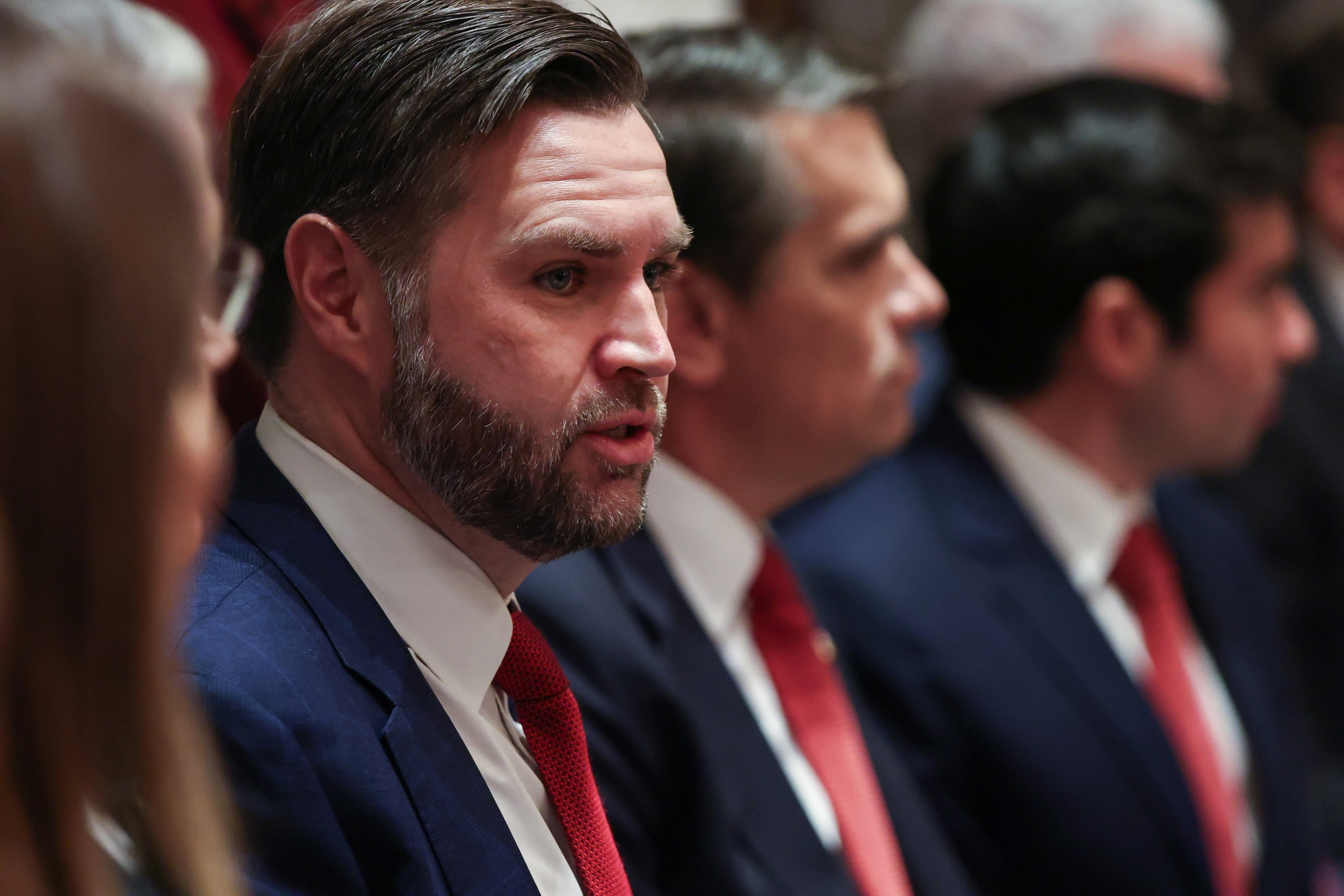
President Donald Trump, Vice President JD Vance and Iranian Parliament Speaker Mohammad Bagher Ghalibaf have digitally signed a memorandum of understanding between the United State...
29
Hezbollah on Monday welcomed a framework agreement between Iran and the United States aimed at ending their military conflict, while reiterating that it would continue what it desc...

30
Guerra in Iran, le news di oggi. Tre esplosioni a Hormuz dopo la firma digitale dell’accordo di pace
Macron in the bilateral meeting with Trump: "Ready to deploy fighters, frigates and aircraft carriers in the Strait". The tycoon: “A couple of French ships are useful to us”
31
G7, l’Europa in campo. Macron: “Missione per Hormuz”, Trump: “Non serve molto aiuto”
At the Evian summit the US president announces: "The strait will reopen without tolls on Friday". Smiles after the frost with Paris: “Emmanuel a special friend”.
32
Cinque paesi e 12 navi per sminare lo stretto di Hormuz, sei mesi per le bonifiche
Willing and ready to go but there is the issue of long times. The terms of the intervention will need to be agreed with Tehran
33
Via libera vincolato all’ok del Parlamento. Centrosinistra cauto
After the signing in Geneva, the Council of Ministers will have to approve a resolution. The Democratic Party: “First a real peace”.
34
La firma digitale e l’attesa per il vertice tra Vance e Ghalibaf
Biometric data and digital certificates to verify the identity of the parties. Once closed, the document is encrypted and inserted into a control procedure, which involves identity verification, with…
35
Da Hormuz al nucleare, la sequela di omissis del memorandum di pace
The agreement postpones the resolution of the points of disagreement at the origin of the decision to attack the Islamic Republic to future negotiations
36
Petraeus: “Trump vince solo se riuscirà a eliminare l’uranio iraniano già arricchito”
The former head of the CIA: "There are two concrete results: the lifting of the blockade of the Strait and the extension of the ceasefire"
37
In Iran l’ora dell’orgoglio, i generali gonfiano il petto: “Abbiamo sconfitto i nemici”
Caution prevails among political leaders. Pezeshkian: “We will see from the negotiations.”
38
Shipowners will not resume transit through the Strait of Hormuz for weeks until they are confident that the US-Iran deal is “material”, the CEO of Japan’s Mitsui O.S.K. Lines told the Financial Times in an interview…

39
The drones are grounded, tankers are reportedly moving again through the Strait of Hormuz and an electronically signed memorandum of understanding has formalised the pause. After 108 days, thousands dead and hundreds of…

40
Benjamin Netanyahu bet that his joint war alongside Donald Trump would topple Iran’s clerical rulers and bolster himself ahead of the election at home, as the architect of a US-Israeli alliance that would reshape the…

41
A senior US official on Monday said that President Donald Trump and Vice-President J.D. Vance had signed the memorandum of understanding electronically with Iran to formally reopen the Strait of Hormuz and end the…


44
EVIAN-LES-BAINS, France, June 16 - European leaders will warn U.S. President Donald Trump at Tuesday’s G7 summit that a superficial interim Iran deal risks entrenching Tehran's nuclear and ballistic missile programmes,…
45
A US official said it could take as many as two weeks for shipping to significantly increase.
46
The tanker is broadcasting its position as it moves towards the blockade.
47
Shipowners will not resume transit until they are certain the deal is "material".

49
Pakistan could improve economic projections for 2027 after the end of the Iran war, but it is still too early to revise the budget, Finance Minister Muhammad Aurangzeb told Reuters , hours after the US and Iran signed a…
50
Trump llega a Europa para cumbre del G7 tras alcanzar acuerdo con Irán
The reopening of the Strait of Hormuz and the collection of tariffs by Iran focus the initial discussions of the G7 leaders in Evian.

51
El precio de la tregua: lo que EE. UU. no logró resolver en su ofensiva contra Teherán
The war demonstrated that control of the Strait of Hormuz is a powerful weapon of pressure.

52
Ministros y opositores en Israel critican acuerdo de paz entre Irán y Estados Unidos
They assure that the agreement was negotiated without the consent or participation of Israel

53
The US Vice President described the memorandum of understanding with Iran as very general, indicating the possibility that President Trump will reveal the details of the agreement before next Friday.
54
US President Donald Trump denied the existence of plans to finance a reconstruction fund in Iran, while several Western and Iranian media reported the validity of the information as part of the framework agreement between the two countries.
55
The Financial Times believes that Trump's agreement with Iran ends a costly war, but opens a new internal front, amid high inflation and Republican division, while the agreement may turn into a political burden before the elections if the nuclear negotiations falter.
56
A report by Axios focused on 8 outstanding issues that threaten the agreement between Washington and Tehran, most notably the fate of the nuclear program, the opening of the Strait of Hormuz, sanctions, and the role of Israel, amid ambiguity regarding the implementation of the terms and the possibility of a return to war if the negotiations fail.
57
The Financial Times believes that the Washington-Tehran agreement represents the least bad option for ending a war sparked by Trump, but it remains fragile and dependent on Netanyahu’s restraint, amid the postponement of the nuclear files and the continued risk of the collapse of the diplomatic track.
58
Choosing Geneva to sign the memorandum of understanding between Washington and Tehran reflects an effort to give it international and symbolic weight, avoid regional sensitivities, and link it to a long diplomatic path, not just temporary mediation.
59
Presidential and legislative elections haven't taken place in the Palestinian territories for twenty years due to war and occupation, with veteran President Mahmoud Abbas ruling by decree.
60
US, Iran reach deal to end war, reportedly including Lebanon conflict; Trump: Hormuz to open The Times of Israel
61
Senior US official: Pending deal ‘leads to’ Washington getting Iran’s enriched uranium The Times of Israel
62
Report: Israeli officials 'stunned' by Trump's criticism of Netanyahu; president floated Lebanon pullout as part of Iran deal The Times of Israel
63
Israel informed CENTCOM shortly before Beirut strike – report The Times of Israel
64
Trump: Israeli strike on Beirut shouldn't have happened; none of Lebanon should be struck in future The Times of Israel
65
Oil prices fall on US-Iran agreement CNN
66
Apesar de acordo EUA-Irã, Netanyahu fala em manter tropas de Israel no Líbano 'pelo tempo necessário'
Despite the peace agreement announced by the United States and Iran, the Israeli government stated this Monday (15) that its troops will remain in the occupied areas of southern Lebanon for an indefinite period. The understanding…
67
G7 cumpriu 80% das promessas feitas no Canadá em 2025, mas falhou em dívida e Oriente Médio
The G7 that met in Canada in June 2025 fulfilled 80% of what it promised. The problem lies in the remaining 20% - and in what they reveal about the issues on which the group fails most: the debts of developing countries and…
AI read
What the coverage agrees on, and where it splits
This view is generated from the clustered articles, so it is best read as a map of coverage rather than a replacement for the source reporting.
Broadly agreed
- All sources confirm a memorandum of understanding was digitally signed on or around June 14, with a formal Geneva ceremony planned for June 19.
- All covering sources confirm the Strait of Hormuz remains effectively closed to most commercial shipping despite Trump's claims it is already open, with shipowners unwilling to transit for weeks.
- Multiple sources confirm nuclear enrichment, Israeli security concerns, and transit fee disputes were not resolved in the MoU and are deferred to a 60-day negotiation phase.
Contested framing
- Trump and official US sources claim the Strait will be 'completely open' and 'toll-free' by Friday; The Hindu, Straits Times, SCMP, and Japan Times all report maritime intelligence and shipowner statements directly contradict this, with 600 ships still stranded.
- BBC frames the deal as revealing the limits of US dominance; TASS does not substantively cover the deal's geopolitical significance, instead saturating with domestic Russian content.
- La Repubblica and El Tiempo frame the deal as a sequence of dangerous omissions; Daily Sabah and The National frame it as a pragmatic regional security achievement with Iranian strategic ambiguity preserved.
Still unclear
Whether Iran will agree to toll-free Hormuz transit, whether naval mine clearance will proceed cooperatively, whether the nuclear enrichment question will be resolved within 60 days, and whether Israel's continued strikes will collapse the framework all remain unconfirmed.
Notable omissions
People's Daily (whose available articles predate the deal) and TASS provide no substantive coverage of the deal's implications; Russian state media avoids any framing that would credit US diplomatic achievement or acknowledge Russian energy-market exposure to the Hormuz reopening.
Quality check
Read as interim framework with durable durability uncertain; Hormuz reopening will be slower than official US timelines suggest.
- Trump's 'completely open by Friday' claim is directly contradicted by maritime intelligence and shipowner data; presentation correctly flags this but readers should expect delays.
- Critical unknowns remain unresolved: toll arrangements, mine clearance cooperation, nuclear enrichment timeline, and Israel's role in framework durability all defer rather than settle.
- TASS and People's Daily omission means Russia's strategic exposure and official position are absent from consensus framing.
Review confidence: 75%
Signal strength
5/5
Narrative divergence
15
Sources compared
2
Days in coverage
→ stable
How each outlet frames this story
Divergence
5/5
Narrative Divergence
How differently the sources covering this story frame it — measured by tone, emphasis, and what each outlet chooses to highlight or omit.
1 — Sources frame the story almost identically
2 — Minor differences in tone or emphasis
3 — Noticeable differences; some outlets highlight what others omit
4 — Stark contrasts; conflicting narratives
5 — Sources tell fundamentally different stories
British
BBC focuses on the institutional dilemma the deal creates for Netanyahu, the decision-making consequences for Trump, and the credibility gap between Trump's claim Hormuz is already open and maritime intelligence showing 600 ships still stranded; frames deal as revealing the limits of US dominance.
American
CNN frames the deal's true test as contingent on fighting actually stopping, positioning Trump's announcement as a political achievement whose substance remains unproven.
French
Le Monde emphasises that inflation will persist even after a rapid Hormuz reopening due to lasting supply-chain disruptions, and that Macron announced France is ready to deploy frigates and aircraft carriers to the strait.
Indian
The Hindu details the fragility of the MoU, noting it defers the hardest questions including nuclear enrichment, and reports limited actual ship traffic despite Trump's claims; also tracks G7 summit dynamics and Modi's expected Trump meeting.
Brazilian
Folha de S.Paulo positions Trump's deal as potentially worse than Obama's nuclear agreement, after 100 days of war and 7,500 deaths at a cost of roughly $100 billion, integrating humanistic consequence framing.
Qatari
Al Jazeera Arabic highlights eight outstanding issues threatening the agreement, including unresolved nuclear questions, and reports returnees to southern Lebanon speaking of loss and destruction; frames success as contingent on Netanyahu's restraint.
German
Deutsche Welle analyses when oil prices will actually fall, stresses that naval mines remain in the strait delaying commercial shipping, and frames the deal through endurance and structural vulnerability rather than military achievement.
Turkish
Daily Sabah emphasises Iran's strategic ambiguity — the nuclear issue was not resolved — and highlights Turkey's own diplomacy-first positioning; also reports Fidan plans to meet Russian officials in Moscow.
Italian
La Repubblica reports three explosions in Hormuz after the digital signing, details the mine-clearance challenge requiring five countries and twelve ships with a six-month timeline, and frames the deal as a sequence of omissions deferring key disagreements.
Colombian
El Tiempo frames the deal through the lens of what the US failed to resolve, arguing control of the Strait proved a powerful pressure weapon, and covers the G7 arrival and Macron-Trump bilateral.
Singaporean
Straits Times and CNA both report shipowners will not resume Hormuz transit for weeks until confident the deal is material, and that the US is at odds with allies over how easy reopening will be; CNA also notes the deal may not bring quick relief for auto supply chains.
Chinese
SCMP frames the deal as a fragile freeze with no victory and no defeat for either side, analyses Netanyahu's deepening rift with Trump, and notes shipowners are holding off on transit until the deal proves material.
Israeli
Times of Israel reports Israeli officials were stunned by Trump's criticism of Netanyahu, that a senior Iranian official says Israeli Dahiyeh strikes show the US cannot live up to the deal, and that Trump said the Beirut strike should not have happened.
Pakistani
Dawn reports Pakistan's finance minister sees budget upside from the deal but calls it too premature to revise projections; separately covers Pakistan's eyes on global bond markets tied to the deal.
Emirati
The National covers Etihad Airways boosting summer capacity as Gulf travel rebounds, frames the deal through a regional autonomy and collective security lens, and editorialises that America must ensure its Iran deal brings good peace not bad.