El Niño declared by BOM, and it could become the strongest on record
El Niño is a state which can linger for up to 12 months and disrupt weather patterns across the globe, with Australia especially prone.
Australia's Bureau of Meteorology declaring El Niño — potentially the strongest on record — alongside a Saharan heatwave building across Europe and arsenic poisoning in the Mekong River affecting the poorest...
ABC Australia leads with El Niño declaration and potential record-breaking intensity, emphasizing Australian agricultural and climate vulnerability given the country's susceptibility to the phenomenon. Deutsche Welle focuses on Southeast Asian developing-country impacts—specifically how hotter, drier weather impedes rice and palm-oil production and strains household budgets for fuel and food. Guardian reports Saharan heatwave building across Europe, and Japan Times reports arsenic poisoning in the Mekong River at nine times danger level affecting the poorest communities working on the river.
This reflects prioritization divergence: ABC Australia centers its national audience; Deutsche Welle prioritizes Global South livelihoods and livelihood vulnerability; Guardian focuses on European temperature impacts; Japan Times emphasizes poorest-population exposure in Southeast Asia. The same climate event produces different geographic and socioeconomic framings.
El Niño declared and could become strongest on record
El Nino threatens livelihoods in Southeast Asia
Saharan heat to send temperatures soaring across Europe
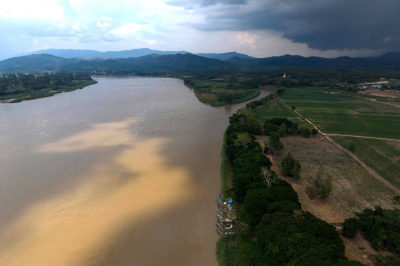
Poorest on front line as arsenic hits Mekong river
Whether the 2026 El Niño will indeed surpass 2015-16 as the strongest on record, and the precise duration and intensity of its global impacts, remain scientifically unconfirmed at this stage.
No outlet connects the El Niño declaration to the global food security implications of simultaneous disruption to Southeast Asian rice production, European wheat crops under heat stress, and Australian agricultural exports — a critical integrated analysis gap.
ABC Australia reports the Bureau of Meteorology has declared El Niño, noting it could become the strongest on record and can linger for up to 12 months, disrupting weather patterns globally with Australia especially vulnerable.
Deutsche Welle reports El Niño is threatening livelihoods in Southeast Asia, with hotter and drier weather impeding rice and palm-oil production as households struggle with higher fuel, food, and commodity costs.
The Guardian reports a Saharan heat dome building over much of Europe with extreme temperatures forecast, and separately covers mild winter conditions in parts of Australia — consistent with El Niño patterns.
Japan Times reports the poorest communities are on the front line as arsenic in the Mekong River hits nine times the danger level, with doctors finding elevated toxin levels in those working on the river passing through China, Myanmar, and Southeast Asia.
This page maps the coverage. The 4 articles below are the original reports the comparison is drawn from — open them for each publisher's full reporting.
El Niño is a state which can linger for up to 12 months and disrupt weather patterns across the globe, with Australia especially prone.
Hotter, drier weather is impeding rice and palm-oil production as households across Southeast Asia struggle with higher fuel, food and transport costs.
Heatwave conditions build over much of continent, while mild start to winter continues in parts of Australia Hot weather is expected across Europe this week as heatwave conditions build over large swathes of the…
Doctors have found elevated levels of toxic arsenic in those who work on the river, which passes through China, Myanmar, Thailand, Laos, Cambodia and Vietnam.