UN agency predicts phenomenon that supercharges weather extremes has 80% chance of forming before September The world must prepare for the imminent return of El Niño and the supercharged weather extremes it brings, the…
How the world covered this
Read the editorial comparison
Prose synthesis of how each outlet framed the story, with side-by-side outlet quotes and divergence notes.
7 articles from 4 sources
01
02
Smartphone data shows how we seek refuge in extreme heat, and why social inequalities leave some vulnerable Heatwaves are now an increasingly expected part of summer for many. But how people stay cool varies from place…
03
The first heatwaves of the season reveal how ill-prepared governments across the continent are to protect people from increasingly dangerous temperatures • Don’t get This Is Europe delivered to your inbox? Sign up…
04
At the coast, there is a growing alarm over the rising Indian Ocean.
05
Dry weather is disrupting crop planting across Asia, raising concerns about food supplies in the world’s most populous region, and an expected severe El Niño weather pattern could inflict more damage. From India’s…

06
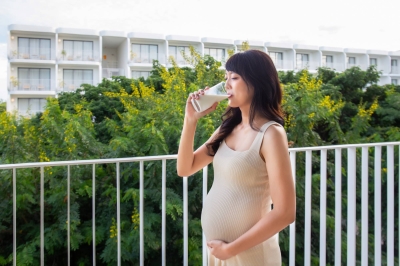
Findings indicate that women are particularly susceptible to the effects of heat between the 16th and 22nd weeks of pregnancy.
07
The Pakistan Meteorological Department (PMD) on Wednesday forecast below-normal rainfall and above-normal temperatures across most parts of the country during the months of June to August. The PMD said in its outlook…

AI read
What the coverage agrees on, and where it splits
This view is generated from the clustered articles, so it is best read as a map of coverage rather than a replacement for the source reporting.
Broadly agreed
- Multiple sources confirm El Niño is forecast to form with 80% probability before September 2026 and will intensify weather extremes.
- Sources confirm current hot, dry conditions in Asia are already disrupting crop planting, raising food security concerns.
Contested framing
- No significant framing divergence; all sources treat El Niño and heat as serious threats, differing only in which regional impacts they emphasize.
Still unclear
The precise intensity of the forming El Niño event and which specific regions will face the most severe drought or flooding impacts remain scientifically uncertain.
Notable omissions
The perspective of agricultural-dependent communities in Sub-Saharan Africa on El Niño food security risks is entirely absent despite being historically one of the most severely affected regions.
Quality check
Read as credible climate warning with uneven geographic coverage; African food security risk context is missing.
- No framing divergence—all sources treat El Niño and heat as serious; differ only in regional emphasis
- Sub-Saharan African perspective on food security risks entirely absent despite historical severe impact from El Niño
- Precise El Niño intensity prediction remains scientifically uncertain; 80% probability by September provides timeline but not impact magnitude
- European heat preparedness gap is documented but no assessment of remediation likelihood or timeline
Review confidence: 80%
Signal strength
1/5
Narrative divergence
4
Sources compared
1
Days in coverage
How each outlet frames this story
Divergence
1/5
Narrative Divergence
How differently the sources covering this story frame it — measured by tone, emphasis, and what each outlet chooses to highlight or omit.
1 — Sources frame the story almost identically
2 — Minor differences in tone or emphasis
3 — Noticeable differences; some outlets highlight what others omit
4 — Stark contrasts; conflicting narratives
5 — Sources tell fundamentally different stories
British
The Guardian reports the UN agency predicts El Niño has an 80% chance of forming before September and will supercharge weather extremes, and separately examines why European governments are 'still not ready' for extreme heat and how heatwaves drive people to seek cool spaces along inequality lines.
Kenyan
Daily Nation warns of a new deadly El Niño threat at the East African coast, with rising Indian Ocean levels causing growing alarm.
Pakistani
Dawn reports Pakistan's Met Office forecasting below-normal rainfall and above-normal temperatures across most of Pakistan from June to August, directly linked to El Niño development.
Japanese
Japan Times reports new research showing extreme heat significantly raises the risk of preterm births, particularly during weeks 16-22 of pregnancy.