How the world covered it

Climate Heat and El Niño Warnings

The UN warning of an 80% chance El Niño forms before September 2026, combined with European cities' documented unpreparedness for heatwaves and Asian crop disruptions from hot dry weather, signals a...

Editorial comparison

All sources treat El Niño and heat as serious threats; coverage diverges only on which regional impacts receive emphasis rather than on threat characterization.

The Guardian leads with UN warning of "80% chance of El Niño forming before September," treating this as imminent climate risk requiring preparation. The Guardian explores European heatwave unpreparedness and documents how "governments across the continent are ill-prepared to protect people from increasingly" extreme heat. This frames climate adaptation failure as institutional.

Daily Nation alerts readers to "new deadly El Niño threat," with "growing alarm over the rising Indian Ocean" at the coast—emphasizing Indian Ocean regional impacts. Dawn reports "hot weather hurts Asian crops as powerful El Niño takes shape," leading with food security implications across Asia's most populous region. Japan Times reports extreme heat raises "preterm birth" risk, leading with health impacts. Pakistan Meteorological Department forecasts "below-normal rainfall, above-normal temperatures."

All outlets treat the threat seriously without contestation; divergence reflects geographic emphasis rather than analytical disagreement.

How each outlet opened the story

UN warns prepare for imminent El Niño; 80 percent chance before September

Daily Nation Kenya

Heed alert over new deadly El Niño threat at East African coast

Coverage map

What coverage agrees on, contests, or leaves unclear.

Broadly agreed
  • Multiple sources confirm El Niño is forecast to form with 80% probability before September 2026 and will intensify weather extremes.
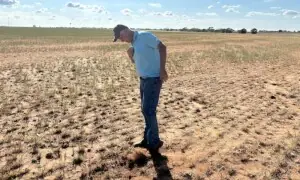
  • Sources confirm current hot, dry conditions in Asia are already disrupting crop planting, raising food security concerns.
Contested framing
  • No significant framing divergence; all sources treat El Niño and heat as serious threats, differing only in which regional impacts they emphasize.
Still unclear

The precise intensity of the forming El Niño event and which specific regions will face the most severe drought or flooding impacts remain scientifically uncertain.

Notable omissions

The perspective of agricultural-dependent communities in Sub-Saharan Africa on El Niño food security risks is entirely absent despite being historically one of the most severely affected regions.

Regional framing

How different outlets describe the same story.

British

The Guardian reports the UN agency predicts El Niño has an 80% chance of forming before September and will supercharge weather extremes, and separately examines why European governments are 'still not ready' for extreme heat and how heatwaves drive people to seek cool spaces along inequality lines.

Kenyan

Daily Nation warns of a new deadly El Niño threat at the East African coast, with rising Indian Ocean levels causing growing alarm.

Pakistani

Dawn reports Pakistan's Met Office forecasting below-normal rainfall and above-normal temperatures across most of Pakistan from June to August, directly linked to El Niño development.

Japanese

Japan Times reports new research showing extreme heat significantly raises the risk of preterm births, particularly during weeks 16-22 of pregnancy.

Source trail

Original reporting behind this perspective.

This page maps the coverage. The 7 articles below are the original reports the comparison is drawn from — open them for each publisher's full reporting.

Show 7 source articles

Prepare for imminent return of El Niño, UN warns

UN agency predicts phenomenon that supercharges weather extremes has 80% chance of forming before September The world must prepare for the imminent return of El Niño and the supercharged weather extremes it brings, the…

​Why is Europe still not ready for extreme heat?

​The first heatwaves of the season reveal how ​ill-prepared governments across the continent are to protect people from increasingly dangerous temperatures • Don’t get This Is Europe delivered to your inbox? Sign up…

Perspective link copied