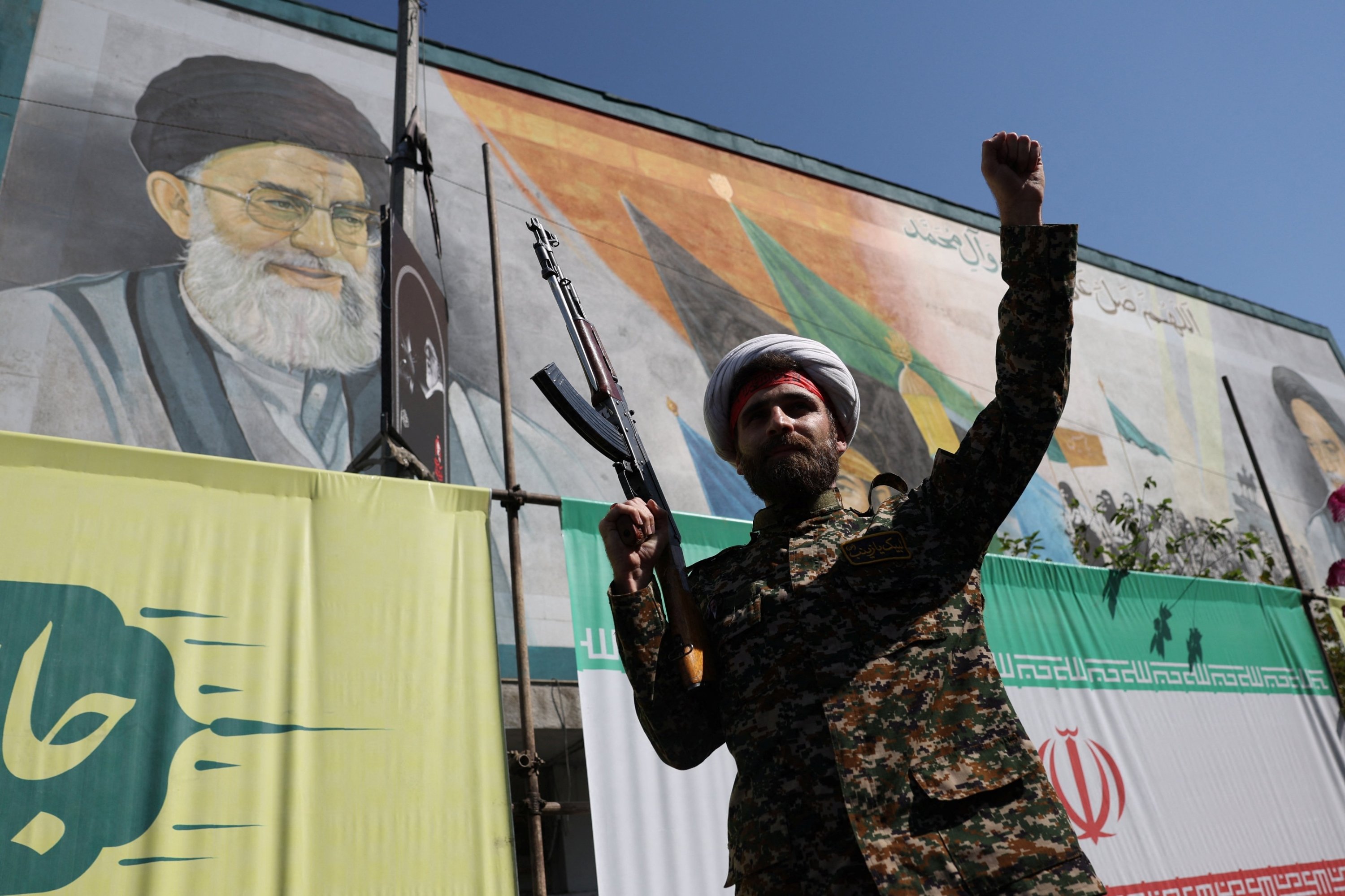
Iran’s military warned Sunday that it will launch "continuous, effective, and painful attacks" against American bases and interests across the Middle East if the U.S. resumes offen...
How the world covered this
Read the editorial comparison
Prose synthesis of how each outlet framed the story, with side-by-side outlet quotes and divergence notes.
15 articles from 10 sources
01
02
The U.S. has warned that hostilities between Saudi Arabia and Iran-backed Houthis could “escalate rapidly” after a Saturday missile targeted Riyadh for the first time since Yemen’s...
03
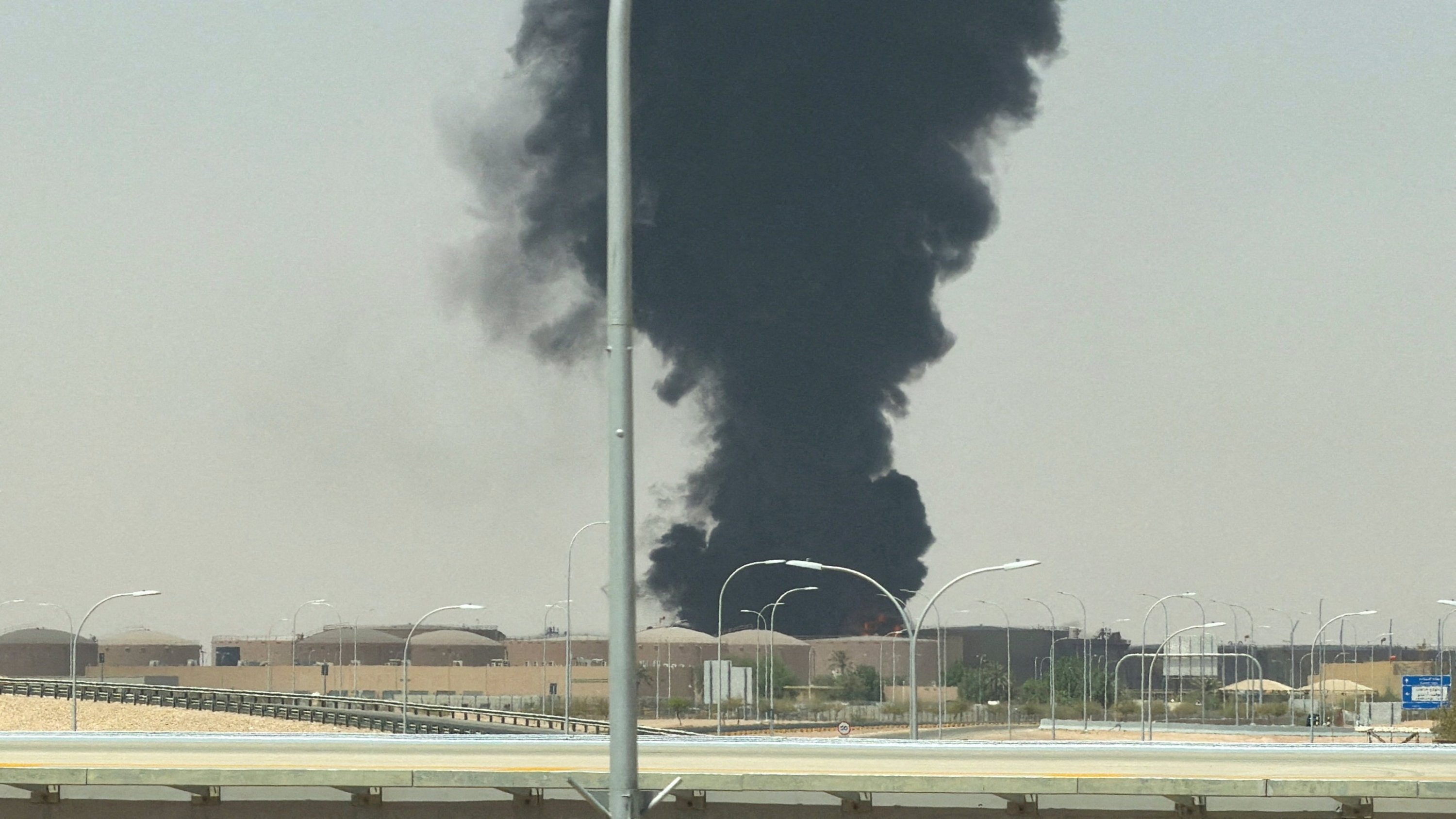
A reported strike on a fuel depot at Riyadh airport caused delays on Saturday, as Saudi Arabia says it shot down a ballistic missile aimed at the capital.

04
Iran and Trump exchange fresh warnings as Saudi-Houthi conflict escalates ahead of key UN gathering. Here’s what to know CNN
05
Iran’s military command says it has been informed US plans to resume strikes The Times of Israel
06
Il tycoon anticipa il rientro a Washington: “Si comportino bene o salteranno in aria”. Ma non esclude di vedere Pezeshkian all’Onu
07
The United States warned that fighting between Saudi Arabia and the Houthis could "escalate rapidly" after a missile attack targeted Riyadh for the first time since the Yemen conflict resumed. US President…
08
O Pentágono informou ao Congresso dos Estados Unidos que o custo da guerra no Irã chegou a US$ 43,6 bilhões (R$ 224 bilhões) até 3 de setembro. Nesse valor, bombas, mísseis e outras munições responderam por mais de 60%…
10
The country’s GDP shrank by 10.1 per cent year-on-year from late March to late June.
11
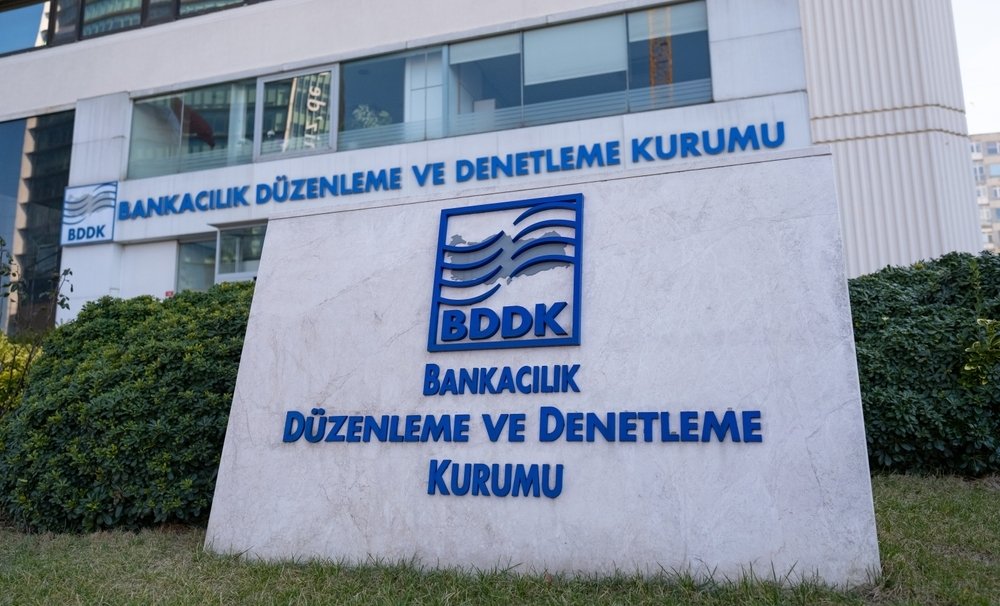
Türkiye has revoked the license of Bank Mellat, one of Iran's largest private banks, according to the decision published in the country's Official Gazette early on Saturday. The mo...
12
L’Italia ritira i jet e il radar volante dalla base in Arabia Saudita. E valuta i rischi dei soldati
Dopo i missili degli Houthi sull’avamposto di Ta’if trasferiti alcuni Eurofighter e il Gulfstream Caew da mezzo miliardo di euro
13
De fortes explosions ont retenti dans la mégalopole à deux reprises samedi. La coalition militaire menée par le royaume a notamment accusé les houthistes d’avoir lancé un missile balistique sur Riyad.
14
Houthis met US officials in Oman, promised not to hit American, Israeli ships — sources The Times of Israel
15
Houthis met US officials in Oman, promised not to attack American, Israeli ships — sources The Times of Israel
AI read
What the coverage agrees on, and where it splits
This view is generated from the clustered articles, so it is best read as a map of coverage rather than a replacement for the source reporting.
Broadly agreed
- All covering sources confirm the Houthis struck a fuel depot near Riyadh's airport, causing delays, with Saudi forces claiming to have downed a ballistic missile.
- Sources confirm the US publicly warned of the risk of rapid escalation between Saudi Arabia and the Houthis.
Contested framing
- Times of Israel reports Iran's military was informed the US plans to resume strikes; Iranian state-aligned framing as relayed through TASS and regional outlets emphasises Iran's own counter-threat capacity.
- Yahoo Japan frames Iran's seven-condition ceasefire transmission as a diplomatic signal; CNN frames the same period as Trump and Iran exchanging 'fresh warnings', implying continued hostility rather than negotiation.
- La Repubblica notes Trump has not ruled out meeting Pezeshkian at the UN; CNN does not report this diplomatic opening, focusing on military escalation framing.
Still unclear
Whether the US has formally received or responded to Iran's seven ceasefire conditions and whether a Trump-Pezeshkian meeting at the UN will materialise remain unconfirmed.
Notable omissions
No available summary addresses the humanitarian situation inside Iran under the economic contraction documented by Straits Times, despite that data being reported.
Quality check
Confirmed: Houthi strike, US warning, Iranian statement. Speculative: ceasefire intentions, military capabilities, escalation trajectory.
- Iran's seven-condition ceasefire transmission is reported as fact, but US formal receipt and response are unconfirmed—treat as signal, not negotiation stage.
- Houthi-Saudi escalation risk is confirmed by US warning, but whether this represents genuine rapid escalation or baseline tension is framed differently by outlets.
- Iran's counter-threat capacity is asserted by Iranian-aligned sources but unverified by independent monitoring—avoid presenting as confirmed military capability.
- Trump-Pezeshkian UN meeting is reported as 'not ruled out' by La Repubblica; CNN's absence of this is notable framing gap, not factual disagreement.
Review confidence: 70%
Signal strength
5/5
Narrative divergence
10
Sources compared
1
Days in coverage
How each outlet frames this story
Divergence
5/5
Narrative Divergence
How differently the sources covering this story frame it — measured by tone, emphasis, and what each outlet chooses to highlight or omit.
1 — Sources frame the story almost identically
2 — Minor differences in tone or emphasis
3 — Noticeable differences; some outlets highlight what others omit
4 — Stark contrasts; conflicting narratives
5 — Sources tell fundamentally different stories
American
CNN frames Trump and Iran exchanging 'fresh warnings' and a Saudi-Houthi escalation ahead of the UN gathering as a multi-front crisis requiring Trump administration strategic clarity.
Turkish
Daily Sabah leads with US warnings of 'rapid escalation' after the Houthi missile strike on Riyadh airport, framing the Mecca Defence Alliance as a Turkish-backed stabilising mechanism.
Israeli
Times of Israel reports Iran's military command has been informed the US plans to resume strikes, and separately covers Houthis promising US and Israeli ships safe passage in Oman talks.
Italian
La Repubblica covers Trump's threat to 'annihilate' Iran if it does not 'behave', while also noting he has not ruled out meeting Iranian President Pezeshkian at the UN.
Japanese
Yahoo Japan reports Iran transmitted seven conditions for ending combat to the US, framing this as a potential diplomatic off-ramp.
Brazilian
Folha de S.Paulo reports the Pentagon told Congress the Iran war has cost the US $43.6 billion so far, foregrounding fiscal consequences of the conflict.
Singaporean
Straits Times reports Iran's economy contracted by more than 10% during the US war, providing hard economic data on the costs to Tehran.
South Korean
Korea Herald warns the US assessed fighting between Saudi Arabia and the Houthis could 'escalate rapidly' after the Riyadh missile strike.
Turkish
Daily Sabah also reports Turkey revoked the license of Iran's Bank Mellat, a financial signal aligned with sanctions pressure.
French
Le Monde frames the Houthi attack on Riyadh as triggering US escalation fears, noting the coalition shot down a ballistic missile.