Israel and Iran traded fire on Monday, seriously testing a fragile truce and threatening hopes for a deal to end the Middle East war. The new attacks, including a strike on an Iranian petrochemical complex, came hours…
How the world covered this
Read the editorial comparison
Prose synthesis of how each outlet framed the story, with side-by-side outlet quotes and divergence notes.
85 articles from 20 sources
01
02
Israel launched strikes across Iran on Monday after coming under missile attack, marking the most serious escalation between the two adversaries since an April cease-fire and fueli...
03
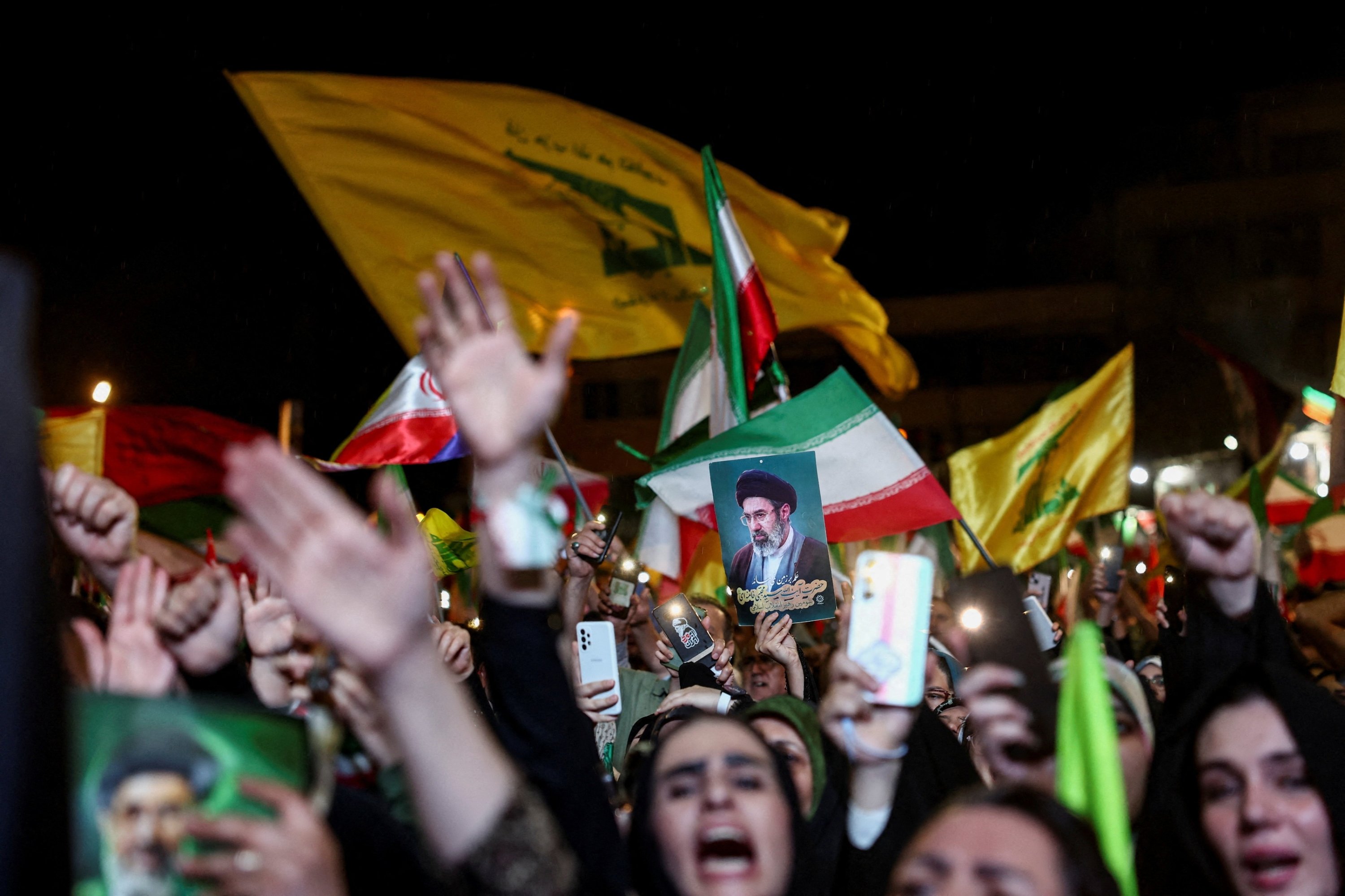
Iranian media reported explosions in Tehran, Tabriz and Isfahan. Iran had conducted what it called "warning" strikes on Israel over Israeli attacks on the Lebanese capital, Beirut.
04
TEL AVIV/DUBAI/NEW BRUNSWICK, New Jersey, June 8 (Reuters) - U.S. President Donald Trump said on Sunday that new strikes by Israel and Iran would not affect his administration’s peace talks with Tehran, saying Israeli…

05
Peru’s presidential runoff election remains undecided as authorities tally votes for the country’s ninth leader in a decade

06
Irã ataca Israel pela 1ª vez desde cessar-fogo de abril
Iranian forces launched this Sunday (7) the first missile attack against Israel since the ceasefire agreed on April 7 between Tel Aviv, Washington and Tehran. Read more (07/06/2026 - 11:10 am)
07
The IRGC also warned of a broader response if Israel's attacks on Lebanon continued. The post Iran attacks Israel for the first time since ceasefire appeared first on Premium Times Nigeria .
08
Israel said it struck military targets in western and central Iran on Monday, even after US President Donald Trump reportedly told Israeli Prime Minister Benjamin Netanyahu to refrain from further attacks. Hours…

09
EN DIRECT, Moyen-Orient : Israël à nouveau visé par des missiles iraniens après que son armée a « frappé des cibles dans l’ouest et le centre de l’Iran »
The Jewish state responded early Monday to the first salvos of missiles launched by the Islamic Republic on Sunday. According to the Israeli ambassador to the United States, the Israeli army targeted “sites of…
10
Israel, Iran trade missile attacks as hostilities escalate CNN
11
بين نيران طهران وتل أبيب.. هل يحاكي ترمب أسلوب "البازار" لكبح الحرب؟
US President Donald Trump is seeking calm as the military conflict reignites between Israel and Iran, while an imminent agreement to end the war is at stake.
12
تصعيد متبادل.. إيران تشن هجمات جديدة على إسرائيل بعد قصف واسع عليها
On Monday morning, the Israeli army announced that it had detected missiles launched from Iran, confirming that the defense system was working to intercept them, hours after the army announced the targeting of military sites in western and central Iran.
13
صحافة أمريكية.. القصف الإيراني ينذر بتجدد الحرب وترمب يسعى للتهدئة
American and British media said that the missile attacks launched by Iran on Israel threaten to inflame the conflict in the region, the intensity of which declined after a ceasefire agreement was reached in early April.
14
طهران تهدد برد "ساحق" على أي "مغامرة" إسرائيلية
Tehran threatened a strong response if it was targeted by the Israeli and American armies, after it launched ballistic missiles at areas in northern Israel in response to the repeated violation of the ceasefire in Lebanon.
15
اليوم الأول بعد المئة.. الخطر الأكبر يحدّق في الجميع
The crisis after a hundred days seems closer to a forced settlement than to a comprehensive war, but it is not close to a stable peace. We are facing a moment in which fear of disaster imposes a kind of temporary rationality.
16
صواريخ غير انشطارية وجغرافيا محدودة.. رسالة إيرانية محسوبة سياسيا وعسكريا
Military expert Brigadier General Hassan Jouni believes that the Iranian response was limited in terms of geography and the type of missiles, which indicates a message of deterrence linked to targeting the southern suburbs more than a prelude to a comprehensive war with Israel.
17
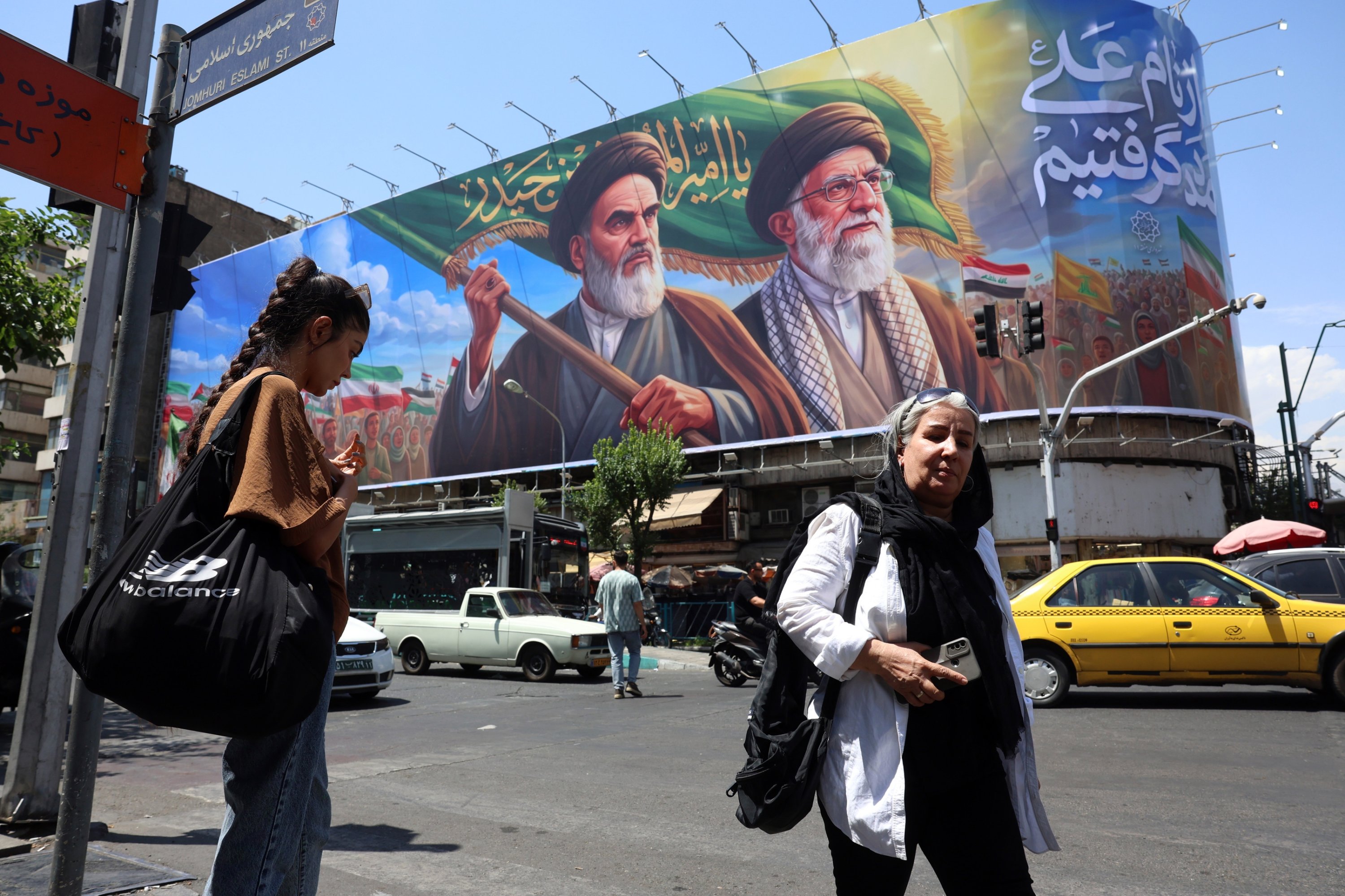
The United States said Sunday it shot down two Iranian drones it said were threatening the Strait of Hormuz, marking the latest escalation as the regional war entered its 100th day...


21
US President Donald Trump insisted that an agreement to end the wider war remains well within reach.
22
It had come under several waves of Iranian missile fire on Sunday.
23
The attacks were a warning to Israel to “cease their hostile actions” in Lebanon.
24
КСИР заявил об ударах по израильским авиабазам Неватим и Тель-Ноф
25
IRNA: персонал нефтехимического завода в Бендер-Махшехре эвакуирован после удара Израиля
26
AFP journalists heard at least eight explosions over Jerusalem on Monday as Israel said it was intercepting a new wave of Iranian missiles.

27
Monday (June 8, 2026) marked the 100th day of the Iran war, launched Feb. 28 when Israel and the United States killed Supreme Leader Ayatollah Ali Khamenei and other senior Iranian leaders

28
Iran has fired missiles at Israel, marking the first such attack in two months since a ceasefire

29
The comments from Iran’s Parliament speaker, Mohammad Baqer Qalibaf, follow Israeli attacks on the southern suburbs of Lebanon’s capital, a stronghold of Iran’s ally Hezbollah.

30
The U.S. president had said hours earlier that new strikes by Israel and Iran would not affect his administration's peace talks with Tehran.
31
Beirut sotto le bombe, tutti capiscono che la guerra è tornata
It is 3pm on Sunday when whistles and explosions are heard in Dahieh. “Enough, we can't take it anymore”
32
Netanyahu, l’ultimo azzardo in Libano che gioca sul filo dell’escalation. Ma Trump si oppone.
Cut off from the negotiations with Tehran, the prime minister strikes Beirut again, taking Iranian retaliation into account also for political calculation. But the American president is preventing him from counterattacking for now
33
Khamenei, svolta sugli alleati: “Chi li tocca pagherà caro”
“The faltering Zionist regime is in its last gasps”: this is the belligerent thrust of the Supreme Leader after the attack
34
Irã diz que EUA violaram cessar-fogo e lança mísseis contra Kuwait e Bahrein
Iran said on Saturday (6) that American attacks on radar and coastal surveillance facilities in the Gulf constitute a "flagrant violation of the ceasefire", in force since April 8, and launched missiles against the…
35
Israel ataca blancos militares en Irán; Teherán reporta explosiones en varias ciudades
The exchange of attacks raises regional tension while detonations are recorded in Tehran, Tabriz and Isfahan

36
¿Fin de la tregua? Irán ataca con misiles a Baréin y Kuwait en respuesta a un bombardeo de Estados Unidos
The wealthy Gulf monarchies, once considered a safe haven in the region, found themselves on the front lines of Tehran's retaliatory fire.
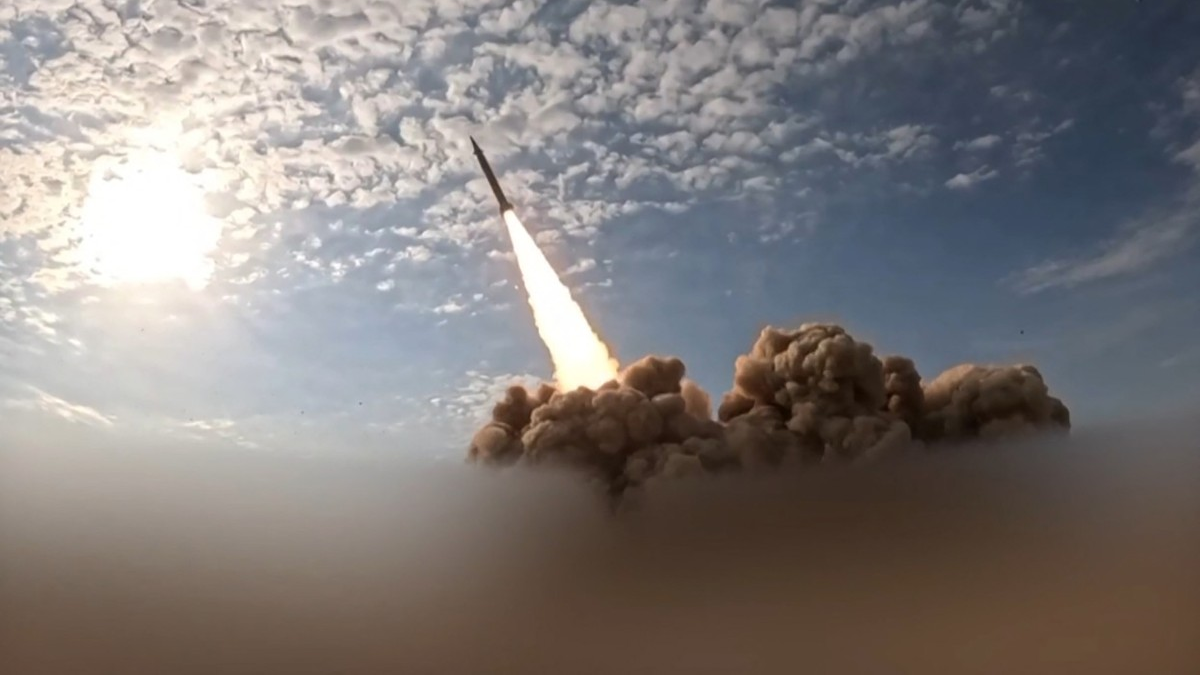
37
Donald Trump advierte a Benjamin Netanyahu tras ataque de Irán a Israel: 'Yo tomo las decisiones'
Iran launched missiles this Sunday at Israel, a country that had previously bombed Lebanon. Trump says he is 'very close' to a peace deal.

38
Ataques de Irán al norte de Israel en represalia por bombardeos contra Beirut amenazan con reabrir uno de los frentes más explosivos del conflicto
Israeli forces claimed to have intercepted most of the Iranian projectiles and said there were no immediate casualties.
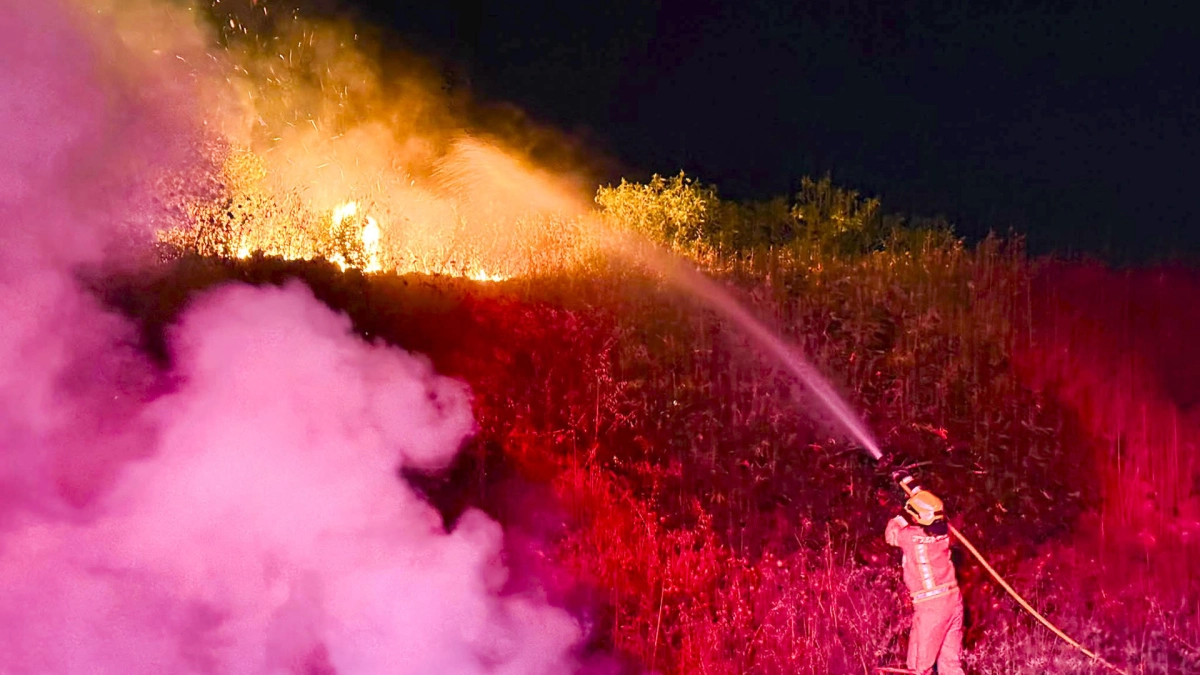
39
Irã ataca Israel pela 1ª vez desde cessar-fogo de abril
Iranian forces launched this Sunday (7) the first missile attack against Israel since the ceasefire agreed on April 7 between Tel Aviv, Washington and Tehran. Read more (07/06/2026 - 11:10 am)
40
Donald Trump advierte a Benjamin Netanyahu tras ataque de Irán a Israel: 'Yo tomo las decisiones'
Iran launched missiles this Sunday at Israel, a country that had previously bombed Lebanon. Trump says he is 'very close' to a peace deal.
41
米大統領 イスラエルに自制求める
42
イラン イスラエルへミサイル発射
43
Irã diz que EUA violaram cessar-fogo e lança mísseis contra Kuwait e Bahrein
Iran said on Saturday (6) that American attacks on radar and coastal surveillance facilities in the Gulf constitute a "flagrant violation of the ceasefire", in force since April 8, and launched missiles against the…
44
In their bare-bones tent in southern Gaza, Mostafa Shaaban built his family’s makeshift toilet behind a curtain in a corner. He dug a shallow pit in the sandy soil, poured a concrete slab around it, fixed a bottomless…

45
Iran has asserted that a permanent peace deal should allow it to demand fees for ships passing through the strait.
46
Iran had fired missiles at Israel earlier on June 7, a first since a ceasefire took place in April.
47
The Revolutionary Guard announces the targeting of the Iranian Kurdish opposition in Iraqi Kurdistan
الحرس الثوري يعلن استهداف المعارضة الكردية الإيرانية بكردستان العراق
The Iranian Revolutionary Guard targeted sites of the Iranian Kurdish opposition in the city of Sulaymaniyah in the Kurdistan region of Iraq, according to what the "IRNA" agency reported. Iranian.
48
دويّ انفجارات في العاصمة اللبنانية بيروت
Sounds of explosions rang out - at dawn on Monday - in the atmosphere of the Lebanese capital, Beirut, without their specific cause or location known until this moment, while the region is witnessing a new escalation between Iran and Israel.
49
قطر والسعودية تبحثان جهود دعم الاستقرار في المنطقة
The Kingdom of Saudi Arabia announced - yesterday, Sunday - that it discussed with the State of Qatar the latest developments in the situation in the region, while Britain urged both Iran and Israel to exercise restraint.
50
الشرع يطلق من جزيرة أرواد منصة سياحية لإنعاش اقتصاد سوريا
Syrian President Ahmed Al-Sharaa announced the launch of a platform to rebuild the economy of Arwad Island, focusing on investment, tourism and maritime activities, amid the growth of the island’s port traffic and receiving 15 to 20 ships per month.
51
EN DIRECT, Moyen-Orient : Israël à nouveau visé par des missiles iraniens après que son armée a « frappé des cibles dans l’ouest et le centre de l’Iran »
The Jewish state responded early Monday to the first salvos of missiles launched by the Islamic Republic on Sunday. According to the Israeli ambassador to the United States, the Israeli army targeted “sites of…
54
イランが湾岸地域へ攻撃 米が迎撃
55
بين نيران طهران وتل أبيب.. هل يحاكي ترمب أسلوب "البازار" لكبح الحرب؟
US President Donald Trump is seeking calm as the military conflict reignites between Israel and Iran, while an imminent agreement to end the war is at stake.
56
عاجل| الدفاع المدني السعودي: زوال الخطر عن محافظة الخرج
Details coming soon..
57
The Revolutionary Guard announces the targeting of the Iranian Kurdish opposition in Iraqi Kurdistan
الحرس الثوري يعلن استهداف المعارضة الكردية الإيرانية بكردستان العراق
The Iranian Revolutionary Guard targeted sites of the Iranian Kurdish opposition in the city of Sulaymaniyah in the Kurdistan region of Iraq, according to what the "IRNA" agency reported. Iranian.
58
كيف وصلت فاتورة الحرب على إيران إلى جيوب الأمريكيين؟
The American-Israeli war on Iran has become an influential factor in the American economy, with rising costs of living, declining consumer confidence, and increasing pressures on monetary and financial policy in the United States.
59
تصعيد متبادل.. إيران تشن هجمات جديدة على إسرائيل بعد قصف واسع عليها
On Monday morning, the Israeli army announced that it had detected missiles launched from Iran, confirming that the defense system was working to intercept them, hours after the army announced the targeting of military sites in western and central Iran.
60
صحافة أمريكية.. القصف الإيراني ينذر بتجدد الحرب وترمب يسعى للتهدئة
American and British media said that the missile attacks launched by Iran on Israel threaten to inflame the conflict in the region, the intensity of which declined after a ceasefire agreement was reached in early April.
61
دويّ انفجارات في العاصمة اللبنانية بيروت
Sounds of explosions rang out - at dawn on Monday - in the atmosphere of the Lebanese capital, Beirut, without their specific cause or location known until this moment, while the region is witnessing a new escalation between Iran and Israel.
62
طهران تهدد برد "ساحق" على أي "مغامرة" إسرائيلية
Tehran threatened a strong response if it was targeted by the Israeli and American armies, after it launched ballistic missiles at areas in northern Israel in response to the repeated violation of the ceasefire in Lebanon.
63
قطر والسعودية تبحثان جهود دعم الاستقرار في المنطقة
The Kingdom of Saudi Arabia announced - yesterday, Sunday - that it discussed with the State of Qatar the latest developments in the situation in the region, while Britain urged both Iran and Israel to exercise restraint.
64
اليوم الأول بعد المئة.. الخطر الأكبر يحدّق في الجميع
The crisis after a hundred days seems closer to a forced settlement than to a comprehensive war, but it is not close to a stable peace. We are facing a moment in which fear of disaster imposes a kind of temporary rationality.
65
صواريخ غير انشطارية وجغرافيا محدودة.. رسالة إيرانية محسوبة سياسيا وعسكريا
Military expert Brigadier General Hassan Jouni believes that the Iranian response was limited in terms of geography and the type of missiles, which indicates a message of deterrence linked to targeting the southern suburbs more than a prelude to a comprehensive war with Israel.
66
الشرع يطلق من جزيرة أرواد منصة سياحية لإنعاش اقتصاد سوريا
Syrian President Ahmed Al-Sharaa announced the launch of a platform to rebuild the economy of Arwad Island, focusing on investment, tourism and maritime activities, amid the growth of the island’s port traffic and receiving 15 to 20 ships per month.
67
Israel launched strikes across Iran on Monday after coming under missile attack, marking the most serious escalation between the two adversaries since an April cease-fire and fueli...
68
In 2022, Bangladeshi police summoned internet performer Hero Alom after outrage over his renditions of songs by poets Rabindranath Tagore and Kazi Nazrul Islam. Accused of “distort...

69
The Russian threat has always been an issue that the Baltic states needed to address, but the war in Ukraine has completely transformed the countries’ threat perception. The threat...
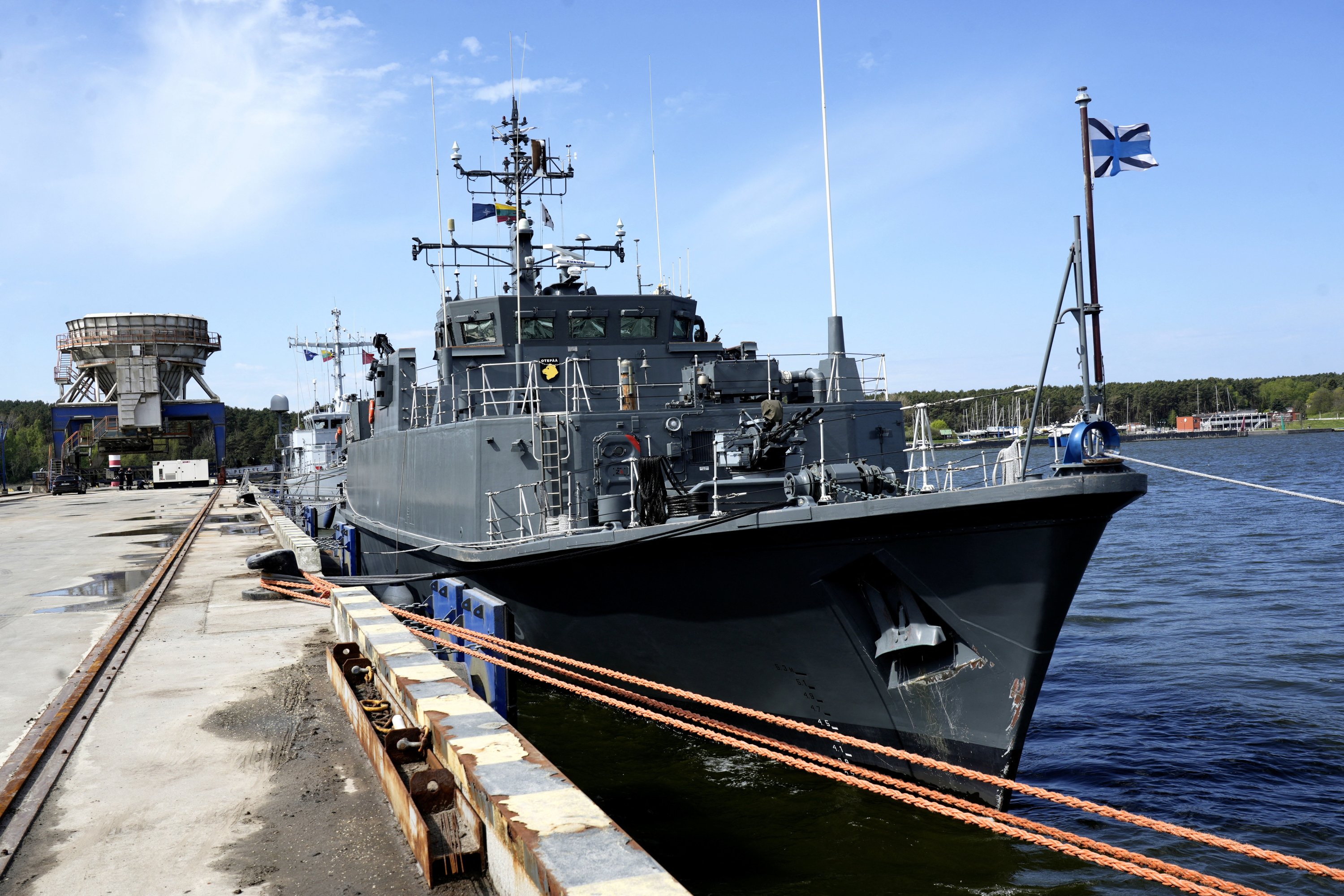
70
The Turkish Cooperation and Coordination Agency (TIKA) showcased environmental projects, cultural initiatives and educational activities from around the world at the Zero Waste Fes...
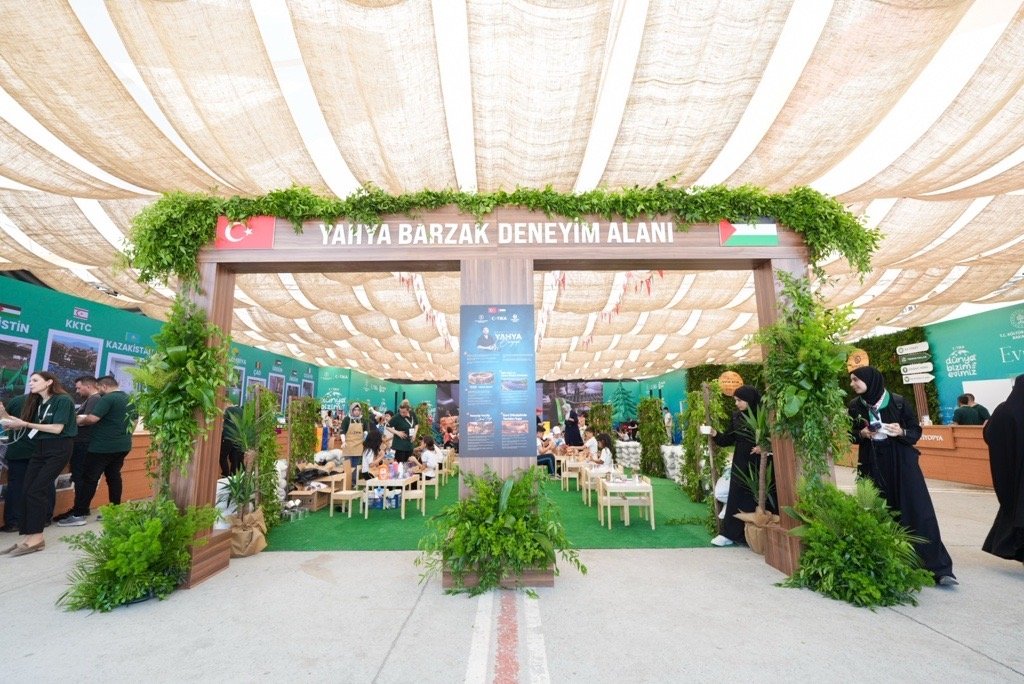
71
Some cafes in Istanbul and Ankara have begun introducing restrictions on laptop use, Wi-Fi access and electrical outlets, sparking complaints from students, freelancers and remote...

72
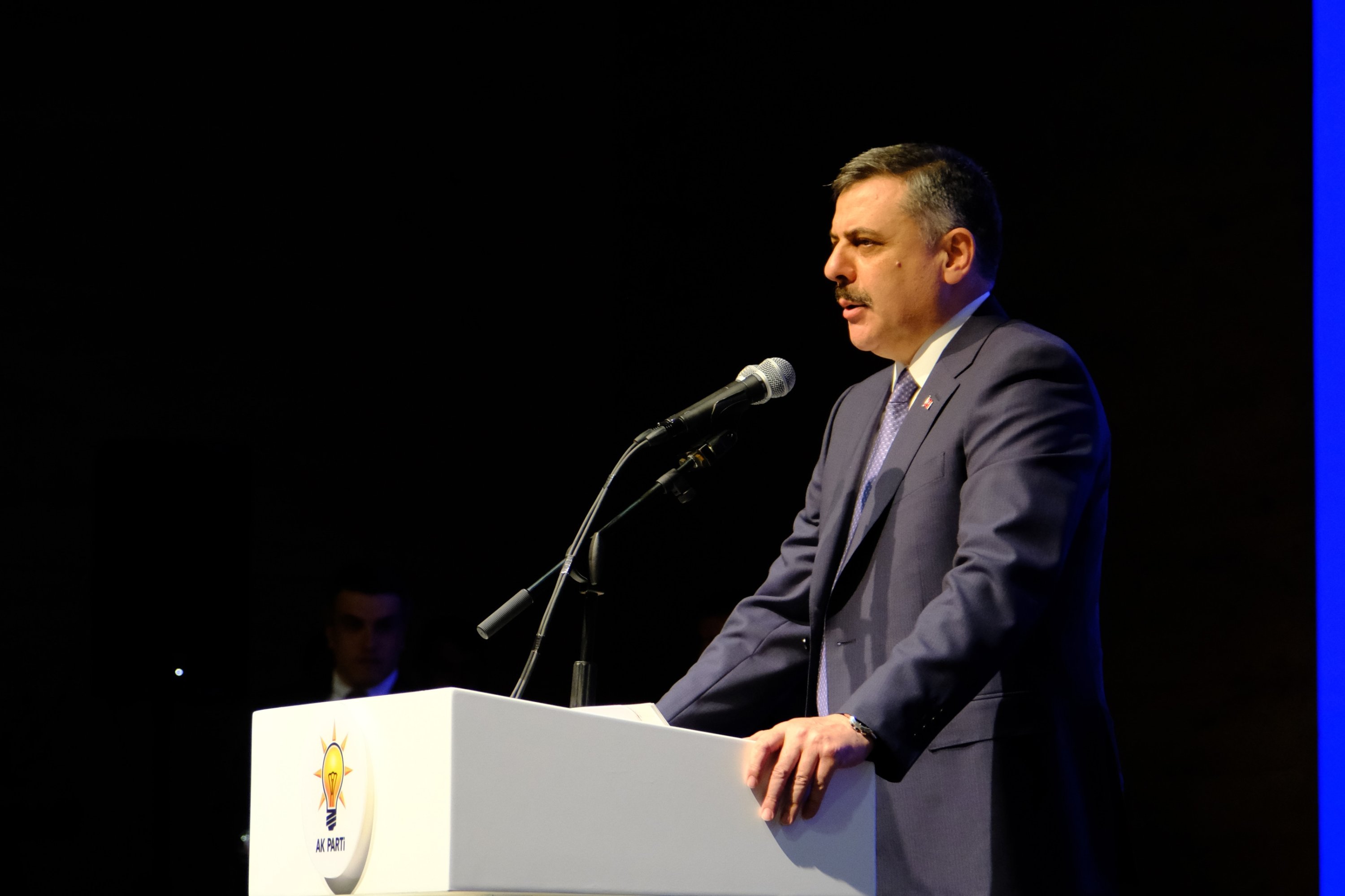
“May Allah grant me the governorship of Jerusalem,” Interior Minister Mustafa Çiftçi told an event on Saturday in the central province of Çorum. His remarks echoed the common sent...
73
Marc Marquez secured his 100th career win across all classes with a commanding victory at the Hungarian Grand Prix Sunday at Balaton Park, just weeks after undergoing surgery on hi...

74
OPEC+ agreed on Sunday a fourth straight hike in its oil output targets in as many months, the organization said in a statement, even though the ongoing conflict in the Middle E...
75
Mirra Andreeva announced herself as a rising star in women’s tennis Saturday after defeating surprise finalist Maja Chwalinska 6-3, 6-2 to become the youngest French Open champion...

76
Türkiye fought back from a goal down to defeat Venezuela 2-1 in a friendly match in Fort Lauderdale Saturday to complete their final preparations for the 2026 FIFA World Cup. The...

77
Türkiye's micro export volume has grown nearly 15-fold over the past 10 years, the Trade Ministry said in a written statement on Sunday, suggesting that the global market pres...

78
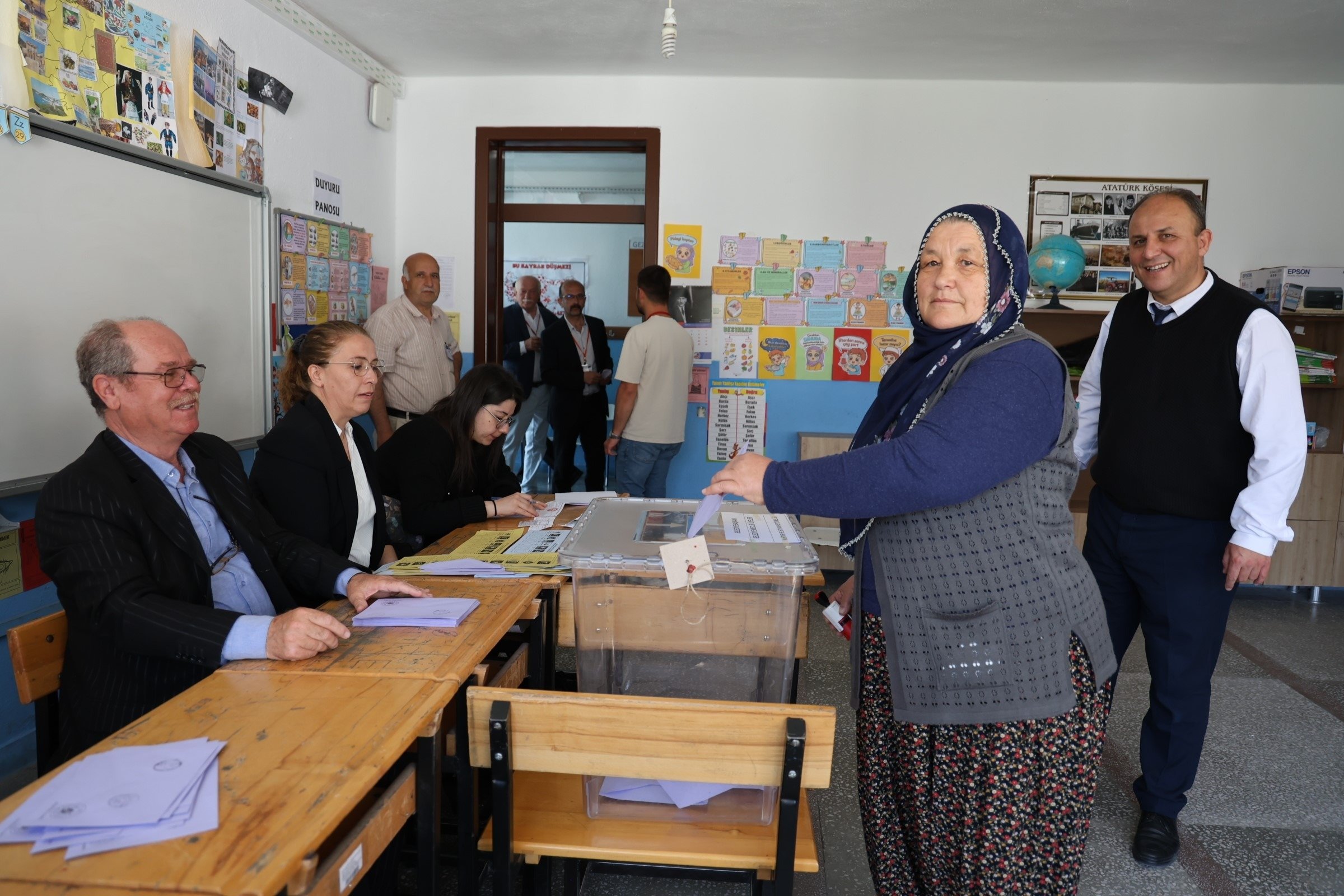
Politicians from parties of all sizes had descended onto three cities over the past weeks before Sunday’s vote began in Tokat, Gümüşhane and Nevşehir. More than 10,000 voters went...
79
The main opposition Republican People’s Party (CHP) is already divided but all eyes are still on the party’s parliamentary group meeting scheduled for Tuesday. In the Turkish poli...

80
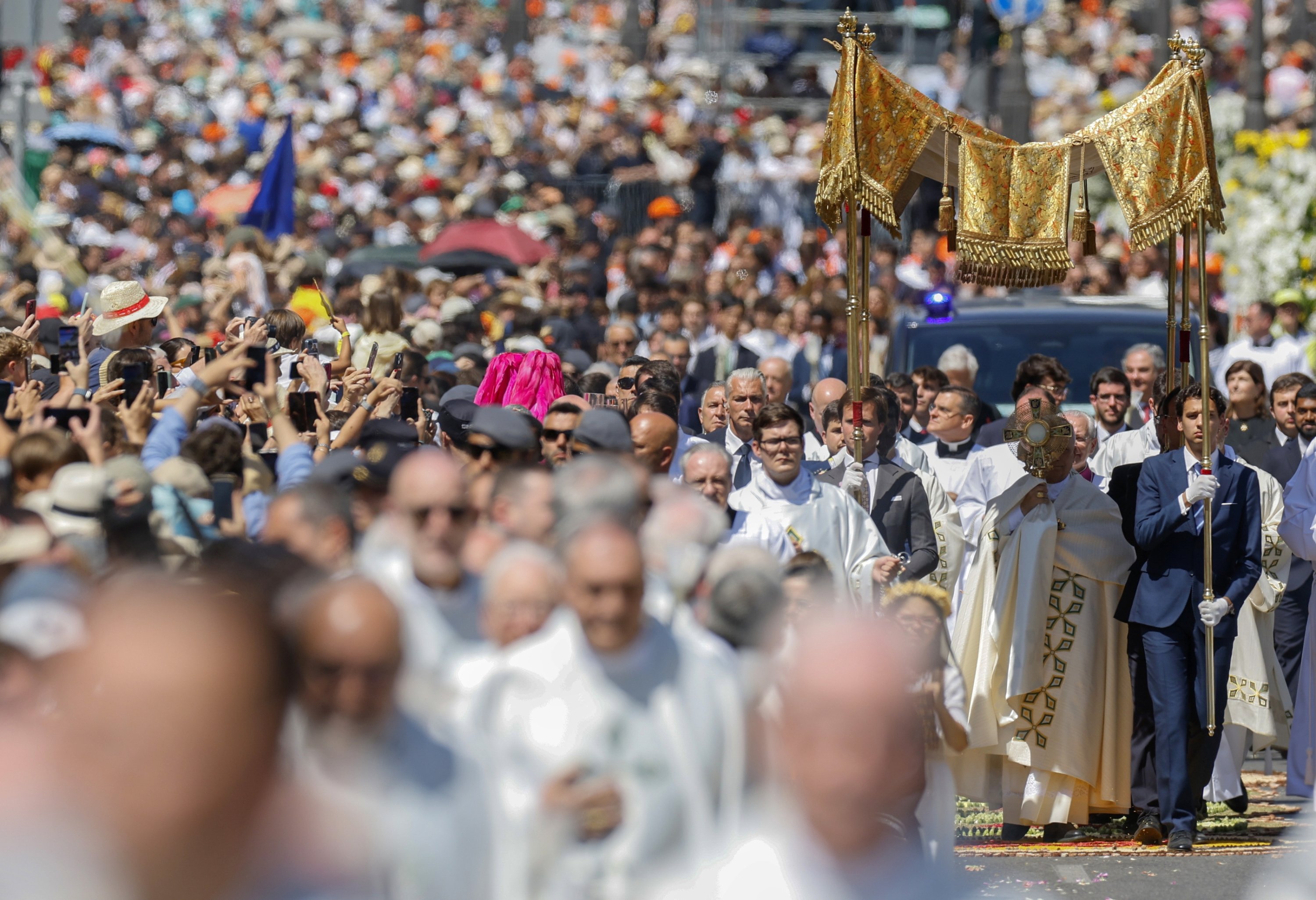
Over 1.2 million people gathered in Madrid Sunday for a Mass celebrated by Pope Leo XIV, who called for a renewal of the Catholic faith in Spain, during one of the largest religiou...
81
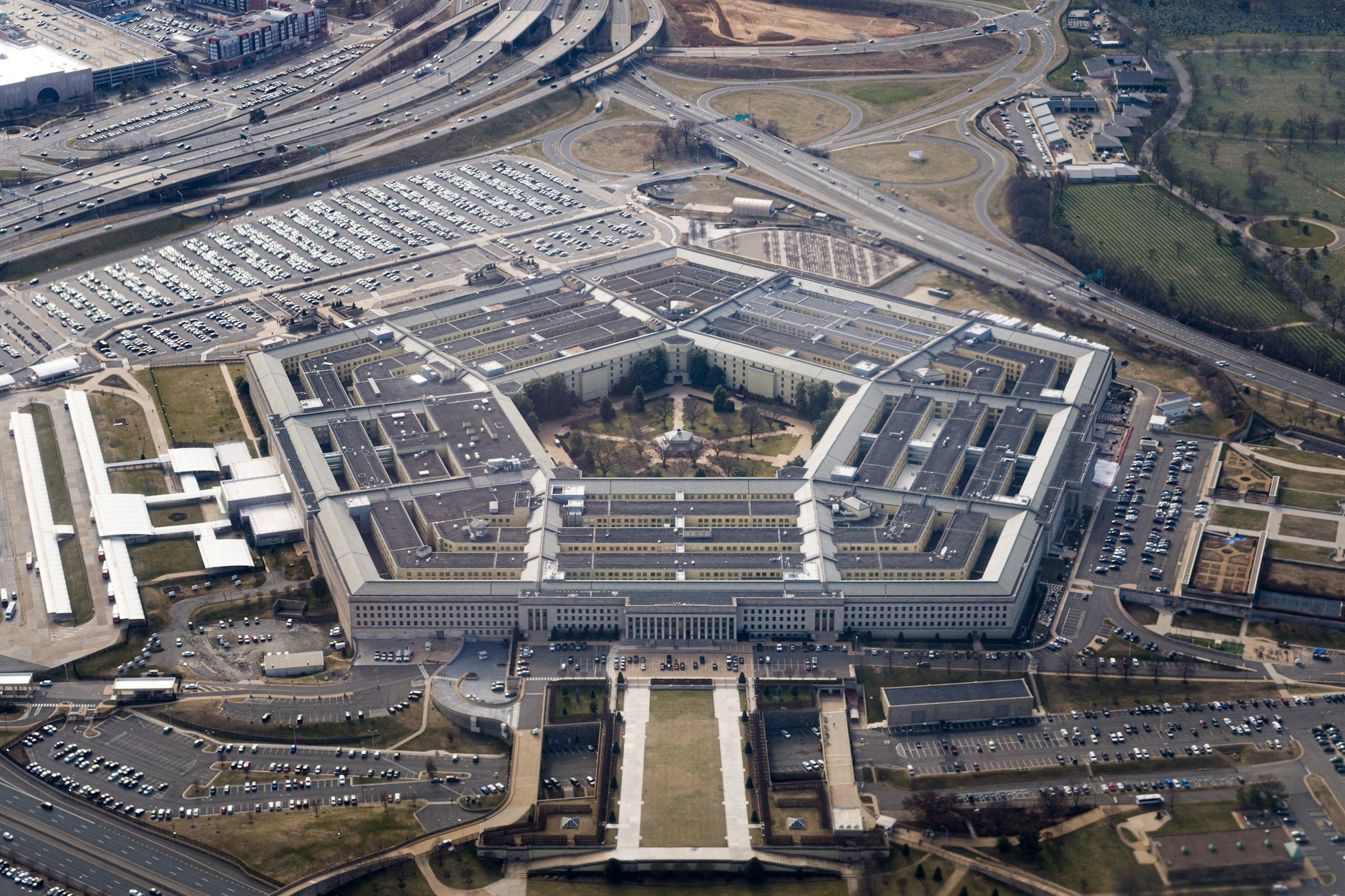
The Pentagon has raised its counterintelligence threat level posed by Israel to its highest setting, U.S. media reported Saturday, amid heightened regional tensions and ongoing sec...
82
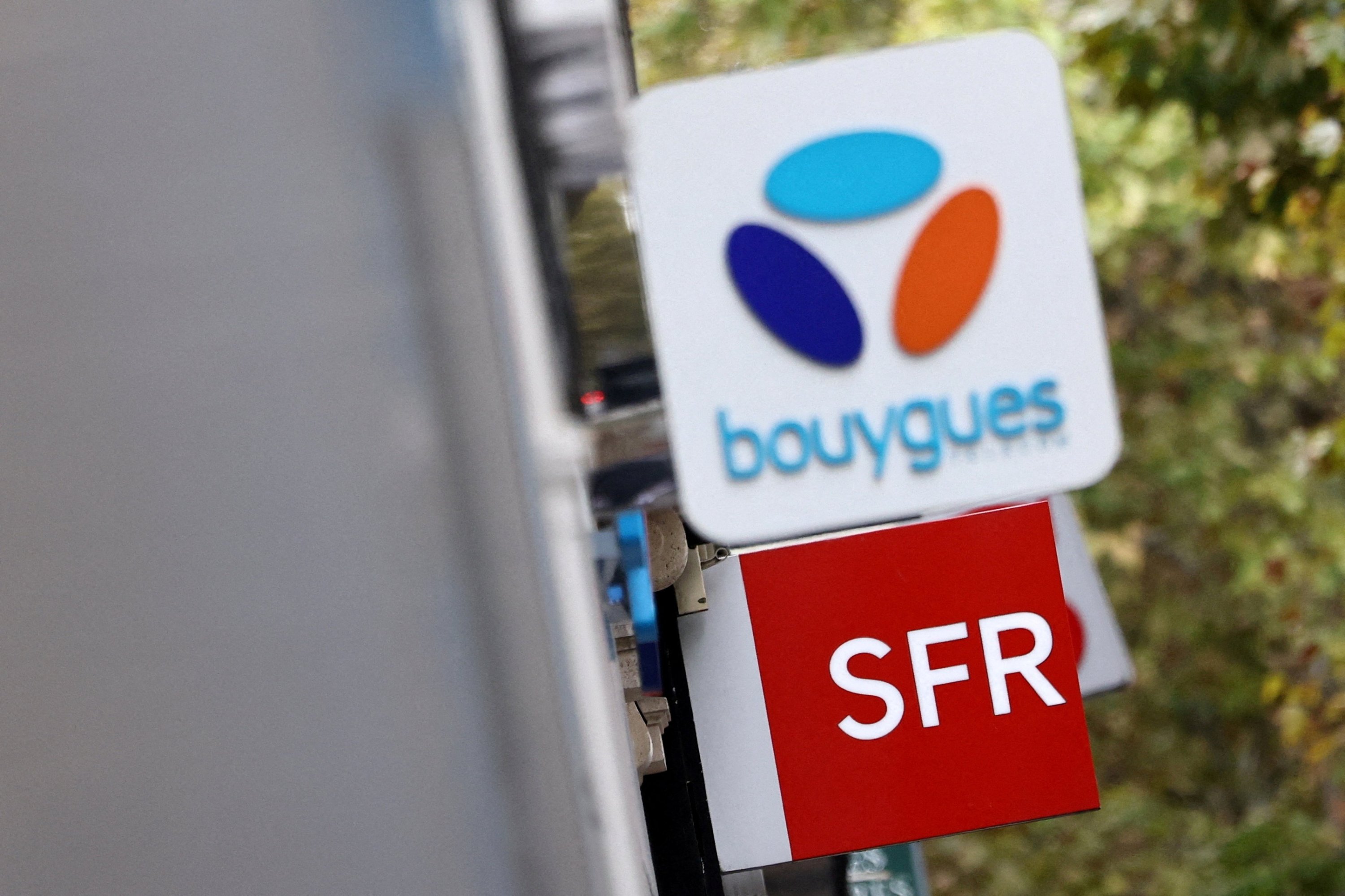
Three French telecoms operators announced on Saturday they had signed a deal to buy rival SFR after months of negotiations for a takeover of the ailing company. The companies, Bou...
83
It has been 170 years since Dolmabahçe Palace, one of the most striking masterpieces of the late Ottoman era, first opened its doors. Built on the orders of Sultan Abdülmecid and...

84
The United States said Sunday it shot down two Iranian drones it said were threatening the Strait of Hormuz, marking the latest escalation as the regional war entered its 100th day...
85
There is a bitter irony in the history of tobacco. Jean Nicot, the man who helped introduce tobacco to Europe, gave his name to nicotine, the very substance that would later trap m...

AI read
What the coverage agrees on, and where it splits
This view is generated from the clustered articles, so it is best read as a map of coverage rather than a replacement for the source reporting.
Broadly agreed
- All covering sources confirm that Israel struck Iranian military targets on June 8 in retaliation for Iranian missile attacks on June 7.
- All sources agree Trump publicly stated the new strikes would not affect his administration's peace deal efforts.
- Multiple sources confirm oil prices rose sharply (over $2/barrel) on news of the renewed strikes.
Contested framing
- Daily Sabah frames Israel as the party most likely to veto a peace deal, calling Netanyahu 'desperate'; Times of Israel frames Israel as managing legitimate security threats across multiple fronts simultaneously.
- Al Jazeera Arabic foregrounds Iranian political messaging that strikes were 'calculated and limited,' while BBC and Deutsche Welle emphasise the institutional fragility of the ceasefire architecture.
- La Repubblica frames Netanyahu as 'gambling on the edge of escalation' against Trump's wishes; CNN and Straits Times present the exchange as a bilateral escalation without assigning primary blame.
Still unclear
Whether Trump's peace deal framework remains viable after Israel's defiance of his direct request for restraint, and whether Iran's strikes constitute a formal ceasefire breach, remain unconfirmed.
Notable omissions
People's Daily and TASS provide no substantive coverage of the Israel-Iran escalation, omitting the story almost entirely from state-aligned Chinese and Russian outlets.
Quality check
Consensus on facts is strong, but interpretation of escalation drivers and ceasefire durability varies significantly by outlet politics.
- Framing variance: Daily Sabah assigns blame to Netanyahu while CNN/Straits Times present as bilateral escalation—readers should note responsibility framing differs by outlet
- Critical unknown: Whether Iran's strikes constitute formal ceasefire breach remains unconfirmed, affecting interpretation of 'escalation' severity
- Source gap: Chinese (People's Daily) and Russian (TASS) outlets omitted, limiting non-Western perspective on ceasefire viability
Review confidence: 75%
Signal strength
4/5
Narrative divergence
20
Sources compared
1
Days in coverage
How each outlet frames this story
Divergence
4/5
Narrative Divergence
How differently the sources covering this story frame it — measured by tone, emphasis, and what each outlet chooses to highlight or omit.
1 — Sources frame the story almost identically
2 — Minor differences in tone or emphasis
3 — Noticeable differences; some outlets highlight what others omit
4 — Stark contrasts; conflicting narratives
5 — Sources tell fundamentally different stories
French
Le Monde uses live-blog format with expert analysis, noting Israel responded to Iranian salvos and foregrounding the institutional competence of negotiators on both sides.
German
Deutsche Welle focuses on the retaliation cycle — Iran's 'warning strikes' followed by Israeli counter-strikes — and emphasises institutional sustainability of ceasefire architecture rather than military capability.
Turkish
Daily Sabah frames Israel's strikes as the 'most serious escalation' and stresses accountability failure of international mechanisms, noting Trump is 'desperate to shut the war down' but Israel may veto any deal.
Indian
The Hindu provides a live timeline of escalation, notes oil prices rising over $2 per barrel, and emphasises Iran-Israel Lebanon dimension alongside petrochemical facility strikes — maintaining South Asian strategic autonomy framing.
Brazilian
Folha de S.Paulo foregrounds that Israel 'ignores Trump's appeal' and 'buries ceasefire,' integrating humanistic consequence framing about civilian displacement in Tyre alongside structural accountability analysis.
Qatari
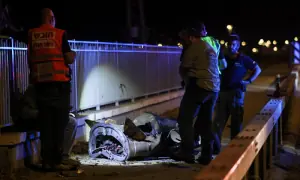
Al Jazeera Arabic saturates coverage with military cost analysis, Iranian political messaging framing the strikes as 'calculated,' and human displacement narratives — a fishing family living on a boat in Tyre.
Singaporean
CNA and Straits Times report factually that Iran asserts it will keep Hormuz open but with transit fees, framing the escalation through supply-chain and energy security consequences for Asia.
South African
Daily Maverick reprints Reuters wire noting Trump says new strikes won't affect peace deal, without additional editorial framing.
Pakistani
Dawn reports Israel and Iran trading fire as seriously testing the fragile truce, and separately notes Israel kills nine in Gaza amid ceasefire salvage efforts.
Italian
La Repubblica provides real-time updates on IDF targeting military sites in Tehran and Iranian missiles on Tel Aviv, and frames Netanyahu as gambling by striking Beirut against Trump's wishes.
Colombian
El Tiempo positions Trump's warning to Netanyahu — 'I make the decisions' — as a U.S. institutional decision-making accountability story, consistent with its Mexican civic institutional culpability lens.
Emirati
The National frames it as Israel striking Iran after Trump urges restraint, emphasising Gulf regional stability and energy debate implications, treating the crisis as a collective regional security concern.
Nigerian
Premium Times covers Iran attacking Israel for the first time since ceasefire, framing it as a factual wire report without regional analytical depth.
Japanese
Yahoo Japan covers Trump urging Israeli restraint and Iran firing missiles at Israel primarily as a security event affecting Japanese energy and shipping interests.
American
CNN reports Israel and Iran trading missile attacks as hostilities escalate, framing it as a bilateral military exchange with Trump as the key diplomatic variable.