How the world covered it

Israel-Iran Escalation Resumes

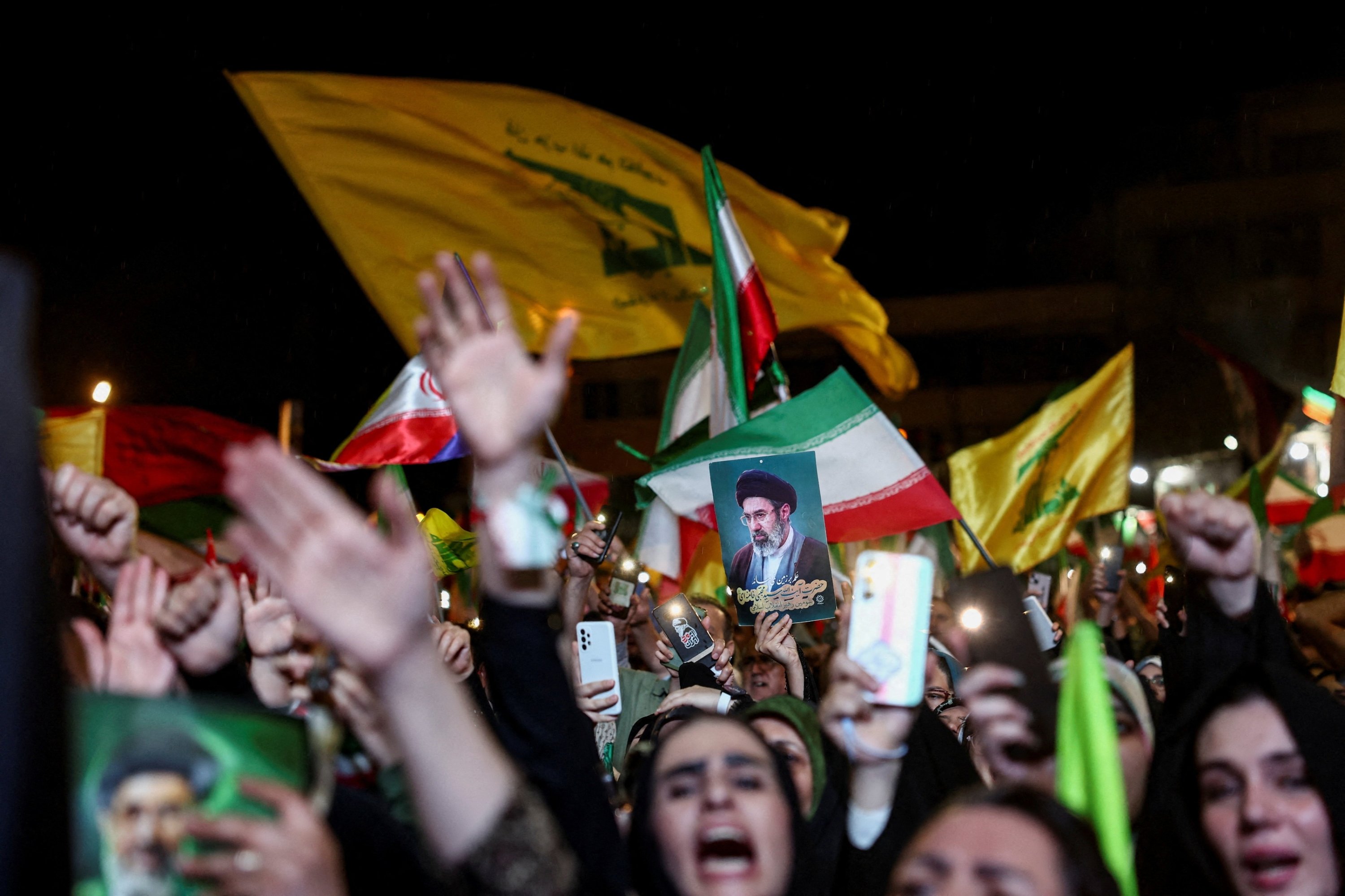
On day 100 of the Iran war, Israel and Iran exchanged fresh missile and air strikes despite Trump urging restraint, threatening to collapse fragile ceasefire negotiations and drag the wider Middle East into...

Editorial comparison

Outlets split between assigning blame for renewed strikes and emphasizing ceasefire institutional fragility amid Trump's restraint calls.

Daily Sabah frames Israel as the aggressor most likely to veto peace, calling Netanyahu 'desperate,' while Times of Israel emphasizes Israel managing legitimate security threats across multiple fronts. Deutsche Welle and BBC stress the architectural weakness of ceasefire mechanisms themselves rather than assigning primary responsibility.

Al Jazeera Arabic foregrounds Iranian messaging that strikes were 'calculated and limited,' whereas BBC and Deutsche Welle center institutional fragility. La Repubblica depicts Netanyahu 'gambling on escalation' against Trump's wishes, while CNN and Straits Times present the exchange as bilateral escalation without primary blame assignment.

Dawn and Folha de S.Paulo describe the strikes as seriously testing a fragile truce and threatening peace hopes. SCMP emphasizes Israel's defiance of Trump's restraint calls, framing it as a direct contradiction of US presidential pressure.

How each outlet opened the story
Dawn Pakistan

Israel and Iran traded fire despite Trump's restraint call

Daily Sabah Turkey

Israel launches strikes after missile barrage from Iran

Deutsche Welle Germany

Israel strikes Iran in retaliation for Iranian attacks

Daily Maverick South Africa

Trump says new strikes won't affect peace deal prospects

Iran attacks Israel for first time since April ceasefire

Iran attacks Israel for first time since ceasefire agreement

Israel hits Iran after missile fire, defying Trump's hold-back orders

Coverage map

What coverage agrees on, contests, or leaves unclear.

Broadly agreed
  • All covering sources confirm that Israel struck Iranian military targets on June 8 in retaliation for Iranian missile attacks on June 7.
  • All sources agree Trump publicly stated the new strikes would not affect his administration's peace deal efforts.
  • Multiple sources confirm oil prices rose sharply (over $2/barrel) on news of the renewed strikes.
Contested framing
  • Daily Sabah frames Israel as the party most likely to veto a peace deal, calling Netanyahu 'desperate'; Times of Israel frames Israel as managing legitimate security threats across multiple fronts simultaneously.
  • Al Jazeera Arabic foregrounds Iranian political messaging that strikes were 'calculated and limited,' while BBC and Deutsche Welle emphasise the institutional fragility of the ceasefire architecture.
  • La Repubblica frames Netanyahu as 'gambling on the edge of escalation' against Trump's wishes; CNN and Straits Times present the exchange as a bilateral escalation without assigning primary blame.
Still unclear

Whether Trump's peace deal framework remains viable after Israel's defiance of his direct request for restraint, and whether Iran's strikes constitute a formal ceasefire breach, remain unconfirmed.

Notable omissions

People's Daily and TASS provide no substantive coverage of the Israel-Iran escalation, omitting the story almost entirely from state-aligned Chinese and Russian outlets.

Regional framing

How different outlets describe the same story.

French

Le Monde uses live-blog format with expert analysis, noting Israel responded to Iranian salvos and foregrounding the institutional competence of negotiators on both sides.

German

Deutsche Welle focuses on the retaliation cycle — Iran's 'warning strikes' followed by Israeli counter-strikes — and emphasises institutional sustainability of ceasefire architecture rather than military capability.

Turkish

Daily Sabah frames Israel's strikes as the 'most serious escalation' and stresses accountability failure of international mechanisms, noting Trump is 'desperate to shut the war down' but Israel may veto any deal.

Indian

The Hindu provides a live timeline of escalation, notes oil prices rising over $2 per barrel, and emphasises Iran-Israel Lebanon dimension alongside petrochemical facility strikes — maintaining South Asian strategic autonomy framing.

Brazilian

Folha de S.Paulo foregrounds that Israel 'ignores Trump's appeal' and 'buries ceasefire,' integrating humanistic consequence framing about civilian displacement in Tyre alongside structural accountability analysis.

Qatari

Al Jazeera Arabic saturates coverage with military cost analysis, Iranian political messaging framing the strikes as 'calculated,' and human displacement narratives — a fishing family living on a boat in Tyre.

Singaporean

CNA and Straits Times report factually that Iran asserts it will keep Hormuz open but with transit fees, framing the escalation through supply-chain and energy security consequences for Asia.

South African

Daily Maverick reprints Reuters wire noting Trump says new strikes won't affect peace deal, without additional editorial framing.

Pakistani

Dawn reports Israel and Iran trading fire as seriously testing the fragile truce, and separately notes Israel kills nine in Gaza amid ceasefire salvage efforts.

Italian

La Repubblica provides real-time updates on IDF targeting military sites in Tehran and Iranian missiles on Tel Aviv, and frames Netanyahu as gambling by striking Beirut against Trump's wishes.

Colombian

El Tiempo positions Trump's warning to Netanyahu — 'I make the decisions' — as a U.S. institutional decision-making accountability story, consistent with its Mexican civic institutional culpability lens.

Emirati

The National frames it as Israel striking Iran after Trump urges restraint, emphasising Gulf regional stability and energy debate implications, treating the crisis as a collective regional security concern.

Nigerian

Premium Times covers Iran attacking Israel for the first time since ceasefire, framing it as a factual wire report without regional analytical depth.

Japanese

Yahoo Japan covers Trump urging Israeli restraint and Iran firing missiles at Israel primarily as a security event affecting Japanese energy and shipping interests.

American

CNN reports Israel and Iran trading missile attacks as hostilities escalate, framing it as a bilateral military exchange with Trump as the key diplomatic variable.

Source trail

Original reporting behind this perspective.

This page maps the coverage. The 85 articles below are the original reports the comparison is drawn from — open them for each publisher's full reporting.

Show 85 source articles

Explosions sound in the Lebanese capital, Beirut

Sounds of explosions rang out - at dawn on Monday - in the atmosphere of the Lebanese capital, Beirut, without their specific cause or location known until this moment, while the region is witnessing a new escalation between Iran and Israel.

Explosions sound in the Lebanese capital, Beirut

Sounds of explosions rang out - at dawn on Monday - in the atmosphere of the Lebanese capital, Beirut, without their specific cause or location known until this moment, while the region is witnessing a new escalation between Iran and Israel.

Perspective link copied