How the world covered it

Israel-Iran Strikes Escalate

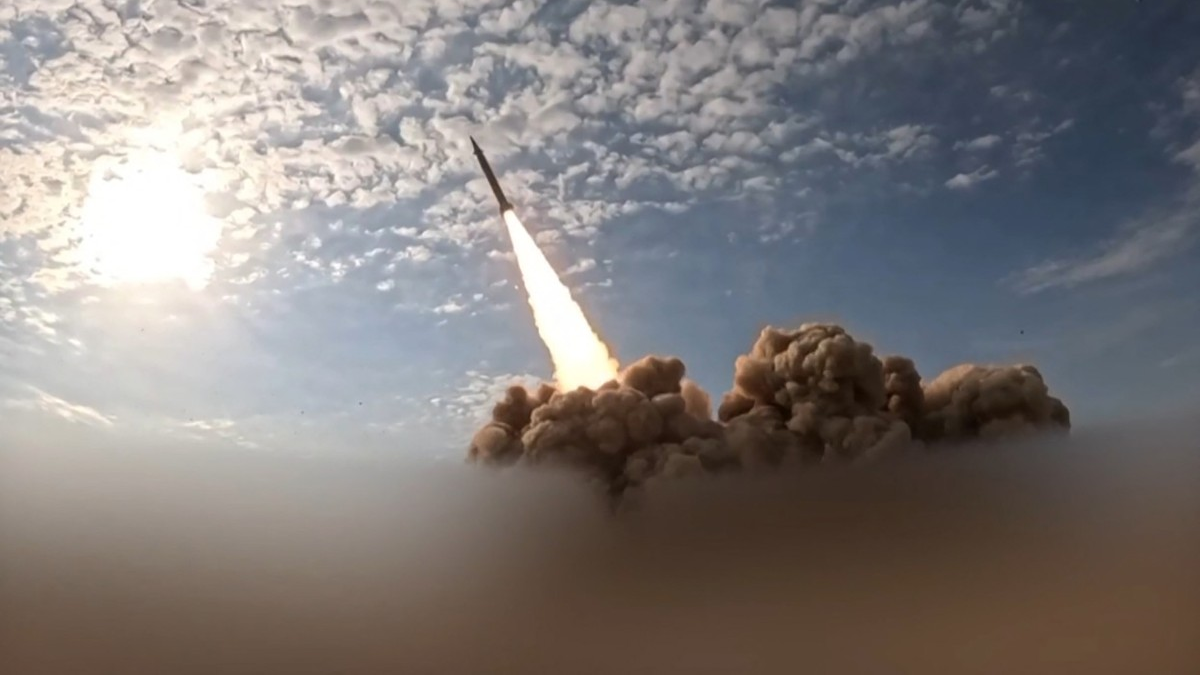
Israel and Iran exchanged missile and air strikes on the 100th day of the Iran war, threatening to collapse a fragile ceasefire and drag the broader Middle East into full-scale conflict while oil prices surge...

Editorial comparison

Most outlets frame escalation as mutual; Daily Sabah emphasizes Israeli aggression, Times of Israel justifies retaliation as response to Iranian 'grave mistake.'

Deutsche Welle, CNN, and BBC News present the escalation as reciprocal tit-for-tat without assigning primary blame, with Deutsche Welle framing it as retaliation for Iranian attacks and CNN emphasizing mutual missile exchanges. Daily Sabah takes a distinctly different angle, with one headline stating Israel "risks wider regional war" after the Iranian barrage, and a separate op-ed asserting Israel will "veto" any US-Iran peace deal, positioning Israeli action as sabotage of diplomacy.

Dawn, Japan Times, and CNA align with the retaliation frame, noting Trump's explicit calls for restraint that both sides ignored. Times of Israel (through the provided framing summary) characterizes Iran's missile launch as a strategic mistake that justified the Israeli response. No major outlet explicitly frames this as Iranian aggression without Israeli context, though the framing distribution suggests Western outlets maintain ostensible neutrality while Daily Sabah's headline choices foreground Israeli action as the primary escalatory event.

How each outlet opened the story
Dawn Pakistan

Israel and Iran traded fire despite Trump's restraint call

Deutsche Welle Germany

Israel strikes Iran in retaliation for Iranian attacks

Daily Sabah Turkey

Israel launches strikes after missile barrage, risks wider war

Daily Maverick South Africa

Trump says new strikes won't affect peace deal

Japan Times Japan

Israel hits Iran with new strikes despite Trump admonition

CNA Singapore

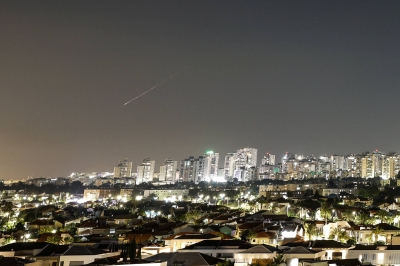
Israel says it is intercepting new wave of Iranian missiles

CNN USA

Israel, Iran trade missile attacks as hostilities escalate

Coverage map

What coverage agrees on, contests, or leaves unclear.

Broadly agreed
  • All covering sources confirm that Israel and Iran exchanged strikes on June 7–8, marking the most serious escalation since the April ceasefire.
  • Multiple sources confirm oil prices rose sharply, with Brent trading above $97 per barrel following the strikes.
  • Sources broadly agree that Trump publicly called for restraint while simultaneously asserting a peace deal remains achievable.
Contested framing
  • Daily Sabah and Folha de S.Paulo frame Israel as the primary aggressor sabotaging the peace process; Times of Israel frames Iran's missile launch as a 'grave mistake' that justified Israeli retaliation.
  • La Repubblica frames Netanyahu as deliberately escalating against Trump's wishes to derail US-Iran talks; CNN and BBC present the escalation as mutual without assigning primary blame.
  • Al Jazeera Arabic foregrounds civilian displacement and the human cost in Lebanon and Gaza; TASS and People's Daily are largely absent from direct conflict framing, consistent with their established patterns.
Still unclear

Whether Trump's claimed proximity to a peace deal reflects genuine diplomatic progress or is a public relations position designed to manage domestic and allied pressure remains unconfirmed by independent sources.

Notable omissions

Russian and Chinese state outlets largely absent from accountability framing of either belligerent; TASS and People's Daily do not cover civilian casualties or the humanitarian dimension of the Iran war escalation.

Regional framing

How different outlets describe the same story.

American

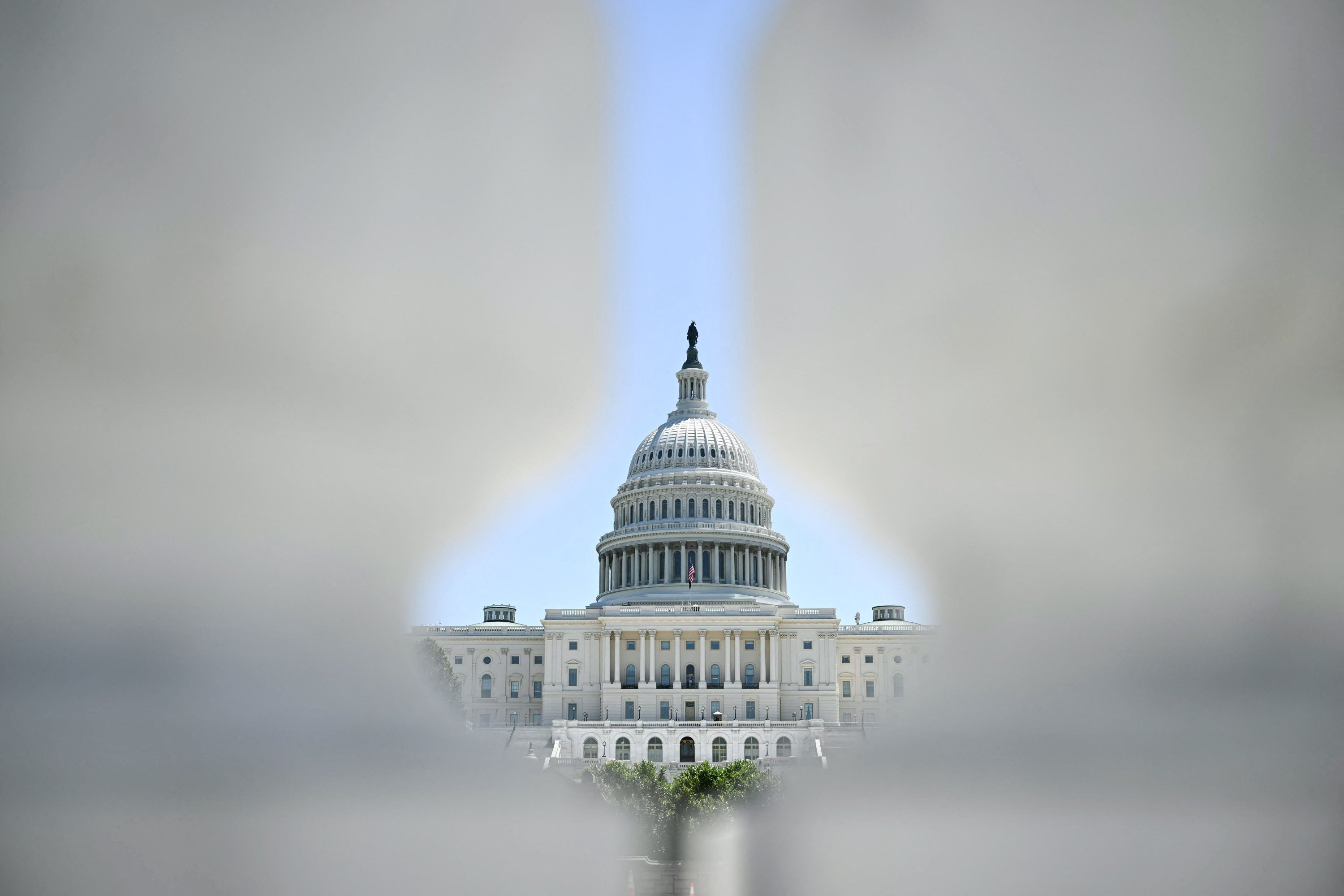
CNN leads with the missile exchange and escalation without a strong interpretive frame, treating it as a breaking security event while noting Trump's stated confidence in reaching a deal.

Turkish

Daily Sabah positions the strikes as the most serious Israel-Iran escalation yet and explicitly interrogates whether Israel is sabotaging Trump's peace deal, framing Israel as the spoiler.

Indian

The Hindu provides a live timeline, flags oil price rises, and reports on Israel striking an Iranian petrochemical complex in Mahshahr, maintaining a non-aligned factual framing without endorsing either side.

Brazilian

Folha de S.Paulo frames Israel as ignoring Trump's appeal and 'burying the ceasefire', integrating humanistic consequence framing with structural accountability for Israeli decision-making.

Qatari

Al Jazeera Arabic covers the mutual escalation and Iranian missile launches with detailed military framing, and separately documents the human cost in terms of displaced civilians in Tyre on a fishing boat.

German

Deutsche Welle reports the strikes factually, emphasising Iran's 'warning' framing and noting the regional risk of wider war, consistent with its de-escalatory institutional analysis.

Pakistani

Dawn reports both sides trading fire despite Trump's restraint call, flagging the threat to peace deal hopes — reflecting Pakistan's regional security interest in stability.

Singaporean

CNA and Straits Times focus on the missile interceptions and Trump's assertion that a peace deal remains viable, analysing through a supply-chain and Strait of Hormuz institutional lens.

South African

Daily Maverick republishes Reuters wire reporting Trump's claim the strikes won't affect a peace deal, without independent analytical framing.

Emirati

The National frames the crisis through Gulf energy security and regional airspace closures, emphasising collective Gulf strategic positioning over alignment with either belligerent.

Japanese

Japan Times and Yahoo Japan cover the strikes through Asian energy security disruption and note Trump's admonition to Israel, treating it as an infrastructure and logistics problem for Japanese corporate exposure.

Colombian

El Tiempo positions Trump's warning to Netanyahu — 'I make the decisions' — as the central story, emphasising US executive institutional accountability over military detail.

Nigerian

Premium Times reports Iran's first attack since the ceasefire in factual wire terms, without regional interpretive framing.

Chinese

SCMP analyses Israel hitting Iran after defying Trump, emphasising structural institutional vulnerability in the Strait of Hormuz and supply-chain coherence risks.

Source trail

Original reporting behind this perspective.

This page maps the coverage. The 45 articles below are the original reports the comparison is drawn from — open them for each publisher's full reporting.

Show 45 source articles
Perspective link copied