Israel and Iran traded fire on Monday, seriously testing a fragile truce and threatening hopes for a deal to end the Middle East war. The new attacks, including a strike on an Iranian petrochemical complex, came hours…
How the world covered this
Read the editorial comparison
Prose synthesis of how each outlet framed the story, with side-by-side outlet quotes and divergence notes.
45 articles from 18 sources
01
02
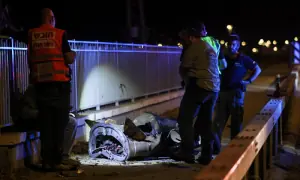
Iranian media reported explosions in Tehran, Tabriz and Isfahan. Iran had conducted what it called "warning" strikes on Israel over Israeli attacks on the Lebanese capital, Beirut.
03
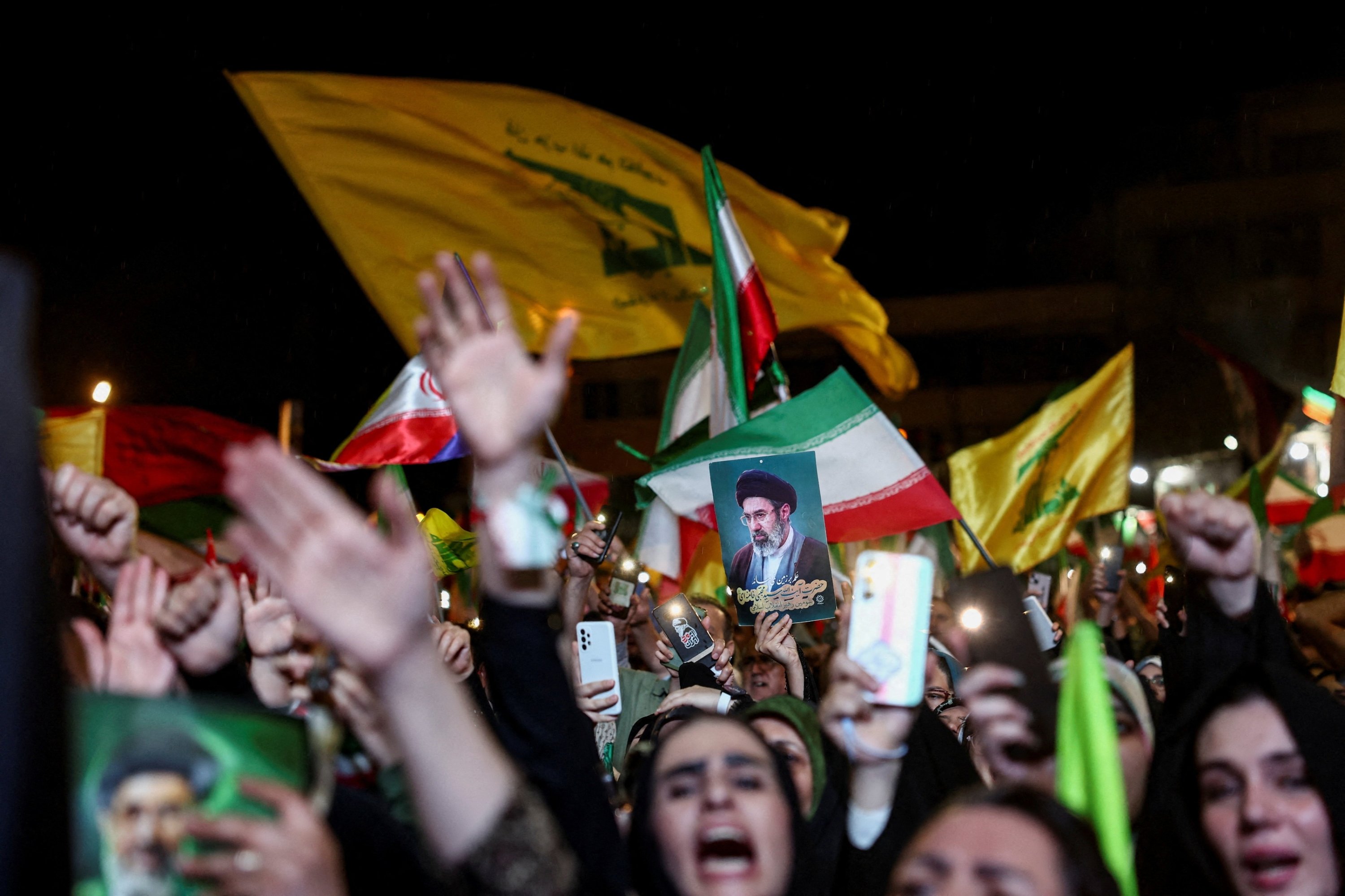
Israel launched strikes across Iran on Monday after coming under missile attack, marking the most serious escalation between the two adversaries since an April cease-fire and fueli...
04
The whole world knows Israel will veto Washington's peace deal with Iran. Yet Trump is desperate to shut this war down.
05
TEL AVIV/DUBAI/NEW BRUNSWICK, New Jersey, June 8 (Reuters) - U.S. President Donald Trump said on Sunday that new strikes by Israel and Iran would not affect his administration’s peace talks with Tehran, saying Israeli…

06
The U.S. president had said hours earlier that new strikes by Israel and Iran would not affect his administration's peace talks with Tehran.
07
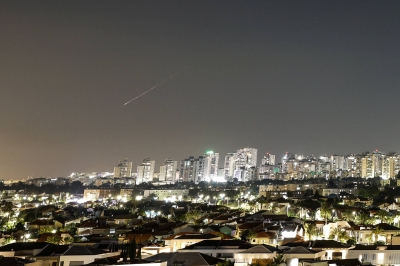
AFP journalists heard at least eight explosions over Jerusalem on Monday as Israel said it was intercepting a new wave of Iranian missiles.

08
Israel, Iran trade missile attacks as hostilities escalate CNN
09
Israel said it struck military targets in western and central Iran on Monday, even after US President Donald Trump reportedly told Israeli Prime Minister Benjamin Netanyahu to refrain from further attacks. Hours…


13
Oil prices were up more than $2 a barrel after Israel launched renewed strikes on Lebanon despite a truce between the two countries
14
Iran has fired missiles at Israel, marking the first such attack in two months since a ceasefire

15
The comments from Iran’s Parliament speaker, Mohammad Baqer Qalibaf, follow Israeli attacks on the southern suburbs of Lebanon’s capital, a stronghold of Iran’s ally Hezbollah.

16
Monday (June 8, 2026) marked the 100th day of the Iran war, launched Feb. 28 when Israel and the United States killed Supreme Leader Ayatollah Ali Khamenei and other senior Iranian leaders

17
Irã ataca Israel pela 1ª vez desde cessar-fogo de abril
Iranian forces launched this Sunday (7) the first missile attack against Israel since the ceasefire agreed on April 7 between Tel Aviv, Washington and Tehran. Read more (07/06/2026 - 11:10 am)
18
Irã diz que EUA violaram cessar-fogo e lança mísseis contra Kuwait e Bahrein
Iran said on Saturday (6) that American attacks on radar and coastal surveillance facilities in the Gulf constitute a "flagrant violation of the ceasefire", in force since April 8, and launched missiles against the…
19
تصعيد متبادل.. إيران تشن هجمات جديدة على إسرائيل بعد قصف واسع عليها
On Monday morning, the Israeli army announced that it had detected missiles launched from Iran, confirming that the defense system was working to intercept them, hours after the army announced the targeting of military sites in western and central Iran.
20
صحافة أمريكية.. القصف الإيراني ينذر بتجدد الحرب وترمب يسعى للتهدئة
American and British media said that the missile attacks launched by Iran on Israel threaten to inflame the conflict in the region, the intensity of which declined after a ceasefire agreement was reached in early April.
21
طهران تهدد برد "ساحق" على أي "مغامرة" إسرائيلية
Tehran threatened a strong response if it was targeted by the Israeli and American armies, after it launched ballistic missiles at areas in northern Israel in response to the repeated violation of the ceasefire in Lebanon.
22
اليوم الأول بعد المئة.. الخطر الأكبر يحدّق في الجميع
The crisis after a hundred days seems closer to a forced settlement than to a comprehensive war, but it is not close to a stable peace. We are facing a moment in which fear of disaster imposes a kind of temporary rationality.
23
صواريخ غير انشطارية وجغرافيا محدودة.. رسالة إيرانية محسوبة سياسيا وعسكريا
Military expert Brigadier General Hassan Jouni believes that the Iranian response was limited in terms of geography and the type of missiles, which indicates a message of deterrence linked to targeting the southern suburbs more than a prelude to a comprehensive war with Israel.
24
بين نيران طهران وتل أبيب.. هل يحاكي ترمب أسلوب "البازار" لكبح الحرب؟
US President Donald Trump is seeking calm as the military conflict reignites between Israel and Iran, while an imminent agreement to end the war is at stake.
25
The IRGC also warned of a broader response if Israel's attacks on Lebanon continued. The post Iran attacks Israel for the first time since ceasefire appeared first on Premium Times Nigeria .
26
КСИР заявил об ударах по израильским авиабазам Неватим и Тель-Ноф
27
IRNA: персонал нефтехимического завода в Бендер-Махшехре эвакуирован после удара Израиля
28
Цена нефти Brent на ICE росла более чем на 5%
By 08:43 Moscow time, the price of Brent was at $97.54 per barrel
29
The attacks were a warning to Israel to “cease their hostile actions” in Lebanon.
30
It had come under several waves of Iranian missile fire on Sunday.
31
Iran had fired missiles at Israel earlier on June 7, a first since a ceasefire took place in April.
32
US President Donald Trump insisted that an agreement to end the wider war remains well within reach.
33
The United States said Sunday it shot down two Iranian drones it said were threatening the Strait of Hormuz, marking the latest escalation as the regional war entered its 100th day...
34
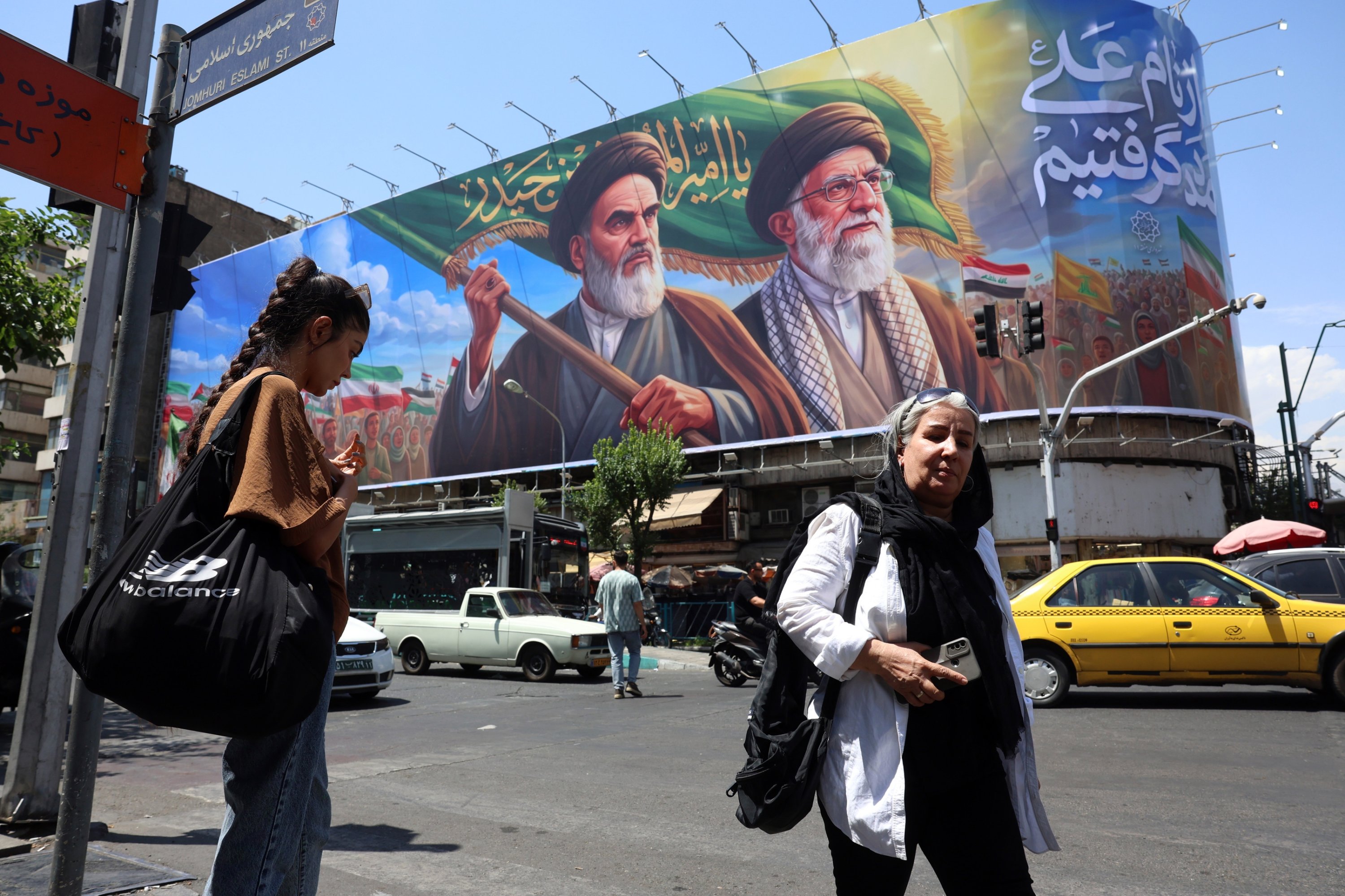
Israel ataca blancos militares en Irán; Teherán reporta explosiones en varias ciudades
The exchange of attacks raises regional tension while detonations are recorded in Tehran, Tabriz and Isfahan

35
Donald Trump advierte a Benjamin Netanyahu tras ataque de Irán a Israel: 'Yo tomo las decisiones'
Iran launched missiles this Sunday at Israel, a country that had previously bombed Lebanon. Trump says he is 'very close' to a peace deal.

36
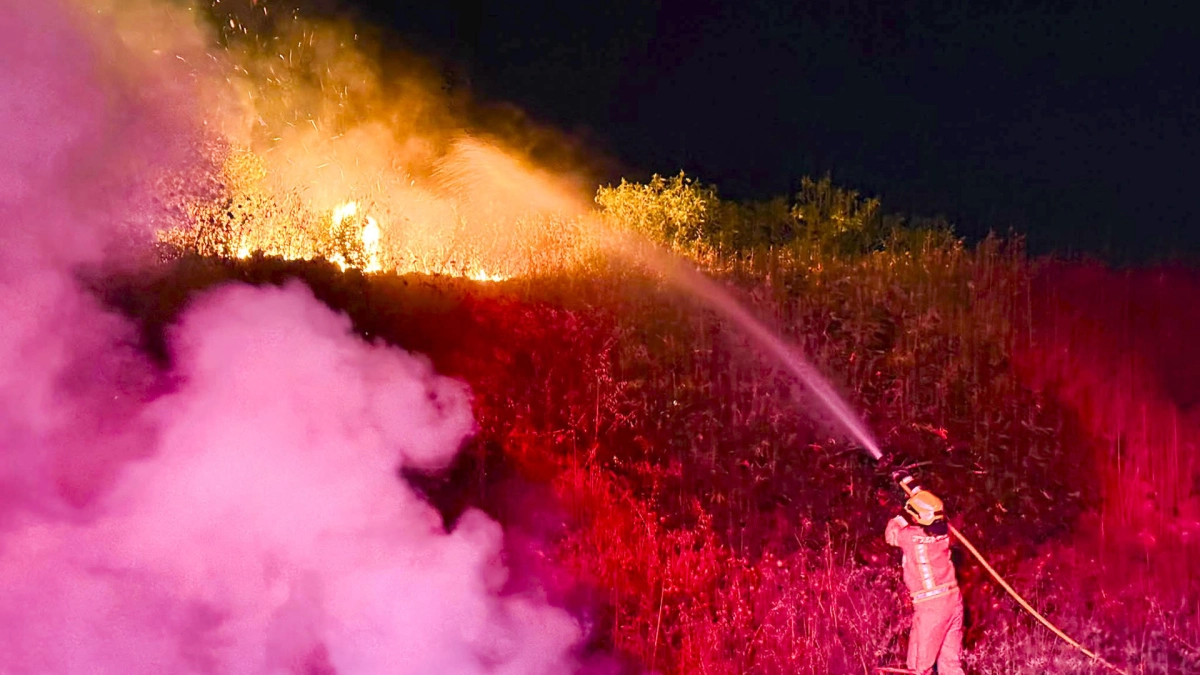
Ataques de Irán al norte de Israel en represalia por bombardeos contra Beirut amenazan con reabrir uno de los frentes más explosivos del conflicto
Israeli forces claimed to have intercepted most of the Iranian projectiles and said there were no immediate casualties.
37
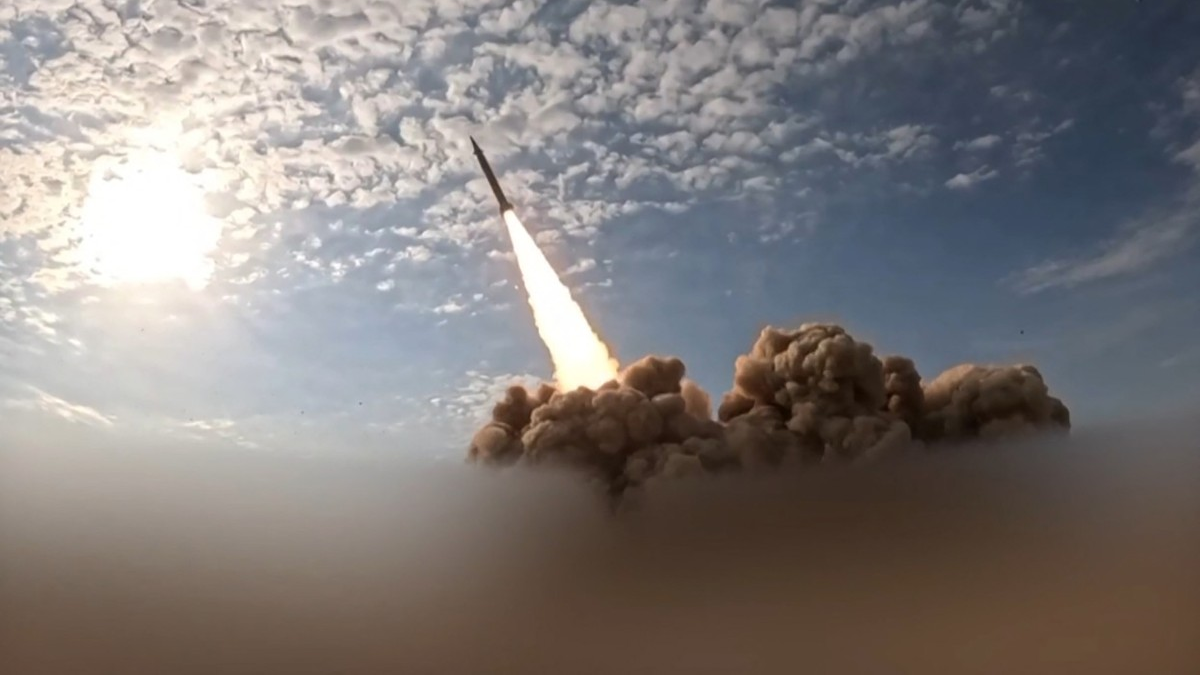
¿Fin de la tregua? Irán ataca con misiles a Baréin y Kuwait en respuesta a un bombardeo de Estados Unidos
The wealthy Gulf monarchies, once considered a safe haven in the region, found themselves on the front lines of Tehran's retaliatory fire.

39
イランが湾岸地域へ攻撃 米が迎撃
40
米大統領 イスラエルに自制求める
41
イラン イスラエルへミサイル発射
42
湾岸諸国復興にイラン資産 米検討
43
Irã ataca Israel pela 1ª vez desde cessar-fogo de abril
Iranian forces launched this Sunday (7) the first missile attack against Israel since the ceasefire agreed on April 7 between Tel Aviv, Washington and Tehran. Read more (07/06/2026 - 11:10 am)
44
Irã diz que EUA violaram cessar-fogo e lança mísseis contra Kuwait e Bahrein
Iran said on Saturday (6) that American attacks on radar and coastal surveillance facilities in the Gulf constitute a "flagrant violation of the ceasefire", in force since April 8, and launched missiles against the…
45
The IRGC also warned of a broader response if Israel's attacks on Lebanon continued. The post Iran attacks Israel for the first time since ceasefire appeared first on Premium Times Nigeria .
AI read
What the coverage agrees on, and where it splits
This view is generated from the clustered articles, so it is best read as a map of coverage rather than a replacement for the source reporting.
Broadly agreed
- All covering sources confirm that Israel and Iran exchanged strikes on June 7–8, marking the most serious escalation since the April ceasefire.
- Multiple sources confirm oil prices rose sharply, with Brent trading above $97 per barrel following the strikes.
- Sources broadly agree that Trump publicly called for restraint while simultaneously asserting a peace deal remains achievable.
Contested framing
- Daily Sabah and Folha de S.Paulo frame Israel as the primary aggressor sabotaging the peace process; Times of Israel frames Iran's missile launch as a 'grave mistake' that justified Israeli retaliation.
- La Repubblica frames Netanyahu as deliberately escalating against Trump's wishes to derail US-Iran talks; CNN and BBC present the escalation as mutual without assigning primary blame.
- Al Jazeera Arabic foregrounds civilian displacement and the human cost in Lebanon and Gaza; TASS and People's Daily are largely absent from direct conflict framing, consistent with their established patterns.
Still unclear
Whether Trump's claimed proximity to a peace deal reflects genuine diplomatic progress or is a public relations position designed to manage domestic and allied pressure remains unconfirmed by independent sources.
Notable omissions
Russian and Chinese state outlets largely absent from accountability framing of either belligerent; TASS and People's Daily do not cover civilian casualties or the humanitarian dimension of the Iran war escalation.
Quality check
Strong consensus on facts (strikes, oil prices, dates) but significant divergence on blame assignment and Trump's diplomatic claims—read with outlet bias awareness.
- Trump's 'peace deal proximity' claim lacks independent verification; presented as unconfirmed diplomatic positioning
- Primary aggressor framing diverges significantly across outlets (Daily Sabah vs. CNN/BBC); reader should expect attribution-dependent analysis
- Russian and Chinese state media notably absent from accountability framing—limits perspective on how major powers characterize escalation
Review confidence: 85%
Signal strength
4/5
Narrative divergence
18
Sources compared
1
Days in coverage
How each outlet frames this story
Divergence
4/5
Narrative Divergence
How differently the sources covering this story frame it — measured by tone, emphasis, and what each outlet chooses to highlight or omit.
1 — Sources frame the story almost identically
2 — Minor differences in tone or emphasis
3 — Noticeable differences; some outlets highlight what others omit
4 — Stark contrasts; conflicting narratives
5 — Sources tell fundamentally different stories
American
CNN leads with the missile exchange and escalation without a strong interpretive frame, treating it as a breaking security event while noting Trump's stated confidence in reaching a deal.
Turkish
Daily Sabah positions the strikes as the most serious Israel-Iran escalation yet and explicitly interrogates whether Israel is sabotaging Trump's peace deal, framing Israel as the spoiler.
Indian
The Hindu provides a live timeline, flags oil price rises, and reports on Israel striking an Iranian petrochemical complex in Mahshahr, maintaining a non-aligned factual framing without endorsing either side.
Brazilian
Folha de S.Paulo frames Israel as ignoring Trump's appeal and 'burying the ceasefire', integrating humanistic consequence framing with structural accountability for Israeli decision-making.
Qatari
Al Jazeera Arabic covers the mutual escalation and Iranian missile launches with detailed military framing, and separately documents the human cost in terms of displaced civilians in Tyre on a fishing boat.
German
Deutsche Welle reports the strikes factually, emphasising Iran's 'warning' framing and noting the regional risk of wider war, consistent with its de-escalatory institutional analysis.
Pakistani
Dawn reports both sides trading fire despite Trump's restraint call, flagging the threat to peace deal hopes — reflecting Pakistan's regional security interest in stability.
Singaporean
CNA and Straits Times focus on the missile interceptions and Trump's assertion that a peace deal remains viable, analysing through a supply-chain and Strait of Hormuz institutional lens.
South African
Daily Maverick republishes Reuters wire reporting Trump's claim the strikes won't affect a peace deal, without independent analytical framing.
Emirati
The National frames the crisis through Gulf energy security and regional airspace closures, emphasising collective Gulf strategic positioning over alignment with either belligerent.
Japanese
Japan Times and Yahoo Japan cover the strikes through Asian energy security disruption and note Trump's admonition to Israel, treating it as an infrastructure and logistics problem for Japanese corporate exposure.
Colombian
El Tiempo positions Trump's warning to Netanyahu — 'I make the decisions' — as the central story, emphasising US executive institutional accountability over military detail.
Nigerian
Premium Times reports Iran's first attack since the ceasefire in factual wire terms, without regional interpretive framing.
Chinese
SCMP analyses Israel hitting Iran after defying Trump, emphasising structural institutional vulnerability in the Strait of Hormuz and supply-chain coherence risks.