Data shows a decline in the number of ships - many carrying oil and gas - going through the waterway after attacks this week.
How the world covered this
Read the editorial comparison
Prose synthesis of how each outlet framed the story, with side-by-side outlet quotes and divergence notes.
7 articles from 7 sources
01

02
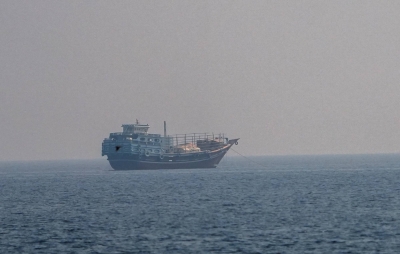
The Strait of Hormuz, a key route for global shipments, has been closely watched by shipping companies and governments following this week's attacks between Iran and the U.S.
03
Iran's latest attacks show it can easily disrupt shipping, energy markets and draw in Gulf neighbors. DW asks how much leverage Tehran really has over Washington and if its high-risk strategy could backfire.


06
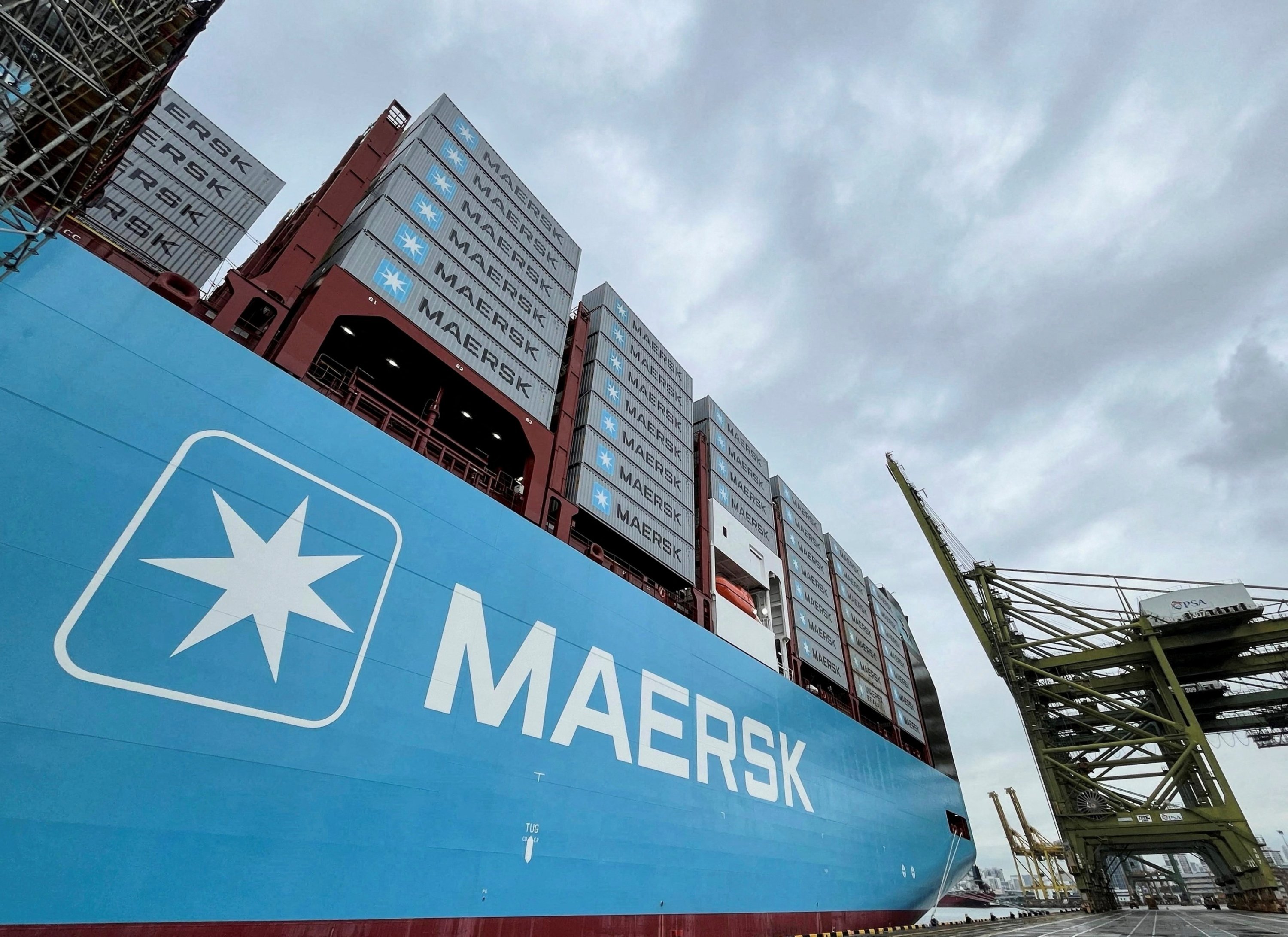
Maersk, one of the world's largest shipping companies, said on Thursday it would resume its Middle East-to-U.S. East Coast service through the Suez Canal, as the Danish gr...
07
China called on the United States and Iran to stick with peace plans after a resumption of missile strikes in the Middle East spurred a jump in oil prices. “Reigniting the conflict does not serve any party’s interests,”…

AI read
What the coverage agrees on, and where it splits
This view is generated from the clustered articles, so it is best read as a map of coverage rather than a replacement for the source reporting.
Broadly agreed
- BBC News data and multiple sources confirm a measurable decline in ship traffic through the Strait of Hormuz following the new strikes.
- Sources agree oil prices are rising as a result of the supply risk premium from Hormuz disruption.
Contested framing
- Japan Times reports Japanese companies are still transiting Hormuz, suggesting corporate risk tolerance differs by nationality; BBC reports a broad decline — the actual level of shipping disruption is framed differently depending on which vessels are counted.
- Deutsche Welle focuses on Iran's leverage endurance; The National focuses on alternative route diplomacy — different assessments of how the crisis will resolve.
Still unclear
The duration of the shipping disruption and whether Iran will formally close the strait rather than conduct harassment attacks remain publicly unconfirmed.
Notable omissions
No source covering the energy market story addresses the specific impact on Asian developing economies — India, Indonesia, Vietnam — that are highly dependent on Hormuz oil flows.
Quality check
The shipping decline and price increases are real; note that impact assessments vary by reporting outlet and most vulnerable regions (Asia) are underreported.
- Measurable shipping decline and oil price increases are confirmed
- Divergence on actual disruption level is real: Japan Times reports continued Japanese transits; BBC reports broad decline—both can be true depending on baseline and which vessels counted
- Resolution pathways are contested (Iran leverage durability vs. alternative routes)—reflects genuine uncertainty
- Critical omission: no source addresses specific impact on Asian developing economies (India, Indonesia, Vietnam) heavily dependent on Hormuz oil—significant vulnerability gap in coverage
Review confidence: 79%
Signal strength
2/5
Narrative divergence
7
Sources compared
1
Days in coverage
How each outlet frames this story
Divergence
2/5
Narrative Divergence
How differently the sources covering this story frame it — measured by tone, emphasis, and what each outlet chooses to highlight or omit.
1 — Sources frame the story almost identically
2 — Minor differences in tone or emphasis
3 — Noticeable differences; some outlets highlight what others omit
4 — Stark contrasts; conflicting narratives
5 — Sources tell fundamentally different stories
British
BBC News provides shipping data showing a significant decline in vessels — especially oil and gas carriers — transiting the Strait after strikes this week, treating it as an evidence-based supply disruption story.
Japanese
Japan Times reports more LNG and Japan-linked vessels are still transiting Hormuz despite tensions, analyzing corporate risk tolerance and Japanese energy security vulnerability with granular shipping company data.
German
Deutsche Welle asks whether Hormuz remains Iran's trump card, analyzing through endurance and institutional sustainability framing rather than military capability — how long can Iran sustain the disruption?
Singaporean
CNA reports oil heading for a weekly gain as Middle East supply risks persist, framing it as a commodity markets story.
Emirati
The National covers Iraq-Turkey negotiations on a 12-month deal to keep crude pumping through Ceyhan — an alternative route — framing regional energy diplomacy as a Gulf strategic autonomy response.
Turkish
Daily Sabah reports Maersk restarting Middle East-US shipping through Suez Canal as a partial workaround to Hormuz disruption, suggesting shipping companies are adapting.
Chinese
SCMP frames the ceasefire collapse as reviving global inflation risks, with China calling for both sides to stick to peace plans — emphasizing economic costs over security dimensions.