Big fall in oil, gas and cargo ships taking US-backed Hormuz route after new strikes
Data shows a decline in the number of ships - many carrying oil and gas - going through the waterway after attacks this week.

The sharp decline in oil, gas, and cargo ships transiting the Strait of Hormuz following new US-Iran strikes directly threatens global energy supply chains, is already pushing oil prices higher, and may force...
BBC News reports "Big fall in oil, gas and cargo ships taking US-backed Hormuz route after new strikes," presenting shipping disruption as factual and widespread. Japan Times reports "More LNG, Japan-linked vessels transit Hormuz despite renewed Mideast tensions," suggesting that Japanese companies are maintaining passage despite risks. This reflects either different shipping populations (Japanese versus global) or different risk tolerance by nationality.
Deutsche Welle emphasizes Iran's continued leverage: "Iran's latest attacks show it can easily disrupt shipping, energy markets and draw in Gulf neighbors." The National reports alternative routing (Iraq-Turkey crude oil deal near completion for 12 months), suggesting companies are hedging against Hormuz disruption by developing bypass routes. Daily Sabah reports Maersk restarting Middle East-to-US shipping through the Suez Canal, confirming route restructuring. The outlets agree disruption occurred but disagree on whether it is comprehensive (BBC) or selective by vessel type/ownership (Japan Times), and on resolution strategy—Iran's leverage (Deutsche Welle) versus route adaptation (The National, Daily Sabah).
Big fall in oil, gas and cargo ships after new US-Iran strikes
More LNG, Japan-linked vessels transit Hormuz despite renewed tensions
Is the Strait of Hormuz still Iran's trump card
Oil heads for weekly gain as Middle East supply risks persist
Iraq and Turkey near 12-month deal to keep pumping crude through Ceyhan
Maersk to restart Middle East-US shipping through Suez Canal
US-Iran ceasefire collapse revives risks of global inflation
The duration of the shipping disruption and whether Iran will formally close the strait rather than conduct harassment attacks remain publicly unconfirmed.
No source covering the energy market story addresses the specific impact on Asian developing economies — India, Indonesia, Vietnam — that are highly dependent on Hormuz oil flows.
BBC News provides shipping data showing a significant decline in vessels — especially oil and gas carriers — transiting the Strait after strikes this week, treating it as an evidence-based supply disruption story.
Japan Times reports more LNG and Japan-linked vessels are still transiting Hormuz despite tensions, analyzing corporate risk tolerance and Japanese energy security vulnerability with granular shipping company data.
Deutsche Welle asks whether Hormuz remains Iran's trump card, analyzing through endurance and institutional sustainability framing rather than military capability — how long can Iran sustain the disruption?
CNA reports oil heading for a weekly gain as Middle East supply risks persist, framing it as a commodity markets story.
The National covers Iraq-Turkey negotiations on a 12-month deal to keep crude pumping through Ceyhan — an alternative route — framing regional energy diplomacy as a Gulf strategic autonomy response.
Daily Sabah reports Maersk restarting Middle East-US shipping through Suez Canal as a partial workaround to Hormuz disruption, suggesting shipping companies are adapting.
SCMP frames the ceasefire collapse as reviving global inflation risks, with China calling for both sides to stick to peace plans — emphasizing economic costs over security dimensions.
This page maps the coverage. The 7 articles below are the original reports the comparison is drawn from — open them for each publisher's full reporting.
Data shows a decline in the number of ships - many carrying oil and gas - going through the waterway after attacks this week.
The Strait of Hormuz, a key route for global shipments, has been closely watched by shipping companies and governments following this week's attacks between Iran and the U.S.
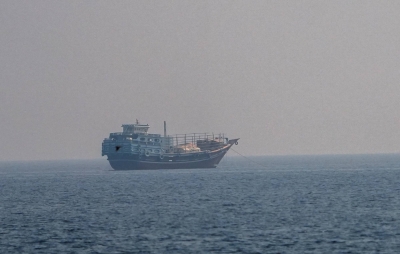
Iran's latest attacks show it can easily disrupt shipping, energy markets and draw in Gulf neighbors. DW asks how much leverage Tehran really has over Washington and if its high-risk strategy could backfire.


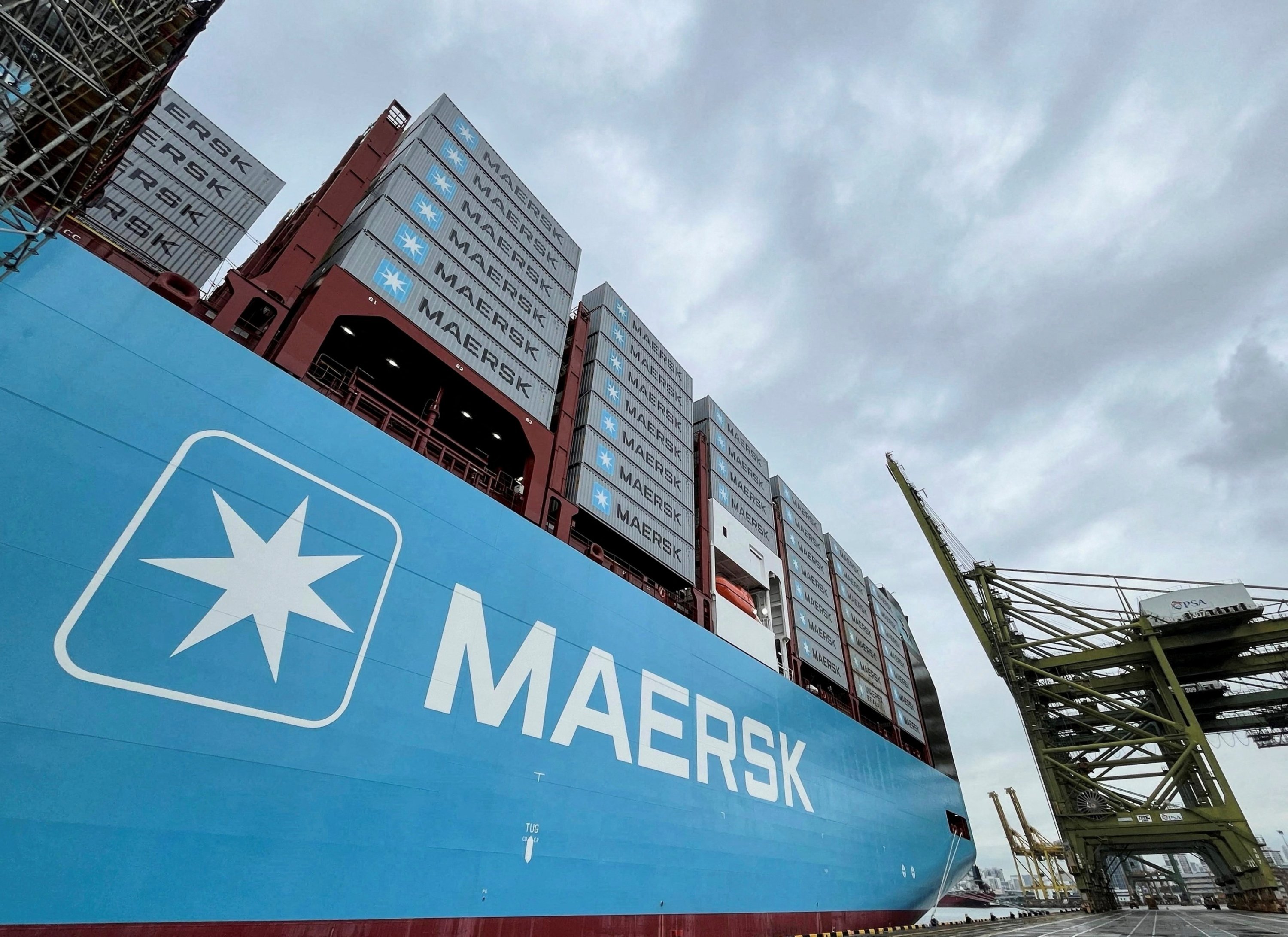
Maersk, one of the world's largest shipping companies, said on Thursday it would resume its Middle East-to-U.S. East Coast service through the Suez Canal, as the Danish gr...
China called on the United States and Iran to stick with peace plans after a resumption of missile strikes in the Middle East spurred a jump in oil prices. “Reigniting the conflict does not serve any party’s interests,”…
