How the world covered it

Strait of Hormuz Energy Supply Risk

The sharp decline in tanker traffic through the Strait of Hormuz — the world's most critical oil chokepoint — is driving oil price gains and threatening to reignite global inflation just as major economies...

Editorial comparison

Sharp Hormuz tanker traffic decline drives oil gains and inflation risk; coverage splits on duration, rerouting feasibility, and Gulf diversification strategy.

Deutsche Welle frames Iran's Hormuz leverage as a durable structural question, asking 'is the Strait of Hormuz still Iran's trump card?' and examining Iran's demonstrated disruption capability. SCMP frames the traffic decline as reviving 'global inflation' risk, warning of price increases amid US-Iran ceasefire collapse. The National and CNA focus on oil price gains and market response. Daily Sabah reports Maersk's restart of Middle East-to-US service through the Suez Canal, suggesting significant rerouting is already occurring to bypass Hormuz. Japan Times reports that more LNG and Japan-linked vessels continue Hormuz transits despite tensions, implying the disruption is partial rather than total. La Repubblica quotes a gas market analyst warning Europe of exposure to price increases amid storage challenges, contextualizing the energy risk within winter preparation.

How each outlet opened the story
Japan Times Japan

More LNG, Japan-linked vessels transit Hormuz despite tensions

Deutsche Welle Germany

Is the Strait of Hormuz still Iran's trump card?

Daily Sabah Turkey

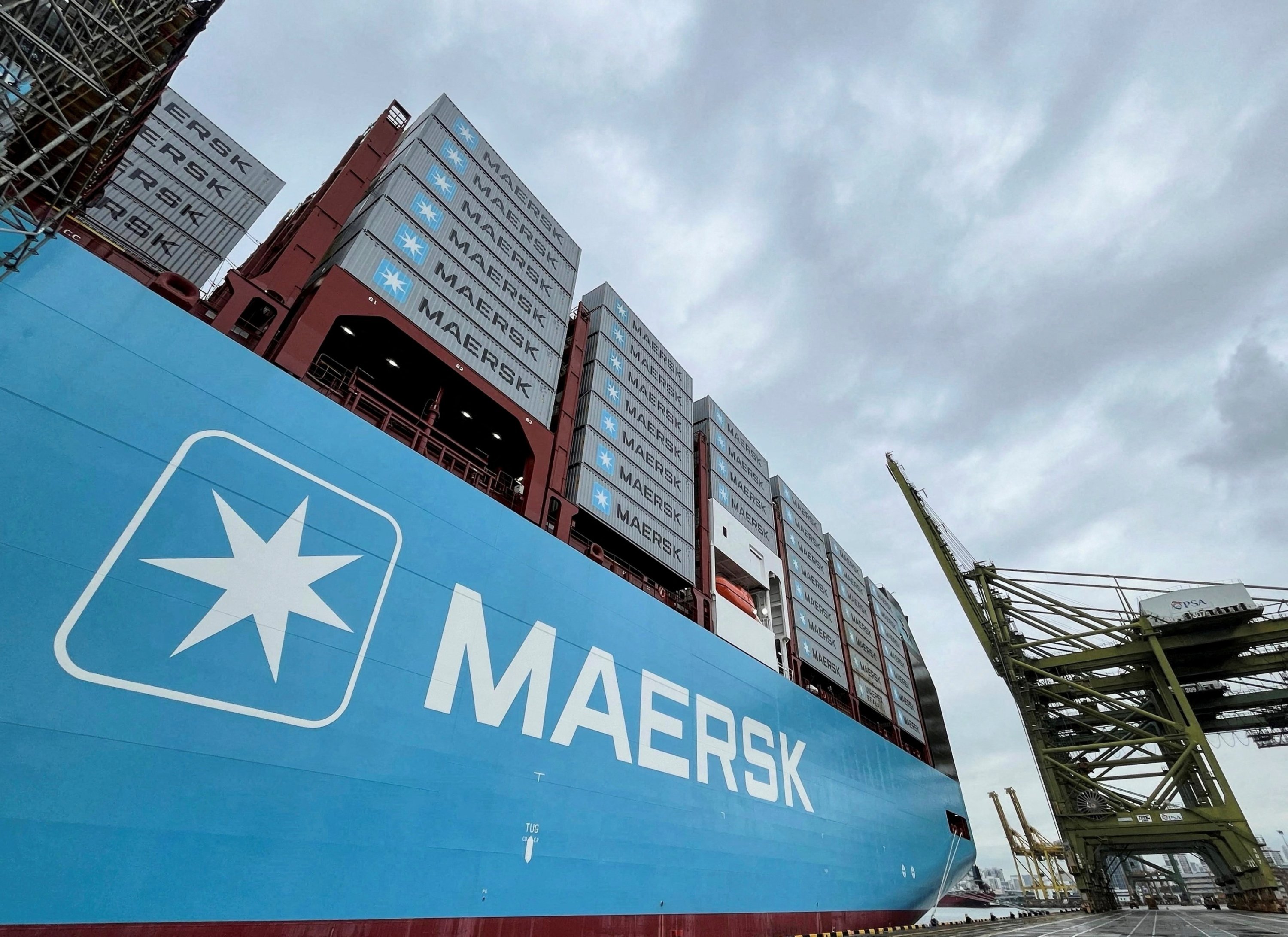
Maersk to restart Middle East-US shipping through Suez Canal

US-Iran ceasefire collapse revives risks of global inflation

Coverage map

What coverage agrees on, contests, or leaves unclear.

Broadly agreed
  • Multiple sources confirm oil prices rose in response to the US-Iran escalation and that tanker traffic through Hormuz declined measurably.
  • Japan Times and CNA both confirm Japan-linked vessels continued transiting Hormuz despite the tensions, suggesting incomplete shipping diversion.
Contested framing
  • Deutsche Welle frames Iran's Hormuz leverage as a structural endurance question; SCMP frames it as a global inflation revival risk; The National frames it through Gulf regional diversification strategy.
  • Maersk's Suez Canal restart reported by Daily Sabah suggests significant rerouting is already occurring; Japan Times reporting of continued Hormuz transits by Japan-linked vessels suggests the disruption is partial rather than total.
Still unclear

The percentage of pre-crisis Hormuz traffic volume that has diverted to alternative routes, and whether Iran has the capability to impose a full blockade, are not confirmed in available summaries.

Notable omissions

No outlet addresses the impact of Hormuz disruption on South Asian economies — particularly India and Pakistan — which are among the most dependent on Gulf energy imports.

Regional framing

How different outlets describe the same story.

Japanese

Japan Times reports Japan-linked LNG vessels continuing to transit Hormuz despite tensions, treating maritime passage as an infrastructure logistics problem requiring corporate resilience planning.

German

Deutsche Welle asks whether the Strait of Hormuz is 'still Iran's trump card,' analysing how easily Iran can disrupt shipping and energy markets and draw in Gulf neighbours — framing endurance and leverage rather than military capability.

Turkish

Daily Sabah reports Maersk restarting Middle East-US shipping through the Suez Canal, implying Hormuz traffic diversion is already reshaping global shipping routes.

Italian

La Repubblica interviews the CEO of Race Consulting on the 'volatile gas market,' warning Europe is not protected from price increases and is struggling to fill storage ahead of winter.

Source trail

Original reporting behind this perspective.

This page maps the coverage. The 7 articles below are the original reports the comparison is drawn from — open them for each publisher's full reporting.

Show 7 source articles
Perspective link copied