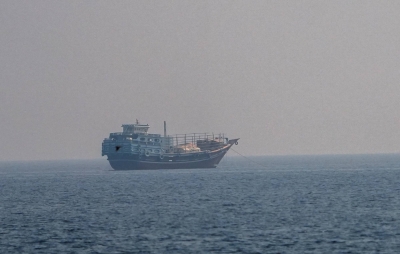
The Strait of Hormuz, a key route for global shipments, has been closely watched by shipping companies and governments following this week's attacks between Iran and the U.S.
How the world covered this
Read the editorial comparison
Prose synthesis of how each outlet framed the story, with side-by-side outlet quotes and divergence notes.
7 articles from 6 sources
01

03
Iran's latest attacks show it can easily disrupt shipping, energy markets and draw in Gulf neighbors. DW asks how much leverage Tehran really has over Washington and if its high-risk strategy could backfire.
04
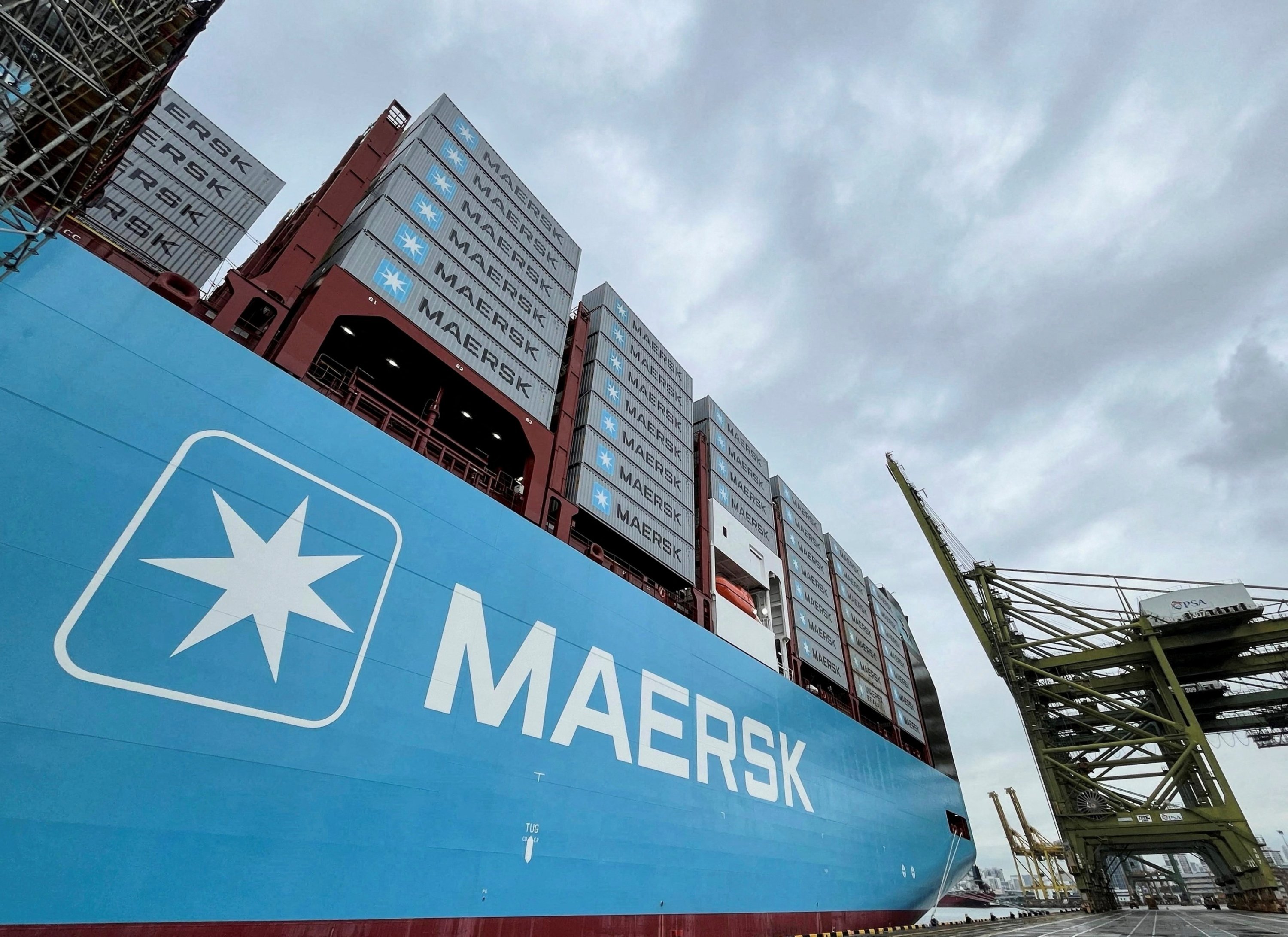
Maersk, one of the world's largest shipping companies, said on Thursday it would resume its Middle East-to-U.S. East Coast service through the Suez Canal, as the Danish gr...
05
China called on the United States and Iran to stick with peace plans after a resumption of missile strikes in the Middle East spurred a jump in oil prices. “Reigniting the conflict does not serve any party’s interests,”…

06
Benedettini: “Mercato del gas volatile. E non siamo protetti dai rincari”
The European Union is struggling to fill storage ahead of the winter season. Simona Benedettini, CEO of Race Consulting, speaks

AI read
What the coverage agrees on, and where it splits
This view is generated from the clustered articles, so it is best read as a map of coverage rather than a replacement for the source reporting.
Broadly agreed
- Multiple sources confirm oil prices rose in response to the US-Iran escalation and that tanker traffic through Hormuz declined measurably.
- Japan Times and CNA both confirm Japan-linked vessels continued transiting Hormuz despite the tensions, suggesting incomplete shipping diversion.
Contested framing
- Deutsche Welle frames Iran's Hormuz leverage as a structural endurance question; SCMP frames it as a global inflation revival risk; The National frames it through Gulf regional diversification strategy.
- Maersk's Suez Canal restart reported by Daily Sabah suggests significant rerouting is already occurring; Japan Times reporting of continued Hormuz transits by Japan-linked vessels suggests the disruption is partial rather than total.
Still unclear
The percentage of pre-crisis Hormuz traffic volume that has diverted to alternative routes, and whether Iran has the capability to impose a full blockade, are not confirmed in available summaries.
Notable omissions
No outlet addresses the impact of Hormuz disruption on South Asian economies — particularly India and Pakistan — which are among the most dependent on Gulf energy imports.
Quality check
Read carefully: disruption is real but partial; global inflation impact and alternative routing scale remain uncertain.
- Hormuz tanker traffic decline and oil price rise are confirmed across multiple sources—solid facts
- Japan-linked vessels continuing transits (per Japan Times) suggests disruption is partial, not total—important qualifier
- Percentage of pre-crisis traffic diverted to alternatives is explicitly unquantified—do not estimate diversion rates
- Iran's blockade capability is asserted but not independently verified—Deutsche Welle poses it as question
Review confidence: 68%
Signal strength
3/5
Narrative divergence
6
Sources compared
1
Days in coverage
How each outlet frames this story
Divergence
3/5
Narrative Divergence
How differently the sources covering this story frame it — measured by tone, emphasis, and what each outlet chooses to highlight or omit.
1 — Sources frame the story almost identically
2 — Minor differences in tone or emphasis
3 — Noticeable differences; some outlets highlight what others omit
4 — Stark contrasts; conflicting narratives
5 — Sources tell fundamentally different stories
Japanese
Japan Times reports Japan-linked LNG vessels continuing to transit Hormuz despite tensions, treating maritime passage as an infrastructure logistics problem requiring corporate resilience planning.
German
Deutsche Welle asks whether the Strait of Hormuz is 'still Iran's trump card,' analysing how easily Iran can disrupt shipping and energy markets and draw in Gulf neighbours — framing endurance and leverage rather than military capability.
Turkish
Daily Sabah reports Maersk restarting Middle East-US shipping through the Suez Canal, implying Hormuz traffic diversion is already reshaping global shipping routes.
Italian
La Repubblica interviews the CEO of Race Consulting on the 'volatile gas market,' warning Europe is not protected from price increases and is struggling to fill storage ahead of winter.