The first heatwaves of the season reveal how ill-prepared governments across the continent are to protect people from increasingly dangerous temperatures • Don’t get This Is Europe delivered to your inbox? Sign up…
How the world covered this
Read the editorial comparison
Prose synthesis of how each outlet framed the story, with side-by-side outlet quotes and divergence notes.
6 articles from 2 sources
01
02
Smartphone data shows how we seek refuge in extreme heat, and why social inequalities leave some vulnerable Heatwaves are now an increasingly expected part of summer for many. But how people stay cool varies from place…
03
UN agency predicts phenomenon that supercharges weather extremes has 80% chance of forming before September The world must prepare for the imminent return of El Niño and the supercharged weather extremes it brings, the…
04
Novel forms of CO 2 removal must expand at ‘highly ambitious rates’ if world is to limit global heating to 1.5C, says study Humanity must suck carbon out of the atmosphere with new technologies even faster than the…
05
Governments urged to act to prevent potentially disastrous impacts on human resistance to medicines The use of antibiotics on livestock will rise by nearly a third in the next 15 years without government intervention,…
06
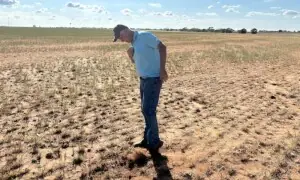
Dry weather is disrupting crop planting across Asia, raising concerns about food supplies in the world’s most populous region, and an expected severe El Niño weather pattern could inflict more damage. From India’s…
AI read
What the coverage agrees on, and where it splits
This view is generated from the clustered articles, so it is best read as a map of coverage rather than a replacement for the source reporting.
Broadly agreed
- The Guardian and Daily Nation confirm a UN warning of 80% probability of El Niño forming before September 2026.
- Multiple sources confirm Europe's current heatwaves are exposing government ill-preparedness for extreme heat.
Contested framing
- The Guardian frames heat vulnerability through social inequality, emphasising that disadvantaged communities face disproportionate risk; Daily Nation frames it as a national survival emergency for coastal communities facing rising Indian Ocean levels.
Still unclear
The precise timing and intensity of the 2026 El Niño event and which regions will face the most severe food security impacts remain subject to meteorological uncertainty.
Notable omissions
People's Daily's extensive environmental coverage focuses on Chinese ecological achievements and does not engage with the El Niño or European heat warnings, despite China being among the most exposed major economies to El Niño-related crop disruption.
Quality check
European heat failures confirmed, and El Niño risk is high-probability but not certain; food security impacts by region remain unclear.
- El Niño timing and intensity remain subject to meteorological uncertainty—80% probability is forecast, not certainty
- Food security impact regions identified as uncertain—global implications unspecified by region
- People's Daily omission of El Niño/heat coverage despite China's exposure suggests editorial gap but prevents understanding Chinese preparedness
- Framing divergence (social inequality vs. coastal survival) reflects different vulnerability assessments without data reconciliation
Review confidence: 77%
Signal strength
2/5
Narrative divergence
2
Sources compared
1
Days in coverage
How each outlet frames this story
Divergence
2/5
Narrative Divergence
How differently the sources covering this story frame it — measured by tone, emphasis, and what each outlet chooses to highlight or omit.
1 — Sources frame the story almost identically
2 — Minor differences in tone or emphasis
3 — Noticeable differences; some outlets highlight what others omit
4 — Stark contrasts; conflicting narratives
5 — Sources tell fundamentally different stories
British
The Guardian frames Europe's heat unpreparedness as a systemic governance failure, links heat vulnerability to social inequality, connects antibiotic livestock use rising by a third to compounding public health risks, and reports on CO2 removal technology needing to expand at 'highly ambitious rates' to limit 1.5°C heating.
Pakistani
Dawn reports hot weather hurting Asian crops as a powerful El Niño takes shape, raising food security concerns across the world's most populous region, and separately frames climate weaponisation as a historical and contemporary political tool.