Wall Street heads to another day of losses, led by tech sell-off
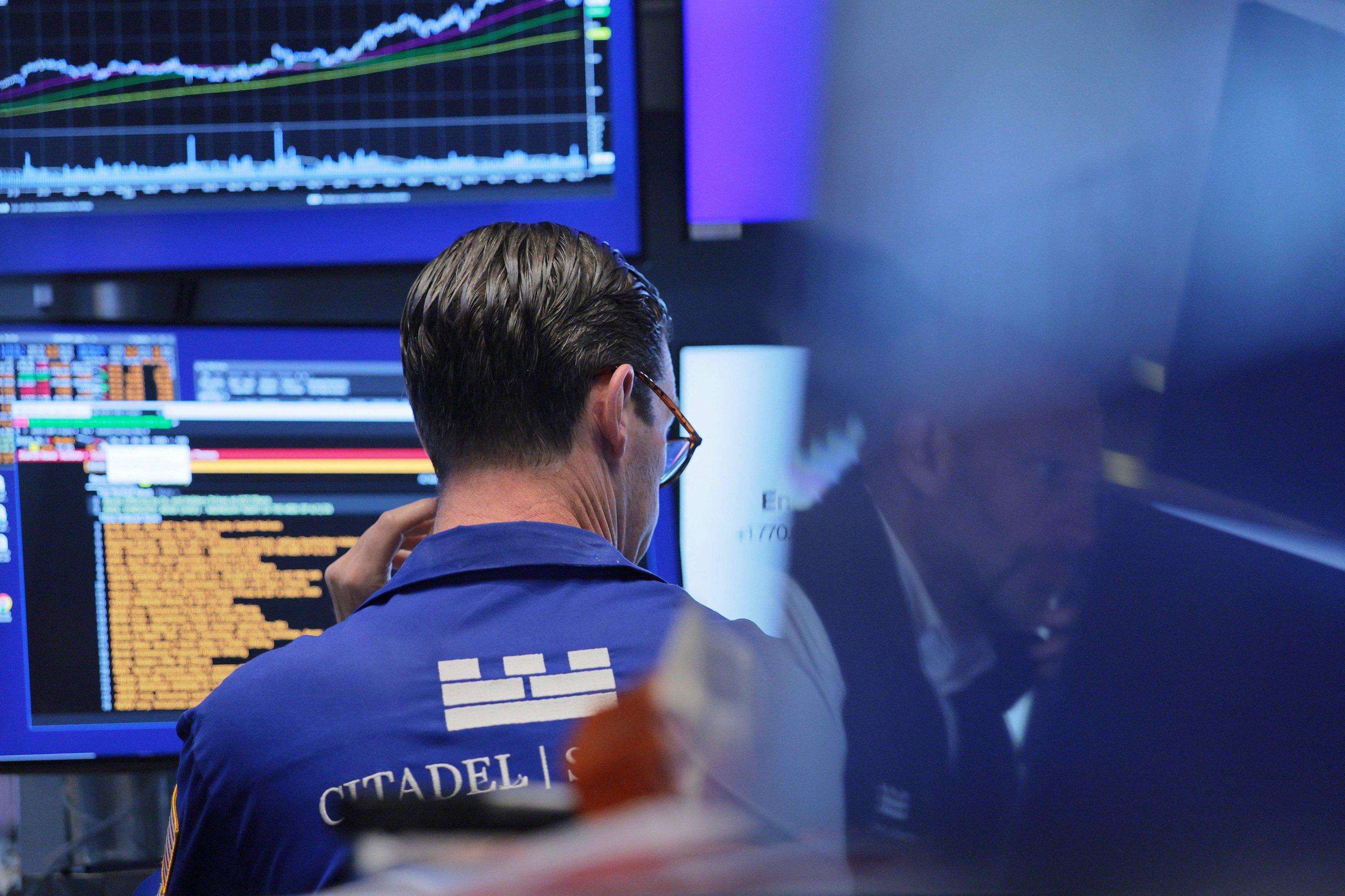
Wall Street was on track for another day of significant losses, and again, it was the technology sector leading the way down, with anxiety growing over probable rate hikes later th...
Concurrent stresses—Wall Street tech sell-off, oil price decline on Hormuz normalization, yen near 40-year lows, and BOJ rate hike signals—indicate significant global financial market volatility with...
The National frames Trump as a structural new market risk factor "comparable to Fed policy," arguing markets now monitor Trump as closely as the Federal Reserve—a statement about executive unpredictability as a pricing factor. SCMP frames the sell-off as an "AI wake-up call," emphasizing the AI-specific bubble concern without emphasizing Trump's role. Korea Herald reports oil extending its slide due to "expectations of smoother crude flows via Hormuz," directly linking to the Iran deal normalization.
Japan Times reports "BOJ summary affirms rate hike stance as inflation risks mount," with the yen near 40-year lows against the dollar amid Fed rate hike expectations. Japan Times also notes "AI boom sees investors shift from Japan's value to growth stocks," linking AI sector sentiment to equity rotation. Daily Sabah reports tech sector leading Wall Street losses without attributing primary causation to Trump or AI specifically. The divergence is causal: The National emphasizes Trump unpredictability; SCMP emphasizes AI bubble; Korea Herald emphasizes Hormuz normalization; Japan Times emphasizes Fed-BOJ policy divergence.
Wall Street heads to another day of losses, led by tech sell-off
US stocks slide, as Wall Street gets AI wake-up call
Oil extends slide on expectations of smoother crude flows via Hormuz
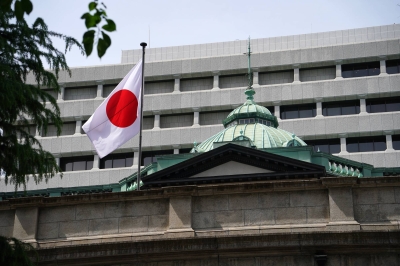
BOJ summary affirms rate hike stance as inflation risks mount
Why markets are now watching Trump as closely as they watch Fed
Whether the technology sell-off will spread to broader market indices and whether the BOJ will actually implement a rate hike in the near term remains unconfirmed.
The impact of market volatility on pension funds and retail investors in developing economies is absent from all summaries.
Daily Sabah reports Wall Street heading for losses led by the technology sector sell-off, framing it as a straightforward market story.
SCMP covers Wall Street's AI 'reality check' with a bruising sell-off in technology giants raising AI investment sustainability concerns.
Korea Herald covers oil prices extending their slide on expectations of smoother crude flows through Hormuz, connecting geopolitical resolution to energy market impacts.
Japan Times covers BOJ summary affirming rate hike stance as inflation risks mount, with the yen near its weakest level since 1986; separately notes AI investment shifting Japan's equities from value to growth.
CNA covers Japan's plans to better manage its yen intervention war chest, framing currency stability as an operational institutional logistics challenge.
The National covers why markets are watching Trump as closely as they watch the Fed, analyzing Trump's policy unpredictability as a new structural market risk factor.
This page maps the coverage. The 7 articles below are the original reports the comparison is drawn from — open them for each publisher's full reporting.
Wall Street was on track for another day of significant losses, and again, it was the technology sector leading the way down, with anxiety growing over probable rate hikes later th...
Wall Street got a reality check as a bruising sell-off in several technology giants fuelled concern the artificial intelligence frenzy that has powered the equity bull market might be overblown. The tech rout engulfed…

Oil prices fell more than 1 percent on Wednesday, extending this week's losses and trading near four-month lows, on signs that more oil tankers stranded in the Gulf are set to move out of the Strait of Hormuz.…

The summary came out as the yen remained close to the weakest level since 1986 against the dollar amid growing bets on the Federal Reserve raising rates this year.

Investors had classified Japan's equities as low-growth value stocks, but the rising prominence of high-growth firms suggests a meaningful shift in the investment narrative.