Wall Street was on track for another day of significant losses, and again, it was the technology sector leading the way down, with anxiety growing over probable rate hikes later th...
How the world covered this
Read the editorial comparison
Prose synthesis of how each outlet framed the story, with side-by-side outlet quotes and divergence notes.
7 articles from 6 sources
01
02
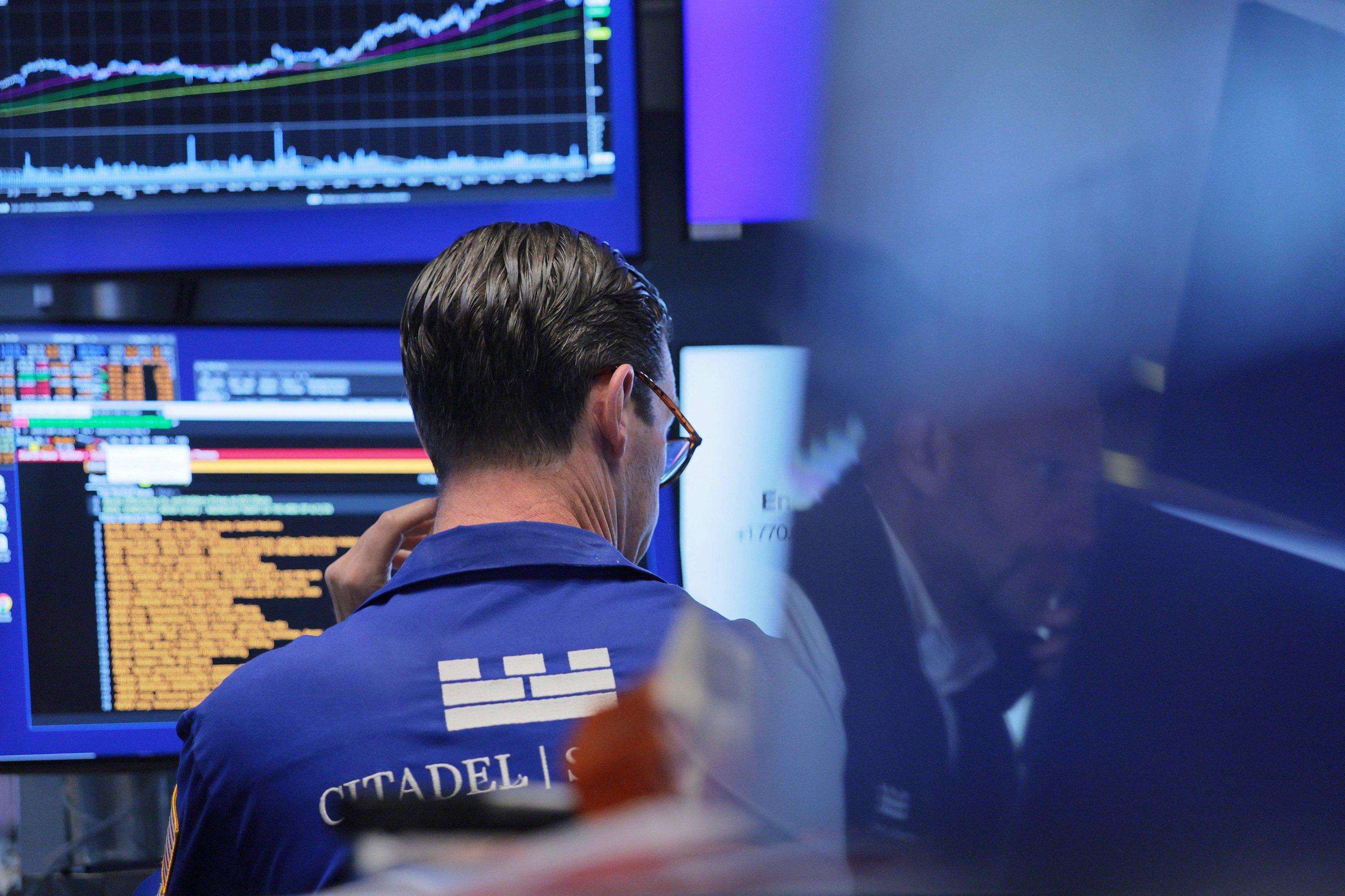
Wall Street got a reality check as a bruising sell-off in several technology giants fuelled concern the artificial intelligence frenzy that has powered the equity bull market might be overblown. The tech rout engulfed…

03
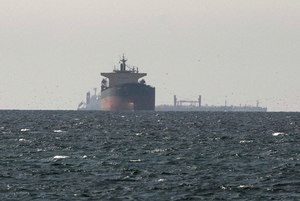
Oil prices fell more than 1 percent on Wednesday, extending this week's losses and trading near four-month lows, on signs that more oil tankers stranded in the Gulf are set to move out of the Strait of Hormuz.…
04
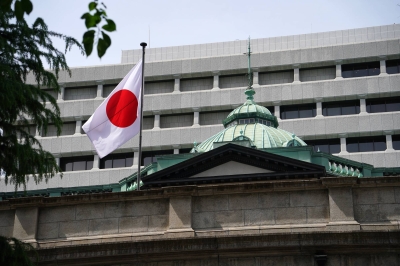
The summary came out as the yen remained close to the weakest level since 1986 against the dollar amid growing bets on the Federal Reserve raising rates this year.

06
Investors had classified Japan's equities as low-growth value stocks, but the rising prominence of high-growth firms suggests a meaningful shift in the investment narrative.


AI read
What the coverage agrees on, and where it splits
This view is generated from the clustered articles, so it is best read as a map of coverage rather than a replacement for the source reporting.
Broadly agreed
- Multiple sources confirm Wall Street experienced a significant technology-sector-led sell-off during this period.
- Multiple sources confirm oil prices are declining as Hormuz shipping normalization expectations rise.
Contested framing
- The National frames Trump's unpredictability as a structural new market risk factor comparable to Fed policy; SCMP frames the sell-off as an AI-specific bubble concern without emphasizing Trump's role.
- Japan Times covers BOJ rate hike signals as an inflationary response; South Korean coverage treats oil price decline as a straightforward Hormuz consequence without BOJ linkage.
Still unclear
Whether the technology sell-off will spread to broader market indices and whether the BOJ will actually implement a rate hike in the near term remains unconfirmed.
Notable omissions
The impact of market volatility on pension funds and retail investors in developing economies is absent from all summaries.
Quality check
Current volatility confirmed; contagion risk and policy response timing remain uncertain.
- Whether tech sell-off will spread to broader indices explicitly unconfirmed
- BOJ rate hike signals vs. actual implementation timeline unclear; futures pricing cited but not actual policy
- Trump's unpredictability framed as structural risk factor by some outlets but not analyzed systematically
- Impact on pension funds and retail investors in developing economies entirely absent; global exposure asymmetry unaddressed
Review confidence: 70%
Signal strength
2/5
Narrative divergence
6
Sources compared
1
Days in coverage
How each outlet frames this story
Divergence
2/5
Narrative Divergence
How differently the sources covering this story frame it — measured by tone, emphasis, and what each outlet chooses to highlight or omit.
1 — Sources frame the story almost identically
2 — Minor differences in tone or emphasis
3 — Noticeable differences; some outlets highlight what others omit
4 — Stark contrasts; conflicting narratives
5 — Sources tell fundamentally different stories
Turkish
Daily Sabah reports Wall Street heading for losses led by the technology sector sell-off, framing it as a straightforward market story.
Chinese
SCMP covers Wall Street's AI 'reality check' with a bruising sell-off in technology giants raising AI investment sustainability concerns.
South Korean
Korea Herald covers oil prices extending their slide on expectations of smoother crude flows through Hormuz, connecting geopolitical resolution to energy market impacts.
Japanese
Japan Times covers BOJ summary affirming rate hike stance as inflation risks mount, with the yen near its weakest level since 1986; separately notes AI investment shifting Japan's equities from value to growth.
Singaporean
CNA covers Japan's plans to better manage its yen intervention war chest, framing currency stability as an operational institutional logistics challenge.
Emirati
The National covers why markets are watching Trump as closely as they watch the Fed, analyzing Trump's policy unpredictability as a new structural market risk factor.