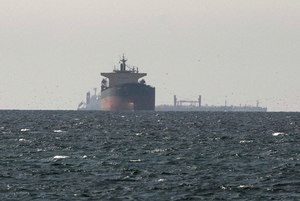
Oil prices fell more than 1 percent on Wednesday, extending this week's losses and trading near four-month lows, on signs that more oil tankers stranded in the Gulf are set to move out of the Strait of Hormuz.…
How the world covered this
Read the editorial comparison
Prose synthesis of how each outlet framed the story, with side-by-side outlet quotes and divergence notes.
3 articles from 2 sources
01
02
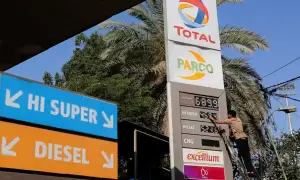
• Oil firms assured of import premium-based pricing to minimise losses • OMCs warn repeated revisions discouraging foreign investment ISLAMABAD: The Petroleum Division of the Ministry of Energy on Tuesday assured…
03
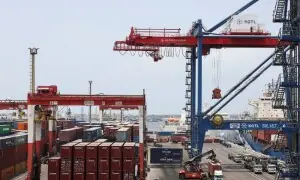
The Karachi Gateway Terminal Ltd (KGTL) is planning up to $100 million in new investment within five years as Pakistan tries to cut freight costs and turn a cargo surge triggered by the Iran war into longer-term…
AI read
What the coverage agrees on, and where it splits
This view is generated from the clustered articles, so it is best read as a map of coverage rather than a replacement for the source reporting.
Broadly agreed
- Oil prices fell more than 1% to near four-month lows on expectations of smoother crude flows through the Strait of Hormuz following the US-Iran deal framework.
Contested framing
- Korea Herald treats the oil price decline as a positive market signal of de-escalation; Dawn covers Pakistani oil companies warning that repeated pricing revisions are discouraging investment, suggesting that price volatility itself — regardless of direction — creates structural harm.
Still unclear
Whether the Strait of Hormuz will fully reopen and how quickly shipping normalisation will occur given ongoing disputes about the deal's terms remain uncertain.
Notable omissions
The impact of oil price movements on African energy-exporting economies like Nigeria is not addressed despite the direct fiscal relevance; OPEC+ response to price declines is not covered in available articles.
Quality check
Price declines confirmed; link to Hormuz normalisation is expectation-based and contingent on deal terms being upheld.
- Oil price decline (>1% to four-month lows) is confirmed by Korea Herald
- Hormuz normalisation expectations linked to US-Iran deal are reported but actual shipping restoration pace unconfirmed
- Causation between deal expectations and price movement is asserted but correlative, not proven causal
- Nigeria energy-export impact omission is valid given fiscal relevance; OPEC+ response absence also material for price trajectory
Review confidence: 71%
Signal strength
2/5
Narrative divergence
2
Sources compared
1
Days in coverage
How each outlet frames this story
Divergence
2/5
Narrative Divergence
How differently the sources covering this story frame it — measured by tone, emphasis, and what each outlet chooses to highlight or omit.
1 — Sources frame the story almost identically
2 — Minor differences in tone or emphasis
3 — Noticeable differences; some outlets highlight what others omit
4 — Stark contrasts; conflicting narratives
5 — Sources tell fundamentally different stories
South Korean
Korea Herald reports oil extending its slide on expectations of smoother crude flows via Hormuz, treating the price movement as a market signal of conflict de-escalation with direct energy import implications for South Korea.
Pakistani
Dawn covers Pakistan's weekly oil pricing mechanism and oil company concerns about repeated price revisions discouraging foreign investment, connecting the global oil price decline to domestic energy policy challenges.
Pakistani
Dawn separately reports Karachi port planning $100m in new investment driven by cargo surge from the Iran war, illustrating how the conflict's economic geography has created new trade flows that a peace deal would alter.