How the world covered it

Venezuela Earthquake Crisis Deepens

Over 2,295 people are confirmed dead and 11,000+ injured a week after twin earthquakes struck Venezuela, with a looming medical crisis, blocked relief access, and political controversy over the Maduro...

Editorial comparison

Death toll confirmed at 2,295; sources diverge on US deportation accountability and Venezuelan government obstruction.

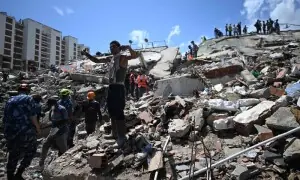
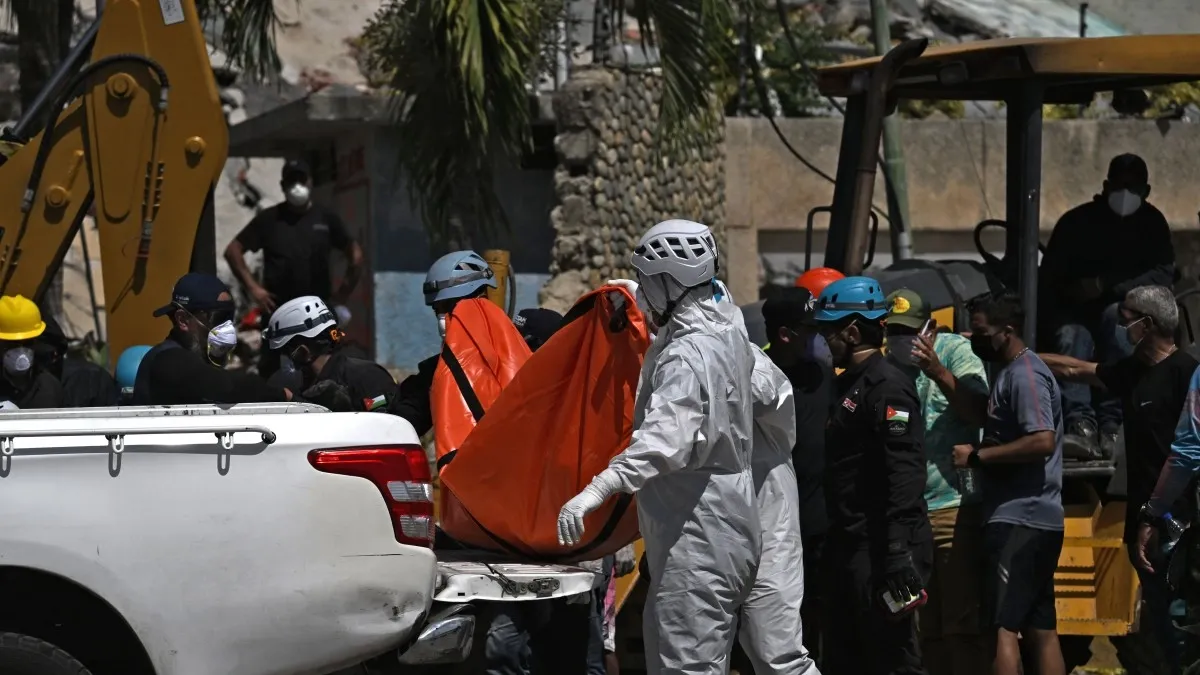
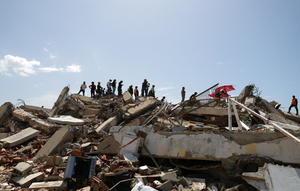
SCMP, Straits Times (multiple articles), Dawn, and BBC News cover the earthquake's medical and humanitarian aftermath—trapping rescuers, identifying bodies with spray-painted markers, and pulling survivors from rubble one week after the quakes. The Straits Times emphasizes hope fading and hunger as conditions deteriorate, while BBC News centers on a two-year-old pulled from rubble and an aunt's promise to provide motherly care.

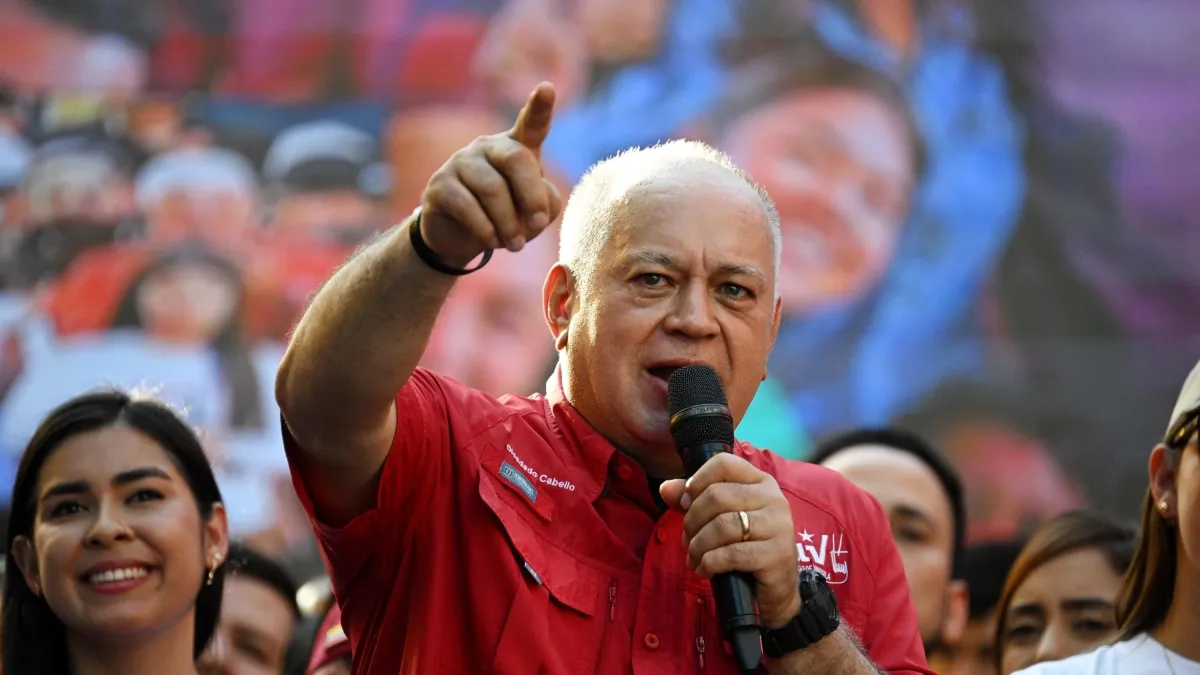
BBC News uniquely reports on deportees: "The US deported them to Venezuela - hours later earthquakes struck," documenting families searching for recently deported migrants who landed on Flight 164 just before the quakes struck. El Tiempo and the contested framings indicate that US immigration policy's deportation-to-disaster pipeline is framed as a direct US accountability issue by some outlets, though this angle does not appear prominently in the provided article titles. Venezuelan government sources (reflected in reports of official mourning and response coordination) present the government as managing a legitimate disaster; Colombian and US sources allege obstruction by authorities, particularly Diosdado Cabello, though these allegations appear more clearly in the separate "Venezuelan Earthquake Political Obstruction" topic cluster.

How each outlet opened the story

Venezuela faces post-quake medical crisis as threat of infections looms

Straits Times Singapore

Rescue of trapped Venezuelan underway one week after quakes

Straits Times Singapore

Hope fades, hunger sets in a week after Venezuela quakes

Straits Times Singapore

Spray-painted letters on buildings spell tragedy for Venezuela quake victims

Dawn Pakistan

Rescue operation continues to save Venezuelan trapped under rubble

Aunt of Venezuelan boy pulled from rubble tells BBC she will give him mother's warmth

The US deported them to Venezuela - hours later earthquakes struck

The Hindu India

Venezuela's twin earthquakes: Unprecedented struggles for survival amid crisis

Coverage map

What coverage agrees on, contests, or leaves unclear.

Broadly agreed
  • All sources confirm the death toll has risen to at least 2,295 with over 11,000 injured as of reporting.
  • Sources agree rescue operations are ongoing more than a week after the initial quakes, with at least one person still trapped alive.
  • Multiple sources confirm US-deported Venezuelan migrants were caught in the disaster, some dying in the rubble.
Contested framing
  • El Tiempo and CNN frame the US deportation-to-disaster pipeline as a direct accountability issue for US immigration policy; BBC focuses on the human stories without explicitly assigning US institutional blame.
  • Colombian and US sources allege Venezuelan authorities (specifically Cabello) are obstructing rescue and aid delivery; Venezuelan government sources (reflected in Folha) describe official mourning and response coordination.
Still unclear

The true scale of casualties among US-deported migrants specifically, and whether Venezuelan government obstruction of rescue access has been independently verified beyond individual testimonies, remains unconfirmed.

Notable omissions

TASS and People's Daily are entirely absent from coverage of this disaster, which reflects both editorial prioritisation and the absence of Russian or Chinese institutional stakes in Venezuelan humanitarian outcomes.

Regional framing

How different outlets describe the same story.

British

BBC humanises the disaster through the story of a two-year-old rescued six days after the quake, and documents the agony of US deportees' families searching for missing relatives.

Brazilian

Folha de S.Paulo integrates personal testimony with structural accountability — a mother taking five days to find her deported son's body, and Venezuela blocking access to sites where deportees died.

Indian

The Hindu documents unprecedented survival struggles and the mounting humanitarian crisis without foregrounding the US deportation angle.

Colombian

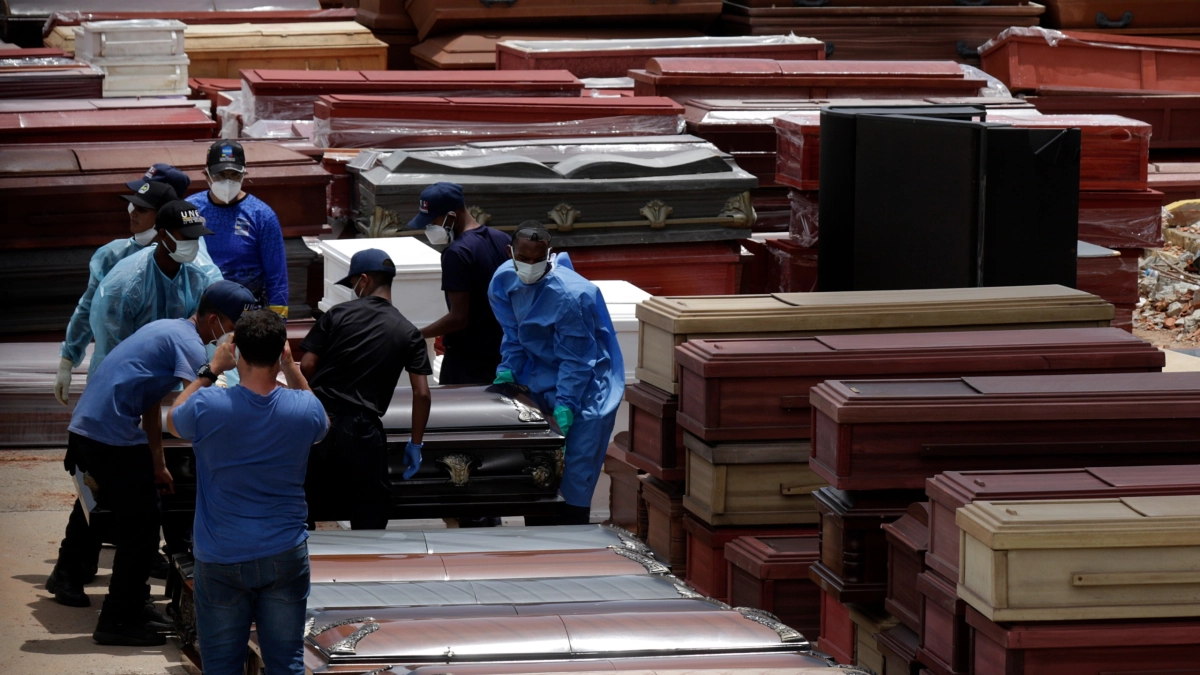
El Tiempo reports 2,295 dead, official mourning declared, complaints about obstacles in body delivery, and police harassment of survivors — emphasising institutional failure and political obstruction.

Singaporean

SCMP and Straits Times focus on the medical crisis — doctors fearing infection outbreaks — and the ongoing rescue of a trapped survivor, maintaining operational consequence framing.

South Korean

Korea Herald focuses on the feared medical crisis, echoing SCMP's concern about post-quake infection risk.

Japanese

Yahoo Japan reports the death toll at over 2,000 one week in, and earlier covered the rescue of a three-year-old, emphasising survival stories.

Israeli

Times of Israel highlights Venezuelan Jews opening synagogues to shelter hundreds of earthquake victims, foregrounding the specific vulnerability of a minority community.

Australian

ABC Australia reports on 'cockroach' micro-drones being used by rescue teams to find survivors, emphasising technological response.

Pakistani

Dawn covers the ongoing rescue operation for a man trapped under rubble for one week, emphasising survival endurance.

Source trail

Original reporting behind this perspective.

This page maps the coverage. The 25 articles below are the original reports the comparison is drawn from — open them for each publisher's full reporting.

Show 25 source articles

Venezuelan medics fear medical crisis

Doctors said Wednesday they feared the aftermath of Venezuela’s devastating twin earthquakes could trigger a widening medical crisis marked by untreated injuries, infectious diseases and a health care system already on…

Perspective link copied