How the world covered it

Venezuela Earthquake Death and Aid Crisis

Twin earthquakes killed over 2,295 people in Venezuela, triggering a compounding humanitarian crisis involving US deportees trapped in the rubble, government obstruction of rescue access, and an imminent...

Editorial comparison

Coverage aligns on death toll (2,295+) and rescue operations; outlets diverge on political responsibility and deportation policy causation.

SCMP, Korea Herald, and institutional reporting focus on post-quake medical crises and infection threats without attributing political blame. Straits Times reports rescue operations and death figures across multiple dispatches, documenting the week-long rescue of a 43-year-old security guard without political framing.

Folha de S.Paulo frames the crisis as exposing fragility of the Rodríguez government's authority, explicitly tying political regime accountability to disaster management. El Tiempo and CNN reportedly foreground US deportation policy as a compounding humanitarian factor—documented migrants trapped in rubble—a angle not evident in other outlets' available headlines. The Hindu provides broad 'unprecedented struggles' framing without specific political attribution.

How each outlet opened the story

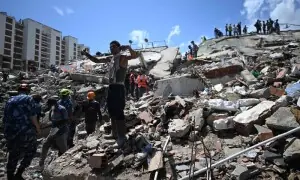
Venezuela faces post-quake medical crisis as infections loom

Dawn Pakistan

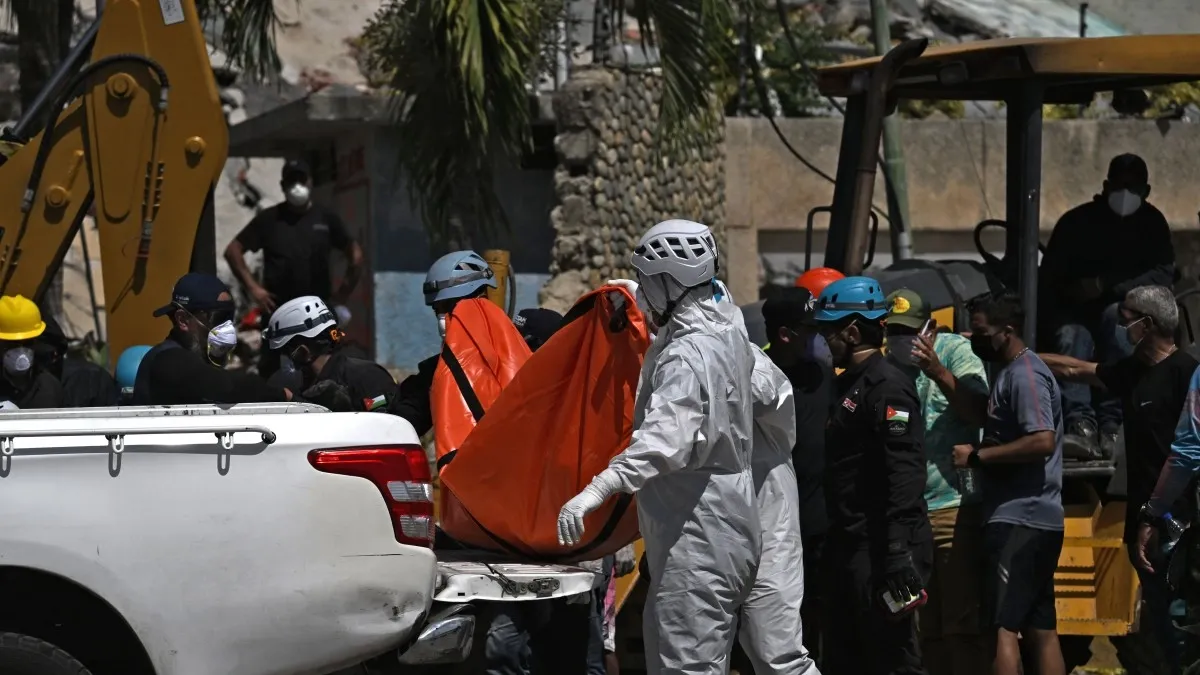
Rescue operation continues to save Venezuelan trapped one week

Straits Times Singapore

Rescue of trapped Venezuelan underway one week after quakes

The Hindu India

Venezuela's twin earthquakes: unprecedented struggles for survival

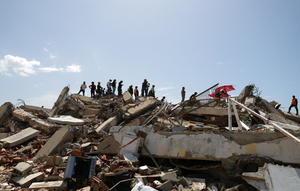
Confirmed deaths in earthquakes in Venezuela rises to 2,295

Coverage map

What coverage agrees on, contests, or leaves unclear.

Broadly agreed
  • All covering sources confirm the death toll has reached at least 2,295 with over 11,000 injured.
  • Multiple sources confirm Venezuelan authorities have obstructed access to disaster zones and body retrieval.
  • Sources agree a secondary medical crisis from infections is now feared by medical personnel on the ground.
Contested framing
  • El Tiempo and CNN foreground US deportation policy as a compounding cause of the humanitarian tragedy; Venezuelan government sources cited in some outlets deny obstruction of rescue operations.
  • Folha de S.Paulo frames the crisis as exposing the fragility of the Rodríguez brothers' political authority; SCMP and Korea Herald treat it primarily as a public health institutional failure without political attribution.
Still unclear

The actual number of US deportees killed or missing in the earthquake remains unconfirmed, as Venezuela has blocked access to the relevant zones.

Notable omissions

People's Daily and TASS are entirely absent from Venezuelan earthquake coverage, consistent with their patterns of avoiding stories that implicate allied or neutral governments in humanitarian failures.

Regional framing

How different outlets describe the same story.

Brazilian

Folha de S.Paulo centres personal testimonies of mothers, deportees, and victims to interrogate US deportation policy and Venezuelan government access obstruction as systemic institutional failures.

Chinese

SCMP focuses on the impending medical crisis from infections, quoting doctors on wound contamination risks, maintaining its operational institutional vulnerability framing.

Singaporean

Straits Times reports hope fading and hunger setting in a week after the quakes, using spray-painted death markers as a symbol of overwhelmed institutional response.

Colombian

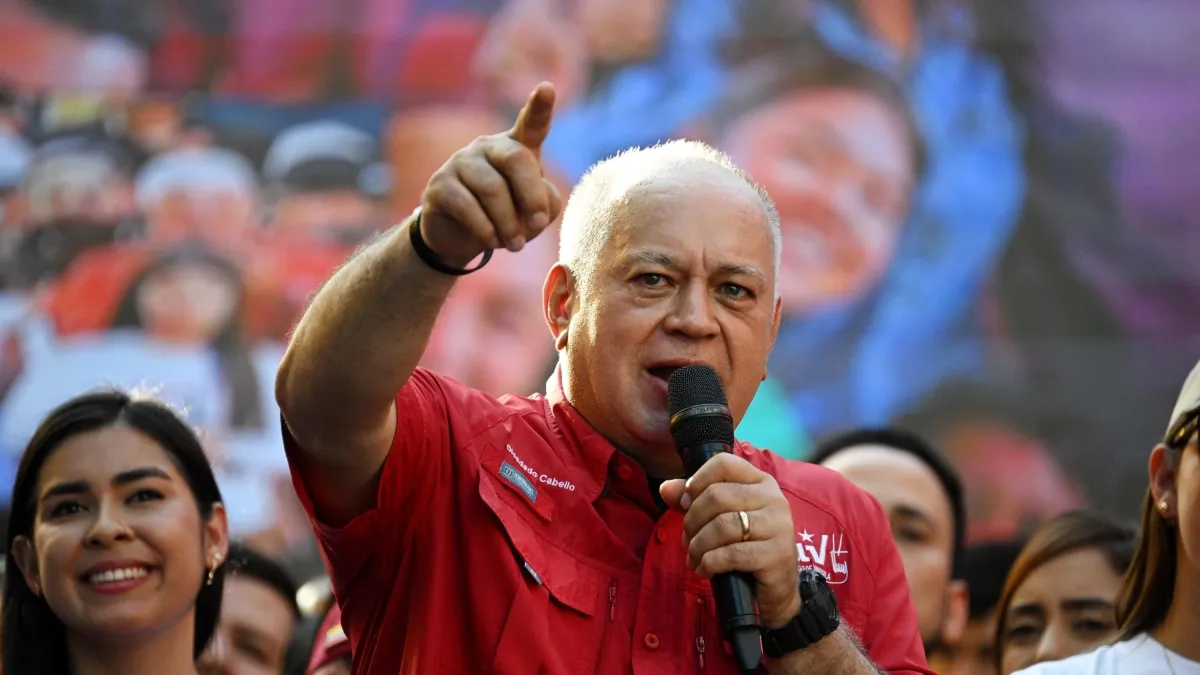
El Tiempo reports seven days of official mourning decreed, growing complaints about body delivery obstruction, and Republican calls for Diosdado Cabello's arrest, mixing institutional critique with political accountability.

South Korean

Korea Herald reports the feared medical crisis without political framing, treating it as a public health institutional challenge.

Japanese

Yahoo Japan reports the death toll exceeding 2,000 one week in, framing it as a disaster magnitude story without institutional critique.

Israeli

Times of Israel highlights Venezuelan Jews opening synagogues as emergency shelters, foregrounding a diaspora community resilience angle absent elsewhere.

Pakistani

Dawn reports the ongoing rescue operation for a 43-year-old man trapped under rubble one week after the quakes, maintaining focus on survival logistics.

Australian

ABC Australia covers micro 'cockroach' drones being used to find survivors, focusing on technological rescue innovation.

Source trail

Original reporting behind this perspective.

This page maps the coverage. The 25 articles below are the original reports the comparison is drawn from — open them for each publisher's full reporting.

Show 25 source articles

Venezuelan medics fear medical crisis

Doctors said Wednesday they feared the aftermath of Venezuela’s devastating twin earthquakes could trigger a widening medical crisis marked by untreated injuries, infectious diseases and a health care system already on…

Perspective link copied