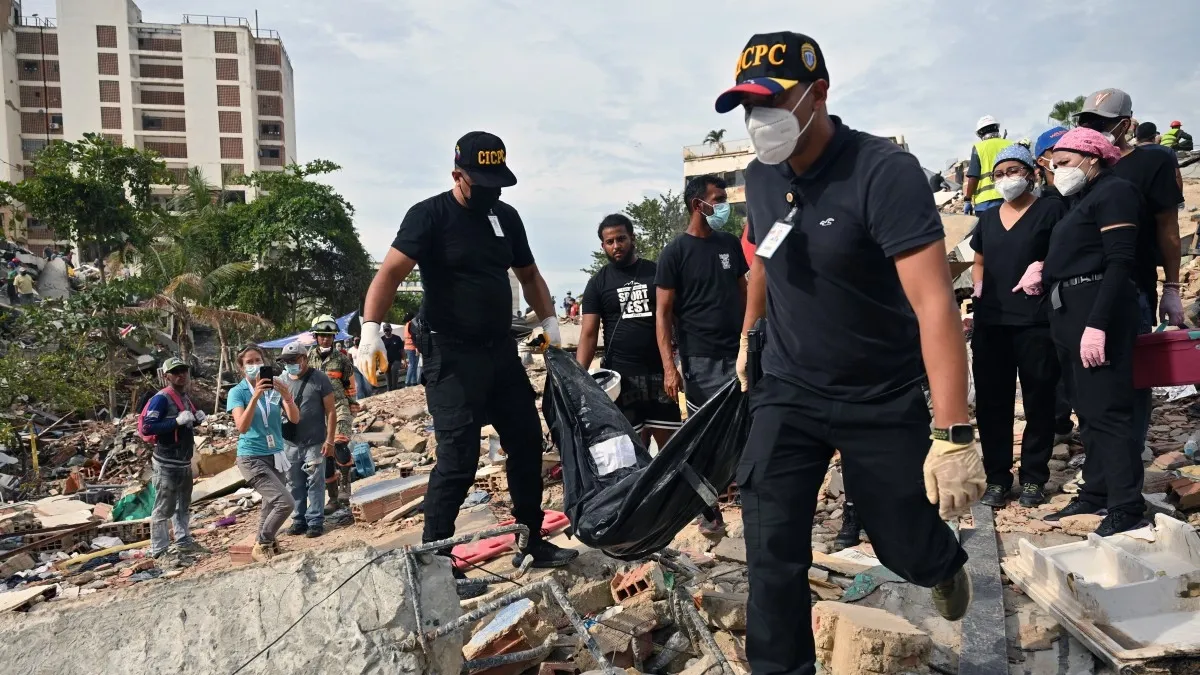
Anguished families left to identify Venezuela quake victims at makeshift morgue
The disaster has overwhelmed local services, with bodies put outside or in tents for identification.

With 2,645 confirmed dead and 12,666 injured nine days after twin earthquakes, Venezuela's disaster has become simultaneously a humanitarian emergency, a governance legitimacy crisis, and a political...
BBC leads with anguished families at makeshift morgues, documenting that disaster has overwhelmed local services with bodies placed outside or in tents — framing institutional failure as observable fact. Folha de S.Paulo reports the same death toll (2,645) and injury count (12,666) but emphasizes the contrast between Caracas operating normally and lives ruined by earthquakes, alongside fuel shortages documented as systemic breakdown.
Japan Times (implied in structured framing) highlights polling showing Venezuelans prioritizing elections over rebuilding, foregrounding political urgency, while El Tiempo focuses on daily rescue operations and voluntary recovery efforts — different emphases on whether the crisis is primarily political accountability or humanitarian response. El Tiempo also reports on Maria Corina Machado's team denouncing disappearance of a volunteer who criticized earthquake management, linking governance failure to repression.
Anguished families left to identify Venezuela quake victims at makeshift morgue
Nine days after earthquake, Venezuela focuses on assistance and rescue
Caracas divided between normality and lives ruined by earthquakes
The actual number of missing persons remains disputed, with UN estimates suggesting official figures are a significant undercount but no independent verification is confirmed.
The Venezuelan government's stated justification for its response pace is largely absent from Western humanitarian coverage; conversely, the detailed infrastructure collapse data is absent from coverage that focuses on political opposition manoeuvring.
BBC foregrounds anguished families identifying victims at makeshift morgues, emphasising institutional overwhelm and the human cost of collapsed infrastructure rather than political framing.
Folha de S.Paulo uses personal narratives of Brazilian missing persons and rescue teams to interrogate institutional failures, including fuel shortages stopping excavators and the regime's inadequate response.
The Hindu covers the political fallout — opposition leader María Corina Machado seeking return — and the government's attempts to blame 'manufactured propaganda' for public anger.
SCMP frames the disaster as a political test for acting President Delcy Rodriguez, examining her institutional credibility under pressure.
El Tiempo provides rolling daily death toll updates, profiles of improvised first aid at a McDonald's restaurant, and Cristiano Ronaldo's solidarity message — combining institutional reporting with human interest.
Japan Times reports a poll showing nearly half of Venezuelans now say new elections are more urgent than rebuilding — linking disaster governance failure to democratic legitimacy.
Straits Times covers the psychological desperation of survivors clinging to rumours of life under the rubble, emphasising humanitarian framing over political analysis.
Al Jazeera Arabic covers Messi's solidarity message from the World Cup, displacing institutional analysis in favour of celebrity humanitarian framing consistent with its sports/entertainment dominance pattern.
This page maps the coverage. The 22 articles below are the original reports the comparison is drawn from — open them for each publisher's full reporting.
The disaster has overwhelmed local services, with bodies put outside or in tents for identification.
The most recent official balance this Friday raised the number of deaths to 2,645. The situation is aggravated by the handling of the corpses.
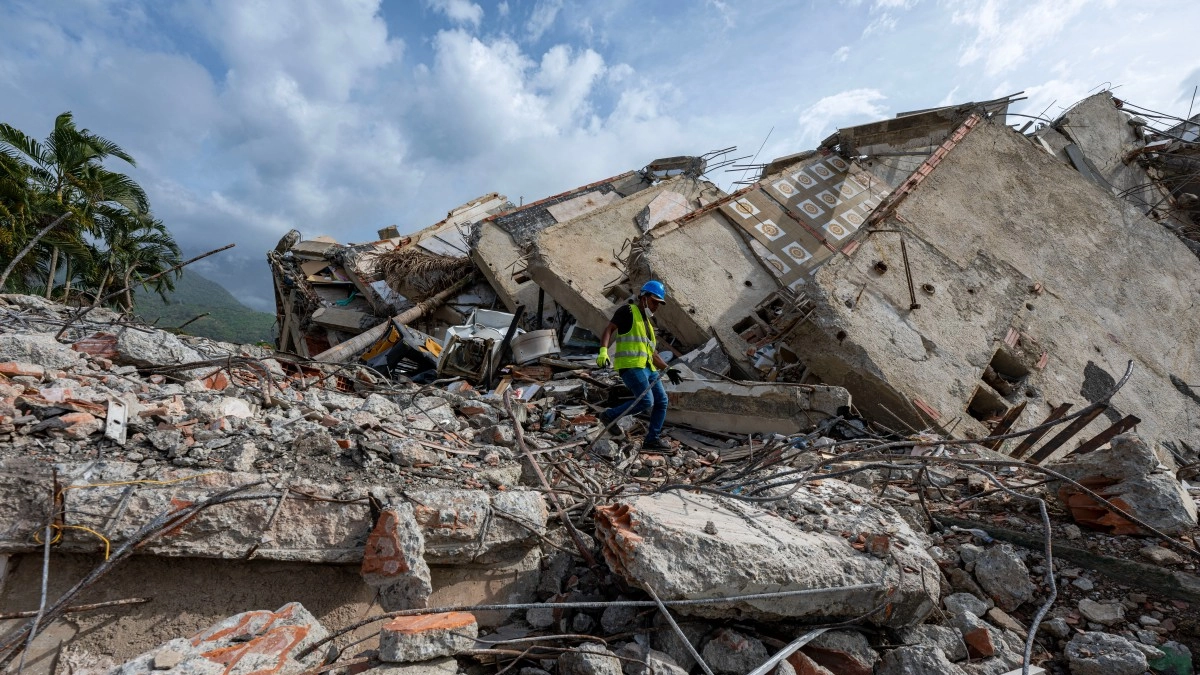
According to authorities, 6,462 people were rescued from 885 collapsed buildings in the country.
The man last seen on the 1st. July while participating in rescue efforts in the OPP-26 Caribe, in La Guaira.

At first glance, Caracas, the capital of Venezuela located among the mountains and transformed into a metropolis in the 1950s, operates normally. There is no shortage.
Teams from Brazil working in areas hit by the devastating earthquakes in Venezuela joined, this Friday (3), a search operation following requests made by a Brazilian-Venezuelan man looking for his father…
Exiled from Venezuela since the end of last year, opposition leader María Corina Machado stated this Friday (3) that her return would contribute to the stabilization of the country after the twin earthquakes on June 24...
Nine days after the twin earthquakes that devastated regions in Venezuela, the country's regime reported this Friday (3) that the number of confirmed deaths as a result of the earthquakes had increased to 2,645. Still according to…
Excavators and cranes have stopped operating at some rescue sites in Venezuela as fuel shortages have hampered recovery efforts after last week's earthquake, leaving teams unable to…
The fallout from Venezuela’s powerful twin quakes has evolved into a major test for acting President Delcy Rodriguez, sending her scrambling to prevent the humanitarian disaster from becoming a political one as her…

Venezuela’s Interim President Delcy Rodriguez on Thursday rejected allegations that her government reacted too slowly to destruction caused by two earthquakes which killed more than 2,000 people, after days of…

Ms. Rodriguez blamed public outrage over the government’s response on what she called “narratives manufactured in propaganda laboratories”

The Tahiti Residence has highlighted how desperation is fraying the nerves of survivors and relatives.
At the counter where hamburgers were once served, donated arepas and sandwiches are now handed out.
The Portugal player spoke out in the midst of the emergency that the country is facing due to the strong earthquakes.

Volunteers adapted a fast food establishment to provide first aid.

Nearly half of respondents to a poll conducted after the disaster said that holding new elections is more urgent than rebuilding.
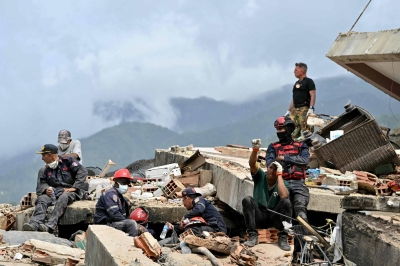
The man last seen on the 1st. July while participating in rescue efforts in the OPP-26 Caribe, in La Guaira.
In the absence of efficient official channels, WhatsApp and other initiatives became the tools to report missing people.

The statements were made this Thursday, July 2, during a press conference in which he presented an assessment of the emergency in the country.

The person in charge of Venezuela denied that her government's response to the double earthquake of June 24 has been slow, as citizens denounce.

Lionel Messi affirms his solidarity with Venezuela in a humanitarian message that carries the power of hope and support for the affected areas.