On the Strait of Hormuz, BBC finds seized ships and shark fishermen as uneasy calm returns
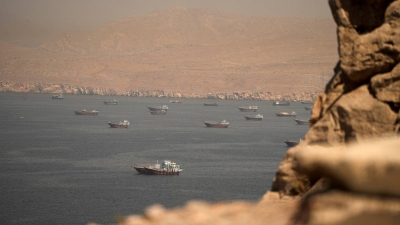
The BBC visits Bandar Abbas to see how the US-Israeli war with Iran has affected everyday life in the port city.

The US-Israeli strikes on Iran and subsequent ceasefire are reshaping Strait of Hormuz navigation, global energy supply chains, Iran's nuclear status, and regional alignments simultaneously.
BBC News leads with civilian consequence by visiting Bandar Abbas to document everyday life disruption — seized ships, shark fishermen adapting to changed conditions. Japan Times and SCMP pivot to structural vulnerability: Japan Times reports European and Gulf officials privately accepting Hormuz fees as inevitable, while SCMP frames the crisis as forcing Asia to rebuild supply chains away from just-in-time models. These represent different editorial priorities applied to the same events.
Al Jazeera Arabic frames the Strait aftermath through diplomatic mechanisms, reporting British-French coordination with Oman on navigation security. Deutsche Welle addresses the separate question of nuclear inspections resuming. CNN's reporting of US officials privately warning Iran about Israeli assassination of mediators — suggesting internal US-Israel friction — is absent from Israeli and Gulf sources, indicating selective coverage of allied discord.
BBC finds seized ships and shark fishermen as uneasy calm returns
British-French move to secure navigation in Strait of Hormuz
UN nuclear watchdog says inspections of Iran's nuclear program possible
European nations now believe some Hormuz fees are inevitable
Asia rejigs supply chains post-Hormuz crisis beyond just-in-time
French aircraft carrier Charles-de-Gaulle returns to home port
Yemen's Houthis threaten Saudi targets over Iran flight
Whether IAEA inspectors will actually return to Iran's nuclear sites and on what timeline remains publicly unconfirmed.
Iranian domestic perspectives on the ceasefire terms and what Iran accepted or rejected are absent from all available summaries.
BBC visits Bandar Abbas port to document everyday life impact — seized ships, shark fishermen — finding an 'uneasy calm' that foregrounds civilian consequence over strategic framing.
Al Jazeera Arabic reports a British-French initiative to secure Hormuz navigation with Omani approval, treating the episode as a multilateral institutional response to a specific crisis.
Japan Times frames the crisis entirely through Asian energy security vulnerability, noting Asia is building larger fuel buffers and diversifying suppliers — treating warfare as an infrastructure logistics problem.
SCMP examines how the Hormuz crisis is accelerating Asia's shift away from just-in-time supply chains, with structural vulnerability analysis dominating over military framing.
Le Monde reports the Charles de Gaulle carrier returning to Toulon after a 'favorable development' in Iran-US talks, signalling de-escalation from a French institutional lens.
Deutsche Welle examines whether IAEA inspectors can return to Iran's nuclear sites, treating the question through institutional sustainability framing without militaristic tone.
A separate Japan Times article reports Iran exploring oil sales to Japan for the first time since 2019, positioning the post-war moment as an economic realignment opportunity.
Yahoo Japan notes no progress seen in US-Iran indirect talks, presenting a more pessimistic assessment of the diplomatic track than Western outlets.
This page maps the coverage. The 9 articles below are the original reports the comparison is drawn from — open them for each publisher's full reporting.
The BBC visits Bandar Abbas to see how the US-Israeli war with Iran has affected everyday life in the port city.
A British-French statement said that the Sultanate of Oman agreed to work with London and Paris to ensure the safety of navigation in its territorial waters.
The UN nuclear watchdog says inspections of Iran's nuclear program are possible in principle. The bigger question is whether Tehran will allow meaningful access.
Privately, some Gulf Arab officials hold the same view, sources said, though this is not necessarily the formal position of their governments.
How many crises does it take to change the way the world trades? For Asia, the answer appears to be three.

The “Charles-de-Gaulle” is currently in the Mediterranean Sea, specified the Elysée, which announced the “favorable development” constituted by the agreement between Tehran and Washington to cease hostilities.
Three Japanese buyers were looking at possible crude oil purchases from Iran, their first since 2019, said two Iranian sources.
The Iran-aligned group warned that they would target “Saudi airports and vital interests on land and sea”.
US officials attempted to warn Iran of fears that Israel would assassinate mediators CNN