How the world covered it

US-Iran Hormuz Strait Negotiations

A potential interim agreement to reopen the Strait of Hormuz—through which roughly 20% of the world's oil transits—would end a five-month US-Iran war and reshape global energy markets, while failure risks...

Editorial comparison

Coverage splits on whether Trump's threats constitute credible pressure or actively delay deals, and whether the US has viable leverage.

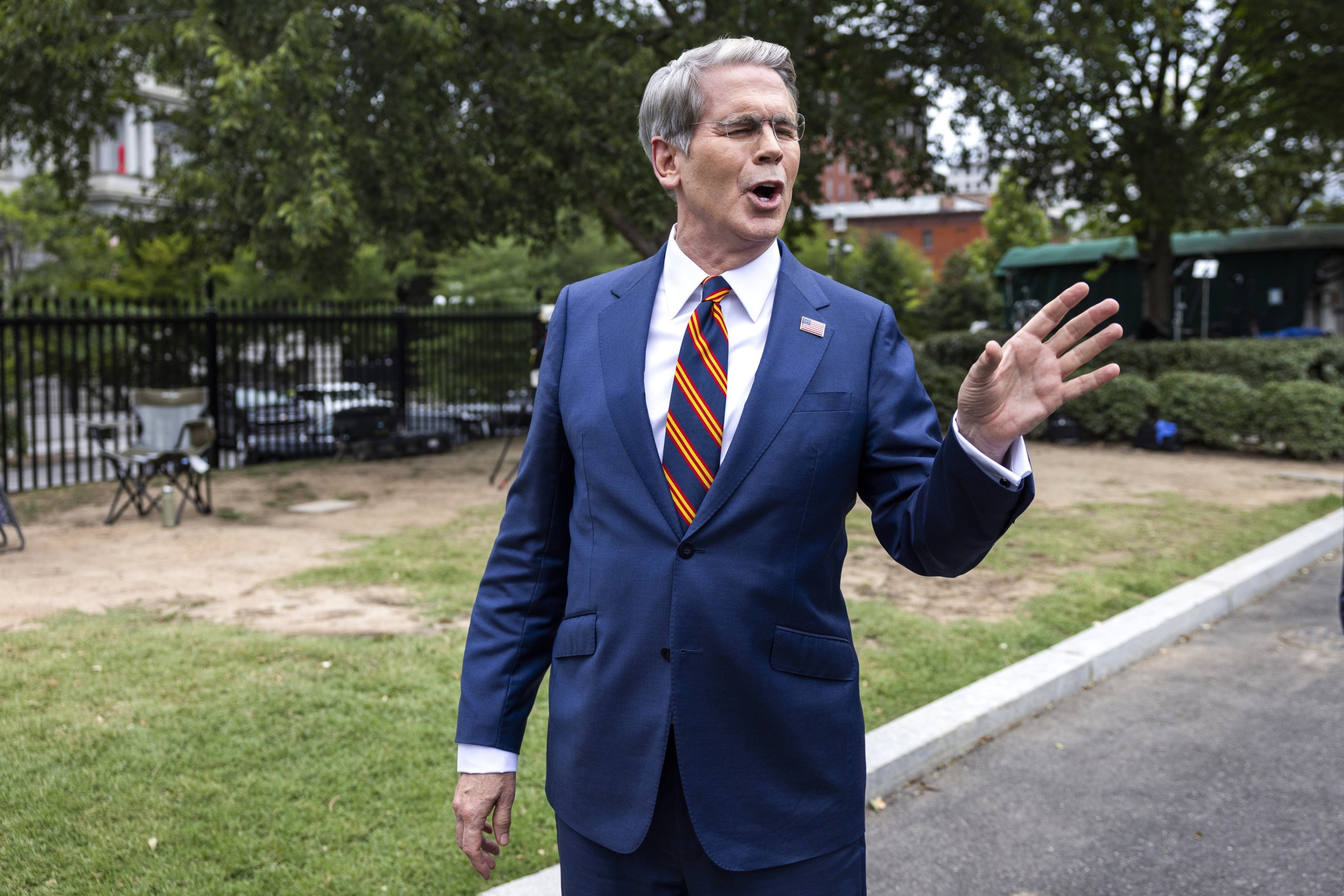
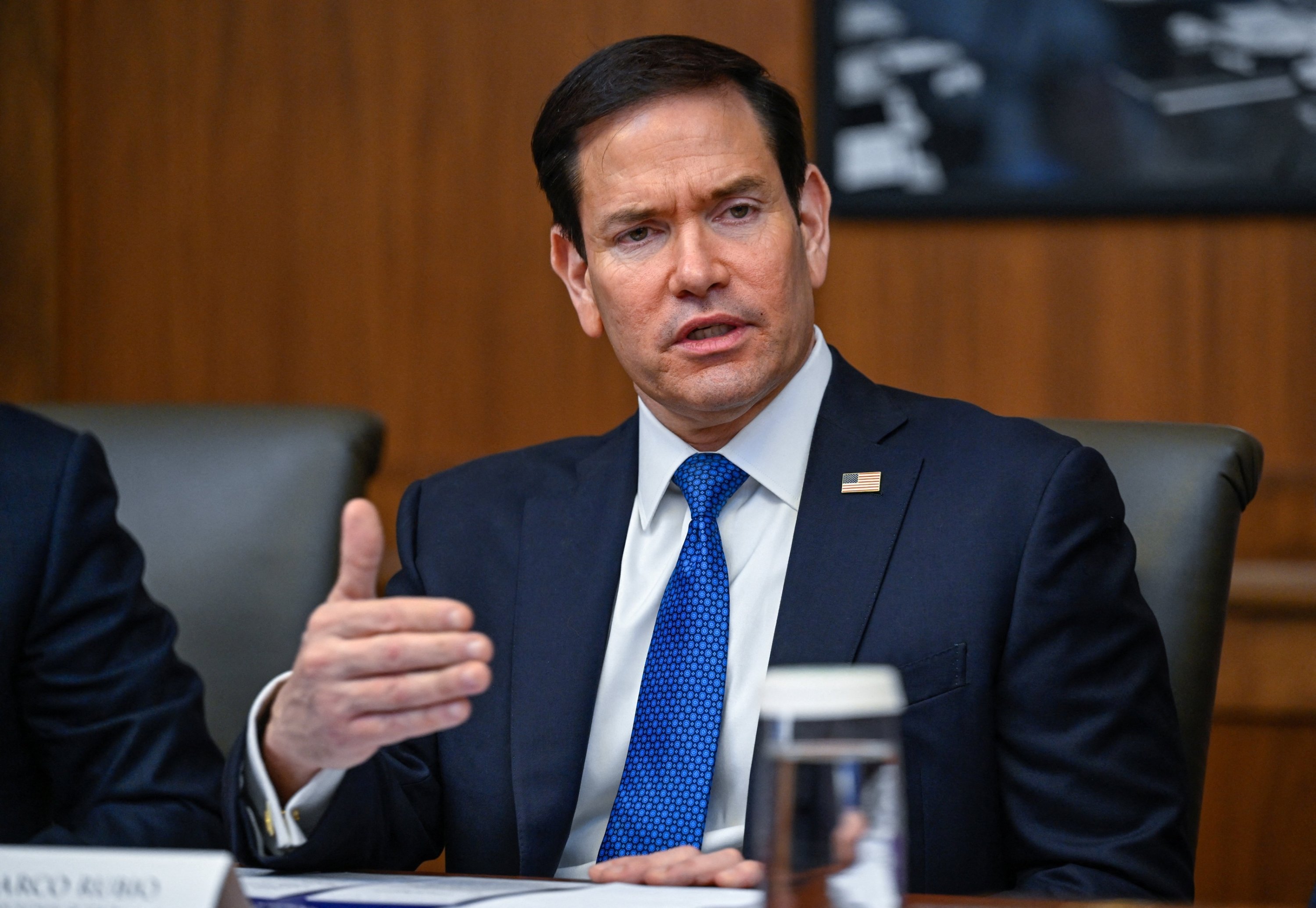
BBC News and Straits Times emphasize Trump's ultimatum as a negotiating tool, with Straits Times reporting 'very good discussions' and an 'all-day negotiation.' BBC News frames Secretary of State Rubio and Treasury Secretary Bessent's announcement of progress as validation of US diplomatic strategy.

The National presents Iran's counter-claim that Trump's threats are delaying rather than accelerating agreement, positioning Tehran's perspective as a legitimate assessment of negotiation dynamics. Dawn reports Qatar's mediation progress without validating either side's framing, focusing on the factual status of talks.

CNA reports Iran's stated goal of controlling the Strait and charging tolls—a claim absent from other outlets—while Straits Times cites Axios reporting on a near-complete interim deal, suggesting different sourcing on the negotiation's proximity to completion.

How each outlet opened the story

Trump threatens Iran with hard retaliation over Hormuz Strait

CNA Singapore

Trump warns Iran to open Hormuz or face military response

Straits Times Singapore

US and Iran conducting very good negotiations on Hormuz

Iran claims Trump threats are delaying possible Hormuz deal

Dawn Pakistan

Qatar reports progress in US-Iran peace mediation efforts

Washington anticipates imminent Hormuz Strait opening agreement

Coverage map

What coverage agrees on, contests, or leaves unclear.

Broadly agreed
  • All covering sources confirm that negotiations involving the US, Iran, and Oman on reopening the Strait of Hormuz were active as of August 4–5, 2026.
  • All sources agree that Trump threatened Iran with further military strikes if the strait is not opened, and that oil prices moved lower on deal optimism.
  • Sources broadly confirm that no final deal had been signed as of the reporting period, with Qatar and Oman acting as intermediaries.
Contested framing
  • BBC and Straits Times frame Trump's ultimatum as a credible diplomatic pressure tool; The National frames Iran's position that Trump's threats are actively delaying a deal, presenting Tehran's perspective as legitimate.
  • Times of Israel reports Trump called off an Iran attack after assurances of an imminent deal; Dawn frames the situation as the US lacking any exit strategy from a 'disastrous war,' presenting a fundamentally different assessment of US leverage.
  • La Repubblica's cited expert says any deal is a 'bitter pill' for Trump leaving the straits to the ayatollahs; CNN frames the situation as Trump administration strategy accountability without de-escalatory framing.
Still unclear

Whether a binding interim agreement was actually signed or announced on August 5, 2026, and what specific transit commission arrangements or Iranian concessions were agreed upon, remains unconfirmed across all available summaries.

Notable omissions

People's Daily and TASS provide no coverage of the Hormuz negotiations, omitting any analysis of how the US-Iran conflict affects Chinese energy imports or Russian geopolitical interests in the outcome.

Regional framing

How different outlets describe the same story.

British

BBC News centers Trump's ultimatum and the diplomatic progress announced by Rubio and Bessent, foregrounding institutional decision-maker statements and the credibility of deal timelines.

Indian

The Hindu foregrounds US Treasury Secretary Bessent's timeline claim and Iranian-Omani diplomatic engagement, framing events through strategic autonomy and regional collective positioning without Western alignment.

Emirati

The National highlights Iran's assertion that Trump threats are delaying a deal and details the emerging 'middle corridor' shipping route concept, emphasizing Gulf regional autonomy and collective security framing.

Turkish

Daily Sabah frames Hormuz negotiations through institutional accountability for energy security, positioning the standoff as institutional violence through accountability mechanism failure.

Italian

La Repubblica covers US-Iran-Oman negotiation details including a draft granting transit commissions, and quotes a Middle East expert calling any deal a 'bitter pill' for Trump leaving the straits to the ayatollahs.

Israeli

Times of Israel reports Treasury Secretary's deal-by-Wednesday claim and notes Trump called off an Iran attack after being assured a deal was imminent, centering Israeli security interests and the Iran threat.

Pakistani

Dawn frames the Hormuz negotiations through Pakistan's concern that the US has no exit strategy, calling the war 'disastrous' and questioning Washington's endgame, while also reporting Qatar's mediation progress.

Singaporean

CNA and Straits Times analyze shipping route vulnerability and supply-chain implications of the Hormuz standoff, reporting Trump's warning and deal progress through a pragmatic logistics and infrastructure lens.

Qatari

Al Jazeera Arabic covers Hormuz negotiations but positions the story within an entertainment-saturated editorial hierarchy, framing US anticipation versus Iranian denial in a comparatively subordinated geopolitical context.

Mexican

El Universal and El Tiempo frame Trump's Hormuz ultimatum through US executive institutional accountability, treating the conflict as a matter of presidential decision-making responsibility rather than geopolitical analysis.

Colombian

El Tiempo positions the Iran war and Hormuz standoff as a reflection of US executive decision-making accountability, questioning Washington's strategy and flagging the Pentagon's unusual search for 'creative and unconventional' military ideas.
Source trail

Original reporting behind this perspective.

This page maps the coverage. The 25 articles below are the original reports the comparison is drawn from — open them for each publisher's full reporting.

Show 25 source articles
Perspective link copied