Qatar said mediators were making progress in efforts to end the US-Iran war on Tuesday, driving oil prices lower, although Tehran has denied President Donald Trump’s assertion that talks are already under way. Benchmark…
How the world covered this
Read the editorial comparison
Prose synthesis of how each outlet framed the story, with side-by-side outlet quotes and divergence notes.
25 articles from 13 sources
01
02
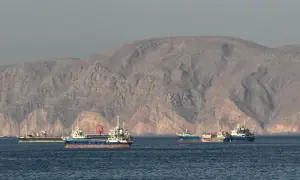
بين الترقب الأمريكي والنفي الإيراني.. هل بات اتفاق هرمز وشيكا؟
As negotiation efforts continue, attention is turning today, Wednesday, to the Strait of Hormuz, where Washington is counting on announcing a breakthrough in the talks, while Tehran denies the existence of any direct negotiations with it, stressing that the discussions are limited to the Sultanate of Oman.
03
US Secretary of State Marco Rubio and Treasury Secretary Scott Bessent both announced talks had progressed to allow shipments to resume.

04
Iran wants to control the Strait of Hormuz and charge tolls - powers it did not exercise before the war began on Feb 28.

05
The US President's comments has fuelled expectations of an imminent end to the five-month conflict.
06
WASHINGTON, Aug 4 - U.S. President Donald Trump said there was an \"all-day negotiation\" on Tuesday with Iran, characterizing the talks positively while also threatening to hit Iran \"really hard\" if a deal with…
07
Axios reported that the US, Iran and Oman were nearing an interim deal to reopen the strait.


10
The Trump administration has previously ruled out any deal that would give Iran control over the strait
11
A top Iranian official noted that the understanding with Oman on Hormuz is within reach if U.S. stops interference.
12
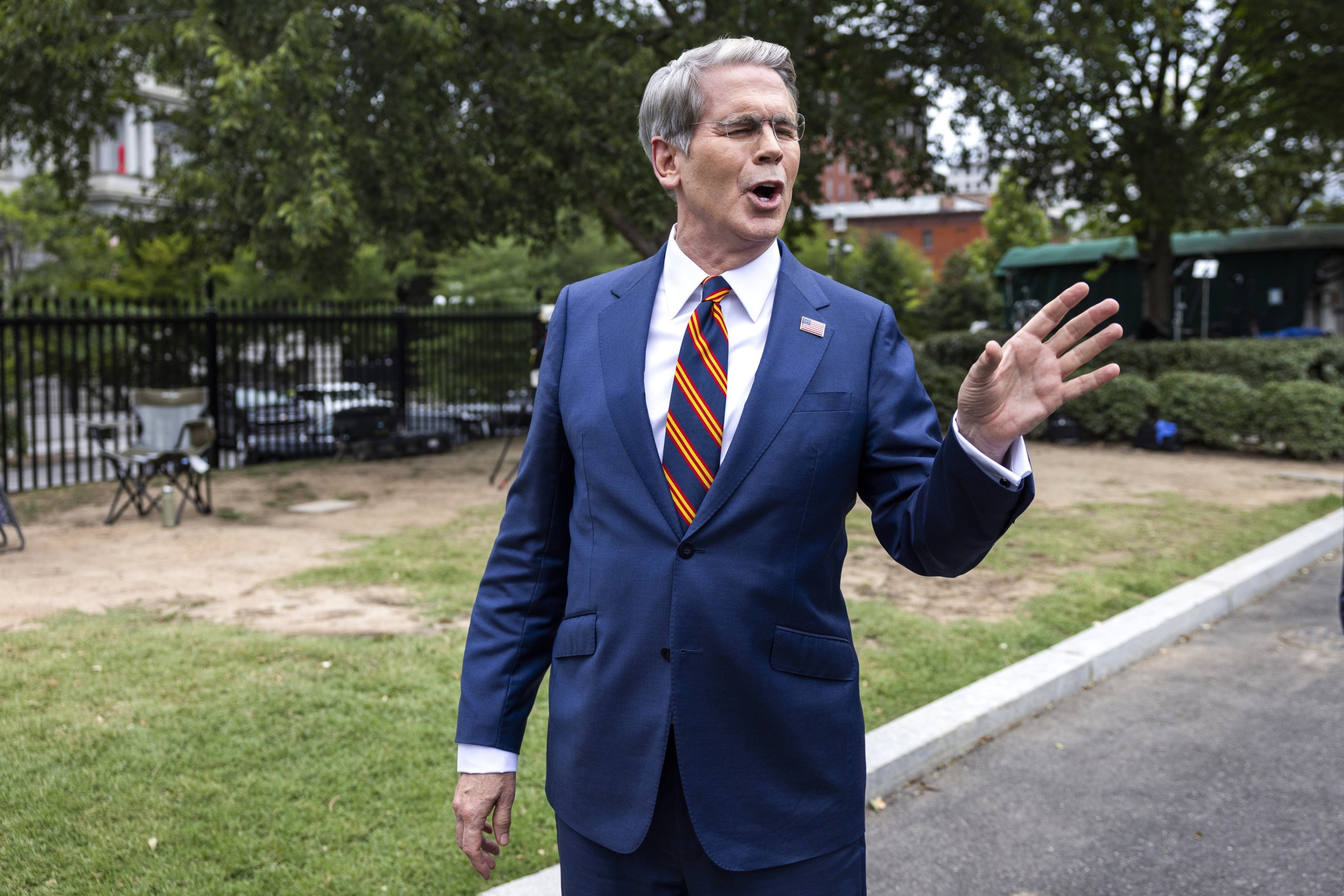
U.S. Treasury Secretary Scott Bessent said that Washington could reach a deal with Iran to reopen the Strait of Hormuz by Wednesday, potentially stabilizing energy prices.
13
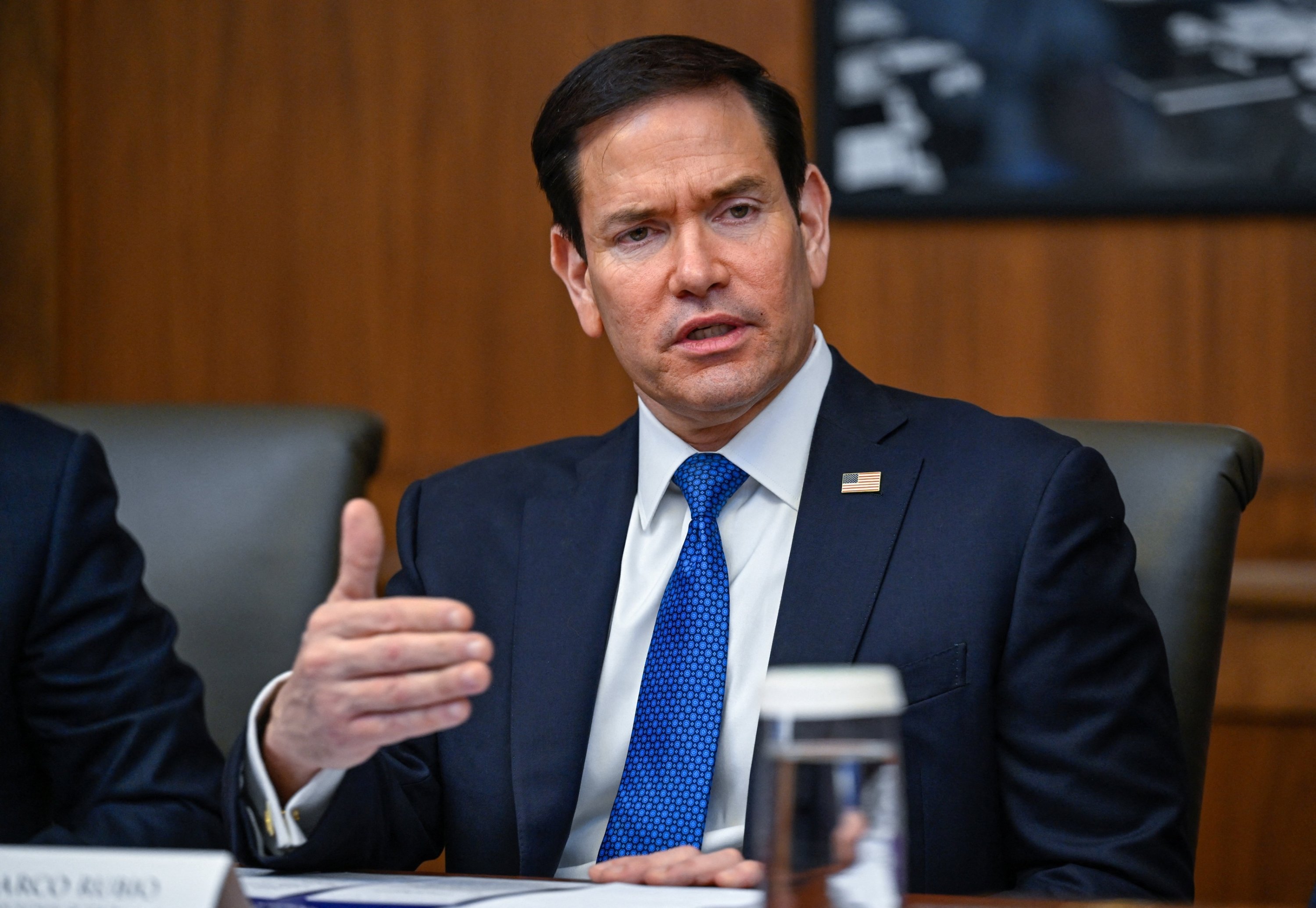
U.S. Secretary of State Marco Rubio said Tuesday that discussions with Iran and Oman on increasing commercial shipping through the Strait of Hormuz have made progress, but the part...
14
La trattativa Iran-Oman sul controllo di Hormuz, gli Usa: “Intesa possibile”
The draft grants the two countries a commission on naval transit. Tehran is open to a role for Europeans in mine clearance
15
Guerra in Iran, le news di oggi in diretta. Cnn: Media: “Accordo temporaneo vicino”. Trump: “Hormuz riaprirà presto o colpiremo duramente”
CNN: “Military reserves at risk”. Hegseth: “It's false, shame on you”
16
Estrecho de Ormuz se abrirá "muy pronto", asegura Trump; advierte que si no Irán será golpeado
The US president affirms that negotiations are advancing and threatens a military response if there is no agreement

17
United States President Donald Trump said a deal to reopen the Strait of Hormuz could come as soon as Wednesday but warned Iran it would get “hit very hard” if negotiations fell through. Transit of the waterway, a key…
18
Donald Trump, presidente de Estados Unidos, da un ultimátum a Irán y amenaza con bloqueo hasta llegar a un acuerdo: 'Increíblemente hipócrita'
The president also reiterated that 'the denuclearization of Iran' is the most important part of the talks underway with the Persian country.

19
Após mais ameaças de Trump, presidente do Irã diz que não quer ampliar guerra
The president of Iran, Masoud Pezeshkian, stated this Tuesday (4) that the country will defend its territory, but that it does not intend to expand the war in the Middle East, amid the dispute over versions between Tehran and Washington…
20
Trump says he and Israel have called off Iran attack after being assured deal is imminent The Times of Israel
21
Iranian MP says mediators trying to revive MOU with Washington The Times of Israel
22
Iran treats all threats as credible, even if meant as scare tactic, defense minister says The Times of Israel
23
US treasury secretary says deal with Iran to reopen Hormuz could be sealed by Wednesday The Times of Israel
24
Iran treats all threats as credible, even if meant as scare tactic, defense minister says The Times of Israel
25
Estrecho de Ormuz se abrirá "muy pronto", asegura Trump; advierte que si no Irán será golpeado
The US president affirms that negotiations are advancing and threatens a military response if there is no agreement
AI read
What the coverage agrees on, and where it splits
This view is generated from the clustered articles, so it is best read as a map of coverage rather than a replacement for the source reporting.
Broadly agreed
- All covering sources confirm that negotiations involving the US, Iran, and Oman on reopening the Strait of Hormuz were active as of August 4–5, 2026.
- All sources agree that Trump threatened Iran with further military strikes if the strait is not opened, and that oil prices moved lower on deal optimism.
- Sources broadly confirm that no final deal had been signed as of the reporting period, with Qatar and Oman acting as intermediaries.
Contested framing
- BBC and Straits Times frame Trump's ultimatum as a credible diplomatic pressure tool; The National frames Iran's position that Trump's threats are actively delaying a deal, presenting Tehran's perspective as legitimate.
- Times of Israel reports Trump called off an Iran attack after assurances of an imminent deal; Dawn frames the situation as the US lacking any exit strategy from a 'disastrous war,' presenting a fundamentally different assessment of US leverage.
- La Repubblica's cited expert says any deal is a 'bitter pill' for Trump leaving the straits to the ayatollahs; CNN frames the situation as Trump administration strategy accountability without de-escalatory framing.
Still unclear
Whether a binding interim agreement was actually signed or announced on August 5, 2026, and what specific transit commission arrangements or Iranian concessions were agreed upon, remains unconfirmed across all available summaries.
Notable omissions
People's Daily and TASS provide no coverage of the Hormuz negotiations, omitting any analysis of how the US-Iran conflict affects Chinese energy imports or Russian geopolitical interests in the outcome.
Quality check
Read as situation report only; outcome claims are speculative pending confirmation of final agreement terms.
- Critical unknown: No source confirms whether a binding deal was actually signed by August 5 reporting deadline
- Source diversity gap: People's Daily and TASS entirely absent—no Chinese or Russian perspectives on energy/geopolitical implications
- Framing divergence: BBC/Straits Times vs. The National vs. Dawn offer fundamentally different US leverage assessments without resolution
- Overclaim risk: 'Would reshape global energy markets' depends entirely on unconfirmed deal terms
Review confidence: 65%
Signal strength
5/5
Narrative divergence
13
Sources compared
1
Days in coverage
How each outlet frames this story
Divergence
5/5
Narrative Divergence
How differently the sources covering this story frame it — measured by tone, emphasis, and what each outlet chooses to highlight or omit.
1 — Sources frame the story almost identically
2 — Minor differences in tone or emphasis
3 — Noticeable differences; some outlets highlight what others omit
4 — Stark contrasts; conflicting narratives
5 — Sources tell fundamentally different stories
British
BBC News centers Trump's ultimatum and the diplomatic progress announced by Rubio and Bessent, foregrounding institutional decision-maker statements and the credibility of deal timelines.
Indian
The Hindu foregrounds US Treasury Secretary Bessent's timeline claim and Iranian-Omani diplomatic engagement, framing events through strategic autonomy and regional collective positioning without Western alignment.
Emirati
The National highlights Iran's assertion that Trump threats are delaying a deal and details the emerging 'middle corridor' shipping route concept, emphasizing Gulf regional autonomy and collective security framing.
Turkish
Daily Sabah frames Hormuz negotiations through institutional accountability for energy security, positioning the standoff as institutional violence through accountability mechanism failure.
Italian
La Repubblica covers US-Iran-Oman negotiation details including a draft granting transit commissions, and quotes a Middle East expert calling any deal a 'bitter pill' for Trump leaving the straits to the ayatollahs.
Israeli
Times of Israel reports Treasury Secretary's deal-by-Wednesday claim and notes Trump called off an Iran attack after being assured a deal was imminent, centering Israeli security interests and the Iran threat.
Pakistani
Dawn frames the Hormuz negotiations through Pakistan's concern that the US has no exit strategy, calling the war 'disastrous' and questioning Washington's endgame, while also reporting Qatar's mediation progress.
Singaporean
CNA and Straits Times analyze shipping route vulnerability and supply-chain implications of the Hormuz standoff, reporting Trump's warning and deal progress through a pragmatic logistics and infrastructure lens.
Qatari
Al Jazeera Arabic covers Hormuz negotiations but positions the story within an entertainment-saturated editorial hierarchy, framing US anticipation versus Iranian denial in a comparatively subordinated geopolitical context.
Mexican
El Universal and El Tiempo frame Trump's Hormuz ultimatum through US executive institutional accountability, treating the conflict as a matter of presidential decision-making responsibility rather than geopolitical analysis.
Colombian
El Tiempo positions the Iran war and Hormuz standoff as a reflection of US executive decision-making accountability, questioning Washington's strategy and flagging the Pentagon's unusual search for 'creative and unconventional' military ideas.