How the world covered it

FIFA 2026 World Cup Preparations and Security

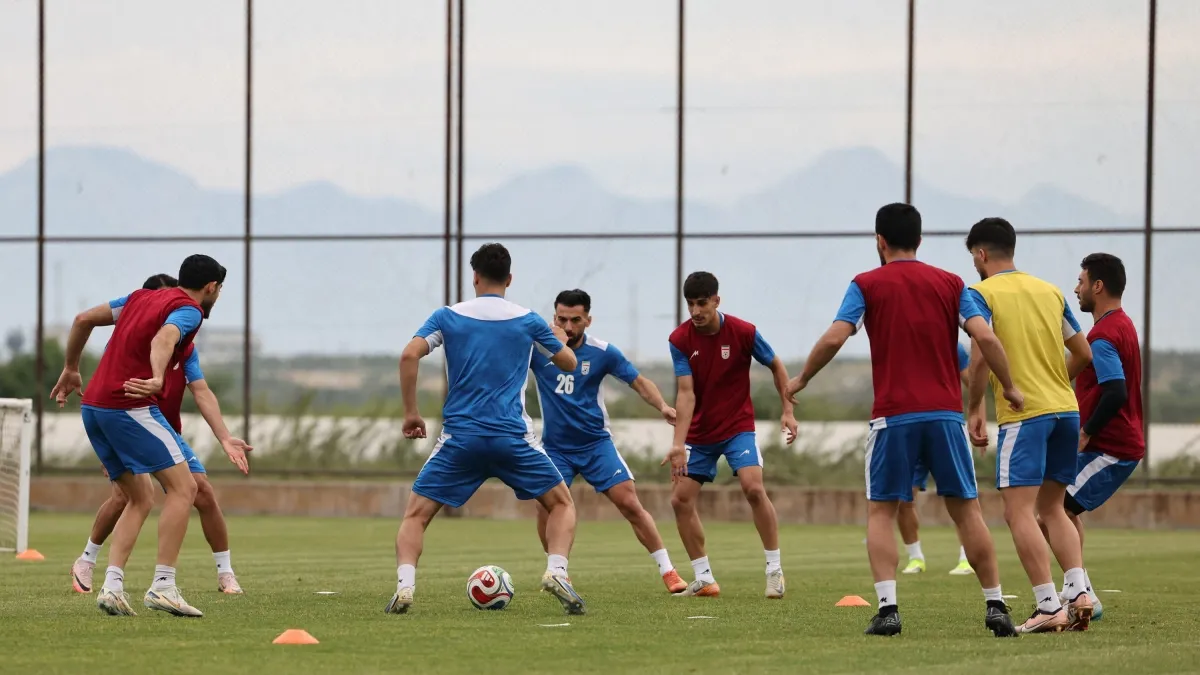
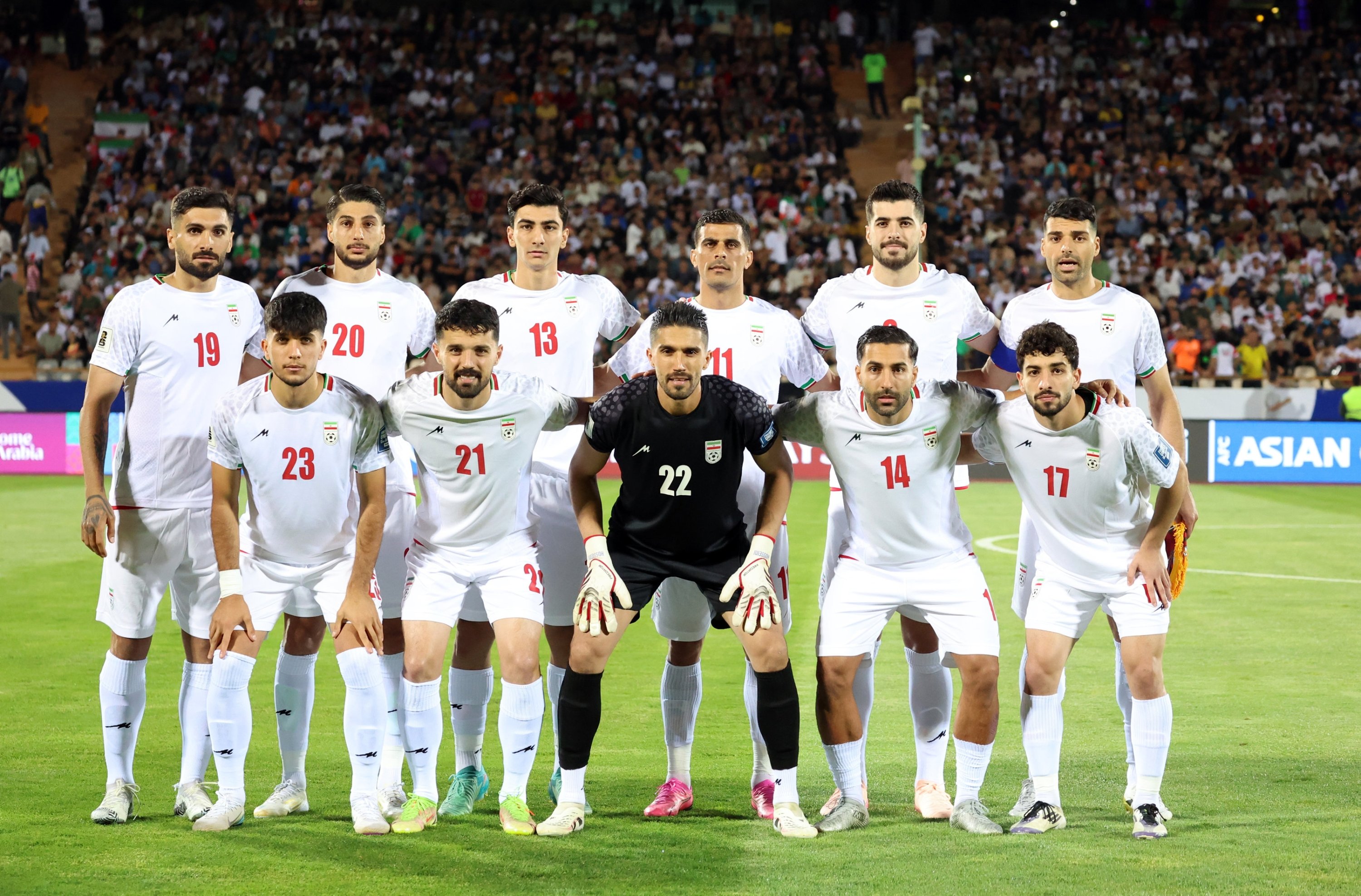
With the 2026 FIFA World Cup opening on June 11 in Mexico City, unprecedented security deployments across three host countries, the granting of visas to Iran's national team despite the ongoing war, and FIFA...

Editorial comparison

Coverage converges on unprecedented security deployments across three countries; no outlet critically examines Iran's participation amid ongoing war.

Al Jazeera Arabic and El Universal emphasize the logistical scale of the 2026 World Cup—400 security agencies, three-country coordination, Mexico City stadium preparations—framing security as an operational challenge spanning months of advance deployment. El Universal focuses on Mexico's hosting role and team arrivals, while Al Jazeera Arabic explores broader World Cup economic impacts and security alerts.

Irish Times provides geopolitical context by naming Trump, Iran-US conflict, and security complexity, though no outlet's summary shows critical examination of whether Iran's national team participation normalizes the ongoing military conflict or creates security risks. Colombian and Turkish outlets' framing of Iran's visa grant as positive diplomacy is noted in context but not visible in provided article titles, making divergence assessment incomplete. The absence of critical scrutiny on Iran's participation suggests consensus coverage treating it as administrative rather than politically contested.

How each outlet opened the story

400 security agencies coordinate unprecedented World Cup alert

Mexico City stadium preparations less than week before opening

Irish Times Ireland

Giddy optimism, despair, geopolitics, Trump and football feast

Coverage map

What coverage agrees on, contests, or leaves unclear.

Broadly agreed
  • Multiple sources confirm the tournament opens June 11 in Mexico City and that Iran's national team has received US visas to participate despite the ongoing war.
  • Sources confirm FIFA is deploying AI-based anti-racism technology at the tournament and that unprecedented security measures involving hundreds of agencies are in place.
Contested framing
  • Colombian and Turkish outlets frame Iran's visa grant as a positive diplomatic signal; no outlet critically examines whether Iran's participation normalises the military conflict or creates security risks at venues.
Still unclear

Whether Iran's team will face protests, boycotts, or security incidents at World Cup venues given the ongoing war with the US host nation is not confirmed in available summaries.

Notable omissions

People's Daily is absent from World Cup coverage despite China's notable absence from the tournament and the event's enormous commercial significance to Chinese sponsors and broadcasters.

Regional framing

How different outlets describe the same story.

Qatari

Al Jazeera Arabic covers the unprecedented security alert across three host countries involving 400 agencies, framing it as a logistical achievement but noting the scale of geopolitical risk requiring it.

Mexican

El Universal focuses on the Mexico City stadium's readiness less than a week before opening and South Korea's arrival in Guadalajara, emphasising national pride in hosting rather than security concerns.

Colombian

El Tiempo reports US visa grants to Iran's football team as a 'sports transcend borders' moment, highlighting the diplomatic anomaly of Iranian athletes competing while their country is at war with the host nation.

Turkish

Daily Sabah reports US granting World Cup visas to Iran's national team despite the ongoing war, framing it as a pragmatic American gesture signalled through the US Ambassador to Turkey.

Australian

ABC Australia covers a Socceroos player criticising US punditry as 'rubbish,' reflecting Australian sporting nationalism and frustration at perceived undervaluation by the host country's media.

Irish

Irish Times frames the World Cup through a lens of geopolitics, Trump, giddy optimism and despair, treating the tournament as a cultural-political event rather than a purely sporting one.

South African

Daily Maverick reports FIFA banning vuvuzelas from World Cup stadiums, framing it as a cultural loss—South Africa's 'loudest export red-carded'—with understated indignation.

Indonesian

Kompas covers Lamine Yamal's journey from a simple field to the World Cup stage, consistent with its human-interest framing of sporting achievement.

Source trail

Original reporting behind this perspective.

This page maps the coverage. The 16 articles below are the original reports the comparison is drawn from — open them for each publisher's full reporting.

Show 16 source articles
Perspective link copied