How the world covered it

Cuba Economic Collapse Under US Pressure

The combined departure of hotel chains, collapse of international flights, US sanctions on President Díaz-Canel and the Castro family, and Raúl Castro's defiant public reappearance despite a US criminal...

Editorial comparison

El Tiempo frames US pressure as regime-change strategy without clear endgame; Cuban state framing (via Mexico) presents it as imperialism; Asian/Brazilian outlets treat it as factual sanctions escalation.

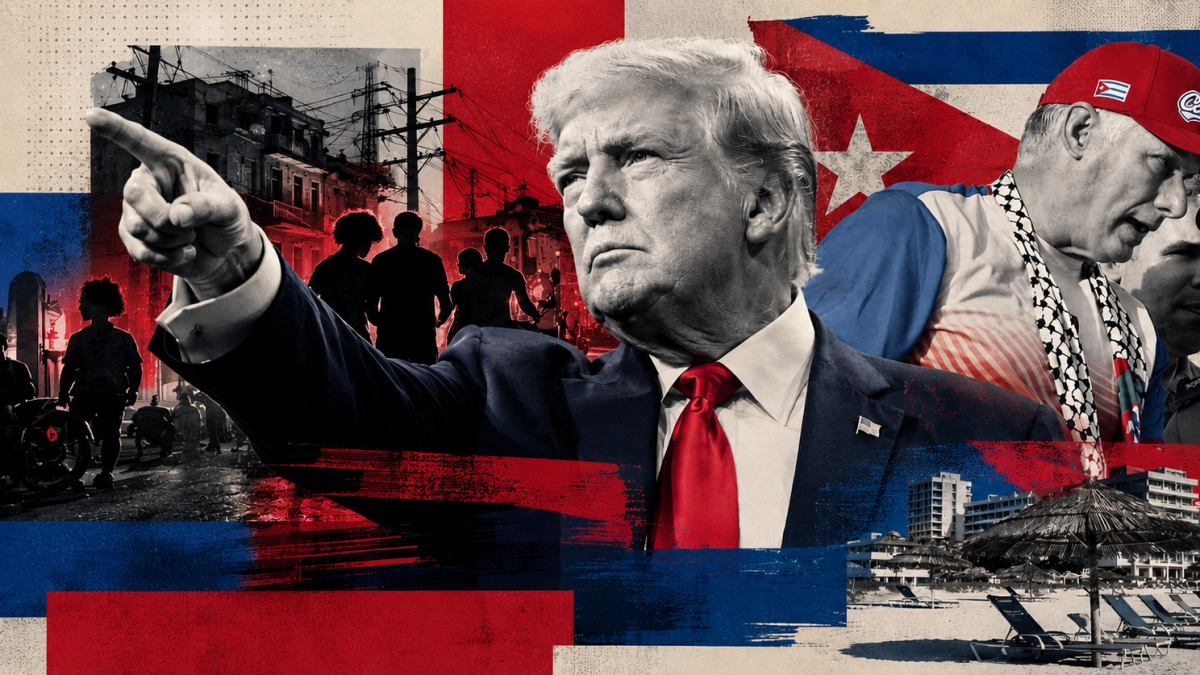
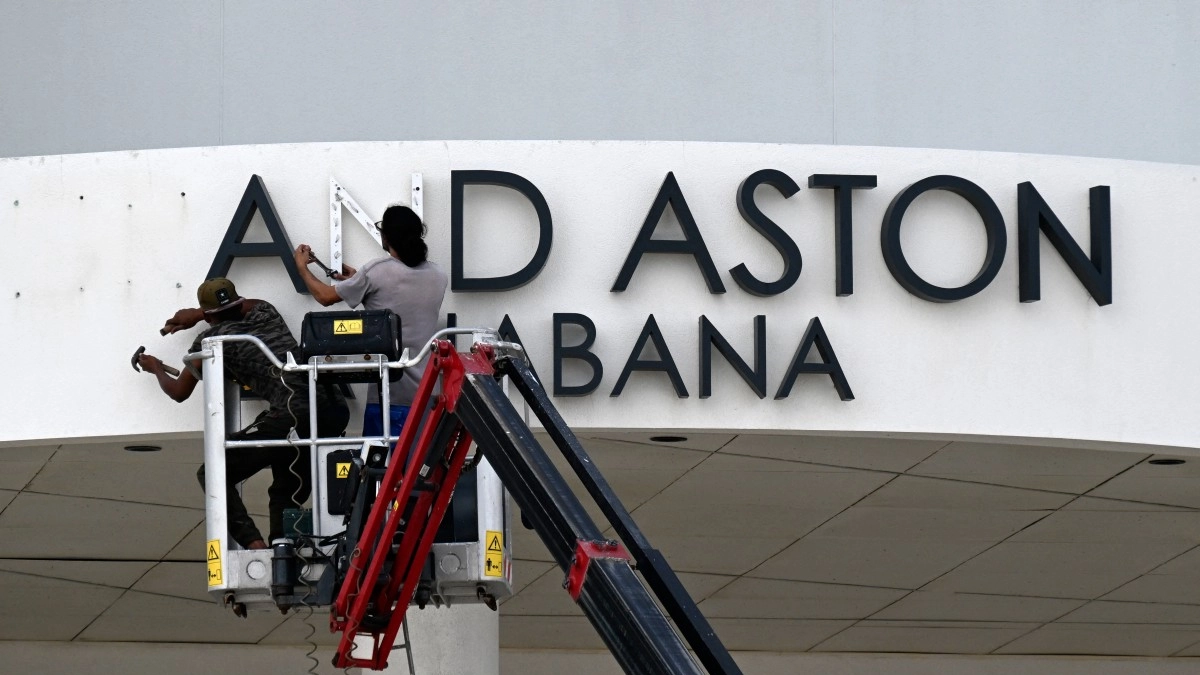
El Tiempo explicitly interrogates US strategic logic, asking what plan the United States has for Cuba 'the day after' economic collapse, framing the sanctions escalation as regime-change strategy without clear terminal objectives. El Tiempo emphasizes hotel chain departures and flight collapse as accelerating economic asphyxiation with uncertain outcomes.

Cuban state framing (via El Universal coverage of Díaz-Canel's speech) presents US sanctions as imperialist aggression and 'perversion,' treating pressure as political assault rather than governance response. Folha de S.Paulo and Straits Times report the sanctions facts—expansion to Díaz-Canel, the Castro family, and regime entities—without strategic framing of US intent or Cuban justification. This divergence reveals whether the sanctions are read as tactical economic warfare, legitimate governance response, or opportunistic imperial pressure.

How each outlet opened the story
El Tiempo Colombia

Trump's pressure on Cuba accelerates economic collapse

Raúl Castro reappears publicly after criminal accusation

Straits Times Singapore

Cuba's Raul Castro, wanted by US, appears at event

US expands sanctions against Cuban leader and Castro family

Coverage map

What coverage agrees on, contests, or leaves unclear.

Broadly agreed
  • Multiple sources confirm the US imposed sanctions on Díaz-Canel, his family, and Castro family members, and that hotel chains and international airlines are withdrawing from Cuba.
  • Singaporean and Mexican outlets confirm Raúl Castro made a public appearance at a Havana event despite the US criminal accusation against him.
Contested framing
  • El Tiempo frames US pressure as a regime-change strategy without a clear endgame; Brazilian and Singaporean outlets present it as a factual sanctions escalation without questioning US strategic logic; Cuban state framing (via Mexican coverage of Díaz-Canel's 'perversion' accusation) presents it as imperialist aggression.
Still unclear

Whether Cuba's economic deterioration will reach a point of political instability or regime change, and what the US government's actual contingency plans are for post-Castro Cuba, are not confirmed in available summaries.

Notable omissions

No outlet reports on the impact of the economic siege on ordinary Cuban citizens' daily lives—coverage focuses on elite political and business actors.

Regional framing

How different outlets describe the same story.

Colombian

El Tiempo analyses how Trump's pressure is accelerating Cuba's tourism collapse and economic asphyxiation, asking what the US plan is for 'the day after'—framing it as a US regime-change strategy with an unexamined endgame.

Singaporean

Straits Times reports Raúl Castro's appearance at an Interior Ministry event in Havana despite the US criminal accusation, framing it as a factual political defiance signal.

Mexican

El Universal reports Raúl Castro reappearing publicly after the US criminal accusation while attending his own 95th birthday tribute, emphasising the Cuban leadership's continuity narrative.

Brazilian

Folha de S.Paulo covers the US expanding sanctions against Díaz-Canel, his wife, and Castro family members as a factual diplomatic escalation.

Source trail

Original reporting behind this perspective.

This page maps the coverage. The 7 articles below are the original reports the comparison is drawn from — open them for each publisher's full reporting.

Show 7 source articles
Perspective link copied