This view is generated from the clustered articles, so it is best read as a map of coverage rather than a replacement for the source reporting.
- All three covering sources confirm De la Espriella's far-right positioning and his ultimatum to armed groups.
- Sources agree his approach represents a direct reversal of Petro's total peace policy.
- El Tiempo frames the Venezuela earthquake as a complicating 'black swan' for Colombia's democratic struggle — implying external disruption to an already fragile political transition; Le Monde focuses on De la Espriella's stated policy positions without contextualising external shocks.
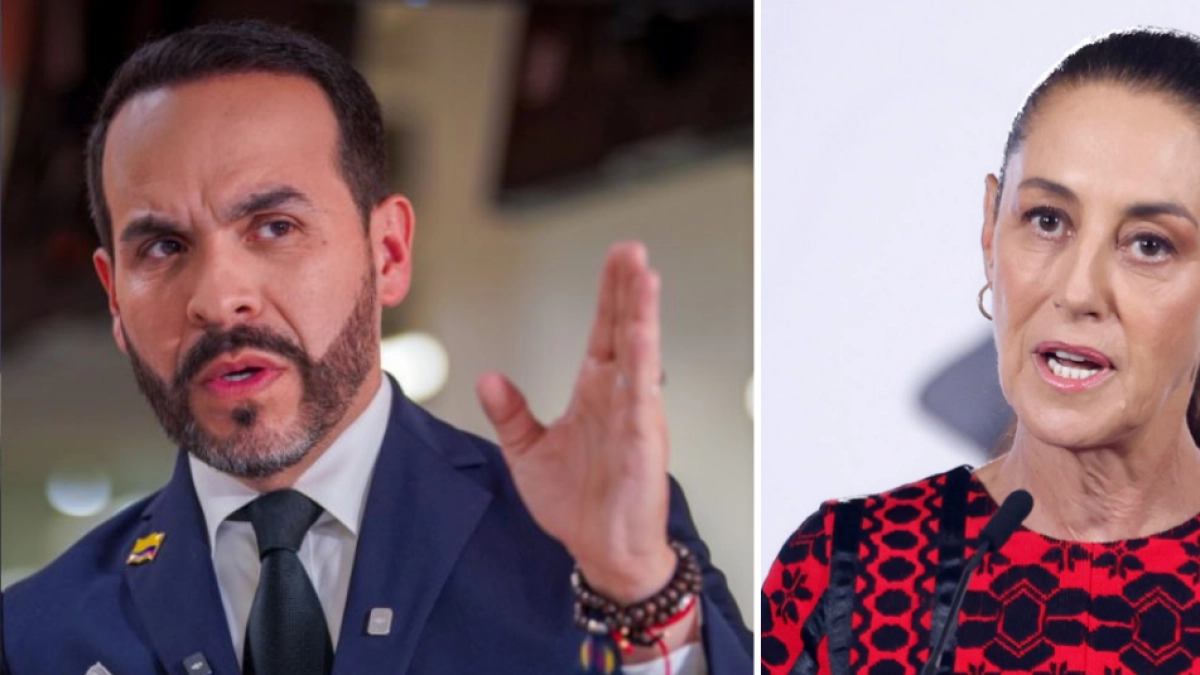
- Sheinbaum's response to De la Espriella's comments about Mexican cartel influence is covered by El Tiempo as a diplomatic exchange; no other source covers this inter-Latin American diplomatic friction.
Whether any armed group has responded to De la Espriella's one-month ultimatum, and what consequences he has specified for non-compliance, are not confirmed in any available summary.
No source covers reactions from Colombian civil society, indigenous communities, or former FARC combatants who are most directly affected by the policy reversal.
Electoral outcome and policy statements confirmed, but implementation feasibility and regional response incomplete.
- Armed group response to one-month ultimatum unconfirmed; consequences not specified
- El Tiempo frames Venezuela earthquake as 'black swan' complicating Colombia; Le Monde ignores this context—divergent causal frames
- Sheinbaum-De la Espriella diplomatic exchange only in El Tiempo; inter-Latin American friction not systematically covered
- Civil society, indigenous communities, and former FARC combatants' reactions entirely absent
El Tiempo covers both the Venezuela earthquake as a 'black swan' threatening Colombia's democratic struggle (per WOLA expert) and the tit-for-tat exchange between De la Espriella and Mexican President Sheinbaum over cartel influence — framing Colombia's new political identity through regional friction.