Hundreds are still feared trapped under the rubble, as families desperate for news.
How the world covered this
Read the editorial comparison
Prose synthesis of how each outlet framed the story, with side-by-side outlet quotes and divergence notes.
57 articles from 13 sources
01

02
Héctor Bello wrote on social media that "you gave your own life for our daughter" in the quakes which killed at least 920 people.

03
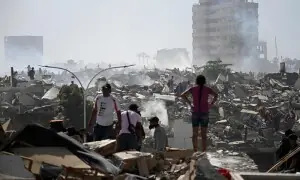
The death toll from two powerful earthquakes that devastated Venezuela earlier this week rose to 920 on Friday, National Assembly President Jorge Rodriguez said. In a televised address, Rodriguez updated the death toll…
04
Construir sistema de alertas de terremotos na Venezuela seria missão de décadas, diz especialista
Even though it is located at the meeting of two tectonic plates, Venezuela does not have a robust earthquake warning system, like other nations that are also in unstable areas, and a large part of the population was…
05
Regime na Venezuela restringe acesso à zona mais afetada por terremoto, e Delcy é vaiada em Caracas
The Venezuelan regime announced that it will restrict access to the state of La Guaira, a coastal region that looked like a war zone after the earthquakes that hit the country, starting at 8 pm this Friday (9 pm…
06
'Você deu a sua própria vida pela nossa filha', diz jogador venezuelano sobre esposa morta em terremoto
A player from Marítimo de La Guaira, a second division team in Venezuela, drew international attention after sharing with followers the family tragedy he is going through following the strongest earthquake in the country in more than…
07
Novo terremoto de magnitude 4,9 atinge Venezuela após devastação de tremores gêmeos
A 4.9 magnitude earthquake was felt in Venezuela this Friday (26), two days after twin tremors left a trail of destruction in the country, with the confirmation of 920 deaths and an estimate of more than 50 thousand...
08
Trump telefona e reitera apoio dos EUA à Venezuela, diz Delcy Rodríguez
The interim leader of Venezuela, Delcy Rodríguez, said this Friday (26) that she received a call from the President of the United States, Donald Trump, and the head of Washington's diplomacy, Marco Rubio. Read more…
09
Parque na capital da Venezuela vira refúgio para mais de mil desabrigados pelos terremotos
Parque Generalíssimo Francisco de Miranda, known as Parque del Este, is usually a leisure and cultural space for Caracas residents. However, since Wednesday night (24), after the two earthquakes that…
10
Motoqueiros e voluntários criam rede de ajuda após terremoto na Venezuela
The destruction caused by the earthquakes that hit Venezuela mobilized the country's population to create a network of aid and civilian volunteers. The road that connects Caracas to La Guaira, a coastal region that was…
11
Jogos da Copa têm minuto de silêncio em homenagem às vítimas dos terremotos na Venezuela
The World Cup matches this Friday (26) were preceded by minutes of silence in memory of the victims of the earthquakes that occurred this week in Venezuela. Read more (06/26/2026 - 5:54 pm)
12
Resgatadas sem os pais, crianças são atendidas em Caracas após terremotos
Yenderlin Cabarza arrived at the hospital with fractures, in the area hardest hit by the earthquakes in Venezuela. Her mother did not survive, nor did her uncle, who protected her with his own body from a collapse.
13
Modelo que se mudou para Venezuela com namorado é uma das vítimas brasileiras de terremotos
Model Vanessa Zacarias da Silva, 44, is one of two Brazilian victims who died as a result of the earthquakes recorded in Venezuela on Wednesday (24), according to information shared by family members. THE…
14
Desaparecidos na Venezuela são mais de 50 mil, estima chefe de ajuda humanitária da ONU
UN humanitarian aid chief Tom Fletcher estimates that more than 50,000 people are missing following the earthquakes that hit Venezuela. "This is an extremely complex rescue operation",…
15
Mãe escava escombros em busca do filho após terremotos na Venezuela
Amparo del Giudice digs with her own hands through a mountain of rubble in search of her son, one of the victims of the most devastating earthquakes in Venezuela since 1900. Read more (06/26/2026 - 1:36 pm)
16
Terremoto in Venezuela: sale a 920 il bilancio dei morti, oltre 50mila i dispersi. Tra le vittime Berroteran, giovane calciatore
Rescue teams arrive from nine countries, including Italy and Germany in the next few hours. A new earthquake of magnitude 4.9 was felt in the north of the country.
17
Venezuela, l’ora della rabbia: “Abbandonati dopo il sisma, qui i soccorsi non arrivano”
There are more than 900 dead, over 50 thousand missing while the population digs with their bare hands to save the survivors under the rubble. “The aid promised by the government is not arriving.”
18
Sul volo da Roma a Caracas con gli specialisti degli aiuti: “Poche ore per salvare vite”
97 civil protection workers landed in Venezuela during the night. They will go to La Guaira: "It will be like Turkey in 2023"
19
Venezuela, il dramma dei bimbi rimasti soli in ospedale
According to Unicef, there are at least 3.9 million children and teenagers present in the earthquake areas
20
Paura per gli italiani: 3 morti, decine i dispersi. “Molti sotto le macerie”
A Sicilian among the victims: he was on a video call with his daughter. Mobilization through social media to search for those who cannot be found
21
Venezuela, Gasparini: “Nuovo disastro mentre l’America ci colonizza, a pagare sono sempre i poveri”
The famous photojournalist born in Gorizia and emigrated to Venezuela: "I heard an impressive roar, I was paralyzed at home"
22
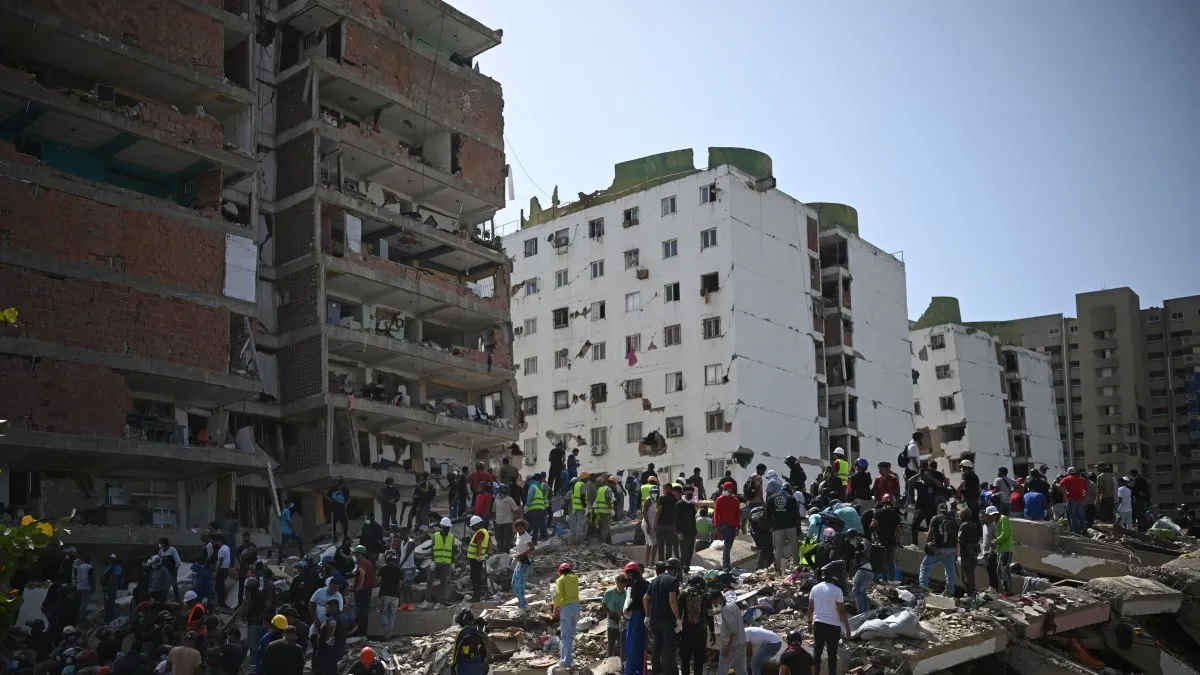
The official death toll from twin earthquakes that flattened parts of Caracas and surrounding areas rose to 920, the authorities said on Friday. The government has estimated hundreds of people still trapped and missing…


24
Its oil production was not affected by the quakes and remained at 1.2 million barrels per day.
25
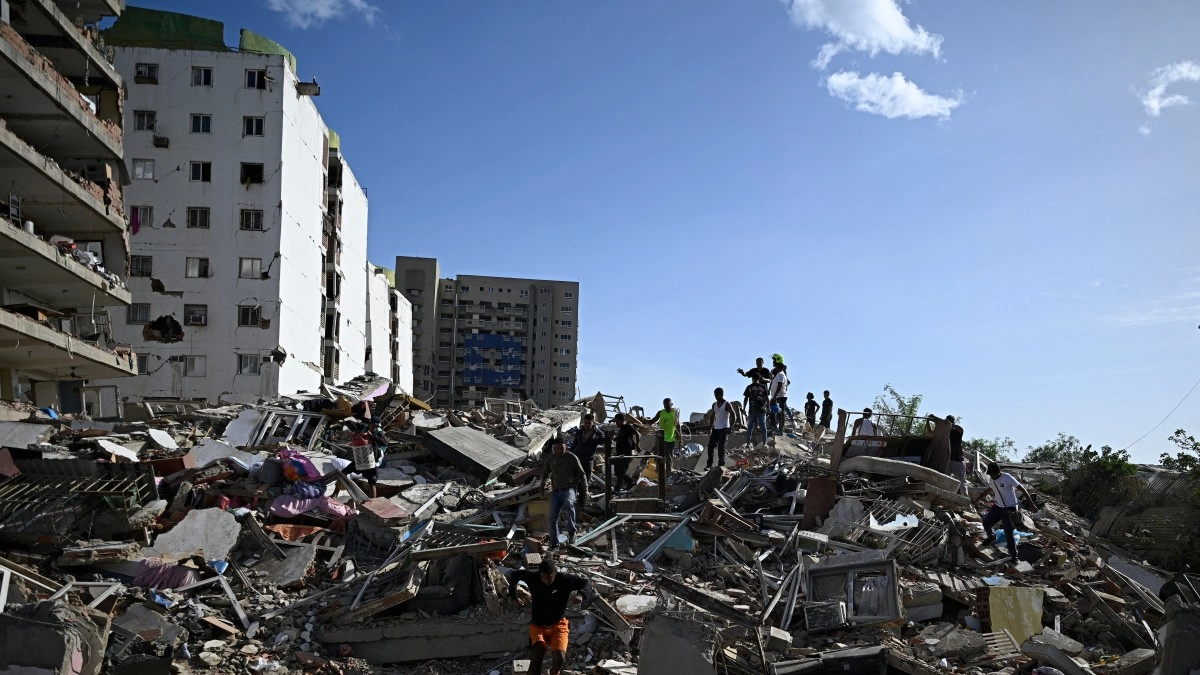
Terremoto en Venezuela, un 'cisne negro' que amenaza con frenar la lucha democrática, afirma experta de Wola
The director of the program for Venezuela analyzes the political impact of the earthquake and warns about the risks of instrumentalization of aid.
26
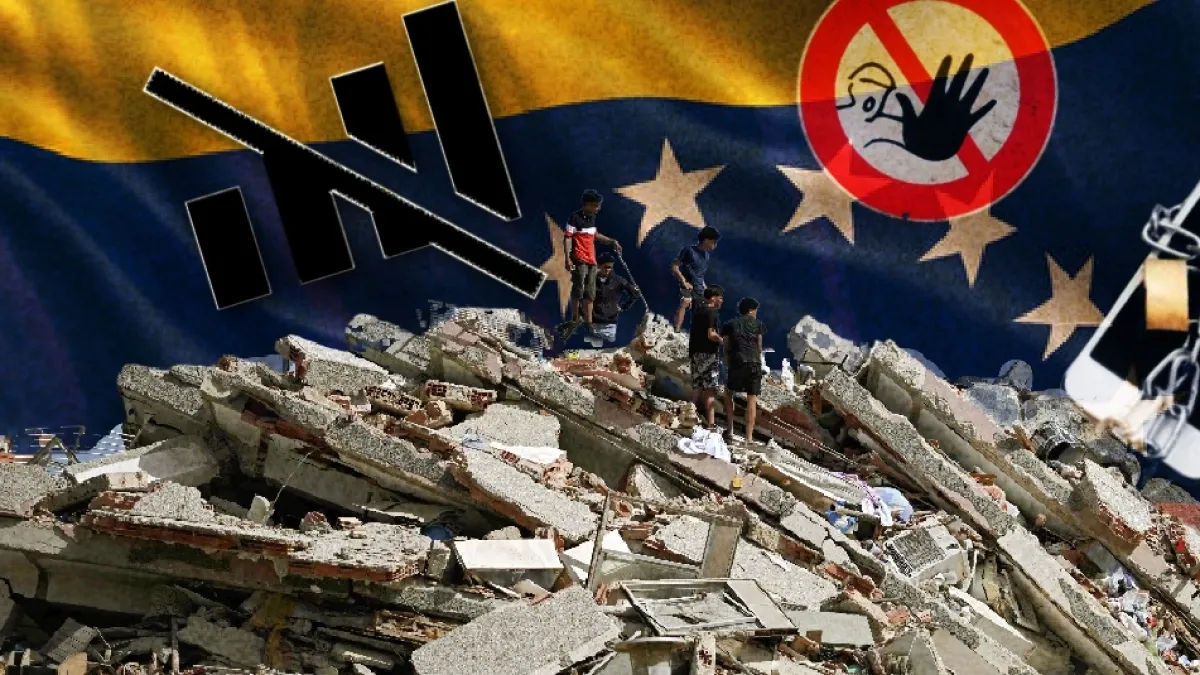
'No sabía nada sobre mi familia': bloqueo al internet y acceso a la información agravan la tragedia por terremotos en Venezuela
Despite reopening social network
27
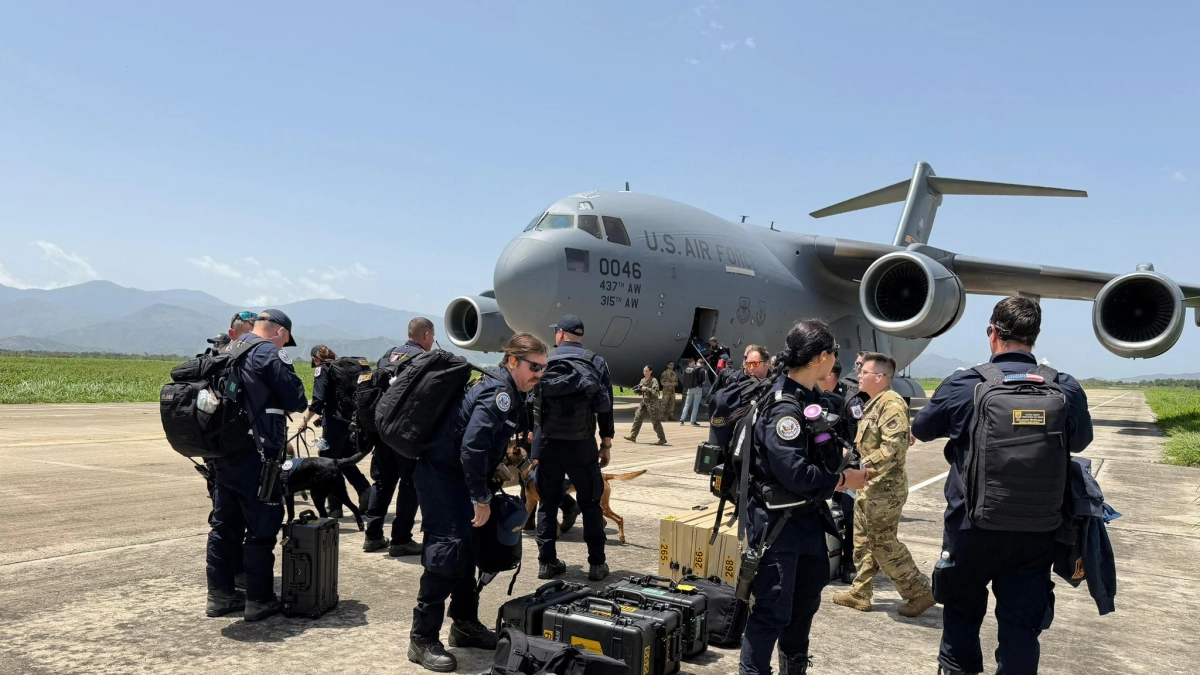
Estados Unidos despliega una masiva operación humanitaria para apoyar a Venezuela tras los devastadores terremotos del pasado 24 de junio
The Trump Administration mobilizes more than 250 search and rescue specialists, military logistical support and $150 million in assistance.
28
Casi mil muertos y más de 50.000 desaparecidos: Venezuela libra una carrera contrarreloj para encontrar sobrevivientes tras el doble terremoto
In the midst of the difficulties for the rescue, the Government militarized La Guaira and international aid began to arrive.
29
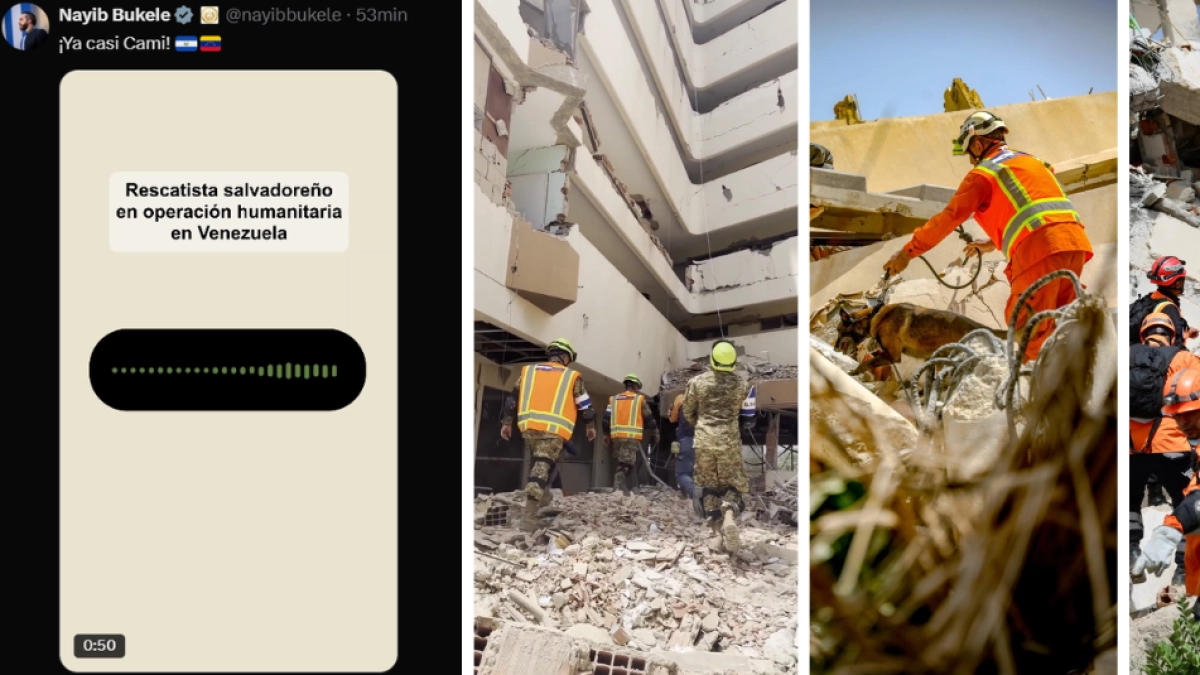
Nayib Bukele compartió el emotivo diálogo entre rescatistas y una joven de 15 años que permanece bajo los escombros en Venezuela: '¡Ya casi, Cami!'
The president of El Salvador announced hours before that the minor had been found alive and that she would be the first rescued by Salvadorans.
30
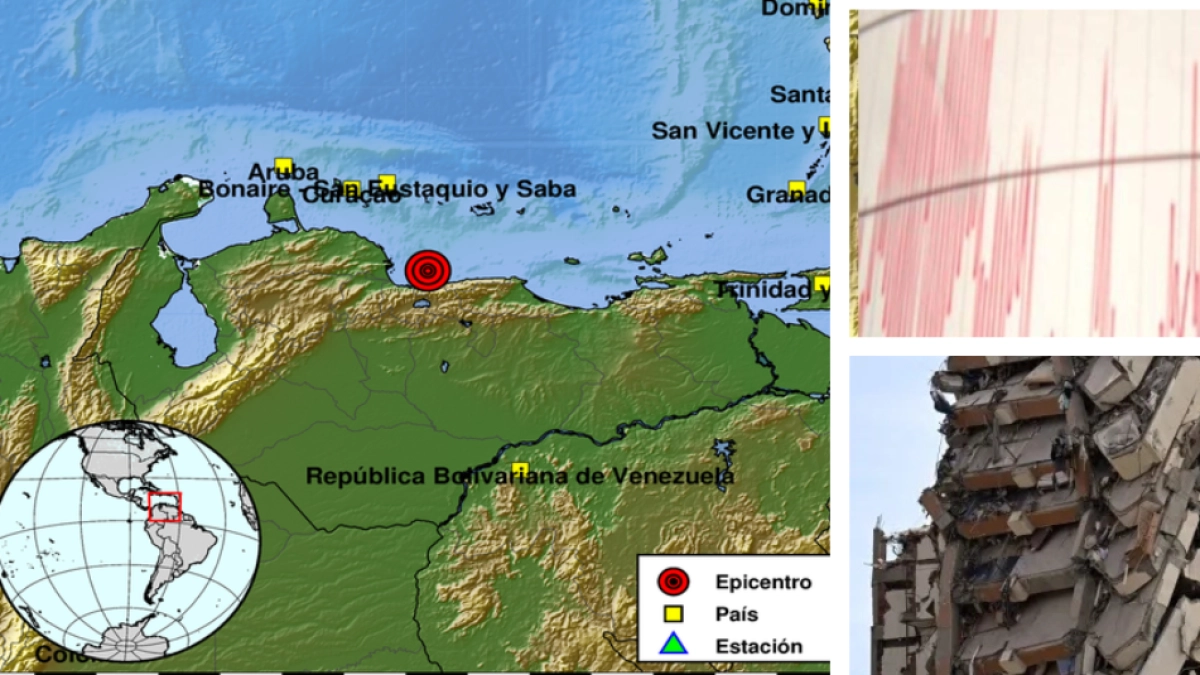
Temblor en Venezuela hoy | Reportan nuevo sismo de 4.7 de magnitud tras fuertes terremotos: alertan sentirlo en varias ciudades; epicentro y detalles
The Colombian Geological Survey and the United States Geological Survey confirmed the new earthquake. This is known.
31
Confirman muerte de futbolista promesa de la selección de Venezuela tras terremotos; Federación Venezolana de Fútbol se pronunció: 'Latido Vinotinto'
It was Yimvert Berroterán, a soccer player for the Venezuelan U-20 team. The UCV Fútbol Club and the Secasports agency also mourned the death.

32
South Korea will provide $5 million in humanitarian assistance to Venezuela after two powerful earthquakes struck the country’s northern region, the Foreign Ministry said Friday. The aid will be delivered through…

33
The South Korean government will provide $5 million in humanitarian assistance to Venezuela through international organizations operating in the country following this week's devastating earthquakes, the Foreign…

34
Foreign rescue teams and aid were arriving on Friday in Venezuela nearly two days after devastating twin earthquakes flattened areas in and around the capital Caracas, forcing residents to dig through rubble to save…


36
ベネズエラ地震 約5万人安否不明
37
ベネズエラ地震 数千人死亡の恐れ
38
ベネズエラ M7級の地震が連続
39
At least 4,300 people have been injured after two seven-plus magnitude shallow quakes hit seconds apart.

40
The twin quakes come less than six months after Venezuela's then-leader Nicolás Maduro was seized by US forces.

41
The capital and its surrounding areas have seen some of the worst damage from the 7.2 and 7.5 quakes, which hit a minute apart.

42
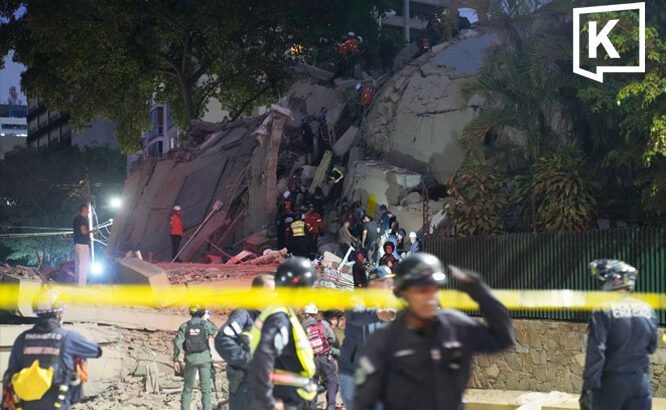
CARACAS, Venezuela (AP) — Back-to-back powerful earthquakes struck off the coast of Venezuela on Wednesday evening, collapsing buildings and sending panicked residents into the streets. The 7.2 and 7.5 magnitude…
43
Ukraine's Centre for Countering Disinformation says Russia's foreign military intelligence agency has been tasked with the operation.
44
"The Ukrainian market is large and has great potential," says Maspex's CEO.
45
Meanwhile, only a quarter of households now contain children.
46
Video del momento exacto cuando edificios en La Guaira, estado con mayor afectación por terremotos en Venezuela, se desplomaron: más de 100 colapsos
The Government of Venezuela raised the emergency toll to 235 dead and more than 4,300 injured after the 7.2 and 7.5 magnitude earthquakes.

47
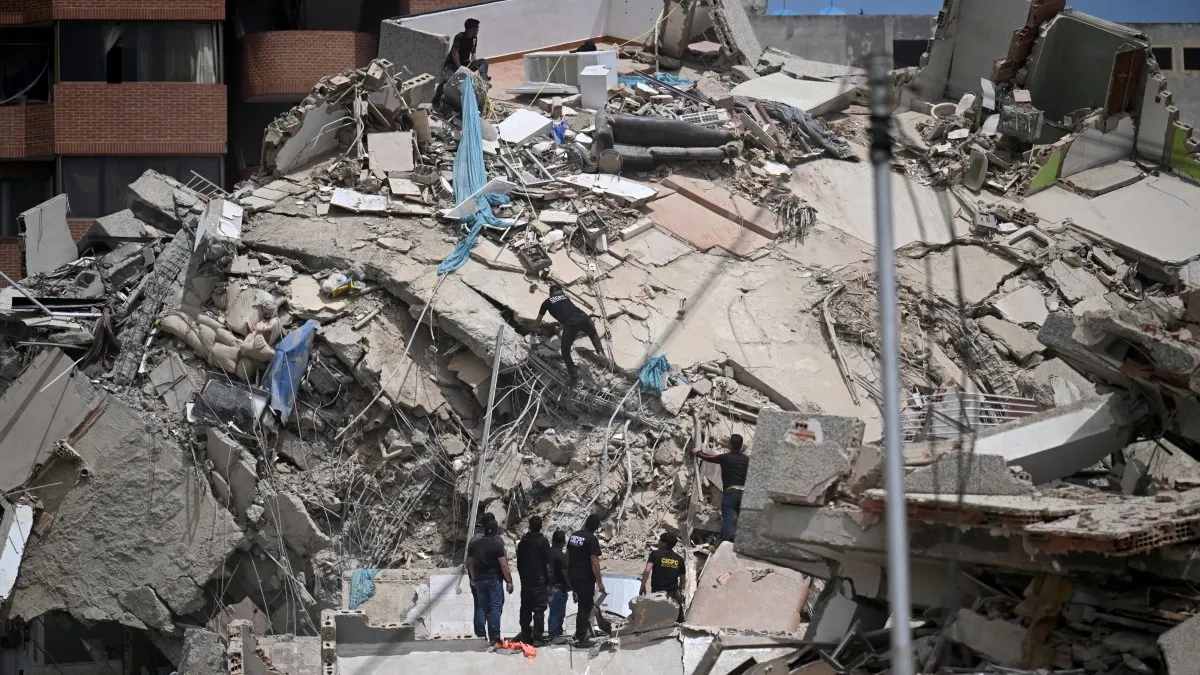
Dos terremotos dejaron a Venezuela entre los escombros: rescates contrarreloj, infraestructura colapsada y una creciente crisis humanitaria
The balance speaks of 235 deaths and 1,500 injured. La Guaira is the state that presents the most destruction.
48
Los estudios que advirtieron que un gran terremoto podía ocurrir en Venezuela y que el país no estaba preparado tras años de alertas
Specialists had already documented the weaknesses of Venezuelan infrastructure. Many of the recommendations never happened.

49
Estados Unidos anunció el envío de buques y aviones militares para ayudar a Venezuela tras los dos terremotos que dejan al menos 235 muertos
The first tremor was of magnitude 7.2 and the second of 7.5; both occurred within a few seconds of each other.

50
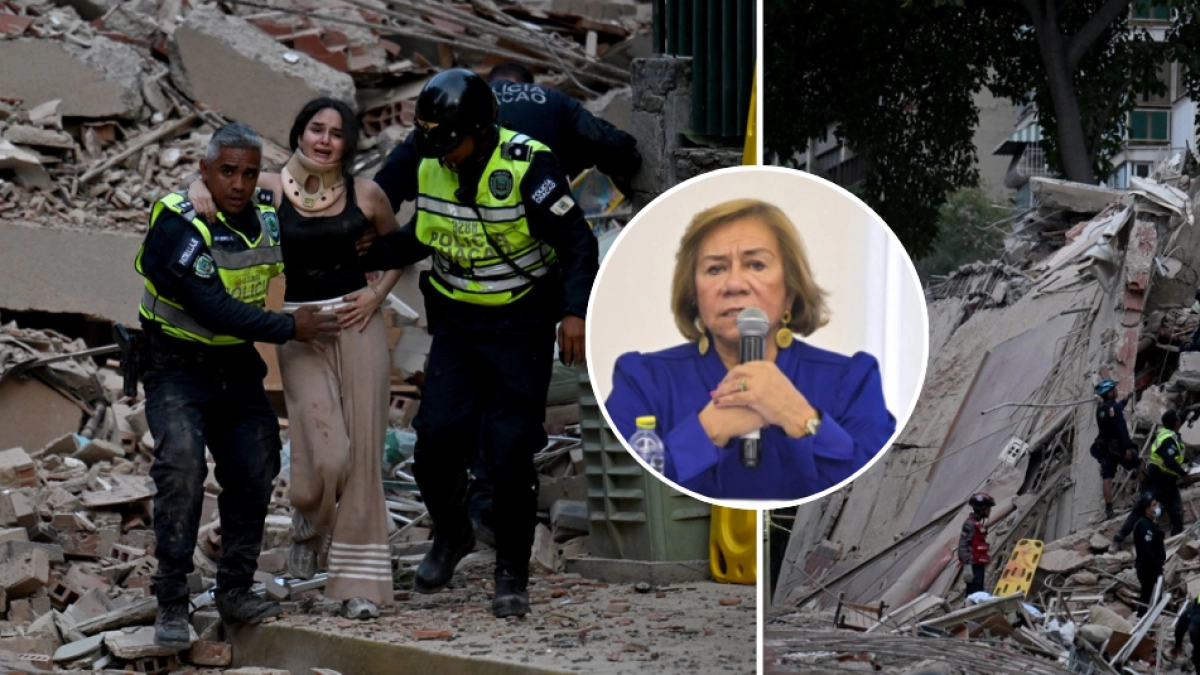
Canciller Rosa Villavicencio dio balance y aseguró que avanzan en el censo de colombianos afectados por terremotos en Venezuela: 'Estamos pendientes'
For now, it does not have an inventory of possible compatriots injured or killed after the earthquakes in Venezuela.
51
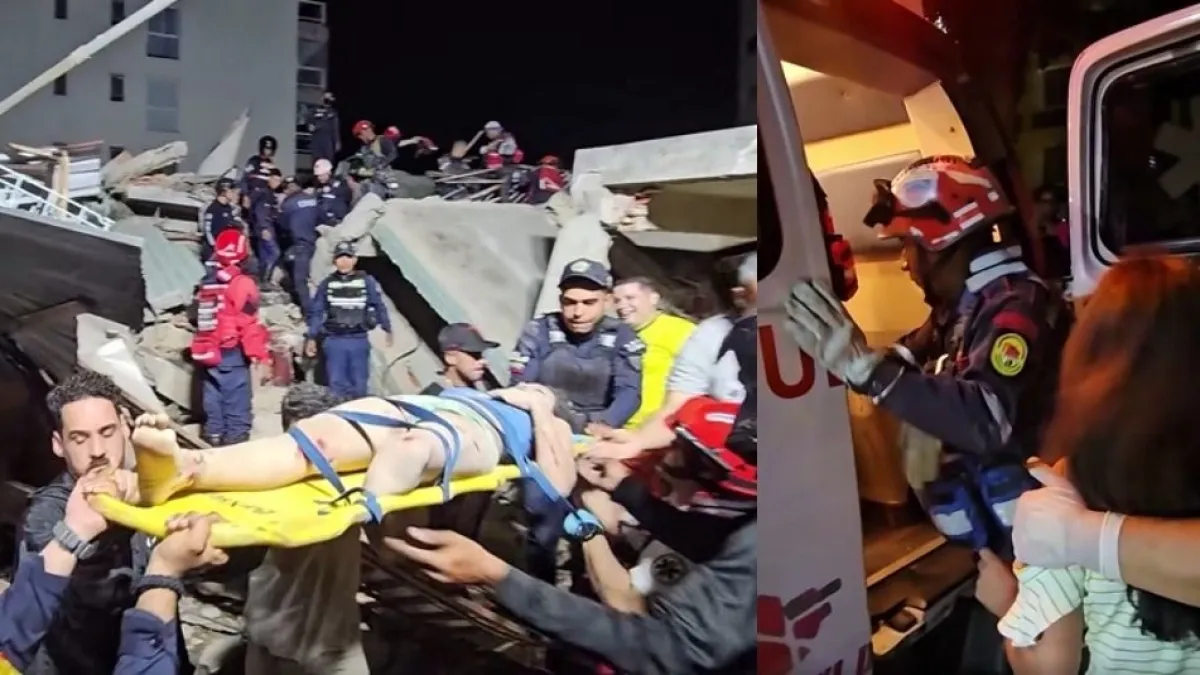
Video del momento cuando rescatan de entre los escombros a una adolescente con discapacidad tras los terremotos que sacudieron a Venezuela
The minor was found alive after arduous work by the community and relief agencies in a collapsed building.
52
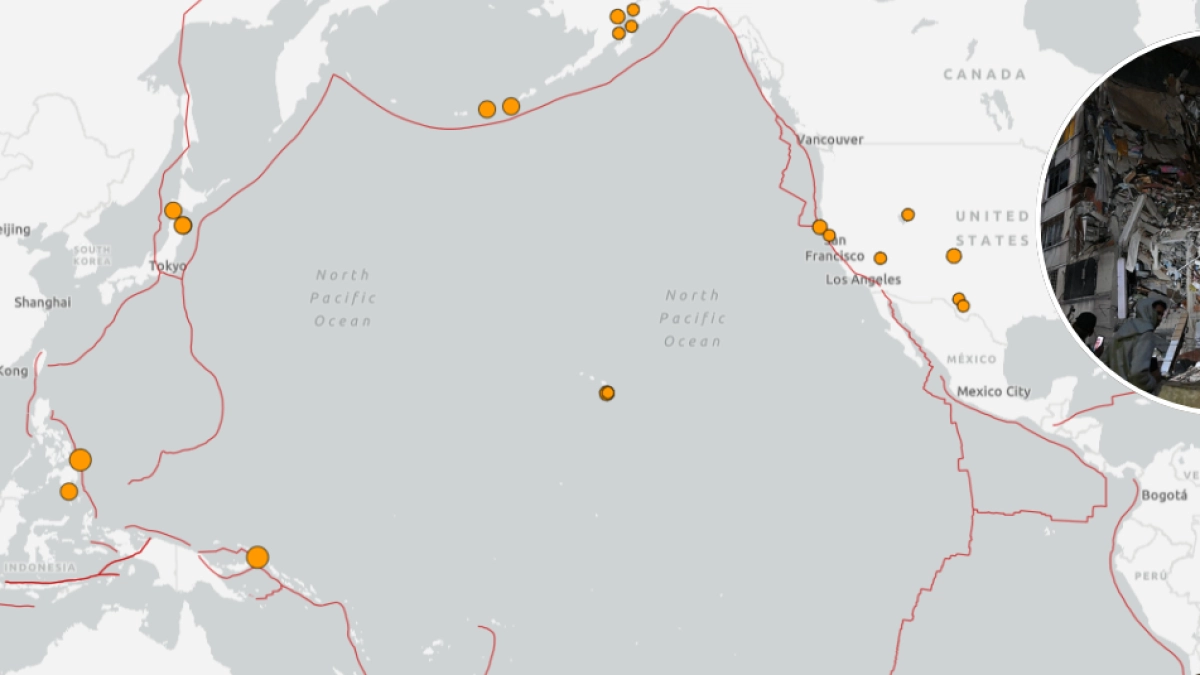
Reportan más de 10 temblores en el Cinturón de Fuego del Pacifico en menos de 24 horas tras terremotos en Venezuela: estos fueron los informes
After the earthquakes of magnitudes 7.2 and 7.5 in Venezuela, other earthquakes of up to 6.9 and 4.9 were reported in less than 24 hours.
53
Estados Unidos levanta temporalmente las sanciones sobre Venezuela para permitir transacciones relacionadas con 'labores de socorro'
The United States Department of the Treasury issued an order that allows these operations until October 23.
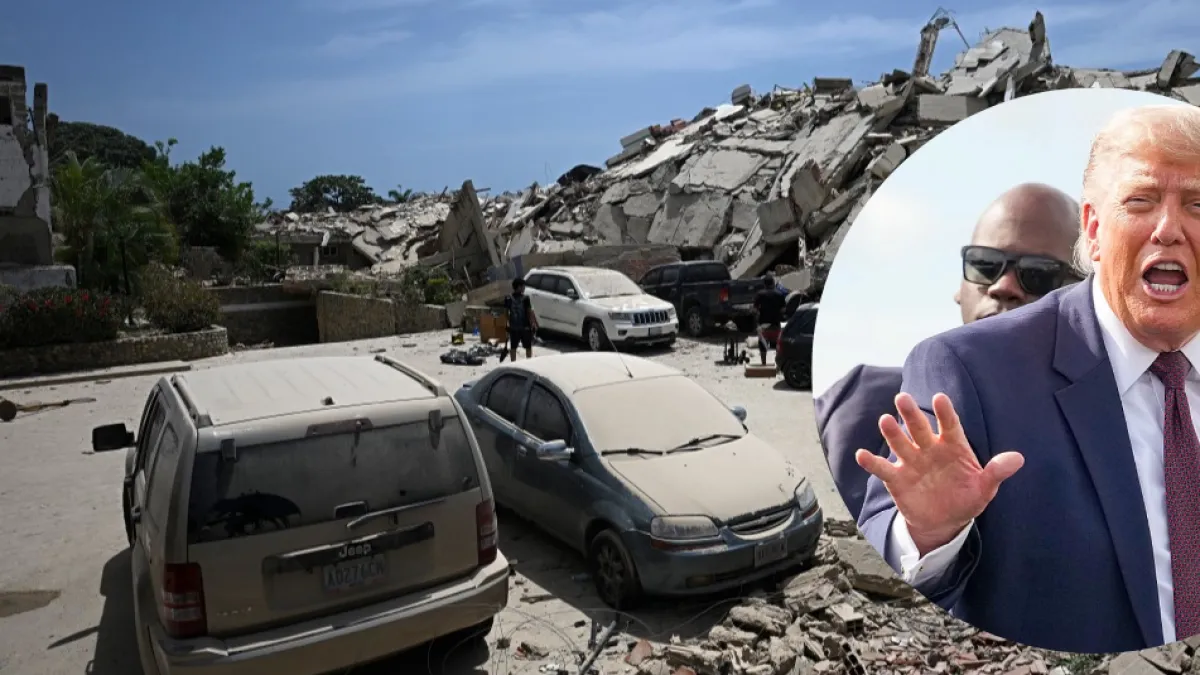
54
Emotivo video muestra a pareja de ancianos durante los fuertes terremotos en Venezuela: 'Amor, no te vayas'
The moving scene went viral on social networks after the emergency that left hundreds of victims and destroyed structures in the neighboring country.

55
More than 51,000 people are missing after two quakes rocked Venezuela on Wednesday (Jun 24).

56
The official death toll from twin earthquakes that flattened parts of Caracas and surrounding areas rose to 920, the authorities said on Friday. The government has estimated hundreds of people still trapped and missing…
57
Estados Unidos despliega una masiva operación humanitaria para apoyar a Venezuela tras los devastadores terremotos del pasado 24 de junio
The Trump Administration mobilizes more than 250 search and rescue specialists, military logistical support and $150 million in assistance.
AI read
What the coverage agrees on, and where it splits
This view is generated from the clustered articles, so it is best read as a map of coverage rather than a replacement for the source reporting.
Broadly agreed
- All covering sources confirm the death toll has risen to at least 920 with over 50,000 people missing or unaccounted for.
- Multiple sources confirm that La Guaira coastal state suffered the most severe destruction and that the Venezuelan government has militarized access to the region.
- Sources across regions confirm international rescue teams from multiple countries have begun arriving, with the US mobilizing 250+ rescue specialists and $150 million in humanitarian aid.
Contested framing
- Folha de S.Paulo and El Tiempo emphasize the Venezuelan regime's restriction of access to the most affected area and political failures; BBC and Korea Herald focus on humanitarian response without foregrounding regime accountability.
- El Tiempo frames the earthquake as a potential 'black swan' that could derail Venezuela's democratic transition; Italian and German outlets focus on humanitarian logistics without political framing.
- Al Jazeera Arabic examines unverified earthquake prediction claims; most other outlets do not engage with this angle.
Still unclear
The true number of missing persons remains unverified — official figures of 50,000+ are estimates from UN sources and may not reflect the full scope of communications blackouts in affected areas.
Notable omissions
TASS, People's Daily, and Gazeta.uz provide no coverage of the Venezuela earthquake disaster; Russian and Chinese state media omit any analysis of international humanitarian intervention or the political context of the interim Venezuelan government.
Quality check
The casualty figures cited are provisional estimates; true scale may be higher due to communications blackouts in affected areas.
- Death toll figure (920) and missing persons estimate (50,000+) are unverified; communications blackouts may obscure true scope
- Russian and Chinese state media absence means no analysis of international humanitarian intervention implications
- Political framing (regime accountability vs. humanitarian logistics) shows significant outlet divergence without resolution
- Consensus overstates certainty: 'all covering sources confirm' death toll when figures are still rising estimates
Review confidence: 75%
Signal strength
3/5
Narrative divergence
13
Sources compared
1
Days in coverage
How each outlet frames this story
Divergence
3/5
Narrative Divergence
How differently the sources covering this story frame it — measured by tone, emphasis, and what each outlet chooses to highlight or omit.
1 — Sources frame the story almost identically
2 — Minor differences in tone or emphasis
3 — Noticeable differences; some outlets highlight what others omit
4 — Stark contrasts; conflicting narratives
5 — Sources tell fundamentally different stories
British
BBC foregrounds individual human stories — a mother dying to save her daughter — alongside institutional context about Venezuela's political uncertainty since Maduro's removal.
Brazilian
Folha de S.Paulo integrates personal testimony (mothers digging through rubble, children separated from parents, a model among victims) with structural critique of Venezuela's lack of earthquake warning systems.
Colombian
El Tiempo emphasizes the information blackout caused by internet disruptions, the Venezuelan regime's militarization of La Guaira, and the political impact as a 'black swan' threatening democratic struggle.
Italian
La Repubblica foregrounds Italian humanitarian responders flying to Caracas, the plight of Italian nationals among victims, and the broader tragedy of children left alone in hospitals.
South Korean
Korea Herald reports South Korea's $5 million humanitarian pledge and the arrival of foreign rescue teams, framing the response through alliance and international solidarity.
Emirati
The National reports the UAE's $10 million relief drive, framing the Gulf state's response as regional humanitarian leadership.
Japanese
Yahoo Japan reports approximately 50,000 people with unknown safety status, treating the disaster through a scale-of-human-loss framing.
Singaporean
Straits Times documents hospital and morgue collapse and the desperate search by families, emphasizing humanitarian logistics and scale.
Pakistani
Dawn reports the death toll reaching 920 and the arrival of international rescue teams in a factual, consequence-focused framing.