BBC international correspondent Yogita Limayee meets 12-year-old Fabiana, who was trapped in Venezuela's devastating earthquakes.
How the world covered this
Read the editorial comparison
Prose synthesis of how each outlet framed the story, with side-by-side outlet quotes and divergence notes.
17 articles from 6 sources
01

02
'Com ketchup e queijo': menina conta como sobreviveu por 32 h à espera de resgate após terremotos na Venezuela
Karina Blanco was about to start the spinning class she teaches when the earth started to shake. The tremors in La Guaira, Venezuela, were getting stronger and stronger, so she grabbed her bag and ran…
03
Venezuela inicia fase de inspección masiva de inmuebles tras el doble terremoto: así funcionará el 'semáforo' que determinará el nivel de daño
Authorities recalled that the inspections are free and urged those who, using the inspection, try to charge to be denounced.

04
Confirman la muerte de la reconocida actriz Yorgelys Delgado y su madre luego de días de búsqueda tras doble terremoto en Venezuela: 'Corazón roto'
The artist is remembered for her participation in programs such as 'El Club de los Tigritos' and 'Rugemanía'.

05
¿Quién era Willner Rivas, capitán de la selección de voleibol de Venezuela, hallado muerto junto a su esposa e hijo tras el doble terremoto?
The official toll rose to 3,535 dead and 16,740 injured, while the authorities continue the work of recovering bodies in La Guaira.

06
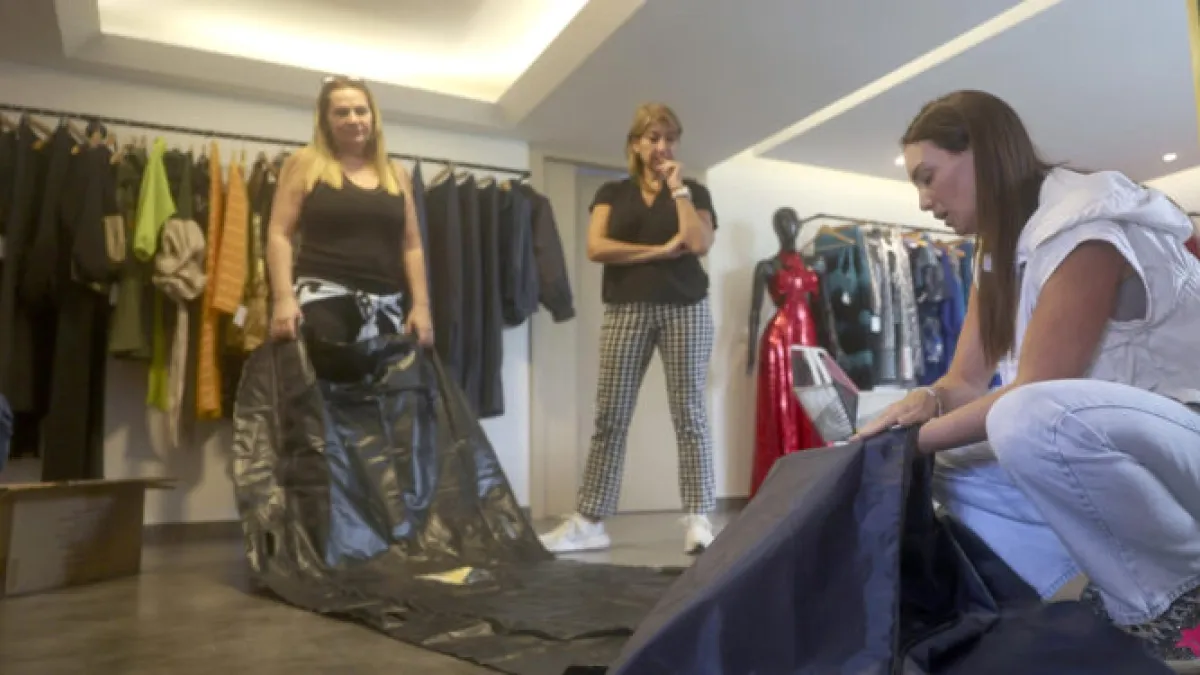
La venezolana que pasó de estudiar diseño en París a confeccionar más de 3.200 bolsas para cadáveres tras el devastador terremoto
The initiative arose after a call from a client who warned about the shortage of body bags in La Guaira.
07
Cifra de fallecidos por terremotos en Venezuela sube a 3 mil 535; hay 16 mil 740 heridos
The government has not updated the number of missing people

08
Número de mortos em terremotos na Venezuela sobe para 3.535
The number of people killed by the earthquakes that hit Venezuela on June 24 rose, this Monday (6), to 3,535, according to a statement released by the Venezuelan dictatorship. Read more (06/07/2026 - 5:04 pm)
09
The UN has estimated that as many as 50,000 people could be missing in one of Latin America’s worst earthquake disasters.
10
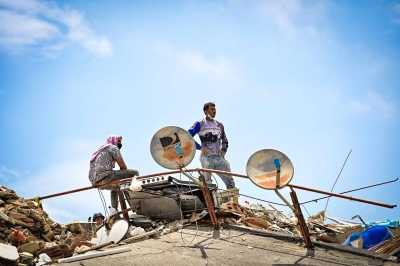
The latest official tally showed 16,740 people injured and 17,854 left without housing after the June 24 quakes.
11
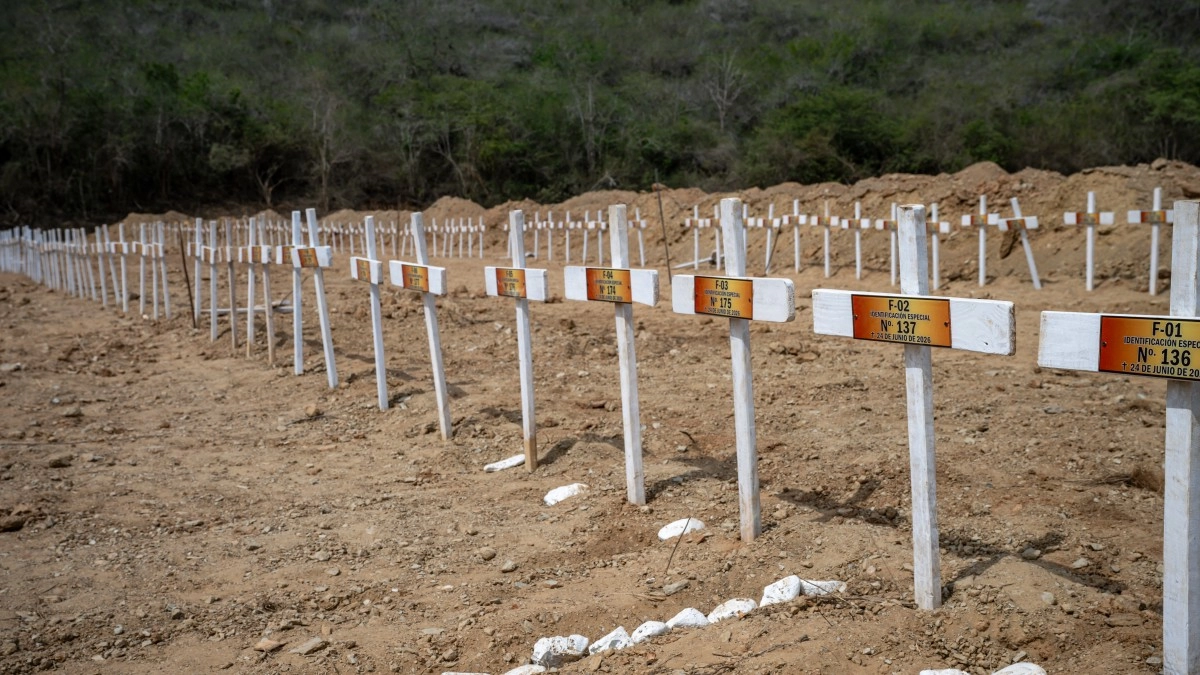
La cifra de muertos en Venezuela ya supera las 3.000 personas tras el doble terremoto; los heridos ascienden a 16.740
The earthquakes of June 24 are the deadliest in the last century in Venezuela. More than 17,345 people were also left homeless.
12
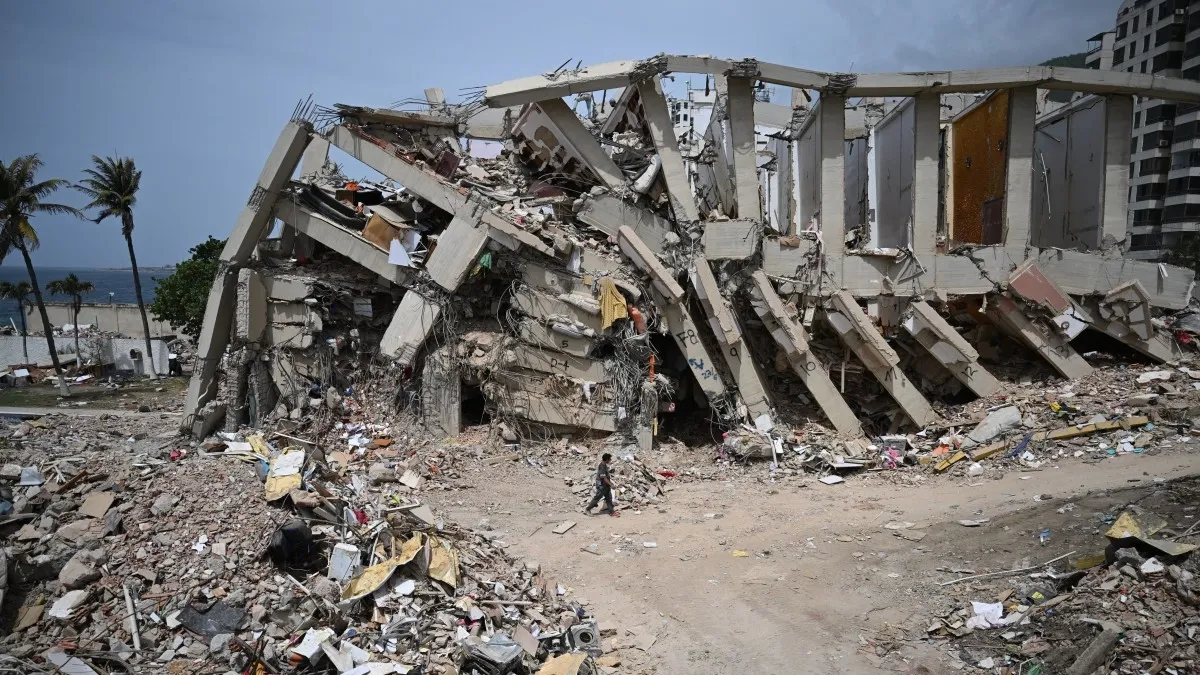
Venezuela comienza a retirar escombros, mientras la ONU alerta por desplazados tras terremoto: Delcy Rodríguez descarta un 'estallido social'
Despite the gradual withdrawal of international brigades, volunteers, firefighters, and Civil Protection personnel continue searching for bodies.
13
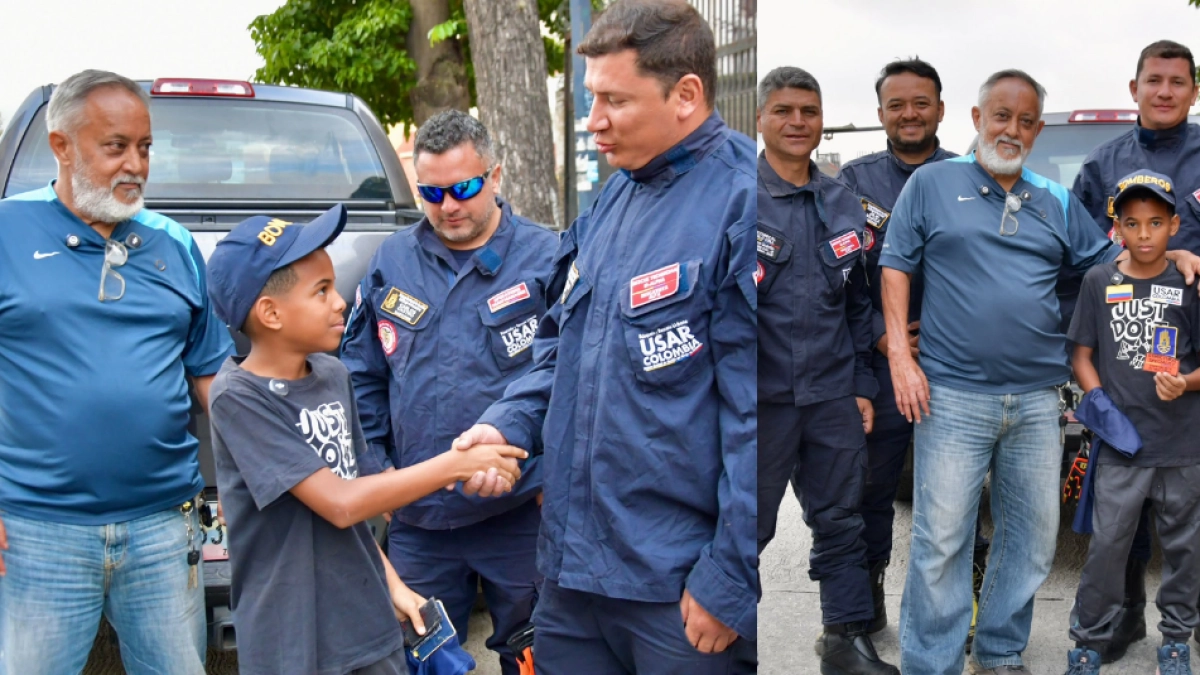
Niño rescatado por el equipo colombiano USAR COL-1 tras los terremotos en Venezuela se reencontró con los socorristas en un emotivo homenaje
The minor and his father thanked the Colombian rescuers for the operation that allowed them to rescue him alive after two days under the rubble.
14
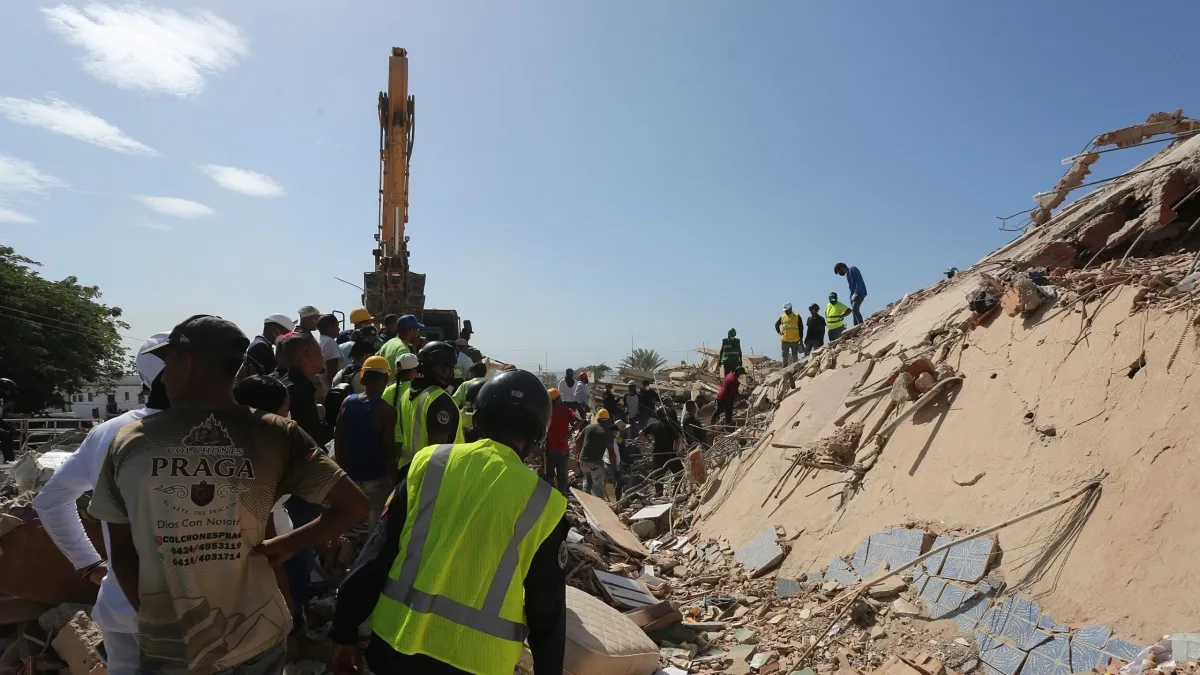
La ONU confirma el fin de la fase de rescates internacionales en Venezuela tras salvar a 14 personas: el vigilante Hernán Gil fue el último encontrado
The Venezuelan Government estimates that more than 6,400 people have been rescued since the first hours of the double earthquake on June 24, which left almost 3,000 dead.
15
Desabamentos de prédios da era Hugo Chávez em terremotos na Venezuela eram tragédia anunciada
The towering skyscrapers between the mountain and the sea were built by the former president of Venezuela, Hugo Chávez, as a promise to shelter the poor with dignity. Read more (06/07/2026 - 23:00)
16
Cifra de fallecidos por terremotos en Venezuela sube a 3 mil 535; hay 16 mil 740 heridos
The government has not updated the number of missing people
17
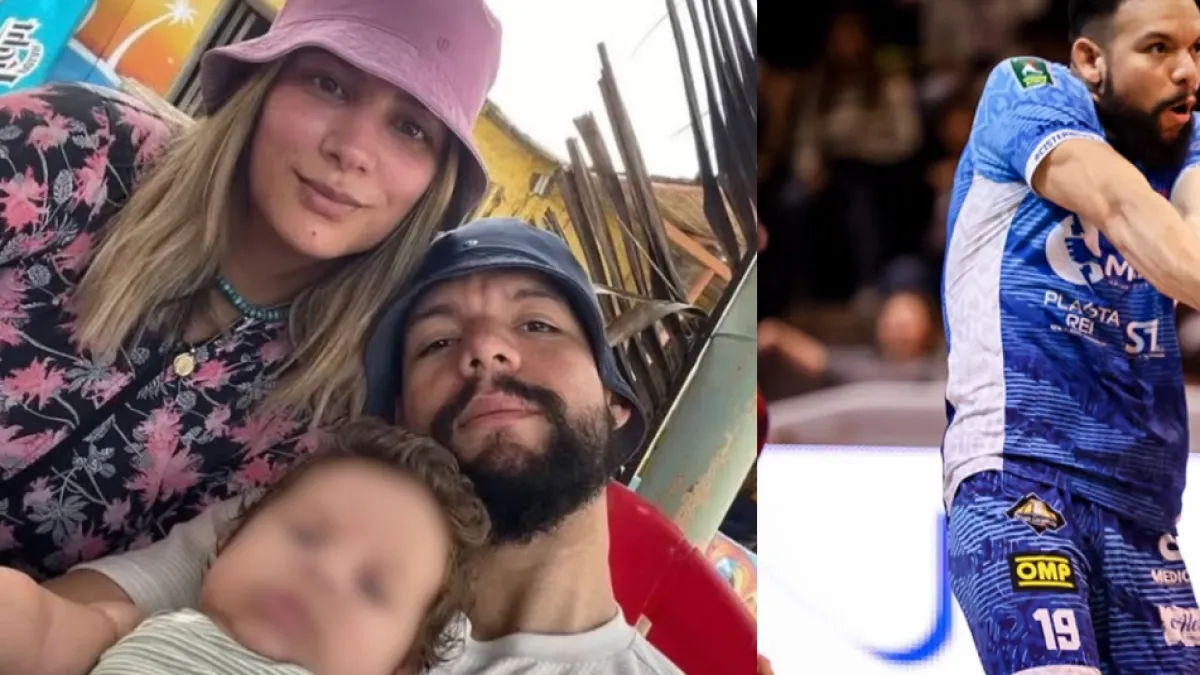
Hallan sin vida a Willner Rivas, capitán de la selección de voleibol de Venezuela, junto a su esposa e hijo tras el doble terremoto
The Spanish club CV Guaguas confirmed the death of the player, found under the rubble of his home in La Guaira along with his family.
AI read
What the coverage agrees on, and where it splits
This view is generated from the clustered articles, so it is best read as a map of coverage rather than a replacement for the source reporting.
Broadly agreed
- All covering sources confirm the death toll has reached 3,535 with 16,740 injured as of July 6-7, making this one of Latin America's deadliest earthquake events in a century.
- Multiple sources confirm the international rescue phase has ended and Venezuela is transitioning to building inspection and debris removal.
- Sources agree the Chávez-era residential towers were particularly vulnerable and suffered catastrophic structural failure.
Contested framing
- Folha de S.Paulo explicitly attributes building failures to systemic institutional neglect under the Chávez-era construction program; Venezuelan government sources cited in El Tiempo focus on the inspection system as a constructive response without acknowledging structural culpability.
- El Universal notes the government has not updated missing persons figures, implying information suppression; Colombian El Tiempo reports authorities are actively working on inspections, presenting a more cooperative institutional image.
Still unclear
The total number of missing persons remains officially unconfirmed, with the UN estimating up to 50,000 while the Venezuelan government has not updated its missing persons count.
Notable omissions
TASS, People's Daily, and most Asian outlets provide no coverage of the Venezuela earthquake, and no source examines the role of Venezuelan diaspora communities in international rescue coordination.
Quality check
Death and injury tolls are solid; missing persons figures should be read as estimates pending official Venezuelan confirmation.
- Total missing persons figure remains officially unconfirmed—UN estimate of 50,000 vs. Venezuelan government non-update creates information asymmetry
- Building failure attribution contested: Folha de S.Paulo attributes to systemic neglect; Venezuelan sources focus on inspection response without acknowledging structural culpability
- No diaspora community role in rescue coordination examined across sources
- TASS, People's Daily, and most Asian outlets provide no coverage—significant geographic blind spot
Review confidence: 81%
Signal strength
3/5
Narrative divergence
6
Sources compared
1
Days in coverage
How each outlet frames this story
Divergence
3/5
Narrative Divergence
How differently the sources covering this story frame it — measured by tone, emphasis, and what each outlet chooses to highlight or omit.
1 — Sources frame the story almost identically
2 — Minor differences in tone or emphasis
3 — Noticeable differences; some outlets highlight what others omit
4 — Stark contrasts; conflicting narratives
5 — Sources tell fundamentally different stories
British
BBC News uses a personal narrative of a 12-year-old girl who survived 32 hours trapped, framing the disaster through individual human consequence and emphasizing rescue operations.
Brazilian
Folha de S.Paulo leads with survivor personal testimony — the ketchup and cheese girl story — paired with structural critique of Chávez-era building failures as a foreseeable institutional disaster, integrating systemic inequality analysis.
Colombian
El Tiempo covers Venezuela's property inspection 'traffic light' system, the deaths of celebrities and athletes including volleyball captain Willner Rivas, Colombian rescue team tributes, and body bag shortages — combining institutional and humanistic framing.
Mexican
El Universal tracks the official death toll (3,535 dead, 16,740 injured) and notes the government has not updated missing persons figures — highlighting institutional opacity.
Japanese
Japan Times provides a factual tally of deaths and displacement figures without structural critique, treating it as a humanitarian data story.
Singaporean
Straits Times reports the UN estimate of 50,000 potentially missing and frames the race to recover bodies ahead of cleanup as a logistics and governance challenge.