Girl trapped in Venezuela quake 'survived on ketchup and cheese'
BBC international correspondent Yogita Limayee meets 12-year-old Fabiana, who was trapped in Venezuela's devastating earthquakes.

With 3,535 confirmed dead, 16,740 injured, and an estimated 50,000 potentially missing according to the UN, the June 24 Venezuela earthquakes represent one of Latin America's worst disaster events in decades...
Folha de S.Paulo explicitly links building failures to the Chávez-era construction program, framing this as institutional neglect that enabled the death toll. El Tiempo reports on the government's active inspection system with a "traffic light" classification, presenting authorities as engaged in constructive response to the crisis. El Universal notes the government has not updated missing persons figures, implying information suppression, while El Tiempo's coverage suggests authorities are working transparently on inspections.
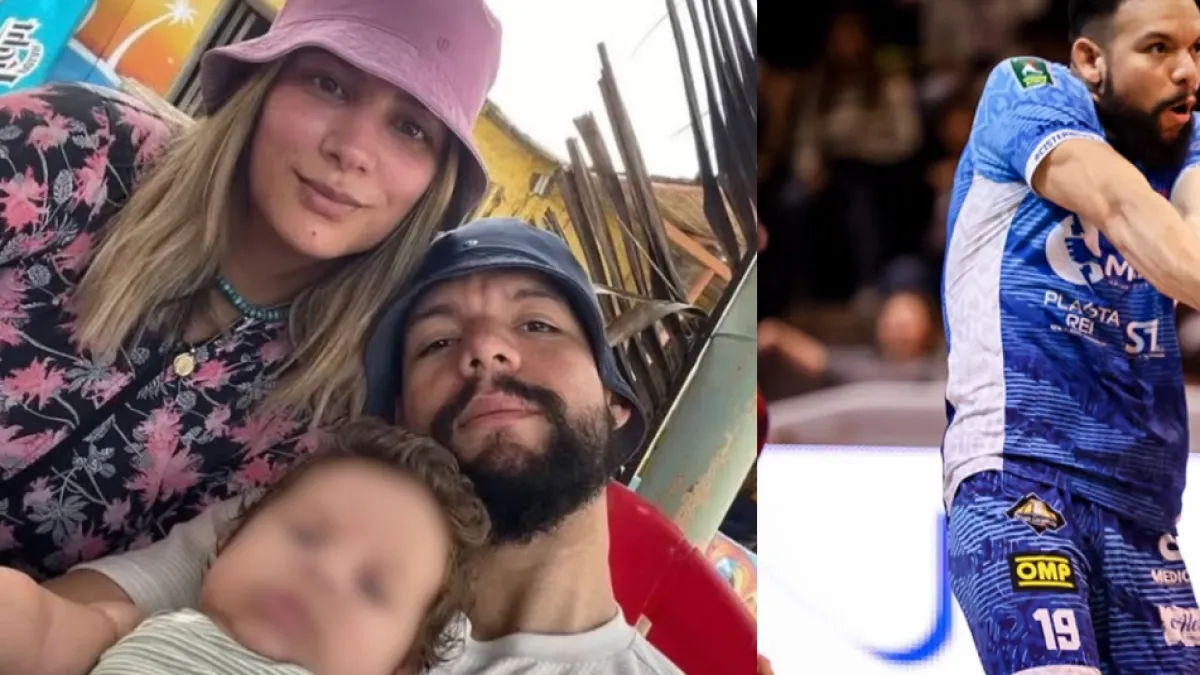
BBC News and Folha de S.Paulo both center the story of 12-year-old Fabiana (called Karina Blanco in Folha) surviving 32 hours on ketchup and cheese—a human interest angle emphasizing individual resilience. El Tiempo's coverage extends to notable deaths (actress Yorgelys Delgado, volleyball captain Willner Rivas) and a volunteer creating body bags, shifting focus toward community response and individual stories within the disaster.
Girl trapped in Venezuela quake survived on ketchup cheese
Building failures linked to Chávez-era construction program
Venezuela begins massive inspection phase of properties
Death toll rises to 3,535; government hasn't updated missing
The total number of missing persons remains officially unconfirmed, with the UN estimating up to 50,000 while the Venezuelan government has not updated its missing persons count.
TASS, People's Daily, and most Asian outlets provide no coverage of the Venezuela earthquake, and no source examines the role of Venezuelan diaspora communities in international rescue coordination.
BBC News uses a personal narrative of a 12-year-old girl who survived 32 hours trapped, framing the disaster through individual human consequence and emphasizing rescue operations.
Folha de S.Paulo leads with survivor personal testimony — the ketchup and cheese girl story — paired with structural critique of Chávez-era building failures as a foreseeable institutional disaster, integrating systemic inequality analysis.
El Tiempo covers Venezuela's property inspection 'traffic light' system, the deaths of celebrities and athletes including volleyball captain Willner Rivas, Colombian rescue team tributes, and body bag shortages — combining institutional and humanistic framing.
El Universal tracks the official death toll (3,535 dead, 16,740 injured) and notes the government has not updated missing persons figures — highlighting institutional opacity.
Japan Times provides a factual tally of deaths and displacement figures without structural critique, treating it as a humanitarian data story.
Straits Times reports the UN estimate of 50,000 potentially missing and frames the race to recover bodies ahead of cleanup as a logistics and governance challenge.
This page maps the coverage. The 17 articles below are the original reports the comparison is drawn from — open them for each publisher's full reporting.
BBC international correspondent Yogita Limayee meets 12-year-old Fabiana, who was trapped in Venezuela's devastating earthquakes.
Karina Blanco was about to start the spinning class she teaches when the earth started to shake. The tremors in La Guaira, Venezuela, were getting stronger and stronger, so she grabbed her bag and ran…
Authorities recalled that the inspections are free and urged those who, using the inspection, try to charge to be denounced.

The artist is remembered for her participation in programs such as 'El Club de los Tigritos' and 'Rugemanía'.

The official toll rose to 3,535 dead and 16,740 injured, while the authorities continue the work of recovering bodies in La Guaira.

The initiative arose after a call from a client who warned about the shortage of body bags in La Guaira.
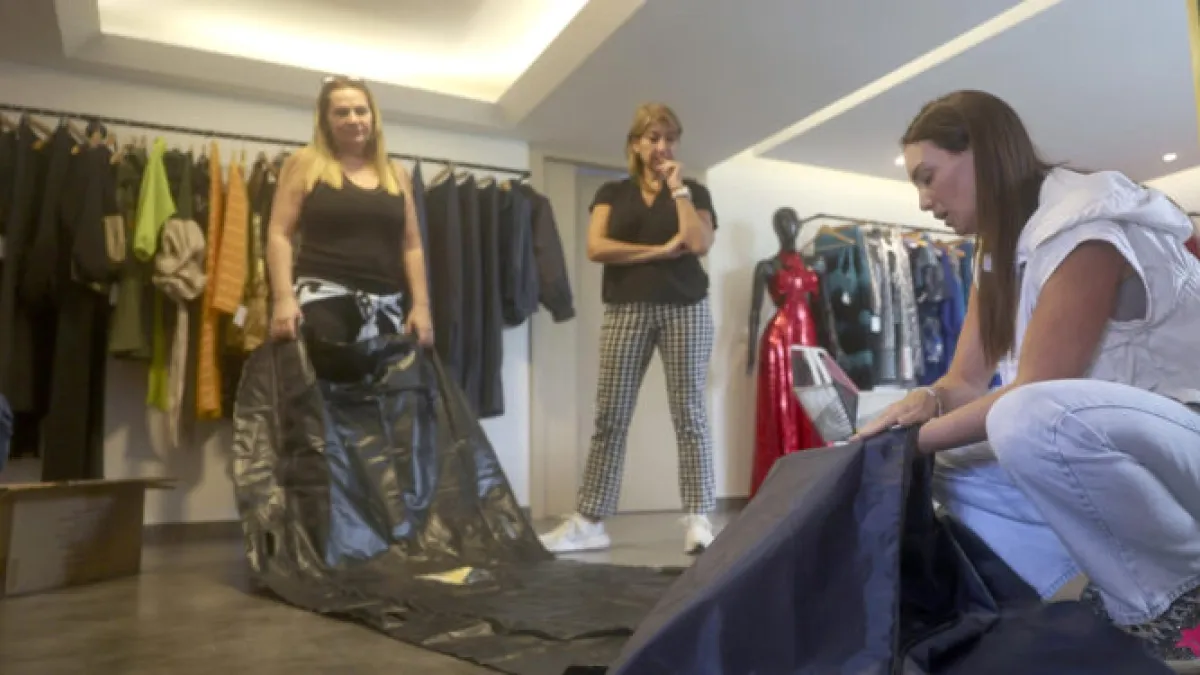
The government has not updated the number of missing people

The number of people killed by the earthquakes that hit Venezuela on June 24 rose, this Monday (6), to 3,535, according to a statement released by the Venezuelan dictatorship. Read more (06/07/2026 - 5:04 pm)
The UN has estimated that as many as 50,000 people could be missing in one of Latin America’s worst earthquake disasters.
The latest official tally showed 16,740 people injured and 17,854 left without housing after the June 24 quakes.
The earthquakes of June 24 are the deadliest in the last century in Venezuela. More than 17,345 people were also left homeless.
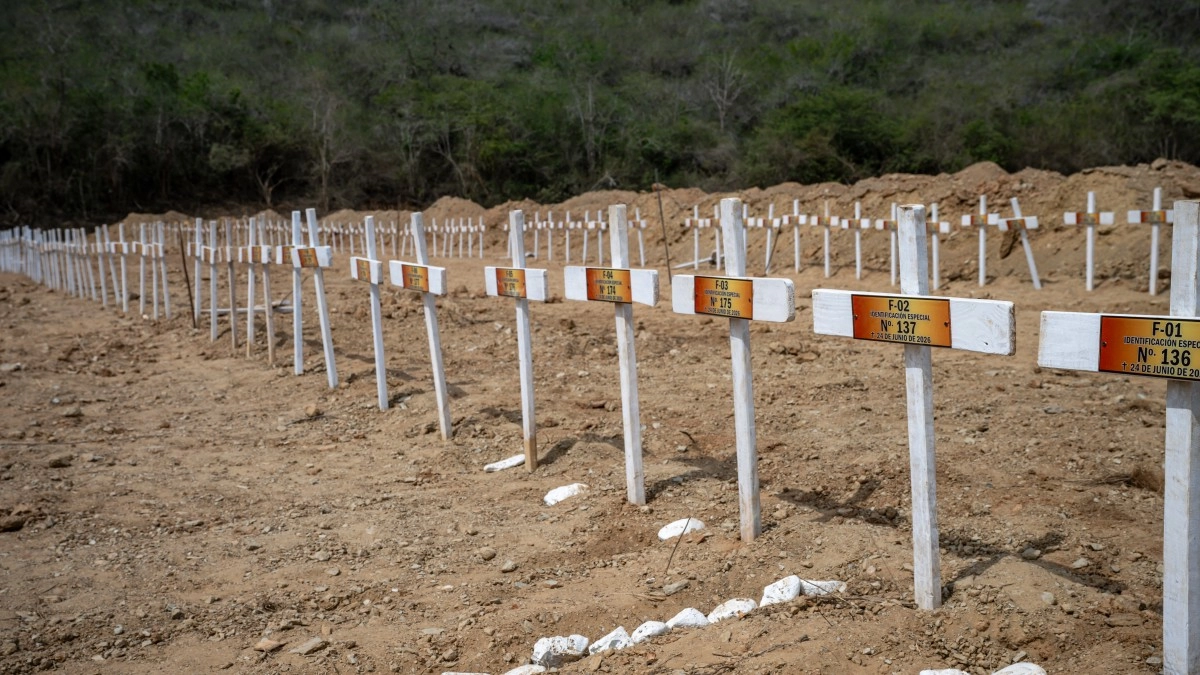
Despite the gradual withdrawal of international brigades, volunteers, firefighters, and Civil Protection personnel continue searching for bodies.
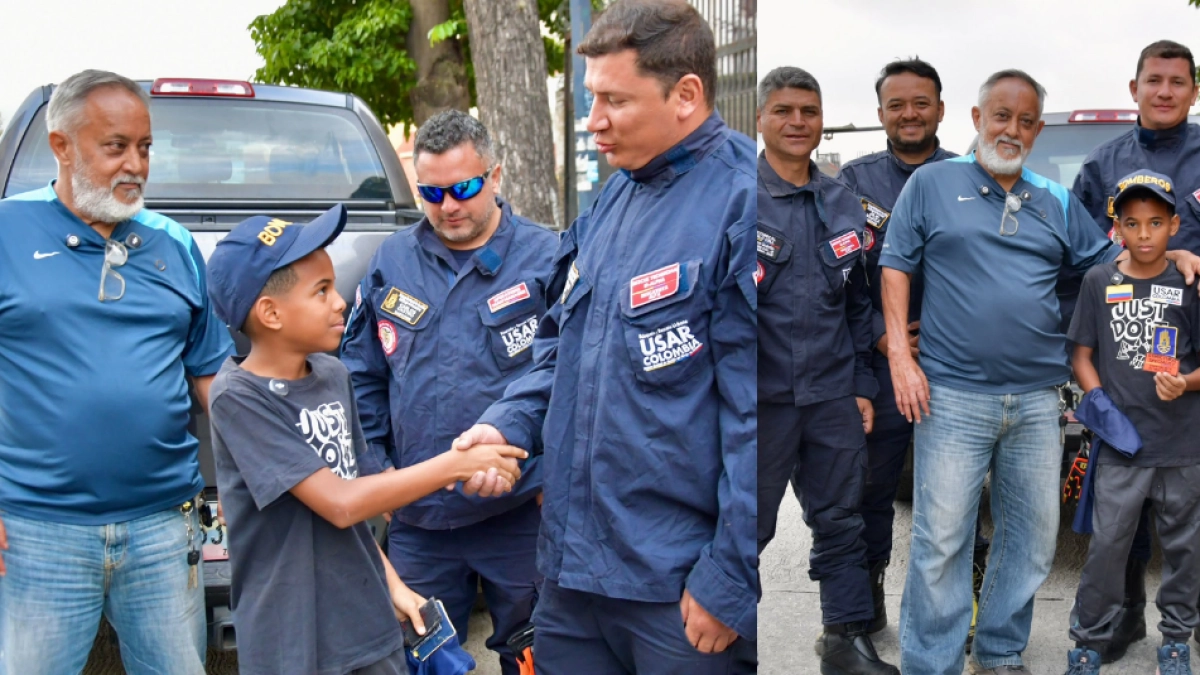
The minor and his father thanked the Colombian rescuers for the operation that allowed them to rescue him alive after two days under the rubble.
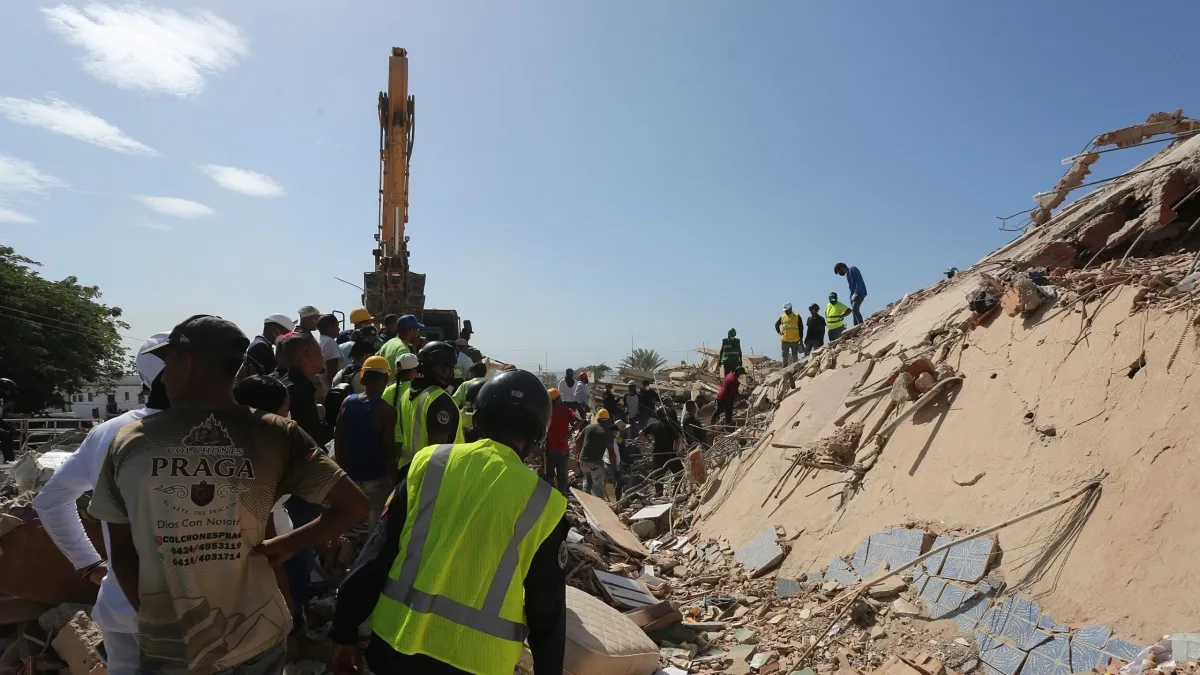
The Venezuelan Government estimates that more than 6,400 people have been rescued since the first hours of the double earthquake on June 24, which left almost 3,000 dead.
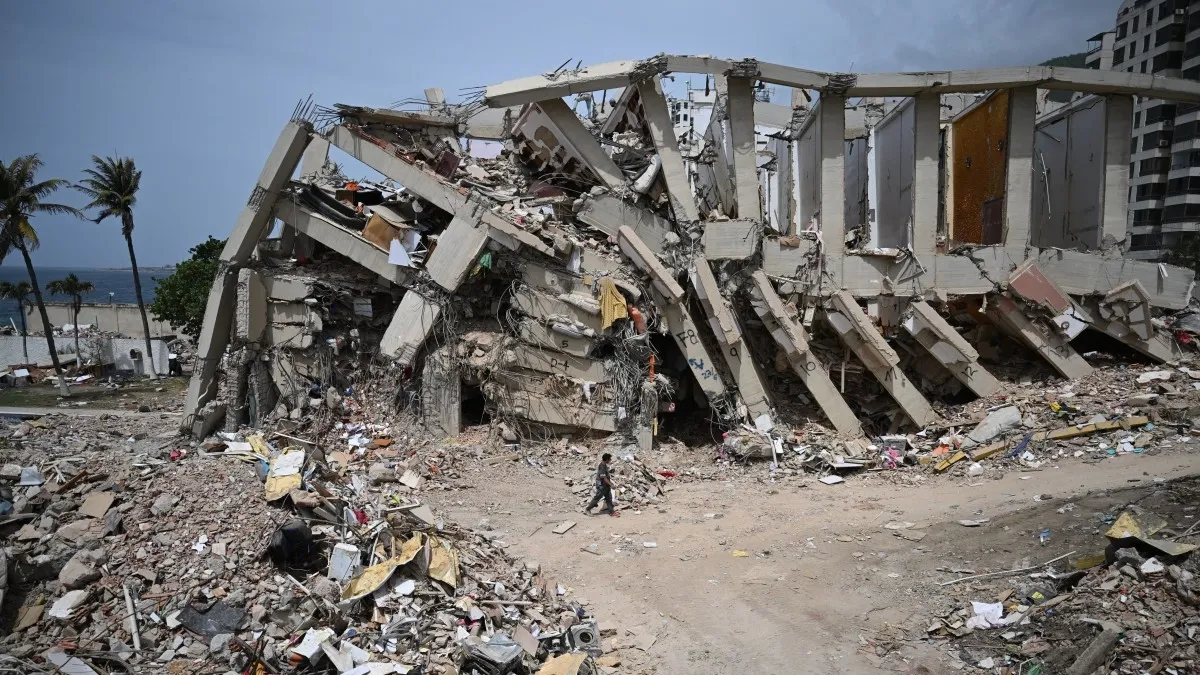
The towering skyscrapers between the mountain and the sea were built by the former president of Venezuela, Hugo Chávez, as a promise to shelter the poor with dignity. Read more (06/07/2026 - 23:00)
The government has not updated the number of missing people
The Spanish club CV Guaguas confirmed the death of the player, found under the rubble of his home in La Guaira along with his family.