The joint intervention is the first since 2011’s coordinated action to weaken the yen after the devastating earthquake in eastern Japan
How the world covered this
Read the editorial comparison
Prose synthesis of how each outlet framed the story, with side-by-side outlet quotes and divergence notes.
8 articles from 7 sources
01

02
Both countries have said that they will not hesitate to conduct joint interventions in the future.

03
Donald Trump affirme que les Etats-Unis sont intervenus pour soutenir le yen par « amitié » pour le Japon
The New York Federal Reserve orchestrated an unprecedented sale of euros to buy yen. In July, the Japanese currency recorded its lowest levels in almost forty years.


06
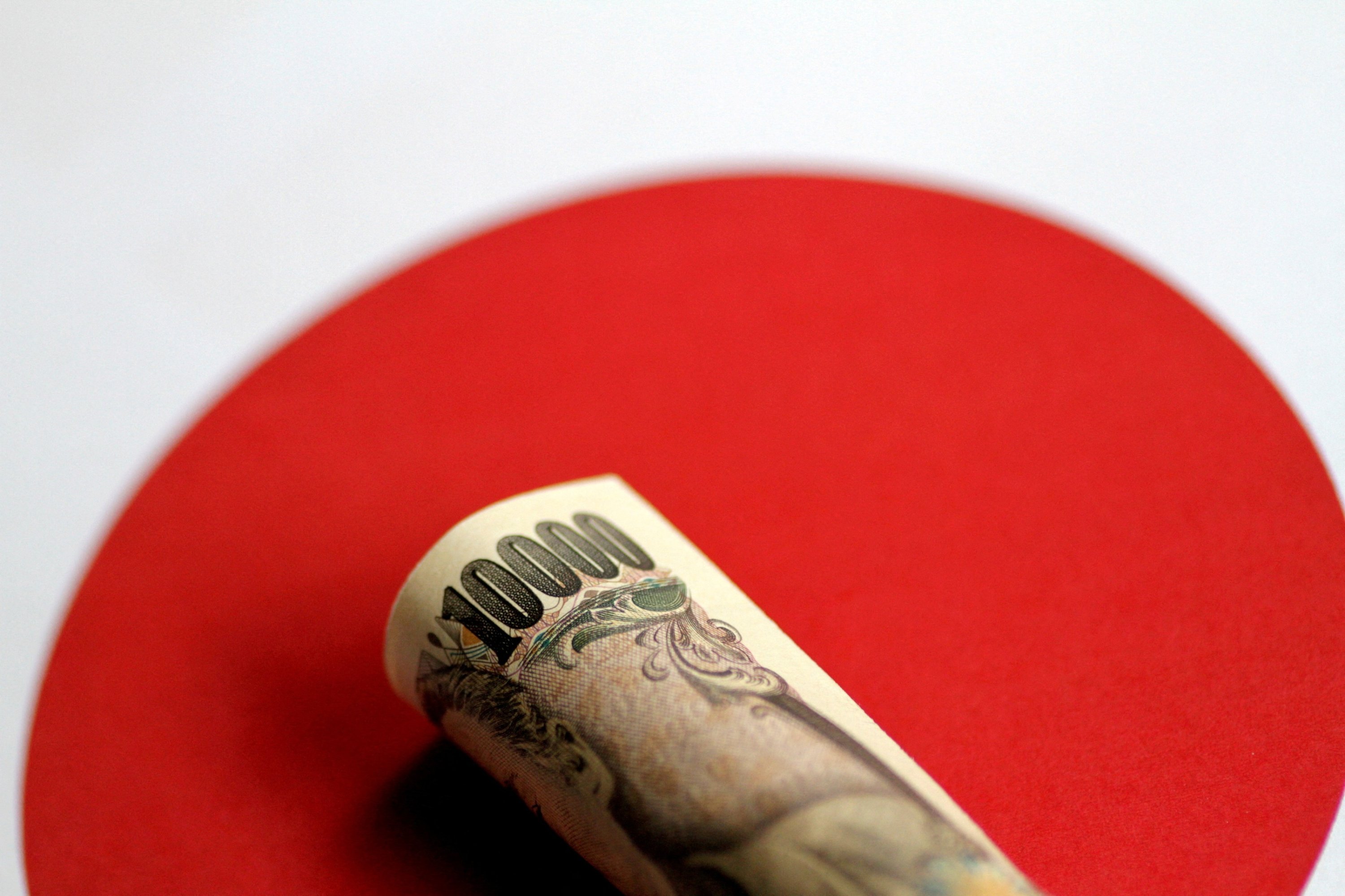
The U.S. and Japan are said to have jointly intervened to prop up the Japanese yen for the first time in nearly 30 years after the currency plunged to its weakest level in decades,...
07
After his remarks, the yen held a small loss against the dollar.
08
The US has stepped in to buy Japanese yen. Why?
AI read
What the coverage agrees on, and where it splits
This view is generated from the clustered articles, so it is best read as a map of coverage rather than a replacement for the source reporting.
Broadly agreed
- All covering sources confirm the US and Japan jointly intervened in currency markets to support the yen, confirmed by Japan and acknowledged by Trump.
- Sources agree this is the first US-Japan joint currency intervention since 2011.
- Trump characterized the action as motivated by 'friendship' with Japan, confirmed by multiple outlets.
Contested framing
- Le Monde and CNA emphasize the unprecedented mechanism (euro sales by the Fed); Daily Sabah frames it primarily as a response to yen weakness caused by Iran war energy shocks.
- CNA's Bessent coverage emphasizes institutional readiness for repeated intervention; BBC and BBC-adjacent framing treats it as a one-time significant policy shift.
Still unclear
The exact scale of the intervention — how many euros were sold and yen purchased — has not been publicly disclosed by the Fed or Treasury.
Notable omissions
The implications for the euro, which was sold to finance the yen purchase, receive minimal attention across all covering outlets; Chinese and Russian state outlets are entirely silent on the intervention's global currency implications.
Quality check
Read as significant but opaque: intervention scale and full policy framework not transparent.
- Intervention scale not publicly disclosed by Fed or Treasury
- Euro sales to finance yen purchase receive minimal coverage
- Contested framing on causation (Iran war energy shock vs currency weakness)
- Chinese and Russian outlets silent on currency implications
Review confidence: 75%
Signal strength
2/5
Narrative divergence
7
Sources compared
1
Days in coverage
How each outlet frames this story
Divergence
2/5
Narrative Divergence
How differently the sources covering this story frame it — measured by tone, emphasis, and what each outlet chooses to highlight or omit.
1 — Sources frame the story almost identically
2 — Minor differences in tone or emphasis
3 — Noticeable differences; some outlets highlight what others omit
4 — Stark contrasts; conflicting narratives
5 — Sources tell fundamentally different stories
Indian
The Hindu reports Japan confirmed the joint intervention and signaled readiness for more, noting it is the first coordinated action since 2011's post-earthquake intervention, emphasizing the historical significance.
British
BBC reports the US and Japan acted to prop up the yen in a 'rare joint move', with both countries saying they will not hesitate to intervene again, framing it as a significant policy commitment.
French
Le Monde reports Trump said the US intervened out of 'friendship' for Japan, noting the New York Fed orchestrated an unprecedented sale of euros to buy yen, and that in July the yen recorded its biggest monthly gain.
Singaporean
Straits Times reports Trump characterized the intervention as a 'signal of friendship', noting the yen held a small loss after his remarks, framing the currency market response with operational precision.
American
CNN frames the intervention as 'why' the US stepped in to buy yen, focusing on the policy rationale and market mechanics for a general audience.
Turkish
Daily Sabah covers the joint US-Japan action as reports of intervention for the first time in nearly 30 years, noting the yen's weakness after Iran war energy shocks.