Iran reports commercial vessel struck in Strait of Hormuz CNN
How the world covered this
Read the editorial comparison
Prose synthesis of how each outlet framed the story, with side-by-side outlet quotes and divergence notes.
24 articles from 12 sources
01
02
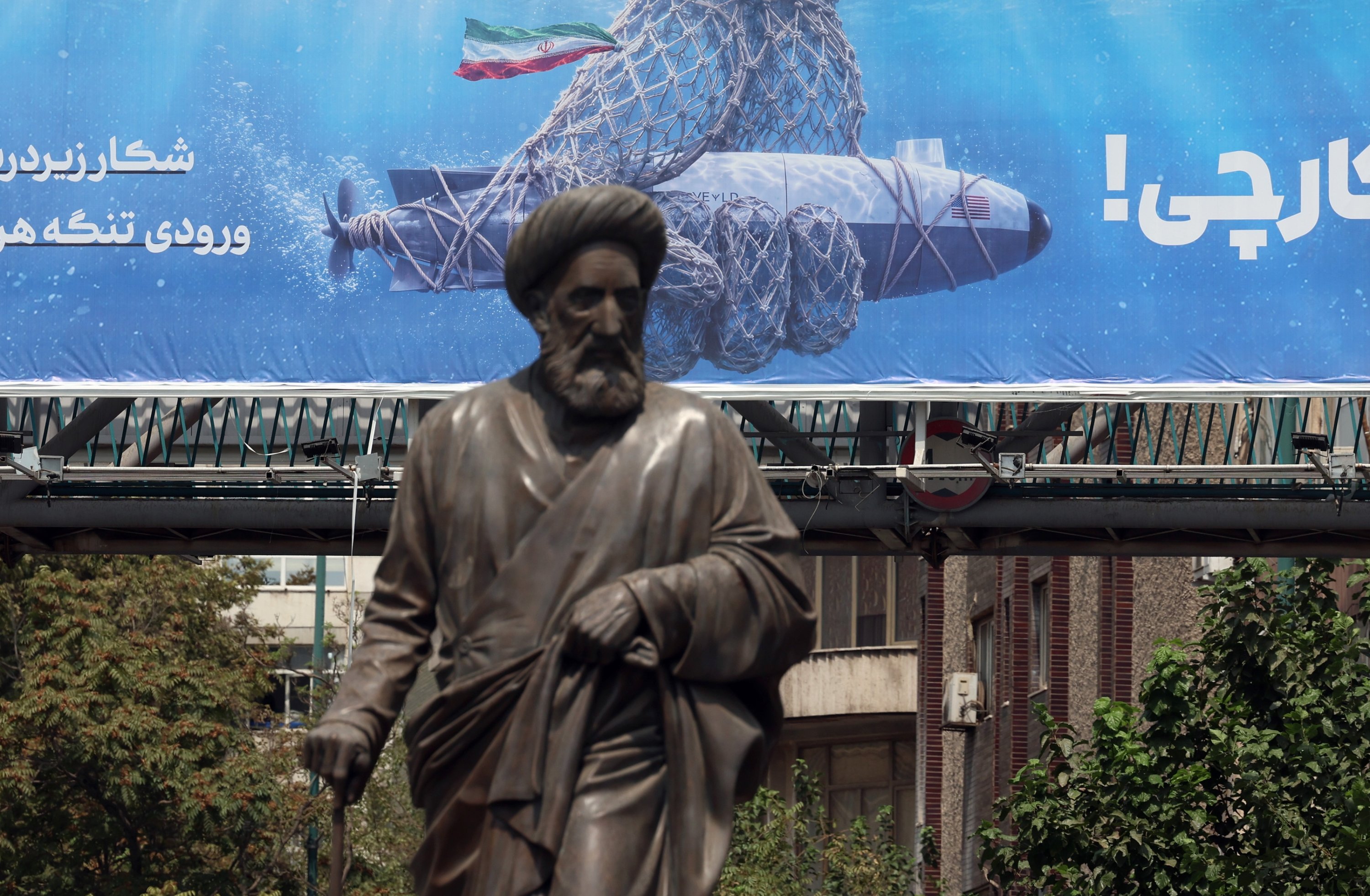
Tensions in the Strait of Hormuz climbed further Sunday when an Iranian cargo vessel was struck off Qeshm Island, killing one person and wounding four others, Iranian state media r...
03
تطوّر الصراع الإيراني الأمريكي في مضيق هرمز عبر محطات مفصلية ارتكزت على الأهمية الإستراتيجية للجزر والموانئ الجنوبية لإيران، وتجلت في حوادث فارقة كان أبرزها استهداف سفينة تجارية قبالة جزيرة قشم.
04
تتواصل تطورات الحرب بين إيران والولايات المتحدة وسط توتر في مضيق هرمز وتحركات دبلوماسية في مسقط، بالتزامن مع تصعيد إسرائيلي متجدد في جنوب لبنان.


08
The discussions are slated to run until Sept 16 in Houston.
09
The regional meeting scheduled for Sept 14 had been postponed “in the interests of consensus”.
10
Iran-Gulf talks without US participation on reopening the Strait of Hormuz postponed, Omani official says CNN
11
L’Iran avait annoncé cette réunion et déclaré que l’Irak et des pays du Golfe, sans préciser lesquels, y participeraient. Le détroit est au cœur du conflit entre Washington et Téhéran, qui verrouille depuis des mois…
12
The regional meeting to discuss possible agreements on the Strait of Hormuz was scheduled for September 14

13
Salta il vertice tra i paesi arabi e la repubblica islamica dopo la bocciatura degli Usa. In bilico il piano per la ripresa parziale del passaggio delle navi mercantili dal Golfo
14
Brent crude futures rose $3.62, or 3.46%, to $108.23 per barrel as of 2214 GMT (Sunday). WTI futures rose $3.15, or 3.15%, to $103.20 per barrel

15
A rischio le scorte di Riad con l’oleodotto diretto sul Mar Rosso ancora danneggiato: in gioco il 4% dell’offerta mondiale
16
O ataque ao principal oleoduto da Arábia Saudita e a tomada de controle, pelos houthis do Iêmen , da costa por onde passa o comércio do mar Vermelho ameaçam tirar 4% do suprimento global de petróleo . A situação agrava…


19
Winston Churchill famously praised the resilience of the British people during the Blitz, describing the nightly bombings of London as a “cruel, wanton, indiscriminate” attempt by Adolf Hitler to break the spirit of a…

20
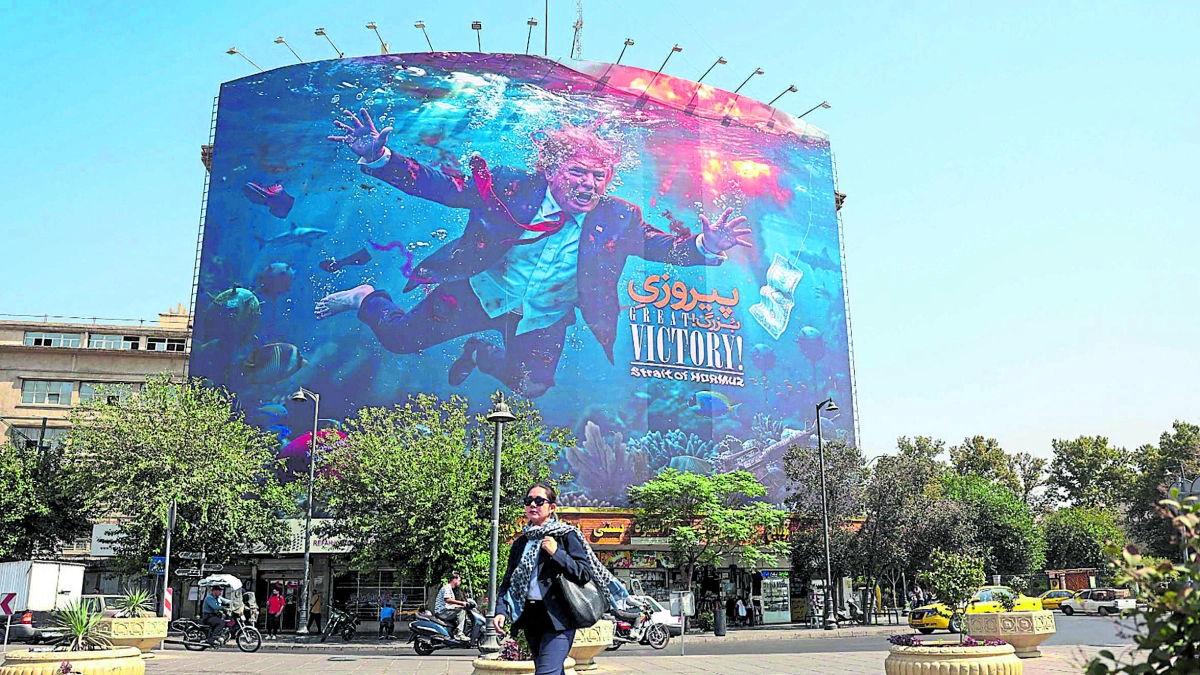
Lograr una salida requiere que China, el mayor socio comercial de Teherán, se involucre más en su resolución.
21
Trump says he doesn't care if Gulf states meet with Iran, again predicts war will end around midterms The Times of Israel
22
Trump declines Saudi crown prince’s call for US strikes on Houthis – report The Times of Israel
23
أجرى رئيس مجلس الوزراء وزير الخارجية القطري الشيخ محمد بن عبد الرحمن بن جاسم آل ثاني -الأحد- سلسلة اتصالات مع وزراء خارجية سلطنة عمان والكويت والسعودية والنمسا، تناولت مستجدات التصعيد في المنطقة.
24
تراهن إيران على بريكس لتقليص أثر العقوبات عبر بدائل مالية وتجارية أوسع، بالتوازي مع توظيفها سياسيا لمواجهة العزلة والضغط الأمريكي.
AI read
What the coverage agrees on, and where it splits
This view is generated from the clustered articles, so it is best read as a map of coverage rather than a replacement for the source reporting.
Broadly agreed
- All covering sources confirm oil prices surged above $108/barrel following new strikes on Saudi infrastructure and Hormuz tensions.
- All sources confirm the Iran-Gulf diplomatic meeting scheduled for September 14 was postponed, with Oman citing conditions not being right.
- Multiple sources confirm a Saudi pipeline attack caused Saudi Civil Defence to issue and then lift warnings in four cities.
Contested framing
- SCMP and Al Jazeera Arabic frame the conflict as a strategic overreach by the US and Israel preordained to fail; CNN frames it through Trump strategy accountability and military capability reporting.
- CNA and Straits Times emphasize supply-chain and energy security institutional vulnerability; Daily Sabah emphasizes Turkey's regional security architecture role and institutional military accountability.
- El Tiempo argues Chinese mediation is necessary; CNN reports Trump dismissed the China intelligence-sharing report and downplayed its significance, saying the US and China spy on each other mutually.
Still unclear
Whether the postponed Oman-hosted Iran-Gulf talks will be rescheduled, and whether Chinese entities' alleged provision of satellite intelligence to Iran will formally affect US-China relations ahead of Xi Jinping's planned White House visit.
Notable omissions
People's Daily and TASS provide no coverage of the Hormuz crisis or US-Iran hostilities; TASS omits any coverage of Iranian or Houthi military actions while covering Russian military operations extensively.
Quality check
Core facts are solid; read framing differences carefully, especially on US strategic intent and China's role.
- China satellite intelligence claim relies on single Trump dismissal statement; no independent verification provided.
- Oil price surge attribution conflates multiple causative factors (strikes, tensions, Houthi actions) without quantifying each impact.
- TASS/People's Daily omissions noted but don't invalidate consensus on core facts; use to signal source selection bias.
- Contested framing on US/Israel 'strategic overreach' assertion lacks supporting analytical detail beyond source attribution.
Review confidence: 72%
Signal strength
5/5
Narrative divergence
12
Sources compared
7
Days in coverage
→ stable
How each outlet frames this story
Divergence
5/5
Narrative Divergence
How differently the sources covering this story frame it — measured by tone, emphasis, and what each outlet chooses to highlight or omit.
1 — Sources frame the story almost identically
2 — Minor differences in tone or emphasis
3 — Noticeable differences; some outlets highlight what others omit
4 — Stark contrasts; conflicting narratives
5 — Sources tell fundamentally different stories
American
CNN frames the Hormuz standoff through Trump administration strategy and endgame accountability, emphasizing airman rescue narratives and Pentagon institutional performance; Hegseth's push to showcase the Iran rescue on '60 Minutes' framed as political media management.
Emirati
The National emphasizes Gulf strategic autonomy, noting Iran-Gulf talks were shelved by Oman, oil nearing $108 after Saudi pipeline attacks, and the Fed under pressure from oil-driven inflation, without aligning with Western military framing.
Qatari
Al Jazeera Arabic analyzes the strategic significance of US targeting of Iranian ports and islands in Hormuz, covering the postponement of the Muscat meeting and Iranian live coverage of developments, with diplomatic de-escalation given prominence.
Indian
The Hindu reports oil prices jumping over $3 after new strikes on Saudi Arabia and the Strait, with factual supply-impact framing; also notes Saudi Civil Defence lifting danger warnings in four cities.
Singaporean
Straits Times analyzes the G-20 'energy abundance' talks in Houston as a supply-chain institutional response to the Iran war shock, emphasizing logistical and energy infrastructure disruption.
Italian
La Repubblica frames the Saudi pipeline attack as an alarm for global oil supply, noting 4% of world supply is at risk with the Red Sea pipeline still damaged.
French
Le Monde covers the postponement of the Iran-Gulf meeting and Trump's dismissive 'I don't care' statement, framing it through diplomatic failure and institutional process breakdown.
Turkish
Daily Sabah frames the Hormuz strike and Houthi advances as further escalation of the Mideast war, with institutional military accountability emphasis and regional security architecture analysis.
Colombian
El Tiempo argues China's deeper involvement is necessary to end the US-Iran war, framing it as a geopolitical resolution requiring multilateral institutional engagement.
Israeli
Times of Israel covers Trump's prediction the war will end around midterms and his indifference to Gulf-Iran meetings, alongside reporting on downed F-15 airmen pushed to appear on '60 Minutes'.
Chinese
SCMP frames the Hormuz crisis as preordained failure of US-Israeli bombing strategy, analyzing structural institutional vulnerability over military capability with historical Blitz comparison.
Framing shifts since last cycle
Chinese
Shifted from supply-chain vulnerability analysis to military strategy failure analysis; changed from structural framing to predictive/outcome-focused framing.
Emirati
Moved from internal regional economic reckoning to external pressure dynamics (Fed inflation, oil markets); now frames Gulf agency through omission of Western alignment rather than active choice.
Israeli
Pivoted from security anxiety and escalation tracking to political timeline predictions and media narratives; de-emphasized Iran threat assessment for Trump's war-end predictions.
Qatari
Shifted from geopolitical escalation scenario analysis as primary frame to diplomatic de-escalation as prominent frame; elevated Muscat meeting postponement significance.
Turkish
Moved from long-term institutional consequences comparison (Ukraine analogy) to immediate regional military escalation tracking; changed analytical horizon from systemic to tactical.