The US president says a "great settlement" to end the conflict has been reached. Iran says reports of a deal are "speculative".
How the world covered this
Read the editorial comparison
Prose synthesis of how each outlet framed the story, with side-by-side outlet quotes and divergence notes.
52 articles from 15 sources
01

02
The BBC's Gary O'Donoghue looks at the US president's mixed messaging over the war and the questions it raises.

03
Iran said it had not reached a final decision on a deal with Washington after U.S. President Donald Trump announced a "great settlement" to end the war
04
Iranian media reported Foreign Ministry spokesperson Esmaeil Baghaei as saying large parts of the agreement have been finalized, but Iran would not compromise on its red lines

05
The Tasnim news agency noted that Mr. Trump had announced a deal was imminent 38 times in the previous two months.

06
Earlier in the day, Mr. Trump had written in another post that he would continue striking Iran after both sides exchanged fire for two consecutive nights.

07
"Attempts to kill, kidnap, harass, intimidate, or otherwise attack people on our soil, undermines national sovereignty and international norms. These actions must stop immediately," the countries said in a joint…

08
External Affairs Ministry says ‘deeply worried’ by attacks but blames conflict in the region; Congress asks Prime Minister Modi to take responsibility while CPI(M) urges strong condemnation by government

09
The US carries out strikes on military targets in southern Iran. Tehran responds by targeting US military assets in Kuwait, Bahrain and Jordan.

10
The US vice-president says the Israeli leader "aggressively asserts" his country's interests, but they do not always align with those of the US.

11
Bases across Iran have been hit by US strikes, with experts identifying damage to jets and warships.

12
Hopes of a breakthrough between Iran and the United States rose sharply Friday after President Donald Trump said a deal to end the war could be signed within days, even as Tehran p...
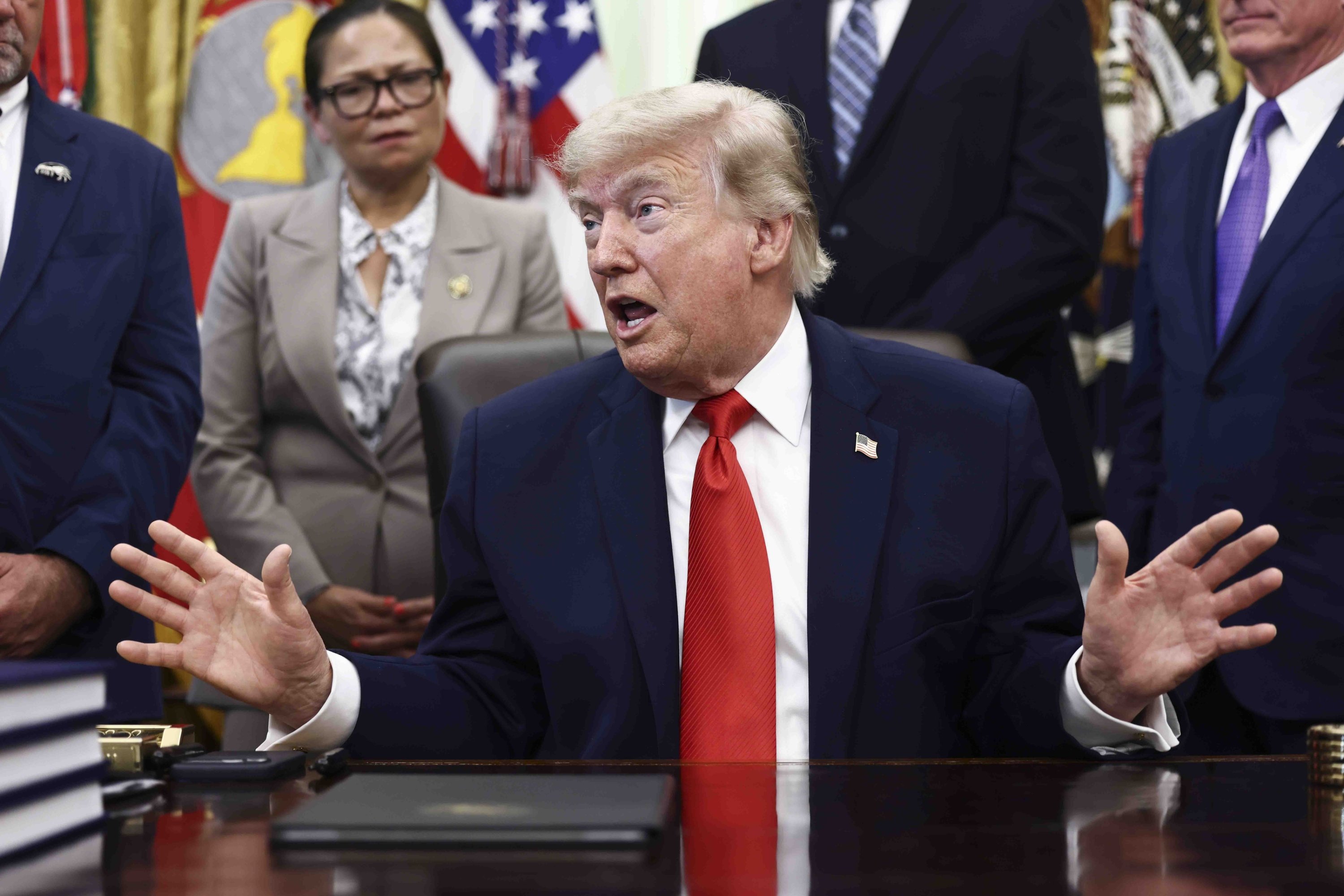
13
President Donald Trump on Thursday said the United States and Iran could sign a peace deal as soon as this weekend that would reopen the Strait of Hormuz to shipping, but Iran co...
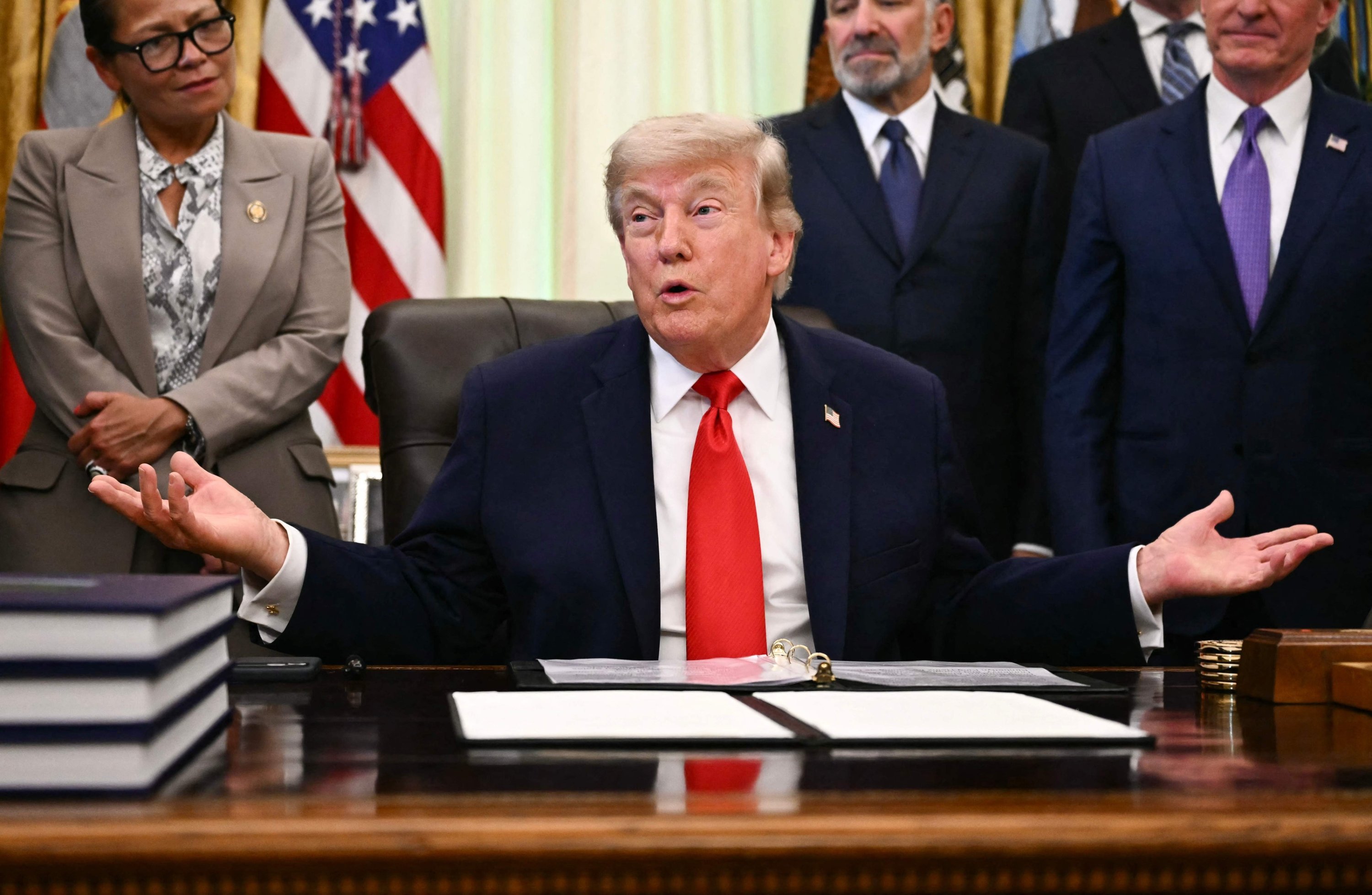
14
U.S. President Donald Trump called off plans for renewed military strikes on Iran at the last minute on Thursday, and flagged the signing of a possible deal with Tehran after high...
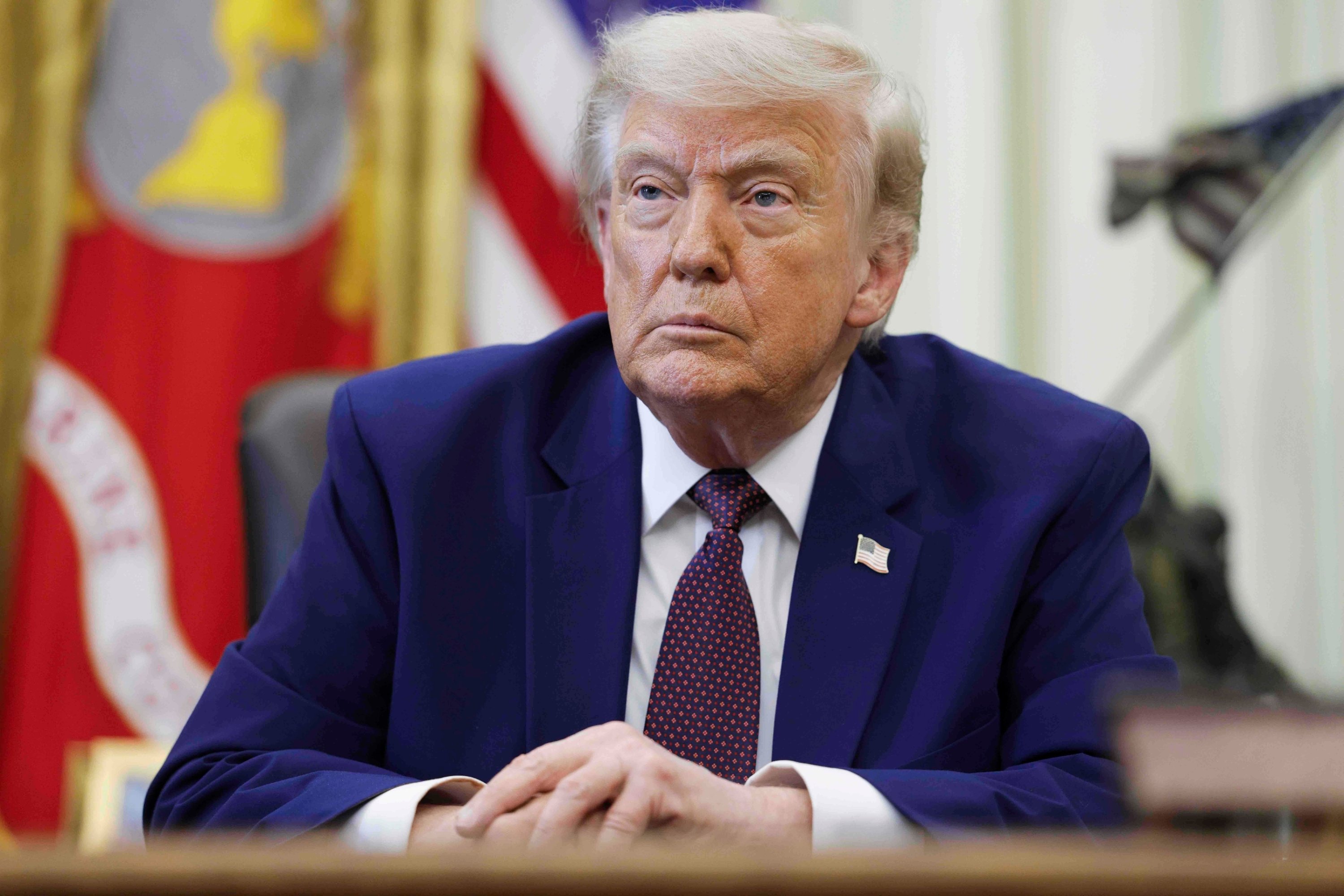
15
U.S. President Donald Trump vowed Thursday to launch new strikes on Iran and said the U.S.
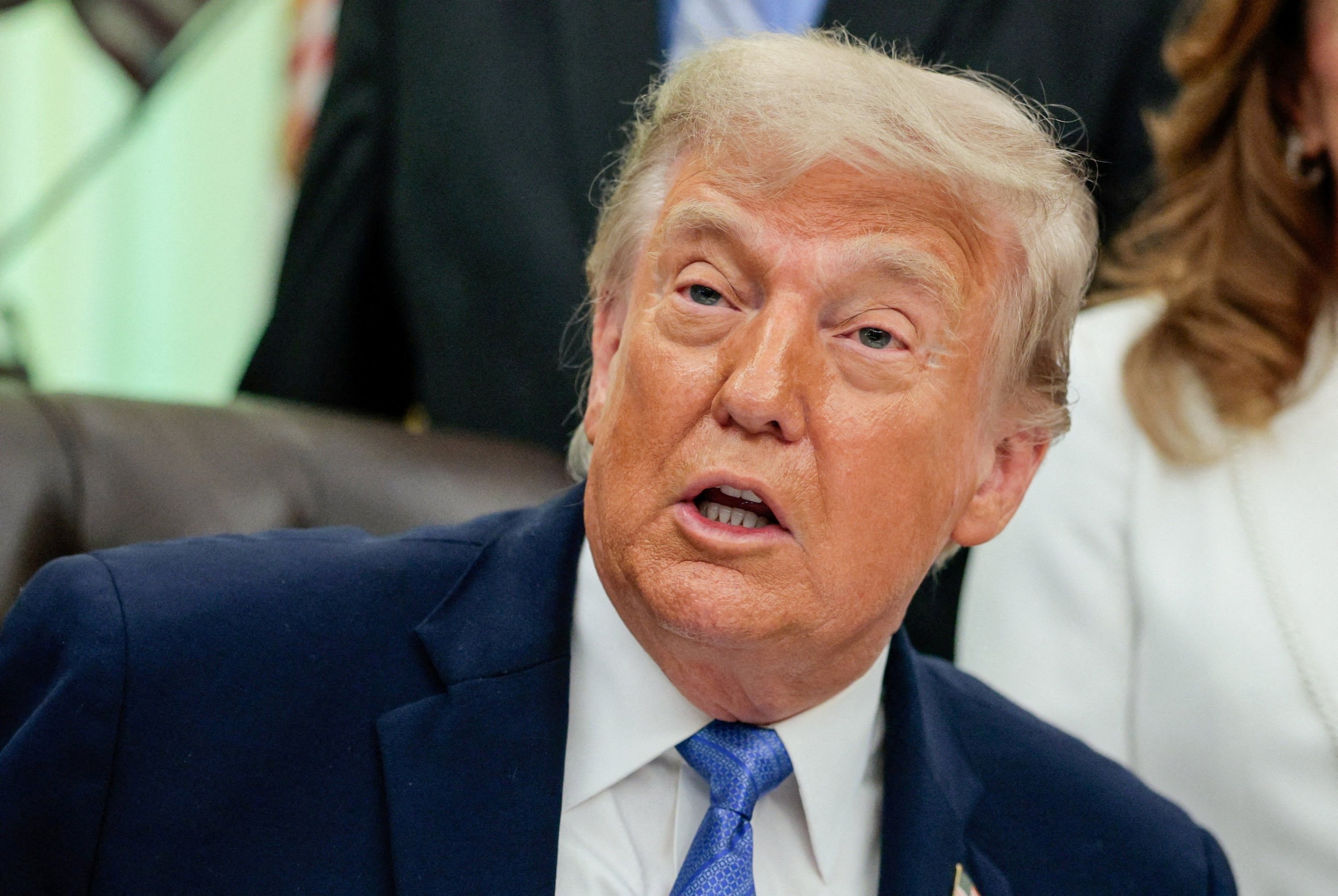
16
Iran said Thursday that the fragile Middle East cease-fire had become 'practically meaningless' after renewed U.S. strikes and Iranian retaliation, further straining diplomatic eff...
17
Hours after promising to hit Iran "very hard," US President Trump has said he canceled the attacks, but added a naval blockade would remain in place.
18
The Iran war and the country's change of leadership are reshaping Iran's power structure. Analysts say the Revolutionary Guard is emerging as the dominant force, weakening the system's clerical foundations.
19
Cairo faces criticism from its Gulf allies that support against Iran has been lacking. But Egypt's priority is to shield its fragile economy from the fallout of a widening conflict.
20
US president says agreement close as Strait of Hormuz tensions linger

21
As the US-Iran ceasefire appears to crumble, pressure will increase on Ireland’s national reserve

22
La mediazione del Qatar e l’apertura di Teheran resta il nodo del nucleare
On the table is a one-page memorandum with a 60-day truce to negotiate on uranium. Swiss hypothesis for the final handshake
23
Haass: “Sarebbe una finta pace la guerra ha peggiorato le cose”
For the president emeritus of the Council on Foreign Relations, a possible agreement "will not lead to a lasting ceasefire"
24
Netanyhau colto di sorpresa dall’accordo di Trump con l’Iran: “Ma non siamo parte in causa”
The Israeli prime minister, fearful of being forced to stop the offensive in Lebanon, congratulates his ally but tries to slip away
25
La guerra Usa senza pianificazione lascia la regione ostaggio alle prove di forza dei nuovi pasdaran
The White House has not achieved the results it had hoped for while Iran's new leaders emerge from the conflict strengthened
26
Prima le minacce di escalation poi Trump annuncia l’accordo: “A breve la firma in Europa”
The president of the United States: "I have spoken with all the leaders of the region, we have an agreement, Iran will not have the atomic bomb and Hormuz will reopen." Then he hypothesizes that the negotiations will be closed as early as the weekend: “There will be…
27
The rapid escalation in hostilities between Iran and the US-Israel alliance since Sunday is being driven by Tehran’s growing confidence that it can arise like a mythical phoenix from the ashes of war, strategically…

28
US President Donald Trump said on Thursday he had cancelled planned military strikes against Iran after negotiations with Tehran reached what he described as the highest levels of the Iranian leadership and received…

29
DUBAI/WASHINGTON, June 12 - Hopes grew on Friday for peace between Iran and the United States after President Donald Trump said a deal could be signed as soon as this weekend, even as Tehran said it had not made a final…
30
One senior administration official described the Iranian system as frustratingly slow and opaque.
31
Kharg island handles the vast majority of the country’s oil exports.


35
イラン側 米合意は最終決定至らず
36
米 イラン協議受け攻撃中止と表明
37
米軍 イランへの新たな攻撃を終了
38
イラン ホルムズ海峡封鎖を宣言
39
Irán anunció que cierra 'por completo' el estrecho de Ormuz tras explosiones en el sur del país por ataques de Estados Unidos: continúa la ofensiva
Trump had earlier accused Iran of having 'taken too long' to negotiate an agreement, for which it will have to 'pay the price'.

40
Máxima tensión en el estrecho de Ormuz: Estados Unidos bombardea múltiples objetivos en Irán por orden de Trump
In response, Tehran announced the closure of the Strait of Hormuz 'completely'. Oil prices rose again on Wednesday.
41
Irán responde a Donald Trump con ataques a bases militares de Estados Unidos en Kuwait y Baréin e impacta radares de la Quinta Flota
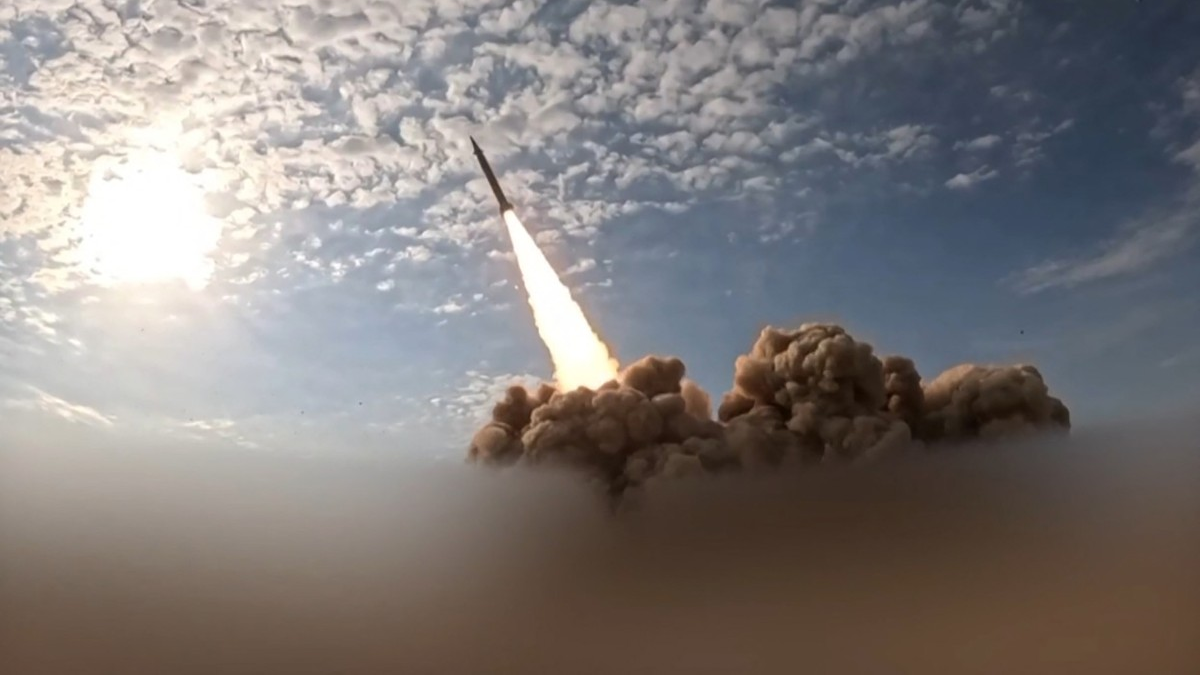
The US Army launched new attacks this Wednesday against 'multiple targets' in Iran, despite the fact that they are debating a peace agreement.
42
イラン 戦闘再開への懸念広がる
43
米軍 ヘリ撃墜への報復攻撃を終了
44
EN DIRECT, guerre au Moyen-Orient : les Etats-Unis ont à nouveau attaqué l’Iran, qui a riposté en tirant des missiles en Jordanie, au Koweït et à Bahreïn
American forces say they targeted “several military targets” in Iran overnight. Iran's Revolutionary Guards claim to have fired ballistic missiles, including at a…
45
Trump says Americans may not back capturing Iran’s Kharg Island The Times of Israel
46
All issues including West Asia will be discussed when PM Modi meets President Macron, says MEA's Secretary (West) Sibi George

47
How to judge Trump’s claims he’s ended the Iran war CNN
48
Presidente de Estados Unidos, Donald Trump, asegura que 'la guerra con Irán terminó', pero Teherán no confirma un acuerdo
The president said this Thursday at the White House that he had reached a 'great peace agreement' with Iran.

49
Irán desmiente a Donald Trump y asegura que todavía no tiene una 'conclusión final' sobre un acuerdo de paz con Estados Unidos
The Iranian spokesman recalled that the Islamic Republic is not willing to give in on its "red lines."

50
Donald Trump cancela los ataques previstos contra Irán y afirma que se logró un acuerdo con 'todas las partes implicadas'
However, Fars, citing an anonymous source close to the Iranian negotiating team, claimed that Tehran has not yet approved an agreement.

51
BAHRAIN: A damaged building and vehicle are seen in the aftermath of Iranian drone attacks.—Reuters • Announcement comes after US calls off Iran attacks • Oil drops after Washington backs down • IRGC strikes Bahrain,…
52
Republican Congressman Rob Wittman on Thursday called the US killing of three Indian sailors off the coast of Oman “a very, very unfortunate incident”, claiming that the US military is trying to “determine exactly what…

AI read
What the coverage agrees on, and where it splits
This view is generated from the clustered articles, so it is best read as a map of coverage rather than a replacement for the source reporting.
Broadly agreed
- All covering sources confirm that Trump announced a 'great settlement' or deal while Iran's Foreign Ministry simultaneously stated no final decision had been made.
- Sources across regions agree the Strait of Hormuz closure has had measurable economic consequences, including oil price movements and the ECB's rate hike decision.
- Multiple sources confirm US forces shot down Iranian drones and struck multiple Iranian military targets, while Iran struck US bases in Kuwait and Bahrain.
Contested framing
- BBC and CNN frame Trump's deal claims as internally contradictory and potentially self-deceptive; La Repubblica's expert calls any agreement a 'fake peace'; Folha and El Tiempo treat it as US executive accountability failure — while Daily Sabah and The National treat the deal hopes as a genuine diplomatic breakthrough.
- TASS frames NATO as recognising it is not in conflict with Russia (a separate but parallel narrative of Western institutional limits), while Western outlets focus on Iran deal fragility without connecting it to NATO reductions.
- The Hindu and SCMP emphasise the US-Israel rift exposed by the Iran negotiations; Times of Israel confirms Netanyahu was caught off-guard; but Emirati and Turkish outlets treat the deal as a Gulf-collective strategic opportunity.
Still unclear
Whether a binding agreement has actually been reached, what specific terms were agreed, and whether Iran's leadership has formally approved any deal remains unconfirmed across all available summaries.
Notable omissions
State-aligned outlets People's Daily and TASS largely avoid substantive analysis of the military exchange; People's Daily is entirely absent from this coverage while TASS limits itself to domestic air-defence reporting, omitting Iranian or US perspectives on deal prospects.
Quality check
Read with high caution: core claim about deal status is contradicted by Iran's own statements; editorial framing varies sharply by outlet ideology.
- Core factual claim—whether binding agreement exists—remains unconfirmed across all sources
- Deal framing contradicts official Iranian statements; Trump's repeated claims lack verification
- State-aligned outlets (TASS, People's Daily) largely absent from coverage, limiting geopolitical perspective
- NATO-Russia framing disconnect suggests incomplete picture of escalation dynamics
Review confidence: 60%
Signal strength
5/5
Narrative divergence
15
Sources compared
1
Days in coverage
How each outlet frames this story
Divergence
5/5
Narrative Divergence
How differently the sources covering this story frame it — measured by tone, emphasis, and what each outlet chooses to highlight or omit.
1 — Sources frame the story almost identically
2 — Minor differences in tone or emphasis
3 — Noticeable differences; some outlets highlight what others omit
4 — Stark contrasts; conflicting narratives
5 — Sources tell fundamentally different stories
British
BBC focuses on institutional decision-making contradictions in Trump's messaging — alternating threats and claims of a deal — and scrutinises the credibility of both sides' statements, noting Iran has said nothing is finalised while Trump claims a 'great settlement'.
American
CNN frames Trump's Iran claims as self-deception and institutional credibility failure, questioning whether his deal announcements reflect reality or political performance, and covering domestic US opposition to his national security appointments.
French
Le Monde covers the US-Iran situation through a live war-in-the-Middle-East lens, reporting US strikes, Iranian missile responses into Jordan, Kuwait and Bahrain, and Qatar's mediation role with a nuclear memorandum on the table.
Indian
The Hindu emphasises India's strategic position — the death of three Indian sailors in a US strike near Oman, India summoning the US envoy, and French sources indicating India may be invited to join a Strait of Hormuz security initiative alongside PM Modi's talks with Macron.
German
Deutsche Welle frames the conflict through institutional endurance: Trump cancels strikes after deal progress, the ECB hikes rates in direct response to the Iran war's energy price shock, and analysts examine Iran's shifting power structure toward the Revolutionary Guard.
Turkish
Daily Sabah positions Turkey as a regional stability actor, covers Trump's near-deal claims against Tehran's rejection of finality, and frames the ECB rate hike as a direct institutional consequence of the Iran energy shock.
Italian
La Repubblica reports Trump's deal announcement with the caveat that Netanyahu was caught by surprise and is trying to distance Israel from any agreement, and publishes an expert assessment that it would be a 'fake peace'.
Singaporean
Straits Times frames the situation as a complex peace process slowed by Iranian bureaucratic opacity, and separately reports US plans to cut fighter jets and warships for NATO Europe, reading the conflict through supply-chain and alliance logistics implications.
Emirati
The National provides detailed inside-reporting on what is known about the 'great settlement', profiles Iran's ultraconservative war faction, condemns Iranian attacks on Kuwait, and covers the tanker panic off Oman.
Israeli
Times of Israel reports Trump's public doubts about American appetite for seizing Kharg Island and covers Israeli concern about being excluded from or undermined by US-Iran negotiations.
Japanese
Yahoo Japan covers the deal-not-finalised angle and the US suspension of attacks following Iran talks, treating the conflict as a supply disruption problem affecting Japanese energy security.
Irish
Irish Times frames the Strait of Hormuz tensions through Ireland's domestic oil supply vulnerability, questioning whether national reserves are adequate if the ceasefire collapses.
Colombian
El Tiempo covers the Iran war primarily as a test of US executive institutional accountability, reporting Trump's deal claims, Iran's denials, and the escalation sequence including Strait of Hormuz closure.
Chinese
SCMP analyses Iran's 'unity of theatres' strategy as exposing a US-Israel rift, treating the conflict through structural vulnerability and maritime security institutional framing.
Pakistani
Dawn reports Trump's 'great' Iran deal announcement against the backdrop of Iranian drone attacks on a damaged Bahrain building, treating the story through regional security consequences.