Trump claims deal to end Iran war near as Tehran says 'nothing' finalised
The US president says a "great settlement" to end the conflict has been reached. Iran says reports of a deal are "speculative".

An active US-Iran military conflict involving strikes across the Middle East is teetering between escalation and a negotiated settlement, with the Strait of Hormuz closure threatening global energy supplies...
BBC News leads with Trump's "great settlement" claim juxtaposed against Tehran's denial that anything is finalized, then unpacks his "flip flop" strategy through Gary O'Donoghue's analysis of mixed messaging. The Hindu similarly documents Trump's repeated false announcements (38 times in two months) while reporting Iranian operational contingency and ongoing military exchanges, emphasizing the disconnect between presidential rhetoric and ground reality.
Daily Sabah and The National, by contrast, frame the deal hopes as a genuine diplomatic breakthrough with strategic potential for regional powers. Meanwhile, TASS frames NATO recognition of non-conflict with Russia as a parallel institutional limit, a narrative absent from Western outlets focused solely on Iran deal fragility.
Whether a binding agreement has actually been reached, what specific terms were agreed, and whether Iran's leadership has formally approved any deal remains unconfirmed across all available summaries.
State-aligned outlets People's Daily and TASS largely avoid substantive analysis of the military exchange; People's Daily is entirely absent from this coverage while TASS limits itself to domestic air-defence reporting, omitting Iranian or US perspectives on deal prospects.
BBC focuses on institutional decision-making contradictions in Trump's messaging — alternating threats and claims of a deal — and scrutinises the credibility of both sides' statements, noting Iran has said nothing is finalised while Trump claims a 'great settlement'.
CNN frames Trump's Iran claims as self-deception and institutional credibility failure, questioning whether his deal announcements reflect reality or political performance, and covering domestic US opposition to his national security appointments.
Le Monde covers the US-Iran situation through a live war-in-the-Middle-East lens, reporting US strikes, Iranian missile responses into Jordan, Kuwait and Bahrain, and Qatar's mediation role with a nuclear memorandum on the table.
The Hindu emphasises India's strategic position — the death of three Indian sailors in a US strike near Oman, India summoning the US envoy, and French sources indicating India may be invited to join a Strait of Hormuz security initiative alongside PM Modi's talks with Macron.
Deutsche Welle frames the conflict through institutional endurance: Trump cancels strikes after deal progress, the ECB hikes rates in direct response to the Iran war's energy price shock, and analysts examine Iran's shifting power structure toward the Revolutionary Guard.
Daily Sabah positions Turkey as a regional stability actor, covers Trump's near-deal claims against Tehran's rejection of finality, and frames the ECB rate hike as a direct institutional consequence of the Iran energy shock.
La Repubblica reports Trump's deal announcement with the caveat that Netanyahu was caught by surprise and is trying to distance Israel from any agreement, and publishes an expert assessment that it would be a 'fake peace'.
Straits Times frames the situation as a complex peace process slowed by Iranian bureaucratic opacity, and separately reports US plans to cut fighter jets and warships for NATO Europe, reading the conflict through supply-chain and alliance logistics implications.
The National provides detailed inside-reporting on what is known about the 'great settlement', profiles Iran's ultraconservative war faction, condemns Iranian attacks on Kuwait, and covers the tanker panic off Oman.
Times of Israel reports Trump's public doubts about American appetite for seizing Kharg Island and covers Israeli concern about being excluded from or undermined by US-Iran negotiations.
Yahoo Japan covers the deal-not-finalised angle and the US suspension of attacks following Iran talks, treating the conflict as a supply disruption problem affecting Japanese energy security.
Irish Times frames the Strait of Hormuz tensions through Ireland's domestic oil supply vulnerability, questioning whether national reserves are adequate if the ceasefire collapses.
El Tiempo covers the Iran war primarily as a test of US executive institutional accountability, reporting Trump's deal claims, Iran's denials, and the escalation sequence including Strait of Hormuz closure.
SCMP analyses Iran's 'unity of theatres' strategy as exposing a US-Israel rift, treating the conflict through structural vulnerability and maritime security institutional framing.
Dawn reports Trump's 'great' Iran deal announcement against the backdrop of Iranian drone attacks on a damaged Bahrain building, treating the story through regional security consequences.
This page maps the coverage. The 52 articles below are the original reports the comparison is drawn from — open them for each publisher's full reporting.
The US president says a "great settlement" to end the conflict has been reached. Iran says reports of a deal are "speculative".
The BBC's Gary O'Donoghue looks at the US president's mixed messaging over the war and the questions it raises.

Iran said it had not reached a final decision on a deal with Washington after U.S. President Donald Trump announced a "great settlement" to end the war
Iranian media reported Foreign Ministry spokesperson Esmaeil Baghaei as saying large parts of the agreement have been finalized, but Iran would not compromise on its red lines

The Tasnim news agency noted that Mr. Trump had announced a deal was imminent 38 times in the previous two months.

Earlier in the day, Mr. Trump had written in another post that he would continue striking Iran after both sides exchanged fire for two consecutive nights.

"Attempts to kill, kidnap, harass, intimidate, or otherwise attack people on our soil, undermines national sovereignty and international norms. These actions must stop immediately," the countries said in a joint…

External Affairs Ministry says ‘deeply worried’ by attacks but blames conflict in the region; Congress asks Prime Minister Modi to take responsibility while CPI(M) urges strong condemnation by government

The US carries out strikes on military targets in southern Iran. Tehran responds by targeting US military assets in Kuwait, Bahrain and Jordan.

The US vice-president says the Israeli leader "aggressively asserts" his country's interests, but they do not always align with those of the US.

Bases across Iran have been hit by US strikes, with experts identifying damage to jets and warships.

Hopes of a breakthrough between Iran and the United States rose sharply Friday after President Donald Trump said a deal to end the war could be signed within days, even as Tehran p...
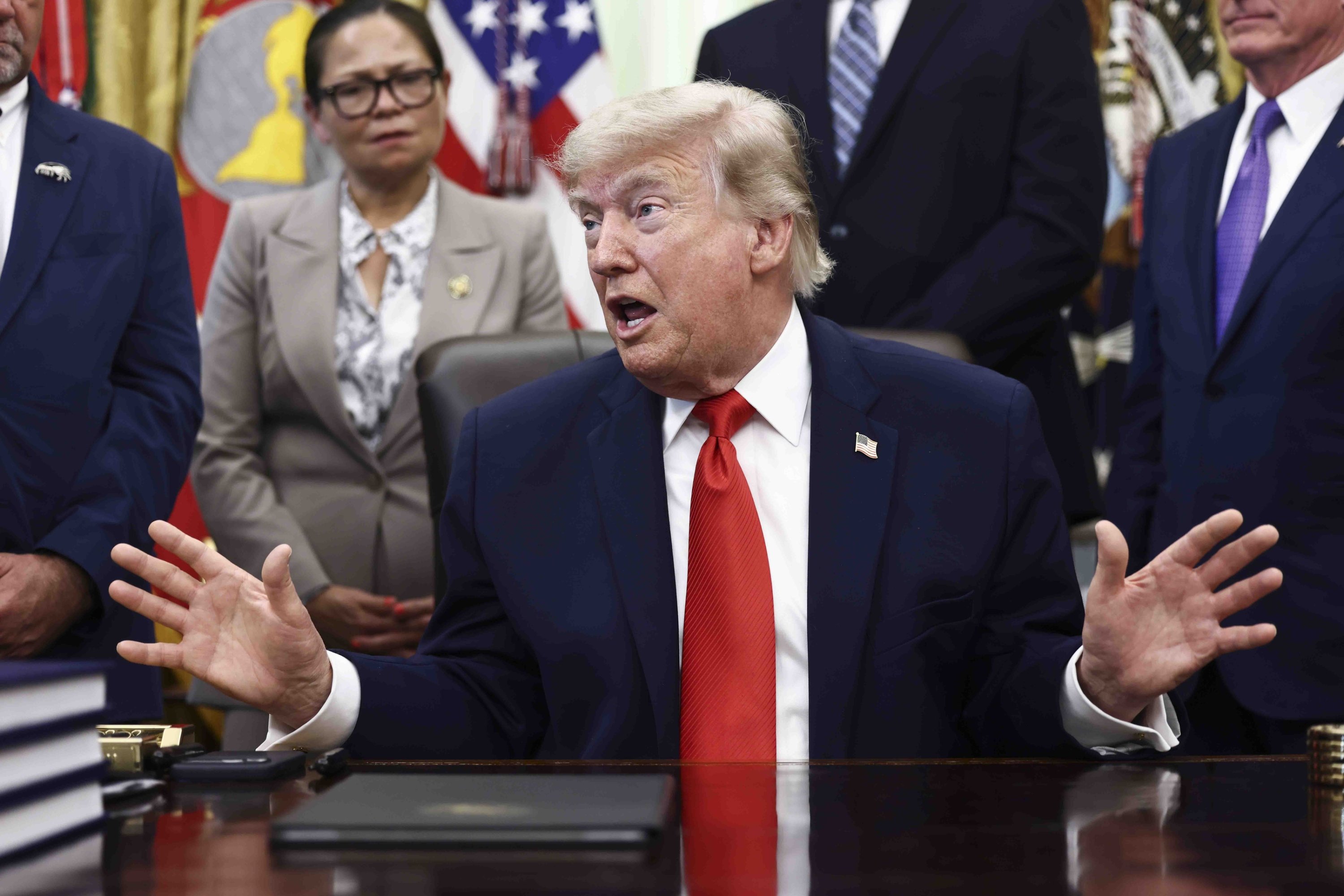
President Donald Trump on Thursday said the United States and Iran could sign a peace deal as soon as this weekend that would reopen the Strait of Hormuz to shipping, but Iran co...
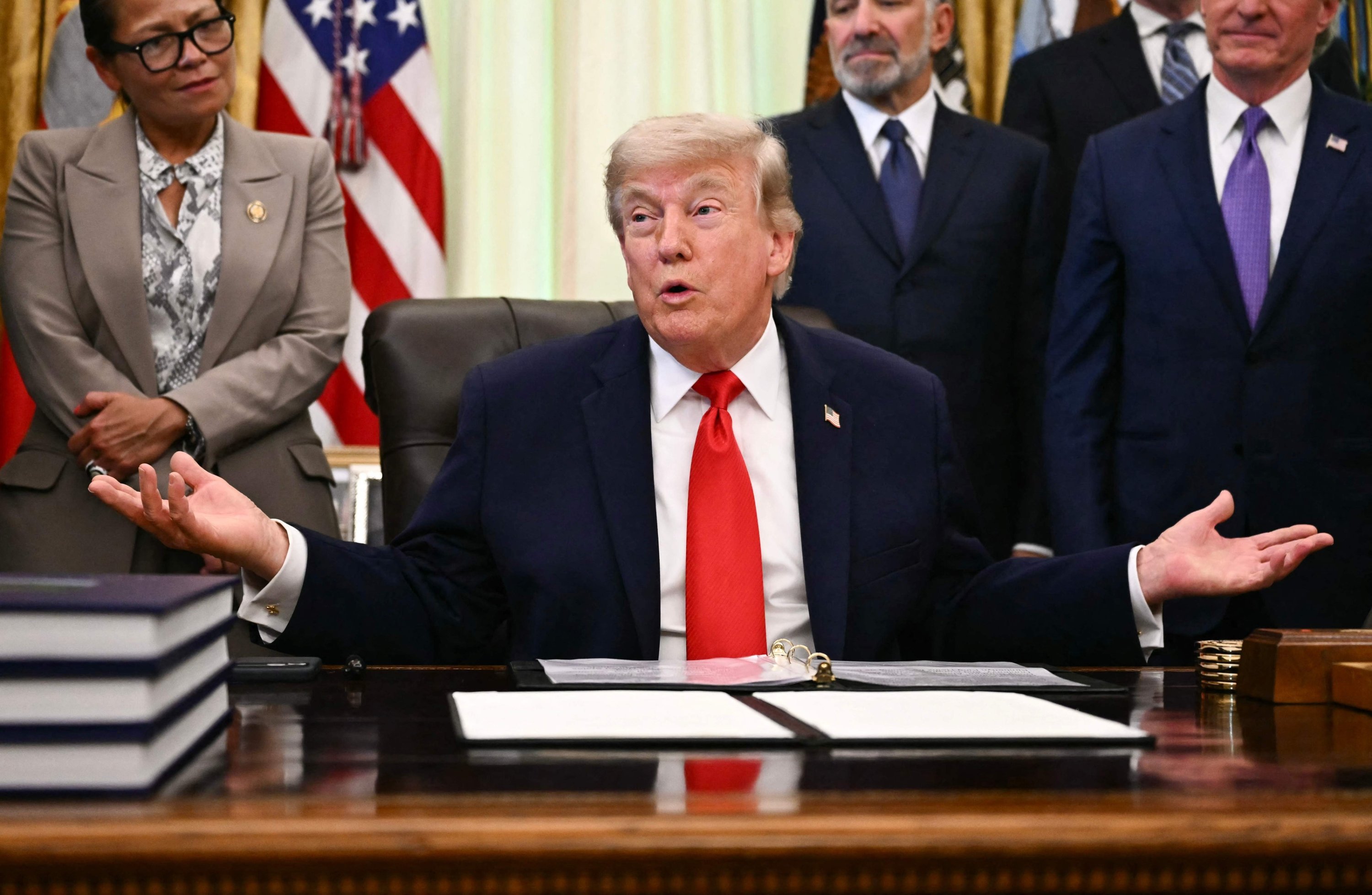
U.S. President Donald Trump called off plans for renewed military strikes on Iran at the last minute on Thursday, and flagged the signing of a possible deal with Tehran after high...
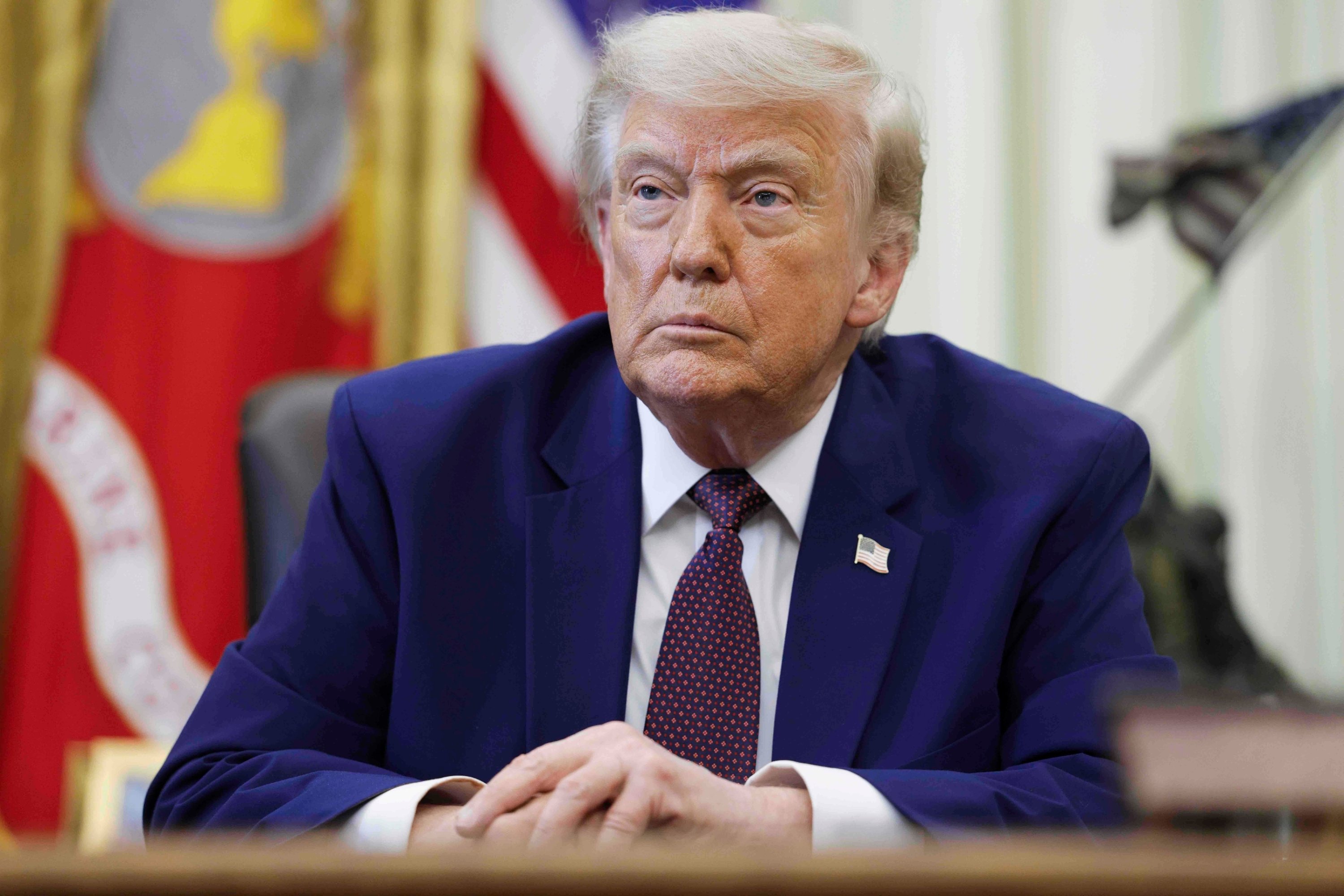
U.S. President Donald Trump vowed Thursday to launch new strikes on Iran and said the U.S.
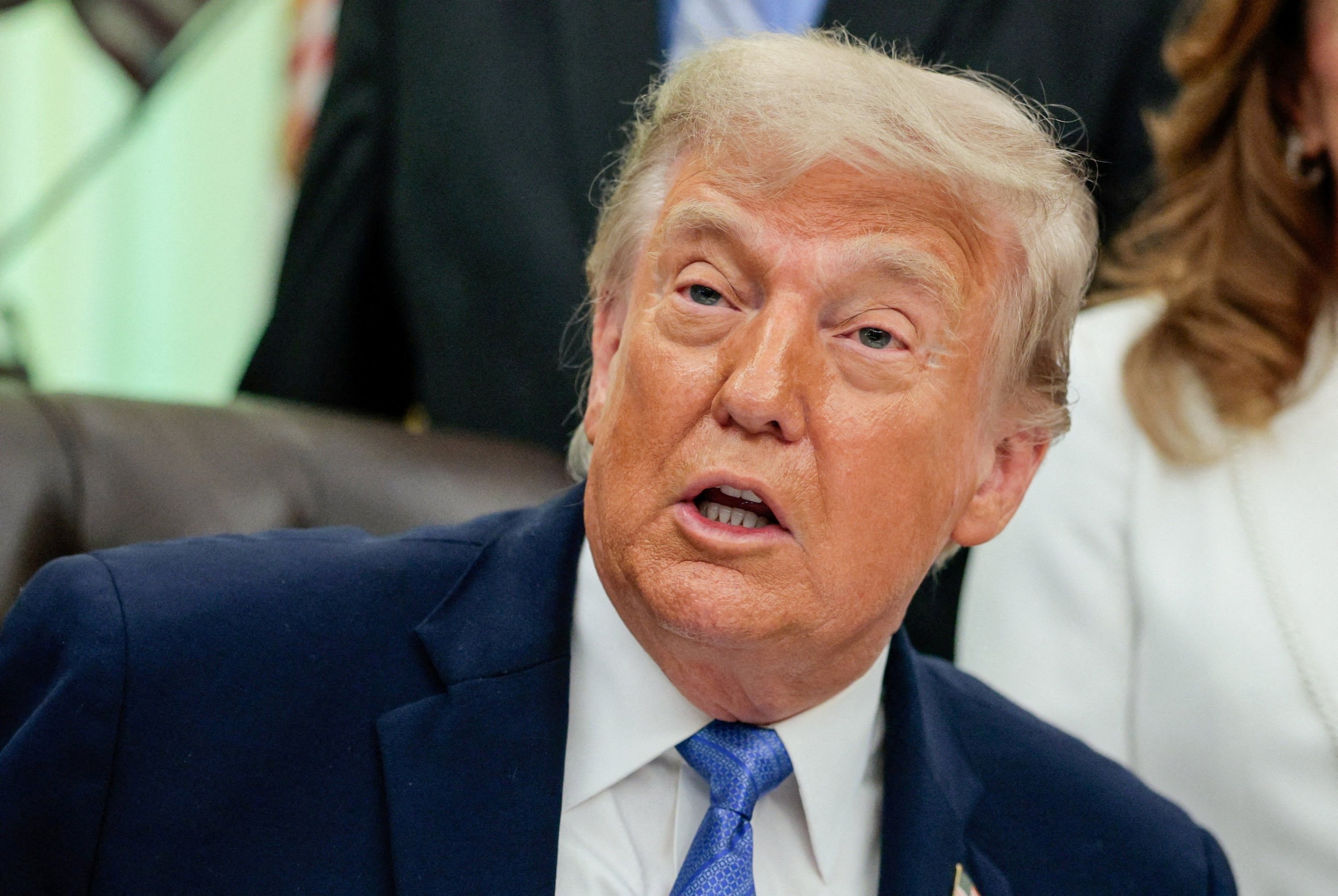
Iran said Thursday that the fragile Middle East cease-fire had become 'practically meaningless' after renewed U.S. strikes and Iranian retaliation, further straining diplomatic eff...
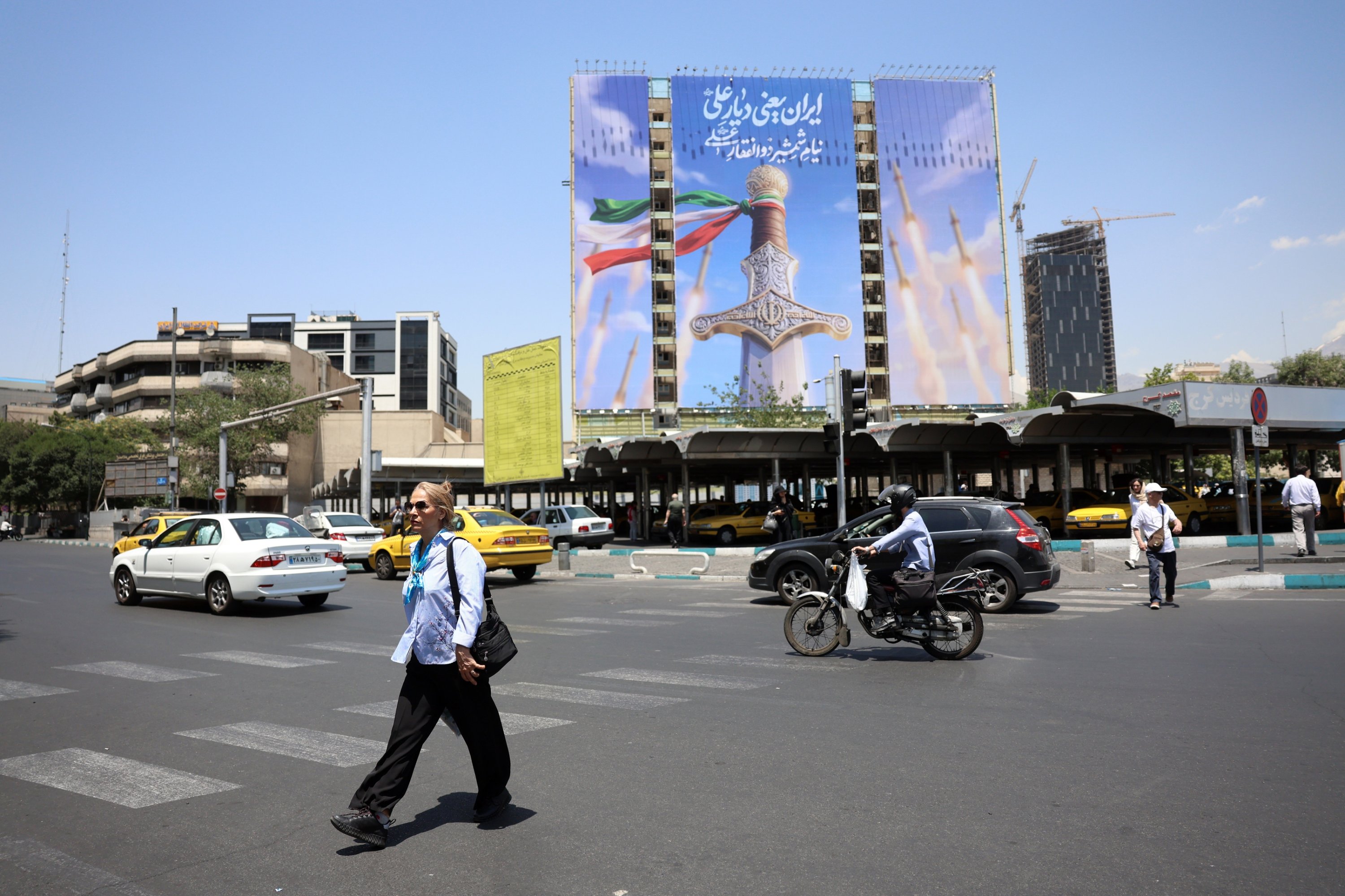
Hours after promising to hit Iran "very hard," US President Trump has said he canceled the attacks, but added a naval blockade would remain in place.
The Iran war and the country's change of leadership are reshaping Iran's power structure. Analysts say the Revolutionary Guard is emerging as the dominant force, weakening the system's clerical foundations.
Cairo faces criticism from its Gulf allies that support against Iran has been lacking. But Egypt's priority is to shield its fragile economy from the fallout of a widening conflict.
US president says agreement close as Strait of Hormuz tensions linger

As the US-Iran ceasefire appears to crumble, pressure will increase on Ireland’s national reserve

On the table is a one-page memorandum with a 60-day truce to negotiate on uranium. Swiss hypothesis for the final handshake
For the president emeritus of the Council on Foreign Relations, a possible agreement "will not lead to a lasting ceasefire"
The Israeli prime minister, fearful of being forced to stop the offensive in Lebanon, congratulates his ally but tries to slip away
The White House has not achieved the results it had hoped for while Iran's new leaders emerge from the conflict strengthened
The president of the United States: "I have spoken with all the leaders of the region, we have an agreement, Iran will not have the atomic bomb and Hormuz will reopen." Then he hypothesizes that the negotiations will be closed as early as the weekend: “There will be…
The rapid escalation in hostilities between Iran and the US-Israel alliance since Sunday is being driven by Tehran’s growing confidence that it can arise like a mythical phoenix from the ashes of war, strategically…

US President Donald Trump said on Thursday he had cancelled planned military strikes against Iran after negotiations with Tehran reached what he described as the highest levels of the Iranian leadership and received…

DUBAI/WASHINGTON, June 12 - Hopes grew on Friday for peace between Iran and the United States after President Donald Trump said a deal could be signed as soon as this weekend, even as Tehran said it had not made a final…
One senior administration official described the Iranian system as frustratingly slow and opaque.
Kharg island handles the vast majority of the country’s oil exports.


Trump had earlier accused Iran of having 'taken too long' to negotiate an agreement, for which it will have to 'pay the price'.

In response, Tehran announced the closure of the Strait of Hormuz 'completely'. Oil prices rose again on Wednesday.
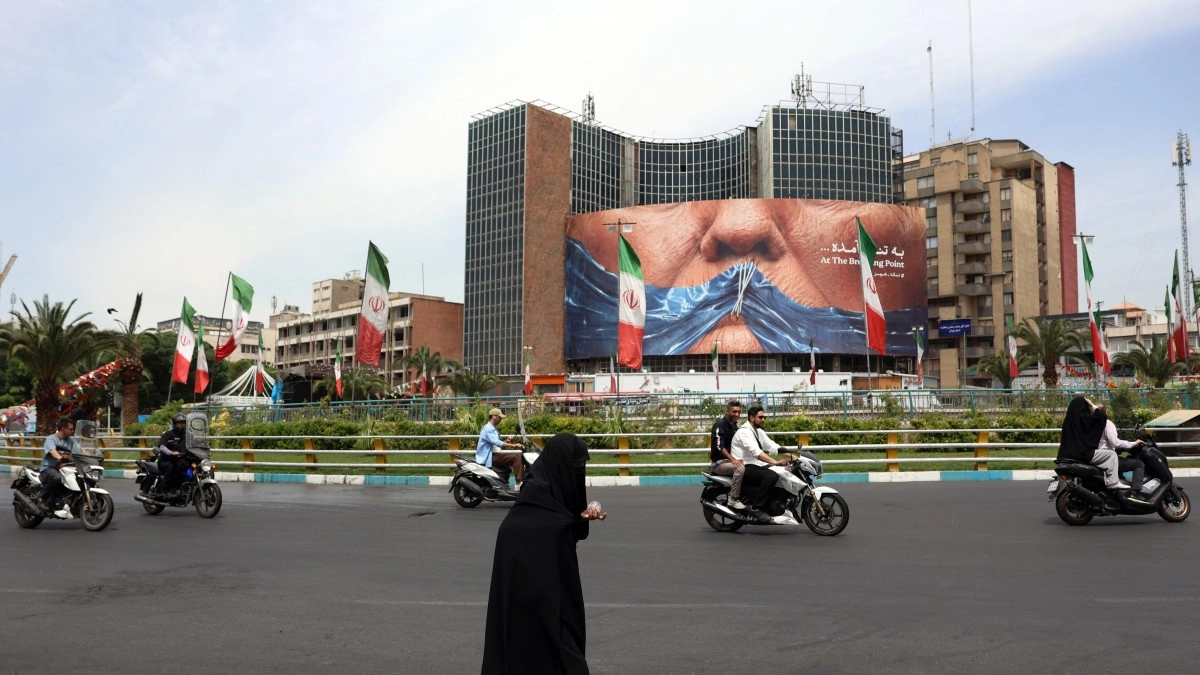
The US Army launched new attacks this Wednesday against 'multiple targets' in Iran, despite the fact that they are debating a peace agreement.
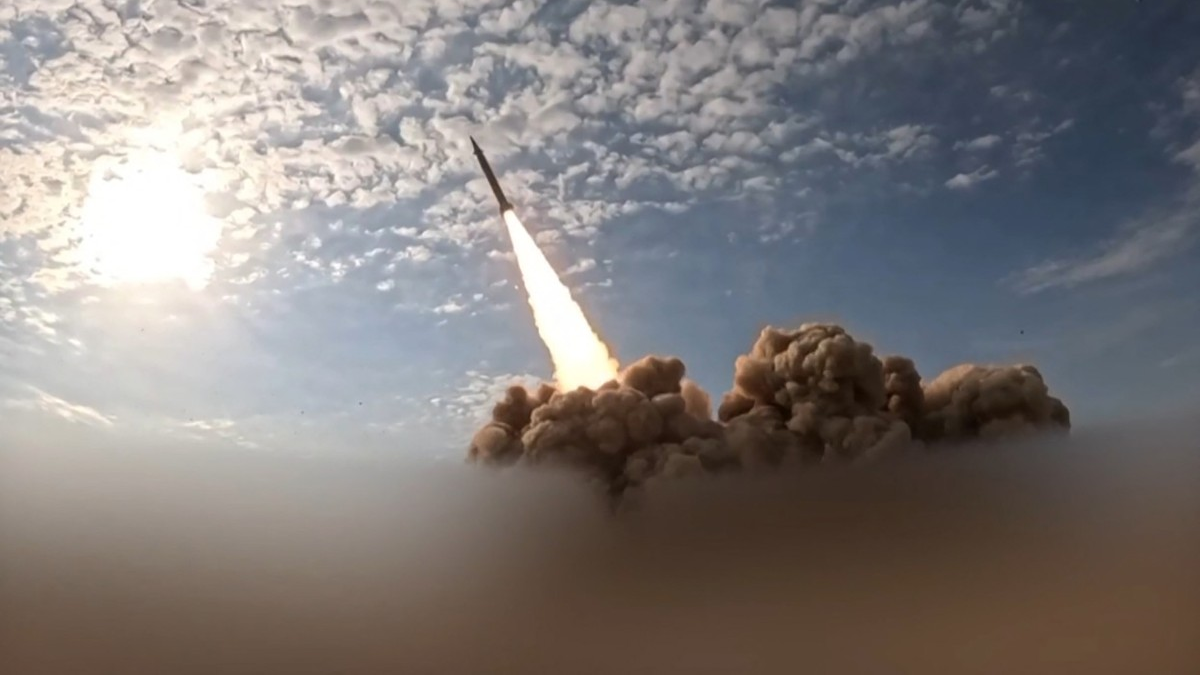
American forces say they targeted “several military targets” in Iran overnight. Iran's Revolutionary Guards claim to have fired ballistic missiles, including at a…
Trump says Americans may not back capturing Iran’s Kharg Island The Times of Israel
All issues including West Asia will be discussed when PM Modi meets President Macron, says MEA's Secretary (West) Sibi George

How to judge Trump’s claims he’s ended the Iran war CNN
The president said this Thursday at the White House that he had reached a 'great peace agreement' with Iran.

The Iranian spokesman recalled that the Islamic Republic is not willing to give in on its "red lines."

However, Fars, citing an anonymous source close to the Iranian negotiating team, claimed that Tehran has not yet approved an agreement.

BAHRAIN: A damaged building and vehicle are seen in the aftermath of Iranian drone attacks.—Reuters • Announcement comes after US calls off Iran attacks • Oil drops after Washington backs down • IRGC strikes Bahrain,…
Republican Congressman Rob Wittman on Thursday called the US killing of three Indian sailors off the coast of Oman “a very, very unfortunate incident”, claiming that the US military is trying to “determine exactly what…
