For many Iranians, the question is not whether the deal means victory, but whether it lowers prices and reduces fear of another war.
How the world covered this
Read the editorial comparison
Prose synthesis of how each outlet framed the story, with side-by-side outlet quotes and divergence notes.
45 articles from 13 sources
01

02
Many Lebanese remain doubtful that the agreement could finally mean the end of the fighting between Israel and Hezbollah.

03
Iran and the United States have reached an agreement to end the war that began on Feb. 28.
04
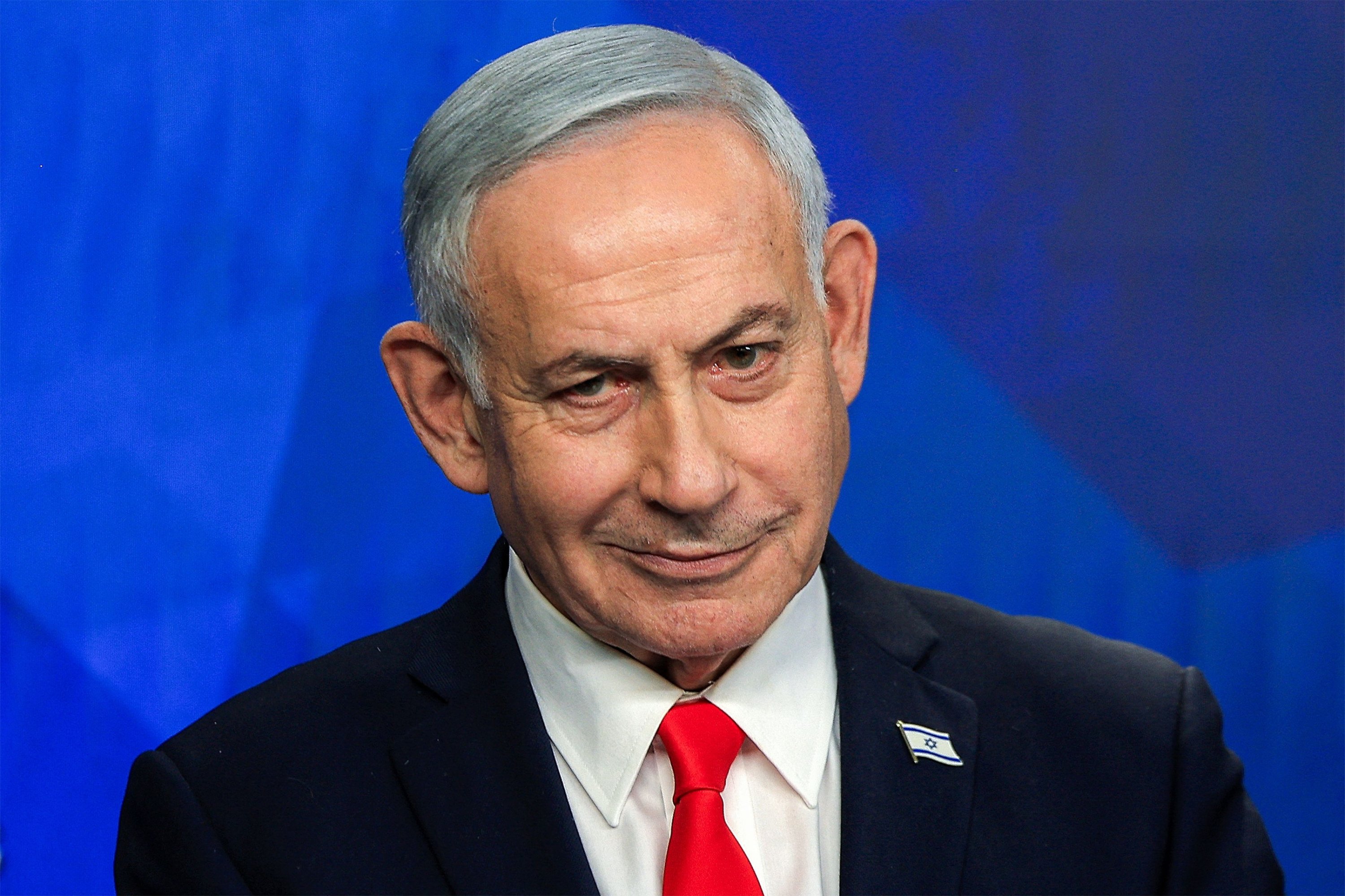
Washington declined to share the text of a newly reached understanding with Tehran despite requests from Israel, according to Israeli media reports, highlighting apparent gaps in c...

05
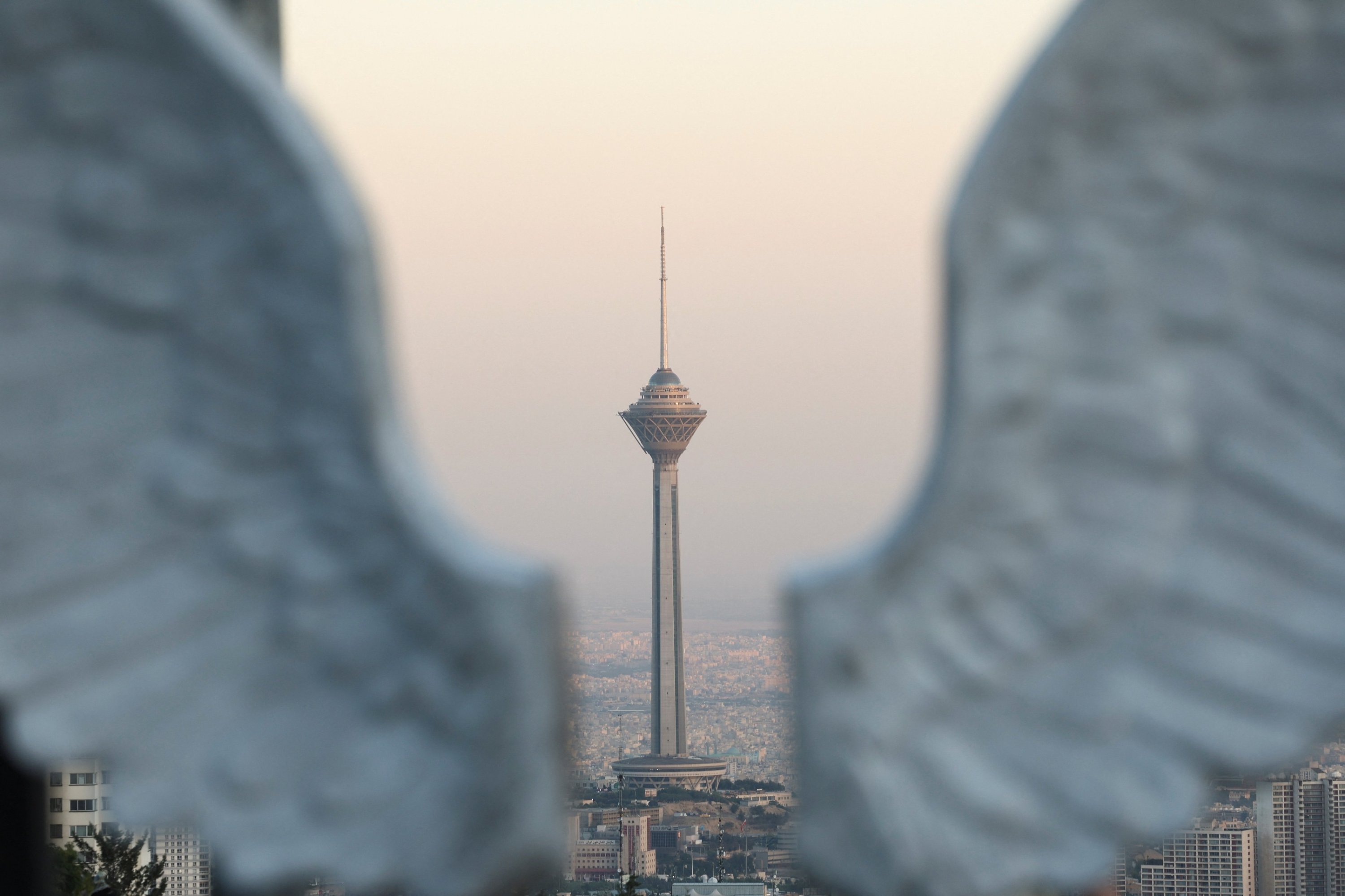
A proposed $300 billion private-sector investment initiative tied to the emerging U.S.-Iran framework agreement has already secured commitments exceeding half its target, signaling...
06
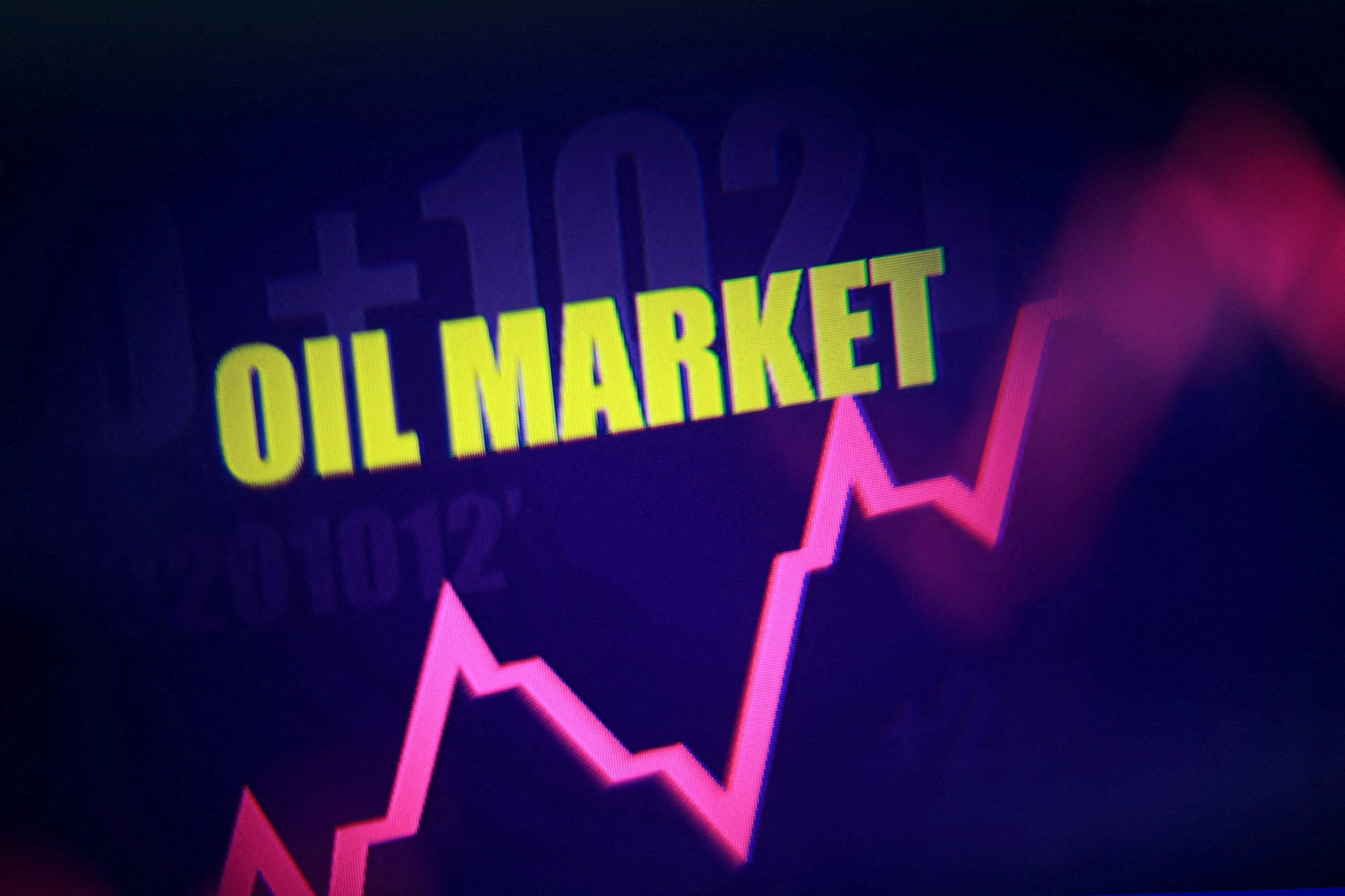
Oil prices slid further to below $80 a barrel, marking a three-month low on Tuesday on optimism over the expected reopening of the Strait of Hormuz after a peace deal between the U...
07
Iran's top diplomat has said continued Israeli presence in Lebanon would violate the interim US–Iran deal to end the war. Prime Minister Benjamin Netanyahu insists Israel will remain as long as necessary.
08
Experts say that there are significant obstacles preventing traffic from returning to the levels seen before the conflict began – security, mines and tolls.

09
Regime do Irã aceita acordo como se fosse vencedor da guerra
As Iran's state television broadcast hymns of victory after announcing the deal with the United States, a new narrative began to take shape in Tehran: the regime believes it has not only survived its greatest...
10
Irã ameaça retaliar Israel após ataques que mataram 4 no Líbano, e Hezbollah questiona acordo nuclear
The Iranian Armed Forces threatened this Tuesday (16) to retaliate against Israel after attacks in southern Lebanon that killed four people, despite the agreement between Tehran and Washington that should put an end to the war in the Middle East,…
11
Irrespective of largely unaltered borders and an endgame that has barely commenced, the past three years of hostilities have triggered seismic geopolitical changes in West Asia and beyond

12
Lasting U.S.-Iran peace may depend on Tel Aviv’s willingness to adapt

13
A fragile Iran deal masks deeper regional rivalries and uncertainties

14
Iran won the war by merely denying the U.S. a victory
15
US-Iran deal said set to halt regional hostilities, including in Lebanon, lift blockade The Times of Israel
16
US says Trump, Vance and Iran’s Ghalibaf ‘digitally’ signed Iran deal on Sunday The Times of Israel
17
Vance: US-Iran deal was signed 'digitally' yesterday; US official says Trump, Vance and Iran's Ghalibaf signed The Times of Israel
18
Smotrich and Ben Gvir pan US-Iran deal, say Israel should defy it The Times of Israel
19
Vance ‘confident’ Israel will join deal, as US and Iran prepare for signing and talks on Friday The Times of Israel
20
Hezbollah says Iran pledged to pursue IDF withdrawal from Lebanon in nuclear talks with US The Times of Israel
21
Air Force chief confirms major strike on Iran was called off last week The Times of Israel
22
Defense minister: Israel staying in south Lebanon; if Iran strikes, we’ll hit it ‘with full force’ The Times of Israel
23
Lindsey Graham appears to lay groundwork for distancing Trump from Iran deal if it doesn't pan out The Times of Israel
24
The US vice-president says the agreement is "about a page and a half" and "very general", meaning many details will be worked out later.

25
WASHINGTON: US President Donald Trump on Tuesday signalled his willingness to submit the recently negotiated Iran agreement to Congress for review, as lawmakers from both Republican and Democratic lawmakers demanded…
26
IN a dramatic turn of events, the US and Iran have agreed on a framework for peace talks . While the details of the deal, reached after months of intense backchannel negotiations mediated by Pakistan and supported by…
27
While Trump declared the Strait of Hormuz would reopen ‘permanently toll-free,’ Iran said it intended to apply charges

28
As the US president claims victory, his Iran deal weakens allies and narrows the Israeli leader’s choices
29
Tehran insists Israel must stop attacks on Lebanon for preliminary deal to hold before formal signing

30
Israel has distanced itself from both the April ceasefire and the latest US-Iran pact, fuelling uncertainty about whether it will hold

31
The TankerTrackers website said this marked Iran’s “first crude oil exports in two months”.
32
Discussions between the US and its allies over how to clear Iranian mines from the waterway have become extremely complicated.
33
Iran’s Foreign Minister Abbas Araghchi said on Tuesday that ending the war on all fronts, including in Lebanon, was “the most important” issue in the peace deal with the United States announced the day before. “The…


38
Entenda o acordo entre os Estados Unidos e o Irã
The United States and Iran have reached a preliminary agreement to cease hostilities for 60 days and reopen the Strait of Hormuz, paving the way for future negotiations that could ultimately end the war...
39
El precio del petróleo se desploma 5% por el acuerdo entre EE. UU. e Irán: barril del Brent toca mínimos de marzo
Markets are optimistic about the peace agreement between the United States and Iran and the reopening of the Strait of Hormuz.

40
El precio de la tregua: lo que EE. UU. no logró resolver en su ofensiva contra Teherán
The war demonstrated that control of the Strait of Hormuz is a powerful weapon of pressure.

41
Trump llega a Europa para cumbre del G7 tras alcanzar acuerdo con Irán
The reopening of the Strait of Hormuz and the collection of tariffs by Iran focus the initial discussions of the G7 leaders in Evian.

42
Ministros y opositores en Israel critican acuerdo de paz entre Irán y Estados Unidos
They assure that the agreement was negotiated without the consent or participation of Israel

43
لماذا تعد حرب إيران كارثة إستراتيجية أكبر من فيتنام؟ أكاديمي أمريكي يجيب
An American academic said that Trump's war against Iran represents a greater strategic defeat than Vietnam, because it weakened Washington's position, strengthened the influence of extremists in Tehran, revealed the limitations of America's power, and threatened the security of navigation and global trade.
44
هل اقتربت نهاية "مبدأ كارتر"؟.. دعوات أمريكية للانسحاب من الشرق الأوسط
American expert Stephen Cook believes that Trump's war on Iran hastened the end of the American role in the Middle East after it revealed the limitations of American influence, with increasing calls in Washington for withdrawal and reduction of security commitments there.
45
KINGSTON, June 16 - Jamaica is in talks with Washington over accepting third-country migrants deported by the United States, the country's Deputy Prime Minister and Security Minister Horace Chang said in a statement on…
AI read
What the coverage agrees on, and where it splits
This view is generated from the clustered articles, so it is best read as a map of coverage rather than a replacement for the source reporting.
Broadly agreed
- All covering sources confirm a preliminary US-Iran agreement was reached and digitally signed, involving cessation of hostilities and reopening of the Strait of Hormuz.
- Multiple sources confirm Iranian crude tankers crossed the former blockade zone for the first time in two months following the deal.
- Sources across regions agree Israel was excluded from the deal's text and its far-right officials have publicly opposed it.
Contested framing
- Times of Israel and BBC frame the deal as leaving Israel isolated and Netanyahu politically weakened; TASS and People's Daily are largely silent on Israeli institutional damage, while Qatari Al Jazeera frames it as a US strategic defeat larger than Vietnam.
- Irish Times and CNN highlight the Strait of Hormuz toll dispute — Trump declared it permanently toll-free while Iran said it intends to apply charges — framing this as a central unresolved contradiction; Emirati The National and Pakistani Dawn do not foreground this ambiguity.
- BBC and Folha de S.Paulo frame Iranian state victory messaging skeptically, noting Iranians care more about prices and fear than geopolitical framing; People's Daily and TASS do not critically examine Iranian domestic reception.
Still unclear
Whether Israel will ultimately join or comply with the deal, and whether Iran's claimed right to impose Strait of Hormuz tolls will be enforced or negotiated away, remains publicly unresolved.
Notable omissions
No source in this cluster substantively addresses the humanitarian and civilian toll of the three-month Gulf conflict itself, focusing instead on diplomatic mechanics and strategic positioning.
Quality check
This comparison is appropriately cautious about contested claims but relies on absence-as-evidence for some framing disputes; read the contested section with particular skepticism about what silence signifies.
- Contested framing relies heavily on selective regional outlets (TASS, People's Daily) whose silence on Israeli impact is presented as meaningful absence rather than editorial choice
- Toll dispute framed as 'central unresolved contradiction' but only two sources foreground it; magnitude of disagreement unclear
- No source examines Iranian domestic reception critically except BBC/Folha—limited basis for claimed consensus gap
- Humanitarian toll omission is significant but acknowledged; reader should note this reflects source selection, not necessarily available reporting
Review confidence: 72%
Signal strength
5/5
Narrative divergence
13
Sources compared
1
Days in coverage
How each outlet frames this story
Divergence
5/5
Narrative Divergence
How differently the sources covering this story frame it — measured by tone, emphasis, and what each outlet chooses to highlight or omit.
1 — Sources frame the story almost identically
2 — Minor differences in tone or emphasis
3 — Noticeable differences; some outlets highlight what others omit
4 — Stark contrasts; conflicting narratives
5 — Sources tell fundamentally different stories
British
BBC frames the deal as a political necessity for Iranians rather than a victory, foregrounding whether it will deliver economic relief and reduce fear of renewed conflict.
British
BBC separately highlights Lebanon's fragile quiet, noting Lebanese doubt the agreement ends Israel-Hezbollah fighting.
Turkish
Daily Sabah frames the deal through institutional accountability, questioning whether lasting Middle East peace is possible given unresolved structural issues and examines US withholding of deal text from Israel.
Israeli
Times of Israel foregrounds Israeli exclusion from negotiations, far-right ministers calling for defiance, the called-off Israeli strike, and Trump's praise of Netanyahu alongside warnings about Israeli tactics.
Indian
The Hindu covers Iranian tankers exiting the blockade zone, the deal's long-term implications, the US-Iran framework confronting Israel as a spoiler, and Trump's rare rebuke of Israeli tactics in Lebanon.
Brazilian
Folha de S.Paulo frames Iran's state television hymns of victory as a new regime narrative, and documents Iran's threat to retaliate against Israel after Lebanon attacks, questioning deal durability.
Qatari
Al Jazeera Arabic frames the US-Iran deal through American calls for Middle East withdrawal and a US academic arguing the Iran war is a bigger strategic defeat than Vietnam.
Pakistani
Dawn credits Pakistan's civilian and military leadership with mediation for regional stability, not narrow interests, and covers Trump's openness to congressional review.
Irish
Irish Times focuses on the Strait of Hormuz toll dispute — Trump declared it permanently toll-free while Iran said it intends to apply charges — and on the Trump-Netanyahu falling-out.
Singaporean
Straits Times examines whether Trump achieved his goals and covers Iranian tankers exiting the blockade zone as a factual infrastructure milestone.
Emirati
The National covers Lebanon-Israel talks accelerating under the deal, the Swiss resort setting of signing, and the $2.2 trillion question of what the war cost the global economy.
Colombian
El Tiempo frames the deal as weakening Netanyahu amid a popularity crisis and exposing US-Israel fissures, questioning his political survival.
German
Deutsche Welle examines the murky ceasefire terms with Iran, US, and Hezbollah sparring over interpretation, and covers the US-Iran framework's contested details.
Chinese
SCMP focuses on Iranian sailors' trauma after Hormuz reopening brings little relief, and on the knock-on supply-chain effects across Asia.