The future of energy exports through the Strait of Hormuz hangs in the balance after negotiations between Iran and the United States in Doha this week ended without an agreement on releasing frozen funds to the Islamic…
How the world covered this
Read the editorial comparison
Prose synthesis of how each outlet framed the story, with side-by-side outlet quotes and divergence notes.
5 articles from 4 sources
01

02
How many crises does it take to change the way the world trades? For Asia, the answer appears to be three.

03
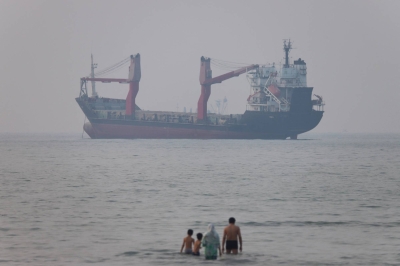
The initial peace deal stated that ships would transit the strait free of charge for 60 days, but it remains unclear what will be in place after that period.
04
Charging fees to transit the Strait of Hormuz is an idea rejected by Washington.

AI read
What the coverage agrees on, and where it splits
This view is generated from the clustered articles, so it is best read as a map of coverage rather than a replacement for the source reporting.
Broadly agreed
- All covering sources confirm the Strait of Hormuz remains in 'strategic limbo' with minefields present and transit fee disputes unresolved.
- Multiple sources confirm Iran has proposed differentiating transit fees between friendly and unfriendly nations.
Contested framing
- SCMP frames the Hormuz crisis as forcing a structural reorganization of Asian supply chains away from just-in-time models; Japan Times frames it primarily as a Japanese corporate resilience challenge — different scales of systemic response being anticipated.
- The National frames the situation through Gulf regional energy autonomy; SCMP frames it through China-linked supply-chain restructuring — different regional beneficiaries of the crisis identified.
Still unclear
The technical status of minefields in the Strait of Hormuz — who laid them, their density, and the timeline for removal — has not been publicly confirmed in the available summaries.
Notable omissions
Western European outlets including Le Monde and Deutsche Welle do not appear to cover the Hormuz fee proposal and its Asian supply-chain implications, despite Europe's significant energy import exposure.
Quality check
Basic situation facts confirmed; supply-chain and long-term implications are speculative.
- 'Strategic limbo' is characterization; confirm this is broad consensus
- Minefield technical details (who laid, density, removal timeline) explicitly unconfirmed
- SCMP's argument about supply-chain restructuring away from just-in-time is speculative, not confirmed
- Absence of Western European outlet coverage on Asian supply-chain implications is legitimate gap
Review confidence: 70%
Signal strength
3/5
Narrative divergence
4
Sources compared
0
Days in coverage
How each outlet frames this story
Divergence
3/5
Narrative Divergence
How differently the sources covering this story frame it — measured by tone, emphasis, and what each outlet chooses to highlight or omit.
1 — Sources frame the story almost identically
2 — Minor differences in tone or emphasis
3 — Noticeable differences; some outlets highlight what others omit
4 — Stark contrasts; conflicting narratives
5 — Sources tell fundamentally different stories
Chinese
SCMP frames the Hormuz standoff through structural supply-chain vulnerability and asks whether Asia is rejiggling supply chains 'post-Hormuz' — treating it as a systemic economic reorganization challenge rather than a military crisis.
Japanese
Japan Times covers the Iranian envoy's 'special' Hormuz fee treatment offer through Asian energy security vulnerability, framing the crisis as an infrastructure and logistics problem affecting Japanese corporate resilience.
Singaporean
Straits Times reports Iran's envoy promising special treatment for friendly nations, analyzing the fee proposal through its implications for regional shipping and Singapore's position as a trading hub.
Emirati
The National reports the French aircraft carrier setting sail for home while tension and uncertainty remain in the Strait of Hormuz, framing the situation through Gulf regional security and energy autonomy interests.