How the world covered it

Strait of Hormuz and Asian Energy Security

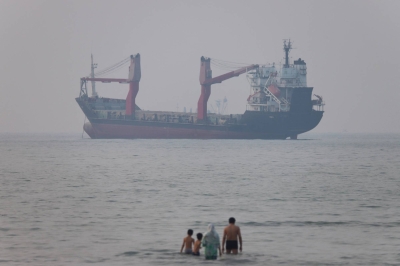
The Strait of Hormuz — through which approximately 20% of global oil trade passes — remains mined and in 'strategic limbo' after the US-Iran war, threatening energy supply chains to Asia and Europe and forcing...

Editorial comparison

SCMP frames Hormuz crisis as forcing structural Asian supply-chain reorganization away from just-in-time; Japan Times frames primarily as Japanese corporate resilience challenge.

SCMP leads with 'minefields, stalled talks keep Strait of Hormuz in strategic limbo,' emphasizing that future energy exports through the strait hang in the balance after US-Iran negotiations remain stalled. SCMP's follow-up analysis argues that Asia is fundamentally reorganizing supply chains 'post-Hormuz,' moving away from 'just-in-time' models as a systemic adaptation. The outlet frames the crisis as forcing structural rethinking across Asian economies.

Japan Times and Straits Times report Iran's envoy saying friendly nations will receive 'special' Hormuz fee treatment, with Washington rejecting the fee concept. These outlets frame the situation through immediate transit fee negotiations rather than systemic supply-chain reorganization. The National frames the situation through Gulf regional energy autonomy, reporting that the French aircraft carrier is sailing home amid 'tension and uncertainty remain in Strait of Hormuz.' The outlets diverge on scale: SCMP identifies structural economic reorganization as the crisis outcome, while Japan Times and Straits Times focus on immediate fee-negotiation dynamics.

How each outlet opened the story

Minefields, stalled talks keep Strait of Hormuz in strategic limbo

Japan Times Japan

Iran envoy says friendly nations to get special Hormuz fee treatment

Straits Times Singapore

Iran envoy says friendly nations to get special Hormuz fee treatment

French aircraft carrier sets sail for home amid Hormuz tension

Coverage map

What coverage agrees on, contests, or leaves unclear.

Broadly agreed
  • All covering sources confirm the Strait of Hormuz remains in 'strategic limbo' with minefields present and transit fee disputes unresolved.
  • Multiple sources confirm Iran has proposed differentiating transit fees between friendly and unfriendly nations.
Contested framing
  • SCMP frames the Hormuz crisis as forcing a structural reorganization of Asian supply chains away from just-in-time models; Japan Times frames it primarily as a Japanese corporate resilience challenge — different scales of systemic response being anticipated.
  • The National frames the situation through Gulf regional energy autonomy; SCMP frames it through China-linked supply-chain restructuring — different regional beneficiaries of the crisis identified.
Still unclear

The technical status of minefields in the Strait of Hormuz — who laid them, their density, and the timeline for removal — has not been publicly confirmed in the available summaries.

Notable omissions

Western European outlets including Le Monde and Deutsche Welle do not appear to cover the Hormuz fee proposal and its Asian supply-chain implications, despite Europe's significant energy import exposure.

Regional framing

How different outlets describe the same story.

Chinese

SCMP frames the Hormuz standoff through structural supply-chain vulnerability and asks whether Asia is rejiggling supply chains 'post-Hormuz' — treating it as a systemic economic reorganization challenge rather than a military crisis.

Japanese

Japan Times covers the Iranian envoy's 'special' Hormuz fee treatment offer through Asian energy security vulnerability, framing the crisis as an infrastructure and logistics problem affecting Japanese corporate resilience.

Singaporean

Straits Times reports Iran's envoy promising special treatment for friendly nations, analyzing the fee proposal through its implications for regional shipping and Singapore's position as a trading hub.

Emirati

The National reports the French aircraft carrier setting sail for home while tension and uncertainty remain in the Strait of Hormuz, framing the situation through Gulf regional security and energy autonomy interests.

Source trail

Original reporting behind this perspective.

This page maps the coverage. The 5 articles below are the original reports the comparison is drawn from — open them for each publisher's full reporting.

Show 5 source articles
Perspective link copied