Topic deep dive
Society regional

South Africa Xenophobic Violence Crisis

Documented refugees having their homes burned, Malawian nationals sheltering in a consulate parking lot, and a Swazi human rights lawyer granted asylum in France collectively reveal a xenophobic violence crisis with regional humanitarian consequences across Southern Africa.

1 source 3 articles 1 perspective
1 Sources in this topic Different outlets covering the same story arc.
3 Articles collected The full set backing this topic page right now.
2/5 Narrative divergence Hover for scale explanation.
Narrative Divergence
How differently the sources covering this story frame it — measured by tone, emphasis, and what each outlet chooses to highlight or omit.
1 — Sources frame the story almost identically
2 — Minor differences in tone or emphasis
3 — Noticeable differences; some outlets highlight what others omit
4 — Stark contrasts; conflicting narratives
5 — Sources tell fundamentally different stories
How the world covered this
Read the editorial comparison
Prose synthesis of how each outlet framed the story, with side-by-side outlet quotes and divergence notes.
01
XENOPHOBIC VIOLENCE: Elikya’s story: A documented migrant, yet her home was burnt down by vigilantes
As March and March’s anti-migrant rhetoric continues to fuel fear across KwaZulu-Natal, documented refugees and asylum seekers say they are being targeted despite having legal status.
02
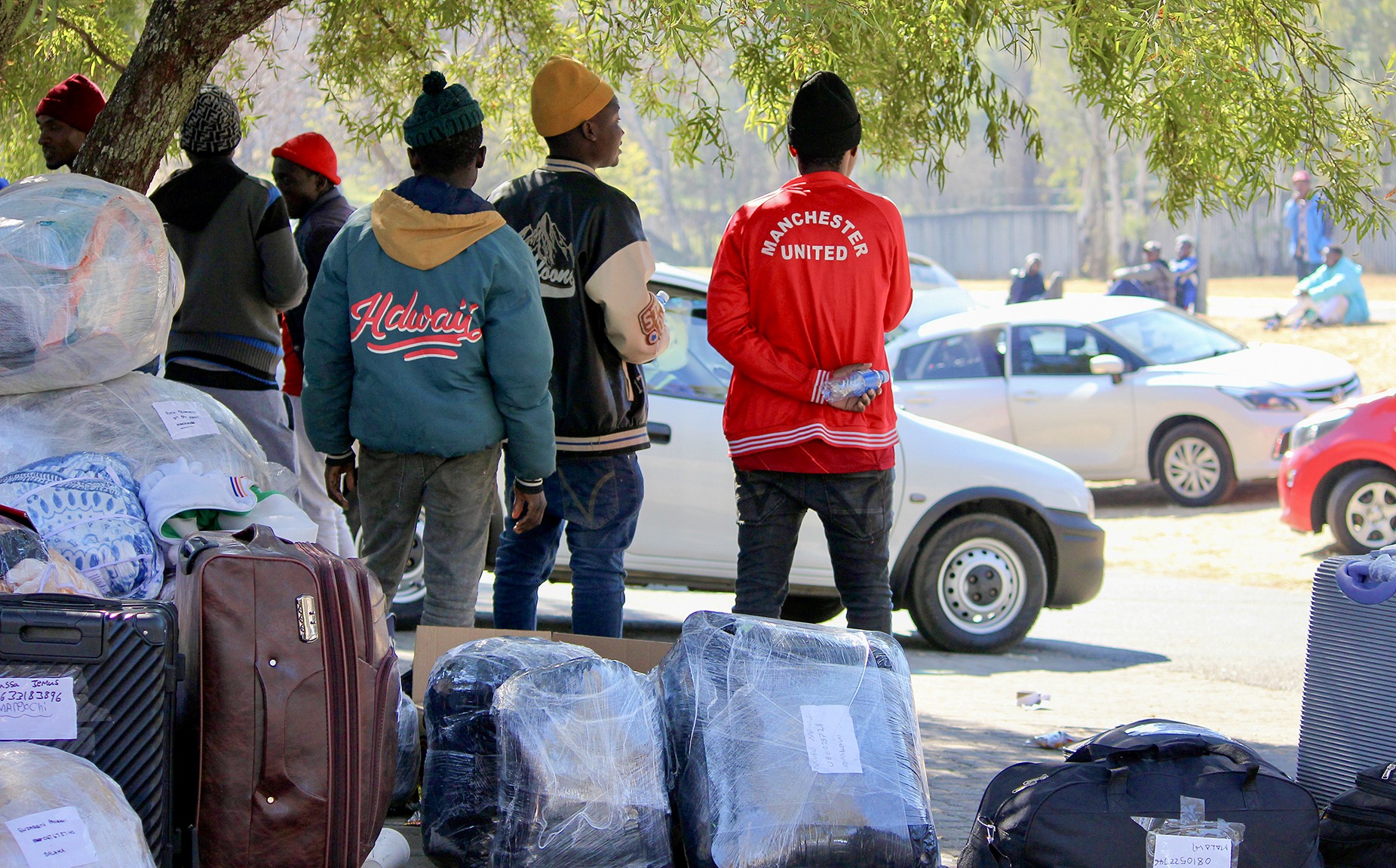
XENOPHOBIC UNREST: ‘100% a humanitarian crisis’ — the parking lot where Malawians wait to go home
In Johannesburg, the Malawian consulate’s parking lot has become a shelter where repatriates sleep under the open sky with children, waiting for transport to the Lindela Repatriation Centre.
03
TROUBLED KINGDOM: From assassination target to refugee — the heavy price of defending Eswatini human rights
Prominent Eswatini human rights lawyer Maxwell Nkambule has been granted asylum in France, highlighting the escalating state-sponsored terror, violence, and assassinations targeting the kingdom’s legal professionals.
AI read
What the coverage agrees on, and where it splits

This view is generated from the clustered articles, so it is best read as a map of coverage rather than a replacement for the source reporting.

Broadly agreed
  • Daily Maverick confirms documented refugees and asylum seekers with legal status are among those targeted, undermining the framing of attacks as solely targeting undocumented migrants.
  • Multiple Daily Maverick reports confirm Malawian nationals are sheltering in consulate parking lots awaiting repatriation, constituting an active humanitarian emergency.
Quality check

Violence occurrence and documented refugee targeting are confirmed by Daily Maverick; regional scope and governmental response remain under-covered.

  • Scale of displacement unquantified—how many migrants displaced or awaiting repatriation unclear across summaries
  • No non-South African outlet coverage—entire story from one source (Daily Maverick)
  • No regional government response beyond consulate parking lot anecdote—Malawian, Zimbabwean, and other affected government reactions not examined
  • Vulnerability of documented refugees/asylum seekers is significant finding but sourcing limited to Daily Maverick
Review confidence: 68%
Signal strength
2/5 Narrative divergence
1 Sources compared
2 Days in coverage → stable
How each outlet frames this story
Divergence 2/5
Narrative Divergence
How differently the sources covering this story frame it — measured by tone, emphasis, and what each outlet chooses to highlight or omit.
1 — Sources frame the story almost identically
2 — Minor differences in tone or emphasis
3 — Noticeable differences; some outlets highlight what others omit
4 — Stark contrasts; conflicting narratives
5 — Sources tell fundamentally different stories
South African

Daily Maverick deploys its characteristic systemic accountability framing: Elikya's story of a documented migrant whose home was burned by vigilantes despite legal status; the Johannesburg consulate parking lot becoming a humanitarian emergency for Malawian repatriates; class failure rather than xenophobia as the root disease; South Africa's 'quiet diplomacy' toward Zimbabwe as the structural cause of the immigration crisis; and a Brixton op-ed questioning whether anger is directed at the wrong targets.

Copied!
Framing shifts since last cycle
South African Shifted from single op-ed perspective to comprehensive systemic accountability framing using documented cases, consulate emergencies, and structural root-cause analysis (class, diplomacy failures) as primary narrative.